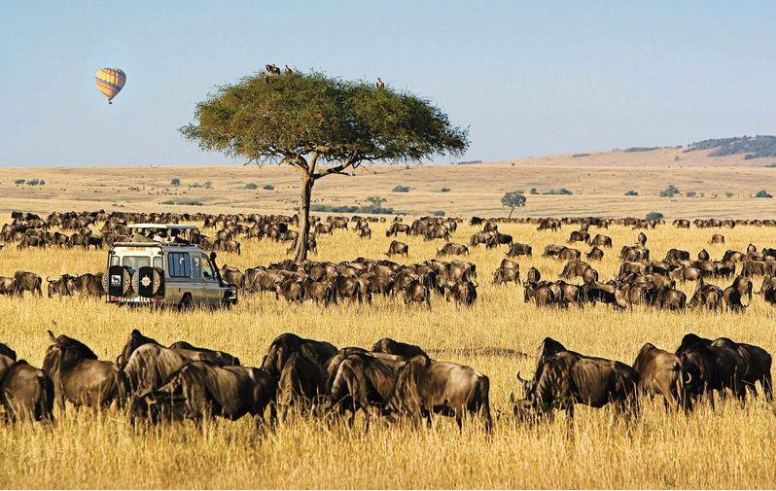
Budget Ruaha Safari Adventure
Explore Ruaha National Park’s baobab country on a guided safari built around your dates, group size and budget. Spend your game drives…
Read articleArusha City - Tanzania
Safari & Travel Tips
October 15, 2026 · 4 min read
Ruaha National Park offers a remarkable setting for a Tanzania wildlife adventure. Baobab trees, rocky hills and wide river valleys create a landscape that rewards patient exploration. Whether you are planning your first safari or returning to discover another part of Tanzania, this Tanzania safari tour Ruaha travel guide introduces the essentials for organizing your visit.
For travelers considering a safari with Kilipath African Safaris, start by deciding your travel dates, preferred accommodation and how much time you want to spend exploring.
Ruaha lies west of Iringa in south-central Tanzania. It belongs to the country’s Southern Safari Circuit, making it a destination to consider when planning a journey beyond the northern parks.
Iringa serves as a practical gateway for road access. According to TANAPA, the drive from Iringa takes approximately two to three and a half hours, depending on conditions. Allow additional time to reach your accommodation after entering the park. Ruaha National Park
Ruaha’s appeal extends beyond individual animal sightings. Its mixture of baobab-studded savannah, woodland, rocky outcrops and river habitats gives each game drive a different character.
The Great Ruaha River and other river systems shape wildlife movements. During dry conditions, remaining water sources become important gathering places for animals. Exploring these habitats offers opportunities to observe drinking, feeding and interactions between species. Ruaha National Park
Leave room in your schedule to pause and watch. A quiet encounter can be as memorable as finding a predator.
Ruaha supports elephants, giraffes, buffaloes, zebras and several antelope species. Greater kudu are a particular highlight for visitors interested in wildlife beyond the most familiar safari animals.
Predators include lions, leopards, cheetahs, spotted hyenas and African wild dogs. Birdwatchers can look for hornbills, kingfishers, rollers and birds of prey across the park’s varied habitats. Every sighting depends on animal movements, conditions and time spent searching; no particular species is guaranteed. tanzaniatourism.com
Share your interests with your guide, whether you enjoy photography, birds or animal behavior.
June to October is generally a strong choice for wildlife viewing. During the dry season, animals gather around available water, helping guides focus their searches.
The wetter months bring a different landscape, but rain can affect road access and travel arrangements. Before selecting dates, check both accommodation availability and the suitability of your planned route. Seasonal conditions vary, so treat calendar dates as a planning guide rather than a promise of particular weather. tanzaniatourism.com
You can reach Ruaha by road or air. Road travel through Iringa suits an itinerary with enough time for overland journeys. A four-wheel-drive vehicle is recommended, particularly during wet conditions.
Flying can reduce time spent on the road. Msembe and Jongomero are the park’s principal airstrips, with onward transfers arranged through your accommodation or operator. Confirm your actual flight route, operating dates and baggage allowance before booking connecting travel. Ruaha National Park
As a practical itinerary suggestion, allow at least three nights in Ruaha when your schedule permits. This gives you time to explore beyond your arrival afternoon and experience several game drives.
A simple four-day visit could follow this outline:
Longer stays provide more flexibility for photography and relaxed afternoons.
Ruaha accommodation includes campsites, park bandas, tented camps and lodges. Your choice should reflect your budget, comfort preferences and the area you want to explore.
Before confirming, ask about bathroom facilities, electricity, meals and transfer distances. Travelers with children should also confirm age policies and suitable sleeping arrangements. TANAPA recommends booking early for peak months and festive periods. Ruaha National Park
Your Ruaha safari price depends on accommodation, travel season, transport, group size and the number of nights.
Request an itemized quotation showing park charges, accommodation, meals, guiding, transfers and any flights. Check optional activities, drinks, tips and cancellation terms separately. This makes it easier to compare proposals fairly and understand the complete cost before paying a deposit.
Bring comfortable neutral-colored clothing, a light layer for cool mornings, sun protection, insect repellent and a camera. Binoculars are useful for observing distant animals and identifying birds.
Pack according to your confirmed transport arrangements, especially when taking a small aircraft. Follow your guide’s instructions around wildlife and leave the vehicle only where permitted.
Ready to explore Ruaha? Contact Kilipath African Safaris with your dates, number of travelers, starting location and preferred budget. Request a personalized itinerary and clear quotation to help turn your Ruaha travel plans into a well-organized safari.
Explore Ruaha National Park’s baobab country on a guided safari built around your dates, group size and budget. Spend your game drives…
Read articleDiscover Tanzania’s untamed wilderness without exceeding your travel budget. A budget Ruaha safari adventure offers incredible wildlife encounters, spectacular landscapes, authentic African…
Read articleA Nyerere Tanzania wildlife safari offers an extraordinary opportunity to discover one of Africa's most spectacular wilderness destinations. From magnificent elephants and…
Read articleTarangire National Park sits on Tanzania’s Northern Circuit and is usually visited from Arusha. Ruaha, Nyerere and Mikumi are Southern Circuit destinations.…
Read article