Skip to content

Planning a Serengeti safari is exciting, but understanding the total cost can be challenging. Prices vary depending on the number of travelers, travel season, accommodation category, transportation method, itinerary length, and whether you choose a private or shared safari.
As a general estimate, a Serengeti safari may cost from USD 250 to more than USD 1,500 per person per day. Budget camping safaris normally fall at the lower end, while exclusive private safaris and luxury tented camps can cost considerably more.
This Tanzania safari tour Serengeti cost guide explains the main expenses, typical package prices, park fees, accommodation options, seasonal differences, and practical ways to manage your budget.
Important: All prices in this guide are planning estimates. Park fees, concession charges, accommodation rates, fuel prices, taxes, and flight fares may change. Always request a current, personalized quotation before confirming your safari.
Quick Overview of Serengeti Safari Prices
| Safari category | Estimated cost per person per day |
|---|---|
| Shared budget camping safari | USD 250–400 |
| Private budget safari | USD 350–550 |
| Shared mid-range safari | USD 400–650 |
| Private mid-range safari | USD 500–850 |
| Luxury safari | USD 800–1,500 |
| Ultra-luxury or exclusive safari | USD 1,500+ |
These estimates normally assume that two people are sharing a room or tent. Solo travelers may pay a higher rate because they cannot divide vehicle, guide, fuel, and room costs with another person.
What Determines Tanzania Safari Tour Serengeti Cost?
There is no single fixed price for every Serengeti safari. Each itinerary is calculated according to several important elements.
1. Number of Travelers
The number of people sharing the safari vehicle has a major effect on the final price.
A private safari for one person is relatively expensive because that traveler covers the full cost of the vehicle, professional guide, fuel, and transportation. When two, four, or six travelers book together, these costs are shared.
For example:
- A solo private traveler may pay USD 650 per day.
- Two travelers might pay USD 500 per person per day.
- Four travelers may pay around USD 400 per person per day.
- A shared camping safari may cost even less.
Families and groups can therefore receive a lower per-person price without reducing the quality of their wildlife experience.
2. Safari Accommodation
Accommodation is one of the largest parts of the Tanzania safari tour Serengeti cost. Serengeti offers public campsites, permanent tented camps, seasonal migration camps, comfortable lodges, and exclusive luxury properties.
Budget camping
Budget camping is the most affordable option. Travelers sleep in tents at public campsites, and the safari team normally provides:
- Tent
- Mattress
- Sleeping bag
- Pillow
- Camping table and chairs
- Meals prepared by a safari chef
- Shared campsite toilets and showers
Camping offers an adventurous experience and allows travelers to hear the sounds of the African wilderness at night. However, facilities are simpler than those found in lodges and permanent tented camps.
Mid-range tented camps and lodges
Mid-range accommodation provides greater comfort, usually including:
- Private bathroom
- Hot shower
- Comfortable bed
- Restaurant or dining tent
- Electricity during scheduled hours
- Charging facilities
- Wi-Fi in selected areas
- Professional camp staff
A mid-range safari is suitable for travelers who want an authentic wilderness atmosphere without giving up essential comfort.
Luxury accommodation
Luxury Serengeti properties may offer:
- Spacious suites
- Premium locations
- Fine dining
- Private decks
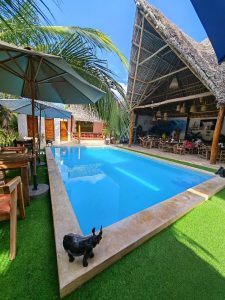
- Swimming pools
- Laundry service
- Personal attendants
- Sundowner experiences
- High staff-to-guest ratios
- Private game drives
Luxury camps situated close to migration routes generally charge premium prices, particularly between July and October.
3. Private or Shared Safari
A shared safari is usually the most economical way to visit Serengeti. Travelers join other guests in the same safari vehicle and follow a fixed itinerary.
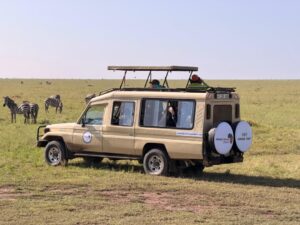
A standard shared safari vehicle may carry up to seven travelers, with each person receiving a window seat. Shared safaris are ideal for solo travelers, couples, and visitors who enjoy meeting people from different countries.
Private safaris provide:
- A dedicated safari vehicle
- Your own professional guide
- More flexible departure times
- Greater control over game-drive duration
- More time at selected wildlife sightings
- Easier coordination for families
- Additional luggage space
- Personalized accommodation choices
Private tours cost more, but they offer privacy and greater flexibility. They are particularly valuable for families, honeymooners, photographers, and travelers with specific wildlife interests.
Typical Serengeti Safari Package Costs
Two-Day Serengeti Safari
A two-day Serengeti itinerary is possible but usually involves long drives if traveling from Arusha. A fly-in safari is often more practical for such a short trip.
Estimated prices:
- Shared camping: USD 500–800 per person
- Private budget: USD 800–1,200 per person
- Private mid-range: USD 1,000–1,600 per person
- Luxury fly-in: USD 1,800–3,500 per person
A road itinerary may include only limited game-drive time because Arusha and Central Serengeti are separated by a significant driving distance.
Three-Day Serengeti and Ngorongoro Safari
This is a popular short itinerary for travelers with limited time. It commonly includes:
- Day 1: Arusha to Serengeti
- Day 2: Serengeti game drive and transfer toward Ngorongoro
- Day 3: Ngorongoro Crater and return to Arusha
Estimated price:
- Shared camping: USD 600–900 per person
- Private camping: USD 900–1,400 per person
- Private mid-range: USD 1,200–1,900 per person
- Luxury: USD 2,000–3,500 per person
Although affordable, this itinerary involves considerable driving. A four- or five-day safari offers a more relaxed experience.
Four-Day Tarangire, Serengeti and Ngorongoro Safari
A four-day Northern Circuit safari may include:
- Day 1: Arusha to Tarangire
- Day 2: Tarangire or Karatu to Serengeti
- Day 3: Serengeti to Ngorongoro
- Day 4: Ngorongoro Crater to Arusha
Estimated price:
- Shared camping: USD 750–1,050 per person
- Private camping: USD 1,100–1,700 per person
- Private mid-range: USD 1,500–2,300 per person
- Luxury: USD 2,600–4,500 per person
This is one of the best choices for travelers who want to see several major wildlife destinations within a relatively short period.
Five-Day Serengeti Safari
A five-day itinerary provides more wildlife-viewing time and reduces the pressure of long daily transfers.
Estimated price:
- Shared camping: USD 900–1,300 per person
- Private camping: USD 1,400–2,100 per person
- Private mid-range: USD 1,900–3,000 per person
- Luxury: USD 3,200–6,000 per person
A common route combines Tarangire, Central Serengeti, Ngorongoro Conservation Area, and Ngorongoro Crater.
Seven-Day Serengeti Safari
A seven-day itinerary can include several Serengeti regions and more time for observing animal behavior.
Estimated price:
- Budget safari: USD 1,800–2,800 per person
- Mid-range safari: USD 2,800–4,800 per person
- Luxury safari: USD 5,000–10,000+ per person
Depending on the season, the itinerary may visit Central, Northern, Western, or Southern Serengeti.
What Is Normally Included?
A properly organized Serengeti safari package commonly includes:
- Airport or hotel pickup according to the itinerary
- Transportation in a 4×4 safari vehicle
- Professional English-speaking safari guide
- Accommodation during the safari
- National park entry fees
- Camping or concession fees where applicable
- Meals during the safari
- Drinking water
- Ngorongoro Crater service fee when included
- Government taxes
- Game drives
- Emergency support from the tour operator
Travelers should inspect the official quotation carefully because inclusions differ between companies.
What Is Usually Excluded?
The following expenses may not be included:
- International flights
- Tanzania visa
- Travel insurance
- Vaccinations and medical expenses
- Alcoholic beverages
- Personal shopping
- Laundry in some camps
- Optional activities
- Tips for guide and chef
- Balloon safari
- Additional accommodation before or after the tour
- Zanzibar flights unless specified
- Private airport transfers unless included
- Changes requested after confirmation
A useful tipping guideline is approximately USD 10–25 per traveler per day, depending on whether the safari is private or shared and whether a separate chef is involved.
Serengeti Park Fees
Park fees form an important part of the total Tanzania safari tour Serengeti cost. Charges may include:
- Conservation fee
- Vehicle entry fee
- Camping fee
- Lodge concession fee
- Guide or activity charges
- Government taxes
TANAPA’s published tariff information states that conservation fees are generally based on residency category and age, with entry validity linked to a 24-hour period. Its published 2023/2024 schedule listed the Serengeti non-resident adult conservation fee at USD 70 during peak months and USD 60 during the lower-season period, before considering other applicable charges. Travelers should check the latest schedule because tariffs may be revised. View current TANAPA park tariff information.
Children usually receive reduced park-fee rates, and very young children may enter without a conservation charge under the applicable tariff rules.
Serengeti Accommodation Costs
Accommodation prices depend on location, season, room category, and meal plan.
| Accommodation type | Estimated nightly price per person |
|---|---|
| Public camping | USD 40–100 |
| Budget tented accommodation | USD 100–200 |
| Mid-range lodge or camp | USD 200–450 |
| Luxury camp | USD 450–1,000 |
| Exclusive premium camp | USD 1,000+ |
These figures should not be confused with the full safari price. A complete package also includes transportation, guide services, park charges, meals, logistics, and taxes.
Properties inside Serengeti may also attract concession fees. A lodge located outside the national park might appear cheaper, but daily driving distances can be longer.
Road Safari Versus Fly-In Safari
Road safari
Most Northern Circuit safaris begin in Arusha. Travelers drive through areas such as Lake Manyara, Karatu, Ngorongoro Conservation Area, and the Serengeti plains.
Advantages include:
- Lower transportation cost
- More scenery along the route
- Opportunity to visit several parks
- Flexible luggage arrangements
- Easy combination with Tarangire and Ngorongoro
The disadvantage is the travel time. Reaching Central Serengeti from Arusha can take most of the day when road conditions, stops, gate formalities, and wildlife viewing are considered.
Fly-in safari
Travelers can fly from Arusha, Kilimanjaro, Dar es Salaam, or Zanzibar to an airstrip in Serengeti.
Common Serengeti airstrips include:
- Seronera
- Kogatende
- Lobo
- Grumeti
- Ndutu
- Kusini
A fly-in safari saves time and is especially useful for short holidays or luxury trips. However, scheduled flights increase the overall cost and normally impose luggage restrictions.
Domestic flights can range from approximately USD 200 to more than USD 500 each way, depending on the route, season, availability, and booking date.
How Season Affects Serengeti Safari Cost
Peak season: July to October
This is one of the most expensive periods. Demand is high because travelers hope to see the Great Migration and Mara River crossings in Northern Serengeti.
Visitors should expect:
- Higher accommodation prices
- Limited room availability
- Higher demand for private vehicles
- Early booking requirements
- Premium prices in Northern Serengeti
Booking six to twelve months in advance is advisable for popular camps.
Calving season: December to March
The Southern Serengeti and Ndutu region become especially popular during the wildebeest calving season. January and February are normally among the busiest months in Ndutu.
Prices can be high because of:
- Concentrated wildlife activity
- Predator sightings
- Demand for seasonal migration camps
- Limited availability close to the herds
Green season: April and May
April and May are frequently the most affordable months. Some lodges offer reduced rates because this period coincides with the long rains.
Benefits include:
- Lower accommodation prices
- Fewer safari vehicles
- Green landscapes
- Excellent photography conditions
- Abundant birdlife
Some remote camps may close temporarily, and roads can become challenging after heavy rain.
Shoulder season: June and November
June and November can provide a good balance between wildlife viewing and price. Conditions vary from year to year, but visitors may find better accommodation availability than during the busiest months.
Great Migration Safari Costs
The Great Migration moves through different areas according to seasonal rainfall and grazing conditions. Because wildlife is completely natural, the precise location cannot be guaranteed.
A simplified seasonal guide is:
| Period | Typical migration region |
|---|---|
| December–March | Ndutu and Southern Serengeti |
| April–May | Central and Western areas |
| June–July | Western Corridor and movement north |
| July–October | Northern Serengeti |
| November | Movement toward Central and Southern areas |
Northern Serengeti safaris usually cost more because the region is remote. Reaching Kogatende by road requires additional driving, fuel, guide time, and extra nights. Flying to Northern Serengeti reduces road time but adds airfare.
For a comfortable Northern Serengeti migration safari, travelers should consider at least six or seven days if starting and ending in Arusha by road.
Budget Versus Luxury Serengeti Safari
Budget safari
A budget safari focuses on wildlife viewing while using simple accommodation and shared services.
It may include:
- Shared vehicle
- Public camping
- Fixed itinerary
- Basic but filling meals
- Shared campsite bathrooms
- Limited flexibility
Budget does not necessarily mean poor wildlife viewing. All guests visit the same park and can see the same animals. The main differences concern comfort, privacy, food presentation, accommodation, and flexibility.
Luxury safari
A luxury safari emphasizes comfort, location, exclusivity, and personalized service.
It may include:
- Premium tented camps
- Private vehicle
- Scenic flights
- Gourmet meals
- Laundry service
- Private sundowners
- Larger suites
- Personalized schedules
- Remote wildlife-viewing areas
Luxury accommodation can reduce driving by placing guests near important wildlife areas, but sightings remain natural and cannot be guaranteed.
Optional Serengeti Activities
Optional activities can significantly increase the Tanzania safari tour Serengeti cost.
Balloon safari
A Serengeti balloon safari generally includes:
- Early-morning camp pickup
- Pre-flight briefing
- Approximately one hour in the air
- Champagne celebration
- Bush breakfast or refreshments
- Flight certificate
- Transfer back to the meeting point
The activity commonly costs approximately USD 500–650 per person, depending on the provider and location.
Maasai cultural visit
A cultural visit may cost approximately USD 20–50 per person or be charged per vehicle. Travelers should choose responsible cultural experiences that respect the community and clearly explain how fees are distributed.
Olduvai Gorge
Travelers passing between Ngorongoro and Serengeti may visit Olduvai Gorge. Museum entrance and guided interpretation can be added to the itinerary for an additional fee.
Walking and specialist activities
Some areas offer guided walks, night game drives, photographic vehicles, or private bush meals. Availability and regulations vary by location.
How to Reduce Your Serengeti Safari Cost
Join a shared safari
Joining other travelers is one of the easiest ways to reduce the price. Vehicle, guide, and fuel costs are divided among the participants.
Travel with friends or family
A private safari becomes more affordable when four to six travelers share one vehicle.
Choose camping or mid-range accommodation
Public camping offers the lowest rates. Mid-range tented camps provide a good compromise between comfort and price.
Travel during green season
April and May can provide substantial accommodation savings. Travelers must be comfortable with the possibility of rain and more difficult road conditions.
Book a longer Northern Circuit itinerary
This sounds counterintuitive, but combining Serengeti with Tarangire and Ngorongoro within one well-designed route can offer better value than arranging separate short trips.
Avoid unnecessary flights
Road transportation is normally more affordable. Nevertheless, adding one flight at the end of a long itinerary can save time without converting the entire trip into a costly fly-in safari.
Book early
Early booking does not always mean a discounted price, but it provides more accommodation choices. Waiting until the last minute can leave only expensive camps available.
Is a Cheap Serengeti Safari Safe?
A low price should be investigated carefully. Ask the operator to provide a detailed list of inclusions and accommodation names.
Before booking, confirm:
- Company registration
- Vehicle condition
- Park fees included
- Accommodation included
- Meals and water included
- Airport transfers
- Maximum group size
- Window-seat policy
- Guide language
- Cancellation conditions
- Payment method
- Emergency support
- Government taxes
An unusually cheap quotation may exclude park fees, use an unrealistic itinerary, provide fewer game-drive hours, or introduce extra charges later.
How Many Days Do You Need?
A minimum of four days is generally recommended when combining Serengeti with Ngorongoro by road. Five or six days provide a more comfortable experience.
Suggested durations:
- Three days: Short Serengeti and Ngorongoro introduction
- Four days: Tarangire, Serengeti and Ngorongoro
- Five days: Better Serengeti game-drive time
- Six or seven days: Relaxed Northern Circuit experience
- Eight or more days: Multiple Serengeti regions or specialized photography
Travelers visiting Northern Serengeti or Ndutu should add enough nights to account for the distance and improve their chances of finding the migration.
Sample Five-Day Mid-Range Itinerary
Day 1: Arusha to Tarangire
Depart Arusha and drive to Tarangire National Park. Enjoy a game drive among baobab trees, elephant herds, giraffes, zebras, and antelopes. Overnight at a lodge near Karatu or Mto wa Mbu.
Day 2: Transfer to Central Serengeti
Travel through the Ngorongoro highlands and descend toward the Serengeti plains. Wildlife viewing begins as you enter the ecosystem. Continue to Central Serengeti for an evening game drive.
Day 3: Central Serengeti
Spend the day exploring river valleys, grasslands, kopjes, and woodland habitats. Central Serengeti is known for resident wildlife and strong predator populations throughout the year.
Day 4: Serengeti to Ngorongoro
Enjoy another Serengeti game drive before traveling toward Ngorongoro. Depending on the itinerary, stay near the crater rim or in the Karatu highlands.
Day 5: Ngorongoro Crater and Arusha
Descend into Ngorongoro Crater for a game drive. The crater supports lions, elephants, buffaloes, hippos, zebras, wildebeest, hyenas, and many bird species. Return to Arusha in the late afternoon.
Final Thoughts
The final Tanzania safari tour Serengeti cost depends on much more than the number of safari days. Accommodation location, travel season, group size, park fees, transportation, and itinerary design all influence the price.
Budget travelers can reduce expenses through shared camping safaris, while couples and families may find a private mid-range tour offers the best balance of comfort, flexibility, and value. Luxury travelers can choose exclusive camps, private vehicles, and scenic flights for a highly personalized experience.
The most important step is to request a transparent quotation showing every inclusion and exclusion. A thoughtfully designed safari should provide enough time in Serengeti, avoid unnecessarily rushed transfers, and match your preferred comfort level.
Call to action:
Contact Kilipath African Safaris for a personalized Serengeti safari quotation based on your travel dates, group size, preferred accommodation, and budget. Our safari specialists can create a shared, private, camping, mid-range, or luxury itinerary designed around your Tanzania adventure.