A Tanzania safari tour Serengeti holiday is one of the most extraordinary wildlife experiences in Africa. It combines sweeping savannah landscapes, abundant wildlife, exciting game drives, beautiful safari lodges, and the opportunity to witness the world-famous Great Migration.
The Serengeti is Tanzania’s best-known national park and one of the most celebrated safari destinations in the world. Its name comes from the Maasai word Siringit, meaning “the place where the land runs forever.” Once you enter the park, it is easy to understand why. Golden plains stretch toward the horizon while zebras, wildebeest, elephants, giraffes, lions, cheetahs, and countless other animals move through this immense wilderness.
Whether you are organizing your first African safari, a honeymoon, a photography expedition, or a family adventure, this guide will help you plan the perfect Serengeti holiday.
Why Choose a Tanzania Safari Tour Serengeti Holiday?
Serengeti National Park offers much more than a chance to see wild animals. It gives travelers an opportunity to experience one of the world’s most complete natural ecosystems.
The park covers approximately 14,750 square kilometers and forms part of the larger Serengeti ecosystem, which extends into Kenya’s Maasai Mara. Its varied habitats include open grasslands, rocky kopjes, acacia woodlands, river valleys, and seasonal wetlands.
Travelers choose a Tanzania safari tour Serengeti holiday for several important reasons:
- Exceptional wildlife viewing throughout the year
- Excellent opportunities to see lions, leopards, elephants, buffaloes, and rhinos
- Seasonal Great Migration experiences
- Professional guided game drives
- Accommodation ranging from public campsites to luxury lodges
- Spectacular landscapes and sunsets
- Excellent wildlife photography opportunities
- Easy combination with Ngorongoro, Tarangire, Lake Manyara, and Zanzibar
The Serengeti is suitable for different travelers and budgets. You can join an affordable group camping safari, arrange a private mid-range tour, or enjoy an exclusive fly-in luxury holiday.
Wildlife You Can See in the Serengeti
Wildlife is the main attraction of every Serengeti safari. The park supports an extraordinary variety of mammals, birds, reptiles, and smaller creatures.
The Big Five
The Serengeti is home to four of the traditional Big Five: lions, leopards, elephants, and buffaloes. Black rhinos are also present, although they are rare and usually difficult to find.
Lions are particularly abundant. Travelers may see prides relaxing beneath acacia trees, walking across the plains, protecting cubs, or preparing to hunt. Leopards are more secretive and are often spotted resting in trees near rivers and wooded areas.
Elephants can be found in family groups, especially around woodland and permanent water sources. Buffaloes frequently gather in large herds, while rhinos are more commonly associated with protected areas in the Serengeti and the nearby Ngorongoro Crater.
Predators of the Serengeti
The Serengeti is one of Africa’s finest destinations for predator sightings. In addition to lions and leopards, travelers may encounter:
- Cheetahs
- Spotted hyenas
- Black-backed jackals
- Golden jackals
- Servals
- Caracals
- African wildcats
Cheetahs prefer the open plains, where they can use their speed to hunt gazelles. Hyenas are skilled hunters as well as scavengers and play an essential role in the ecosystem.
Herbivores and Plains Animals
Large numbers of herbivores support the Serengeti’s predator population. Common sightings include:
- Wildebeest
- Plains zebras
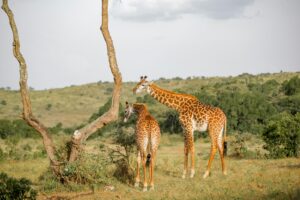
- Giraffes
- Elands
- Topis
- Hartebeests
- Impalas
- Thomson’s gazelles
- Grant’s gazelles
- Warthogs
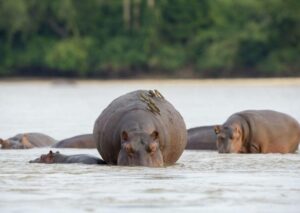
- Hippos
Each game drive is different because the animals move freely throughout the ecosystem.
Understanding the Great Migration
The Great Migration is one of the main reasons travelers book a Tanzania safari tour Serengeti holiday. Approximately two million wildebeest, zebras, and gazelles move through the Serengeti ecosystem in search of fresh grass and water.
The migration is continuous, but its location changes throughout the year according to rainfall and grazing conditions. Because it is a natural event, exact dates and animal locations can never be guaranteed.
December to March: Southern Serengeti and Ndutu
During the green season, large herds gather across the Southern Serengeti and Ndutu plains. The short grass provides nutritious food and excellent visibility.
The calving season usually reaches its peak between January and February. Thousands of wildebeest calves can be born within a short period, attracting lions, cheetahs, hyenas, and other predators.
This is an excellent season for wildlife photography, predator activity, and dramatic natural encounters.
April to June: Central and Western Serengeti
As the southern plains begin to dry, the herds move north through the Central Serengeti. Some animals continue toward the Western Corridor.
The migration may form long columns stretching across the plains. River crossings can sometimes occur around the Grumeti River, although their timing depends on rainfall.
July to October: Northern Serengeti
Between July and October, many herds reach the Northern Serengeti. This period is known for possible crossings of the Mara River.
River crossings are unpredictable. Travelers may wait for hours or days before the animals decide to cross. When a crossing happens, it can be one of the most powerful wildlife spectacles in Africa.
November: Return Toward the South
Following seasonal rains, the herds gradually move from northern areas toward the Central and Southern Serengeti. November can offer rewarding wildlife viewing with fewer visitors than the main peak months.
Best Time to Visit the Serengeti
The Serengeti is a year-round safari destination. The best month depends on the experience you want.
June to October
This is Tanzania’s dry season. Vegetation becomes thinner, animals concentrate around water, and wildlife can be easier to locate.
Advantages include:
- Excellent general wildlife viewing
- Comfortable daytime conditions
- Lower rainfall
- Possible migration viewing in western and northern areas
Because it is a popular travel season, lodges and camps can fill quickly. Early reservations are highly recommended.
December to March
This period is ideal for travelers interested in the Southern Serengeti, Ndutu, calving season, green scenery, and predator activity.
January and February are especially popular, so accommodations close to the migration should be reserved early.
April and May
These are generally the wettest months. Some travelers avoid this period, but it can still offer beautiful scenery, fewer vehicles, excellent birding, and attractive seasonal prices.
Road conditions can be more challenging, and some seasonal camps close temporarily.
November
November usually brings short rains. The landscape starts becoming green, visitor numbers may be lower, and wildlife viewing remains rewarding.
Main Areas of the Serengeti
Understanding the different regions will help you choose the right itinerary.
Central Serengeti
The Central Serengeti, particularly the Seronera Valley, is one of the park’s most reliable year-round wildlife areas. It contains permanent water and varied habitats that support resident animals.
It is especially well known for lions, leopards, cheetahs, elephants, hippos, giraffes, and abundant birdlife. Central Serengeti is an excellent choice for first-time visitors.
Southern Serengeti and Ndutu
The southern plains are associated with the migration’s calving season. This region is most productive from December through March.
Ndutu lies within the Ngorongoro Conservation Area and connects naturally with the Serengeti ecosystem. Mobile camps often operate here during the migration season.
Western Corridor
The Western Corridor follows the Grumeti River and includes woodland, grassland, and riverine habitats. Migration herds may pass through this region from approximately May to July.
The area is home to Nile crocodiles, hippos, elephants, buffaloes, predators, and many resident antelope species.
Northern Serengeti
Northern Serengeti is remote, scenic, and generally quieter than the central region. It becomes particularly popular between July and October when migration herds may approach the Mara River.
Travelers should plan at least two or three nights in the north because of its distance from Central Serengeti.
Recommended Serengeti Safari Itineraries
Three-Day Serengeti and Ngorongoro Safari
This is a suitable option for travelers with limited time.
Day 1: Travel from Arusha to Serengeti National Park and enjoy an afternoon game drive.
Day 2: Morning game drive in the Serengeti, followed by travel toward the Ngorongoro Conservation Area.
Day 3: Descend into the Ngorongoro Crater for a game drive before returning to Arusha.
Although rewarding, this program includes substantial driving and limited time inside the Serengeti.
Four-Day Northern Circuit Safari
A four-day itinerary offers a more balanced experience.
Day 1: Arusha to Tarangire National Park
Day 2: Travel to Serengeti National Park
Day 3: Serengeti game drive and transfer toward Ngorongoro
Day 4: Ngorongoro Crater game drive and return to Arusha
This program combines elephants in Tarangire, the plains of Serengeti, and the concentrated wildlife of Ngorongoro.
Five-Day Tanzania Safari
Five days allow travelers to explore at a more comfortable pace.
Day 1: Tarangire National Park
Day 2: Transfer to Serengeti with an afternoon game drive
Day 3: Full-day Serengeti game drive
Day 4: Morning Serengeti safari and transfer to Ngorongoro
Day 5: Ngorongoro Crater and return to Arusha
An additional night in the Serengeti increases the chance of meaningful sightings and reduces the feeling of rushing between destinations.
Seven-Day Serengeti Holiday
A longer safari can include Tarangire, Lake Manyara, Central Serengeti, Ngorongoro, and a cultural experience. Seasonal itineraries may replace some destinations with Ndutu or Northern Serengeti.
Seven days are ideal for honeymooners, photographers, families, and travelers who want a relaxed journey.
Private Safari or Group Safari?
Both options can provide an enjoyable experience, but they suit different travelers.
Private Serengeti Safari
A private safari gives you exclusive use of a vehicle and guide. You can usually adjust departure times, spend longer at important sightings, and design the itinerary around your interests.
It is ideal for:
- Couples and honeymooners
- Families
- Photographers
- Travelers seeking flexibility
- Small groups of friends
- Visitors requesting a guide who speaks a specific language
Private tours become better value when the cost is shared among several travelers.
Shared Group Safari
A group safari allows travelers to share the vehicle and some operating costs. It is often the most affordable way for solo travelers or couples to visit the Serengeti.
Group tours follow fixed itineraries and schedules. Travelers should confirm the maximum number of passengers, accommodation standard, luggage allowance, and guaranteed departure status before booking.
Serengeti Accommodation Options
Budget Camping
Camping safaris offer an adventurous and affordable experience. Public campsites usually have shared toilets and showers.
A camping package normally includes tents, mattresses, sleeping bags, meals, a safari chef, park fees, and transportation. Facilities are simple, but sleeping close to the sounds of the wilderness can be unforgettable.
Mid-Range Tented Camps
Mid-range tented camps provide a comfortable balance between price and experience. Rooms are normally built under canvas but include proper beds, private bathrooms, and showers.
Many camps offer restaurant tents, lounge areas, charging facilities, and warm hospitality. Some are permanent, while others move seasonally to remain close to the migration.
Luxury Lodges and Camps
Luxury accommodation may include spacious suites, premium dining, private decks, swimming pools, elegant lounges, and highly personalized service.
Some luxury camps are located in secluded private areas, creating a more intimate experience. Fly-in packages can reduce driving time and maximize time in the wilderness.
What Does a Serengeti Safari Package Include?
Package inclusions vary, but a well-organized safari commonly covers:
- Transportation in a 4×4 safari vehicle
- Professional English-speaking guide
- National park and conservation fees
- Accommodation
- Meals during the safari
- Drinking water
- Game drives
- Crater service fees when Ngorongoro is included
- Government taxes
- Airport or hotel transfers when stated
Possible exclusions include international flights, visas, travel insurance, tips, alcoholic beverages, optional activities, and personal expenses.
Always examine the written inclusions before comparing prices. The cheapest quotation may exclude important park fees, transfers, meals, or accommodation services.
How Much Does a Serengeti Holiday Cost?
The price depends on:
- Number of safari days
- Private or shared transportation
- Number of travelers
- Accommodation category
- Travel season
- Area of the Serengeti visited
- Road safari or fly-in arrangement
- Optional activities
- Airport transfers and additional hotel nights
Budget camping offers the lowest entry price. Mid-range safaris provide greater comfort, while luxury and fly-in tours cost more because of premium accommodations and air transfers.
When evaluating a price, consider overall value rather than choosing only the lowest figure. An experienced guide, reliable vehicle, carefully selected accommodation, sufficient game-drive time, and transparent inclusions can significantly improve your holiday.
Combining Serengeti with Other Destinations
Ngorongoro Crater
Ngorongoro is one of the easiest additions to a Serengeti itinerary. Its crater floor supports lions, buffaloes, elephants, zebras, wildebeest, hippos, and many other animals.
Tarangire National Park
Tarangire is famous for elephants, baobab trees, and beautiful river landscapes. It works particularly well as the first destination when driving from Arusha.
Lake Manyara National Park
Lake Manyara offers groundwater forest, birdlife, primates, and views of the Rift Valley escarpment. It can be included in longer Northern Circuit itineraries.
Zanzibar
After several days of early game drives and overland travel, Zanzibar provides an excellent place to relax. Travelers can enjoy beaches, Stone Town, spice tours, snorkeling, and cultural activities.
Domestic flights connect the Serengeti or Arusha region with Zanzibar, making a safari-and-beach holiday easy to arrange.
Optional Serengeti Activities
Hot-Air Balloon Safari
A balloon safari begins before sunrise and offers panoramic views over the plains. Flights normally last around one hour and often finish with a celebration and breakfast.
The activity requires advance booking, especially during peak season.
Cultural Visits
Some itineraries include visits to Maasai communities. A responsible cultural experience should be respectful, transparent, and beneficial to the participating community.
Wildlife Photography
Private vehicles are especially valuable for serious photographers because they provide more control over positioning and time spent at sightings.
Bring spare batteries, memory cards, a protective camera bag, and a lens suitable for distant animals.
What to Pack for Your Safari
Recommended items include:
- Lightweight neutral-colored clothing
- Warm jacket for mornings and evenings
- Comfortable closed shoes
- Sun hat and sunglasses
- Sunscreen
- Insect repellent
- Camera and spare batteries
- Binoculars
- Reusable water bottle
- Personal medication
- Small first-aid supplies
- Passport and travel documents
- Soft-sided travel bag
Temperatures can change considerably during the day. Dressing in layers makes it easier to remain comfortable.
Avoid packing only heavy or formal clothing. Safari lodges generally have relaxed dress codes.
Important Planning Tips
Book Early
Migration camps, luxury lodges, and popular mid-range properties can fill quickly during peak periods. Reserve early if you have fixed travel dates.
Allow Enough Time
A rushed itinerary may involve long drives and short game drives. If possible, allocate at least two nights to the Serengeti.
For Northern Serengeti or Ndutu migration safaris, three or more nights in the relevant region can provide a better experience.
Choose the Correct Region
The migration is not permanently located in one part of the park. Match your travel dates with the most suitable Serengeti region.
Use a Licensed Tour Operator
Choose an established Tanzania safari company with clear contact information, written booking terms, secure payment methods, and transparent inclusions.
Purchase Travel Insurance
Comprehensive insurance should cover medical emergencies, evacuation, cancellation, delayed luggage, and unexpected itinerary disruption.
Maintain Realistic Expectations
The Serengeti is a natural ecosystem, not a zoo. Guides use knowledge and experience to locate animals, but specific sightings and migration events cannot be guaranteed.
Responsible Serengeti Travel
Responsible tourism helps protect wildlife and support surrounding communities.
Travelers should:
- Follow park rules
- Avoid littering
- Never feed wild animals
- Keep noise low at sightings
- Respect the guide’s instructions
- Maintain a safe distance from wildlife
- Avoid pressuring guides to drive off permitted tracks
- Use water and electricity responsibly
- Choose ethical wildlife and cultural activities
A good guide will prioritize safety, respect for nature, and the long-term protection of the environment.
Start Planning Your Serengeti Adventure
A Tanzania safari tour Serengeti holiday offers remarkable wildlife, unforgettable landscapes, exciting game drives, and accommodation options for almost every travel style.
The most successful holiday begins with the right season, region, itinerary, and safari operator. Whether you want to follow the Great Migration, photograph big cats, enjoy a romantic honeymoon, or introduce your family to African wildlife, the Serengeti provides an experience that can remain with you for a lifetime.
Start planning early, communicate your priorities clearly, and select an itinerary that gives you enough time to appreciate the wilderness. The Serengeti is not simply a destination to visit—it is a living landscape to experience.