Skip to content
The Serengeti is one of Africa’s most celebrated wildlife destinations. Its endless plains, abundant predators and enormous migrating herds make it an essential stop on a Tanzania safari tour.
However, planning a Serengeti safari requires more than choosing travel dates. The animals move throughout the ecosystem, driving distances can be long, and every Serengeti region offers a different experience. Your itinerary should match the season, available time, preferred comfort level and wildlife interests.
This Tanzania safari tour Serengeti travel guide explains everything you need to know before visiting, including the best travel seasons, park regions, safari costs, accommodation choices, suggested itineraries and answers to frequently asked questions.
Why Visit Serengeti National Park?
Serengeti National Park protects approximately 1.5 million hectares of savannah and is internationally recognised for its biodiversity and annual wildlife migration. It became a UNESCO World Heritage Site in 1981. UNESCO World Heritage Centre
The Serengeti offers travelers:
- Excellent wildlife viewing throughout the year
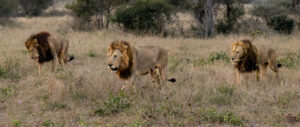
- Large populations of lions and other predators
- Seasonal Great Migration experiences
- Beautiful grasslands, woodlands, rivers and rocky kopjes
- Accommodation ranging from public campsites to luxury lodges
- Easy combinations with Ngorongoro Crater and Tarangire
- Optional balloon safaris and cultural activities
- Professional photographic safari opportunities
Although the migration attracts worldwide attention, resident wildlife makes the Serengeti worth visiting during every month of the year.
Animals You Can See in the Serengeti
The Serengeti supports an exceptional variety of animals. Sightings are never guaranteed because the wildlife is completely free, but travelers may encounter:
- Lions
- Leopards
- Cheetahs
- African elephants
- Cape buffaloes
- Giraffes
- Hippos
- Spotted hyenas
- Jackals
- Warthogs
- Crocodiles
- Elands
- Topis
- Impalas
- Gazelles
- Zebras
- Wildebeest
Black rhinoceroses also live within the wider ecosystem, although they are less frequently seen in the Serengeti than in Ngorongoro Crater.
The park is equally rewarding for bird enthusiasts. Hundreds of resident and migratory bird species can be observed across its rivers, woodlands, grasslands and seasonal wetlands.
Understanding the Different Serengeti Regions
The Serengeti is enormous, so selecting the correct area is an important part of safari planning.
Central Serengeti
Central Serengeti, particularly the Seronera Valley, is the most dependable region for year-round game viewing. Permanent water sources attract resident animals, while the combination of grassland, woodland and rocky kopjes creates excellent predator habitat.
Central Serengeti is particularly suitable for first-time travelers because it offers:
- Reliable lion sightings
- Good possibilities of seeing leopards
- Resident elephants and giraffes
- Numerous accommodation choices
- Access to Seronera Airstrip
- Convenient connections with Ngorongoro
Travelers who are not visiting during a specific migration season should normally include Central Serengeti in their itinerary.
Southern Serengeti and Ndutu
The short-grass plains around Ndutu become especially important during the calving season. Although commonly described as Southern Serengeti, much of the Ndutu area lies inside the Ngorongoro Conservation Area.
From approximately December through March, migrating herds gather on these nutrient-rich plains. January and February are normally the most popular months for calving experiences.
This region is known for:
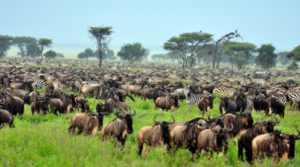
- Large concentrations of wildebeest and zebras
- Newborn calves
- Cheetah sightings
- Lions and spotted hyenas
- Open landscapes suitable for photography
Seasonal rainfall determines the animals’ exact movements, so migration locations cannot be guaranteed.
Western Corridor
The Western Corridor includes the Grumeti and Mbalageti river systems. The migration often moves through this area between approximately May and July, depending on rainfall.
Its riverine forests and open plains create a different environment from Central Serengeti. Travelers may see large herds, crocodiles, hippos and predators following the migration.
Northern Serengeti
Northern Serengeti stretches toward the Tanzanian border with Kenya. It is remote, scenic and particularly famous for the Mara River.
The region is most popular from July through October, when migrating wildebeest may attempt dramatic river crossings. Crossings are natural, unpredictable events. They may occur early, late or several times during the season.
Northern Serengeti requires additional travel time and is generally better suited to a private safari or fly-in itinerary. Standard shared camping safaris normally visit Central Serengeti rather than the far north.
The Great Wildebeest Migration
The Great Migration is a continuous natural movement involving wildebeest, zebras and gazelles. The animals travel through the Serengeti–Mara ecosystem in search of fresh grass and water.
A general migration pattern is:
| Period | Likely region | Main experience |
|---|---|---|
| December–March | Ndutu and southern plains | Calving and predator activity |
| April–May | Central and western areas | Moving herds and green landscapes |
| May–July | Western Corridor | Grumeti region and traveling herds |
| July–October | Northern Serengeti | Mara River season |
| October–December | Northern and Central Serengeti | Herds moving southward |
This calendar should be treated as guidance rather than a promise. Rain controls the migration, and nature does not follow fixed dates.
A reputable operator should recommend accommodation according to the likely herd location while explaining that sightings and river crossings cannot be guaranteed.
Best Time for a Tanzania Safari Tour in the Serengeti
There is no single bad month to visit. The best period depends on your priorities.
June to October: Dry Season
The dry season is popular because vegetation becomes thinner and animals often gather near reliable water sources.
Advantages include:
- Generally excellent wildlife viewing
- Lower rainfall
- Comfortable driving conditions
- Popular Northern Serengeti migration season
Possible disadvantages include higher accommodation demand, busier wildlife areas and premium-season rates.
November to March: Green Season and Calving Period
Short rains usually transform the plains into green landscapes. Migratory birds arrive, young animals appear and photography conditions can be beautiful.
From late December onward, migration-focused trips often travel toward Ndutu. January and February are especially popular for calving safaris.
This season may offer:
- Green scenery
- Dramatic skies
- Fewer visitors in some areas
- Excellent predator activity
- Seasonal calving experiences
April and May: Long-Rain Period
April and May generally receive more rain. Some camps close temporarily, and certain roads can become challenging. However, travelers who accept unpredictable weather may enjoy quieter game drives, green scenery and seasonal offers.
How Many Days Do You Need in the Serengeti?
Two nights is a practical minimum, but three or four nights provide a more relaxed experience.
A short itinerary may involve substantial driving and limited time in different areas. Travelers interested in photography, the Great Migration or Northern Serengeti should consider additional nights.
Three-Day Serengeti and Ngorongoro Safari
A compact itinerary may include:
Day 1: Drive from Arusha to Serengeti National Park and enjoy an afternoon game drive.
Day 2: Morning Serengeti game drive, followed by travel toward Ngorongoro.
Day 3: Descend into Ngorongoro Crater and return to Arusha.
This is suitable for travelers with limited time, although the first day includes a long journey.
Four-Day Northern Circuit Safari
Day 1: Arusha to Tarangire National Park
Day 2: Tarangire or Karatu to Serengeti
Day 3: Serengeti to Ngorongoro
Day 4: Ngorongoro Crater and return to Arusha
This is one of the most popular introductory safari routes.
Five-Day Tanzania Safari Tour
Day 1: Tarangire National Park
Day 2: Travel to Central Serengeti
Day 3: Full-day Serengeti game drive
Day 4: Serengeti to Ngorongoro
Day 5: Ngorongoro Crater and return to Arusha
The full day in the Serengeti makes this itinerary more comfortable than shorter alternatives.
Seven-Day Migration Safari
A longer private itinerary can include:
- Tarangire National Park
- Central Serengeti
- Northern Serengeti or Ndutu
- Ngorongoro Crater
- Optional Lake Manyara
- Optional balloon safari
The exact route should follow the likely seasonal migration location.
Shared Versus Private Serengeti Safaris
Shared Safari
A shared safari allows individual travelers and small parties to join other guests in the same vehicle. It is usually the most affordable option.
A quality shared safari commonly provides:
- A 4×4 Land Cruiser
- Pop-up viewing roof
- English-speaking guide
- Guaranteed window seat
- Camping equipment when applicable
- Meals and drinking water
- Park and conservation fees
Shared itineraries follow a fixed route and schedule. Remote locations such as Northern Serengeti and seasonal Ndutu programs are generally unsuitable for standard joining groups.
Private Safari
A private safari gives your party exclusive use of the vehicle and guide. It offers more control over departure times, sightings, accommodation and daily activities.
A private option is particularly valuable for:
- Families
- Honeymooners
- Photographers
- Travelers requiring a special diet
- Guests wanting a language-specific guide
- Northern Serengeti itineraries
- Fly-in safaris
- Travelers who prefer luxury lodges
Serengeti Accommodation Options
Public Camping
Public camping is the most affordable and adventurous choice. Packages generally provide a tent, mattress, sleeping bag and pillow. A safari chef prepares meals, while toilets and showers are shared.
Public campsites are not fenced, so animals may move through the surrounding area. Guests must follow their guide’s safety instructions.
Tented Camps
Tented camps provide permanent or seasonal canvas rooms with proper beds. Many offer private bathrooms, hot showers, dining areas and electricity during designated hours.
They combine closeness to nature with greater comfort than public camping.
Safari Lodges
Lodges are permanent properties with solid rooms and extensive facilities. Depending on the category, they may offer swimming pools, Wi-Fi, bars, restaurants and private terraces.
Luxury Mobile Camps
Migration camps move seasonally or operate in strategic migration regions. They are an excellent choice for travelers whose main objective is following the herds.
Driving or Flying to the Serengeti
Most classic safaris begin in Arusha and travel by road through the Northern Circuit. Driving allows guests to combine the Serengeti with Tarangire, Lake Manyara and Ngorongoro.
A fly-in safari uses scheduled light aircraft to reach airstrips such as Seronera or Kogatende. This reduces long driving sections and is useful for travelers arriving from Zanzibar.
Advantages of flying include:
- More time inside the park
- Easier access to remote regions
- Convenient Zanzibar connections
- Reduced road fatigue
Domestic flights normally have stricter luggage limitations than international flights. Soft-sided bags are strongly recommended, and passengers should confirm the latest allowance with their airline.
Serengeti Safari Costs
The cost of a Tanzania safari tour varies considerably. Important factors include:
- Number of travelers
- Shared or private vehicle
- Number of safari days
- Accommodation category
- Travel season
- Domestic flights
- Northern Serengeti or Ndutu routing
- Optional activities
- Airport transfers
- Park and concession fees
Camping safaris are normally the most affordable, followed by mid-range tented camps and luxury lodges.
When comparing quotations, verify whether the price includes:
- Park entrance fees
- Ngorongoro fees
- Safari vehicle
- Professional guide
- Accommodation
- Meals
- Drinking water
- Government taxes
- Camping equipment
- Airport transfers
- Domestic flights
Alcohol, visas, international flights, personal purchases, travel insurance and gratuities are commonly excluded.
Because official fees and supplier rates can change, travelers should request a current written quotation instead of depending on an old online price.
Optional Serengeti Activities
Balloon Safari
A balloon safari begins before sunrise and provides panoramic views over the plains. The flight is normally followed by breakfast in the bush.
Balloon flights are subject to availability and weather conditions, so early booking is recommended.
Maasai Cultural Visit
A cultural visit may be added near the Serengeti or Ngorongoro route. Choose a respectful experience that encourages genuine interaction and directly benefits the host community.
Olduvai Gorge
Olduvai Gorge is an important archaeological and paleoanthropological location within the Ngorongoro Conservation Area. It can be incorporated when traveling between Ngorongoro and Serengeti.
What to Pack for the Serengeti
Bring comfortable and practical clothing in neutral colors.
Recommended items include:
- Lightweight shirts and trousers
- Warm jacket or fleece
- Comfortable closed shoes
- Sun hat
- Sunglasses
- Sunscreen
- Insect repellent
- Camera and spare batteries
- Binoculars
- Reusable water bottle
- Personal medication
- Small backpack
- Soft-sided travel bag
- Power bank
- Copies of important documents
Mornings can be cold, particularly near Ngorongoro. Layered clothing will help you adjust as temperatures rise.
Avoid camouflage clothing, which may be restricted or considered inappropriate in some destinations.
Safari Safety and Responsible Travel
Remain inside the vehicle unless your guide confirms that leaving is permitted. Never feed animals, make loud noises at sightings or ask the guide to drive off designated roads where this is prohibited.
Responsible travelers should:
- Maintain a safe distance from wildlife
- Avoid blocking animals’ paths
- Reduce single-use plastic
- Never leave waste in the park
- Respect local communities
- Follow campsite safety procedures
- Choose responsible safari companies
- Avoid pressuring guides to break park regulations
Wildlife always has priority.
Plan Your Tanzania Safari Tour
A successful Serengeti safari begins with a well-designed route. Choose your travel season according to the wildlife experience you want, allow enough time inside the park and select accommodation that fits your preferred comfort level.
Kilipath African Safaris can arrange shared camping adventures, private lodge safaris, migration itineraries, family tours, honeymoons and fly-in packages from Zanzibar.
Contact Kilipath African Safaris today for a personalized Serengeti itinerary and current quotation. Let us help you experience the wildlife, landscapes and unforgettable atmosphere of Tanzania’s most famous national park.