Skip to content

A Tanzania safari tour Serengeti vacation is one of the most exciting ways to experience Africa’s wildlife, open savannahs, spectacular sunsets, and the legendary Great Wildebeest Migration. Located in northern Tanzania, Serengeti National Park is famous for enormous wildlife populations, excellent predator sightings, dramatic landscapes, and year-round game viewing.
Whether you are planning your first African safari, a honeymoon, a family adventure, a private photographic journey, or a short wildlife trip from Zanzibar, a Serengeti vacation can be designed around your travel dates, budget, accommodation preference, and wildlife interests.
The Serengeti is also a UNESCO World Heritage Site covering approximately 1.5 million hectares of savannah. UNESCO describes its annual movement of wildebeest, zebras, gazelles, and their predators as one of the world’s most impressive natural spectacles.
This complete guide answers the most important questions travelers ask when planning a Tanzania safari tour Serengeti vacation.
Why Choose a Tanzania Safari Tour Serengeti Vacation?
The Serengeti represents the classic image many travelers have of an African safari: endless golden plains, acacia trees, rocky kopjes, wandering elephants, grazing giraffes, large herds of zebra and wildebeest, and lions resting beside safari tracks.
A Serengeti safari is particularly attractive because wildlife viewing is possible throughout the year.
Travelers may encounter:
- Lions
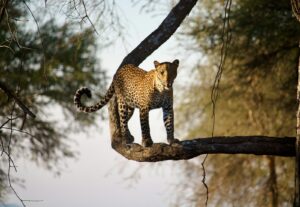
- Leopards
- Cheetahs
- Elephants
- Buffaloes
- Giraffes
- Zebras
- Wildebeest
- Hippos
- Hyenas
- Jackals
- Warthogs
- Topi
- Eland
- Gazelles
- Crocodiles
- Numerous bird species
UNESCO notes that the greater Serengeti ecosystem supports extraordinary predator-prey interactions and hundreds of bird species.
For many visitors, however, the main attraction is not simply checking animals off a list. It is watching wildlife behave naturally in an enormous ecosystem.
You may spend one morning following a pride of lions, another watching elephants cross the plains, and the afternoon observing cheetahs scanning the grasslands.
Every game drive is different.
What Is the Serengeti Famous For?
Serengeti National Park is best known for the Great Wildebeest Migration, one of the largest wildlife movements on Earth.
Huge numbers of wildebeest travel through the Serengeti ecosystem together with zebras and gazelles as they search for fresh grazing and water. Predators including lions, cheetahs, leopards, hyenas, and crocodiles follow or intercept the herds.
The migration is not a single event occurring during one particular week. It is a continuous seasonal movement influenced primarily by rainfall and grazing conditions.
This means choosing the correct part of the Serengeti for your travel month is extremely important.
What Is the Best Time for a Tanzania Safari Tour Serengeti Vacation?
There is no single bad month for visiting the Serengeti.
The best period depends on what you want to see.
Tanzania National Parks describes June through October as the dry season, when wildlife is generally easier to locate around water sources. November and December bring short rains and greener scenery, while March through May is generally the longer rainy period.
January to March – Calving Season
January, February, and early March are excellent for travelers interested in the wildebeest calving season.
Large concentrations of wildebeest gather in the southern Serengeti and Ndutu ecosystem when conditions are suitable.
Thousands of calves are born during this season, attracting lions, cheetahs, hyenas, and other predators.
TANAPA promoted late January through March as the 2026 Serengeti calving season.
This period is especially rewarding for:
- Wildlife photographers
- Predator enthusiasts
- Returning safari travelers
- Honeymooners
- Travelers interested in baby animals
- Visitors looking for dramatic wildlife encounters
April to May – Green Season
April and May are greener months.
The landscapes become lush and dramatic, with impressive clouds and beautiful photographic conditions.
There may be rainfall, and some roads can become muddy. However, visitors may also encounter fewer safari vehicles in certain areas.
The migration usually begins moving away from the southern plains as grazing conditions change.
Travelers who appreciate green scenery and quieter safari conditions may enjoy this period.
June to July – Western and Northern Movement
During June and July, large herds often continue moving toward the western and northern sections of the Serengeti ecosystem.
Depending on rainfall patterns, travelers may witness enormous columns of wildebeest and zebra.
This is also the beginning of Tanzania’s popular dry-season safari period.
July to October – Northern Serengeti
Northern Serengeti becomes particularly important during these months.
Travelers frequently choose areas around Kogatende and the Mara River when hoping to see migrating herds and possible river crossings.
However, river crossings cannot be scheduled like a performance.
Wild animals decide when and where they move.
A professional safari operator should never guarantee a river crossing on a particular date.
Instead, a good itinerary allows enough time in the appropriate region to increase your chances of seeing migration activity.
November to December – Returning Herds
Short rains usually bring greener conditions, and the migrating animals gradually begin moving south again.
November and December can therefore offer excellent game viewing combined with beautiful scenery.
Which Part of Serengeti Should I Visit?
The Serengeti is enormous, and different regions provide different experiences.
Central Serengeti – Seronera
Central Serengeti is one of the best areas for first-time visitors.
The Seronera region contains permanent water sources and supports wildlife throughout much of the year.
It is particularly famous for predators.
Possible sightings include:
- Lions
- Leopards
- Cheetahs
- Hyenas
- Elephants
- Giraffes
- Buffaloes
- Hippos
- Antelopes
Central Serengeti also works extremely well when combining Serengeti with Ngorongoro Crater, Tarangire National Park, or Lake Manyara.
If you only have a limited number of safari days, Central Serengeti is often the most practical choice.
Northern Serengeti
Northern Serengeti offers beautiful landscapes and is particularly famous during the migration season when wildebeest may gather around the Mara River.
The region is considerably farther from Arusha than Central Serengeti.
For travelers with limited time, flying into or out of northern Serengeti can reduce long driving days.
Northern Serengeti is best suited to travelers who have enough time to explore the region properly.
Western Serengeti
Western Serengeti includes the Western Corridor and areas around the Grumeti River.
It becomes especially interesting during particular stages of the Great Migration.
The landscape differs from the open plains found farther east and can provide excellent wildlife experiences with fewer visitors in some periods.
Southern Serengeti and Ndutu
Southern Serengeti and the neighboring Ndutu region become particularly important during the green and calving season.
Travelers visiting from approximately December through March frequently include Ndutu when migration viewing is a major priority.
Your safari itinerary should therefore match both the month of travel and the expected location of the migrating herds.
How Many Days Do I Need in Serengeti?
For most travelers, two to four days in the Serengeti provides a rewarding experience.
However, the ideal amount of time depends on your route.
3-Day Serengeti Safari
A short three-day itinerary may include:
Day 1: Arusha to Serengeti
Day 2: Serengeti game drive
Day 3: Serengeti to Ngorongoro or Arusha
This option works for travelers with limited time, although driving distances can be substantial.
4-Day Safari
A four-day route can combine:
Day 1: Arusha – Tarangire
Day 2: Tarangire/Karatu – Serengeti
Day 3: Serengeti – Ngorongoro
Day 4: Ngorongoro Crater – Arusha
This is one of the most popular northern Tanzania safari combinations.
5-Day Safari
A five-day itinerary offers more relaxed wildlife viewing.
For example:
Day 1: Tarangire
Day 2: Central Serengeti
Day 3: Full-day Serengeti
Day 4: Serengeti – Ngorongoro
Day 5: Ngorongoro Crater – Arusha
6- to 8-Day Safari
Travelers wanting a more comprehensive experience can spend six to eight days combining Serengeti with:
- Tarangire
- Ngorongoro Crater
- Lake Manyara
- Ndutu
- Northern Serengeti
- Cultural activities
Longer itineraries are particularly useful for photography, honeymoon travel, migration safaris, and private tours.
Is Serengeti Worth Visiting Without the Great Migration?
Absolutely.
One common misconception is that Serengeti is only worth visiting when the migration is nearby.
That is incorrect.
The Serengeti contains resident wildlife throughout the year.
Even when major wildebeest concentrations are in another part of the ecosystem, visitors can still see lions, elephants, giraffes, buffaloes, hippos, zebras, antelopes, hyenas, cheetahs, and potentially leopards.
The UNESCO-listed ecosystem is especially significant for its remarkable abundance and diversity of large mammals and predators.
For first-time safari travelers, a normal Central Serengeti game drive can be spectacular regardless of migration timing.
What Happens During a Serengeti Game Drive?
Game drives normally begin in a 4×4 safari vehicle with an experienced guide.
Early mornings are particularly rewarding because temperatures are cooler and many animals are active.
Your guide searches for wildlife while explaining animal behavior, habitats, ecosystems, and tracks.
A typical day may involve driving slowly through grasslands, stopping at sightings, taking photographs, and having lunch at a designated picnic location.
A quality safari should not feel like simply driving from one animal to another.
There should be time to observe.
Watching a lion pride interact for thirty minutes can sometimes be more memorable than rushing to see ten different species.
What Safari Vehicle Is Used in Serengeti?
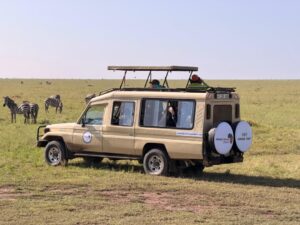
Most Tanzania safaris use customized 4×4 Land Cruiser safari vehicles.
A suitable safari vehicle normally includes:
- Pop-up roof for wildlife viewing
- Large windows
- Comfortable safari seats
- Charging points
- Storage space
- First-aid equipment
- Radio communication
- Cooler or refrigerator for drinks
- Seat belts
The pop-up roof allows travelers to stand safely inside the vehicle while photographing wildlife.
For private safaris, the vehicle and guide are dedicated exclusively to your party.
Private or Shared Serengeti Safari: Which Is Better?
Both options can work well.
Private Serengeti Safari
A private safari gives you greater flexibility.
You decide how long to stay at wildlife sightings, when to leave camp, and how much time to spend photographing particular animals.
Private safari is excellent for:
- Couples
- Honeymooners
- Families
- Photographers
- Groups of friends
- Travelers wanting flexibility
- Travelers visiting remote migration areas
Shared Serengeti Safari
A shared safari allows several travelers to share the vehicle and operating costs.
It can be an excellent option for:
- Solo travelers
- Budget-conscious visitors
- Backpackers
- Social travelers
- Visitors with fixed travel dates
Shared safaris normally follow a more structured itinerary because everyone in the vehicle must follow the same program.
If migration tracking or remote Northern Serengeti exploration is your highest priority, a private safari generally provides greater routing flexibility.
What Accommodation Is Available in Serengeti?
Serengeti offers accommodation for many budgets.
Budget Camping
Public camping safaris provide one of the closest experiences to nature.
Travelers normally sleep in tents at designated campsites and use shared bathroom facilities.
Camping is ideal for adventurous travelers who want to reduce accommodation costs.
Mid-Range Tented Camps
Mid-range tented camps provide considerably more comfort while maintaining a strong connection with the wilderness.
Rooms often include:
- Proper beds
- Private bathrooms
- Hot showers
- Dining areas
- Electricity or solar power
- Comfortable seating
Tented camps are extremely popular for couples and first-time safari travelers.
Luxury Safari Camps and Lodges
Luxury accommodation may include:
- Spacious suites
- Premium bedding
- Gourmet dining
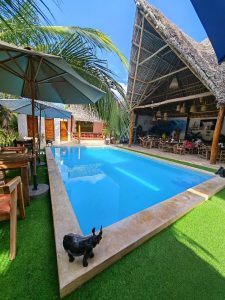
- Swimming pools
- Private verandas
- Exceptional views
- Personalized service
- Luxury bush experiences
A luxury Serengeti vacation can also be combined with a Zanzibar beach holiday.
Can I Visit Serengeti From Zanzibar?
Yes.
Combining Zanzibar with Serengeti is extremely popular.
Travelers generally have two options.
Zanzibar to Arusha
You can fly from Zanzibar to Arusha or Kilimanjaro and begin a northern circuit safari.
This works particularly well when combining Serengeti with Tarangire and Ngorongoro.
Fly Directly Into Serengeti
Domestic flights can also connect Zanzibar with airstrips serving the Serengeti.
A fly-in safari reduces road travel and works well for travelers who have limited vacation time.
For example, a traveler might:
Day 1: Fly Zanzibar to Serengeti and game drive
Day 2: Full-day Serengeti
Day 3: Serengeti to Ngorongoro
Day 4: Ngorongoro Crater and onward travel
Exact flight schedules vary and should be checked when confirming your trip.
Can Serengeti Be Combined With Ngorongoro Crater?
Yes, and this is one of Tanzania’s strongest safari combinations.
Serengeti provides enormous open landscapes and extensive game drives.
Ngorongoro offers a very different environment inside a volcanic caldera.
Combining them creates excellent variety.
A common route is:
Arusha → Tarangire → Serengeti → Ngorongoro → Arusha
Travelers with fewer days may simply do:
Arusha → Serengeti → Ngorongoro → Arusha
Can I Combine Serengeti With Tarangire?
Yes.
Tarangire is particularly famous for elephants, baobab trees, and beautiful dry-season wildlife concentrations.
Adding Tarangire gives your Tanzania safari more landscape diversity.
A classic itinerary could include:
- 1 day Tarangire
- 2 days Serengeti
- 1 day Ngorongoro
This is an excellent choice for first-time visitors.
What Is the Great Wildebeest Migration?
The Great Migration is a continuous movement of enormous herds across the Serengeti-Mara ecosystem.
Animals move in response to rainfall, fresh grass, water, and seasonal conditions.
The cycle generally includes:
- Southern plains and calving season
- Movement toward Central Serengeti
- Western migration
- Northern movement
- Mara River region
- Return south
However, rainfall changes from year to year.
For this reason, migration locations are always approximate rather than guaranteed.
Can I See the Big Five in Serengeti?
Serengeti offers opportunities to see many iconic African animals.
Lion, leopard, elephant, and buffalo can all occur within the Serengeti ecosystem.
Black rhino is considerably more difficult to encounter.
Travelers specifically interested in maximizing their chances of seeing the traditional Big Five often combine Serengeti with Ngorongoro Crater, where rhino sightings may be possible.
No responsible operator should promise sightings of particular wild animals.
Safari experiences always depend on nature.
Is Serengeti Good for Families?
Yes.
A Tanzania safari tour Serengeti vacation can be an unforgettable family experience.
Children can learn about:
- Wildlife
- Conservation
- African ecosystems
- Animal behavior
- Geography
- Local culture
Private safaris are particularly convenient for families because parents can control departure times and rest stops more easily.
When traveling with young children, consider shorter driving days and comfortable lodges with family rooms.
Is Serengeti Good for Honeymoons?
Serengeti is one of Tanzania’s best honeymoon destinations.
Couples can combine:
- Private game drives
- Romantic tented camps
- Bush dinners
- Luxury lodges
- Balloon safaris
- Zanzibar beach stays
A popular honeymoon combination is approximately five to seven days of Tanzania safari followed by several nights in Zanzibar.
Can I Take a Balloon Safari Over Serengeti?
Yes.
Hot-air balloon safaris are one of Serengeti’s most famous optional activities.
Flights normally take place early in the morning when atmospheric conditions are suitable.
From above, travelers may see plains, rivers, wildlife, and sunrise over the Serengeti.
TANAPA lists both game drives and balloon safaris among Serengeti activities.
Because availability is limited during busy periods, balloon experiences are best reserved in advance.
Is Serengeti Good for Photography?
It is exceptional.
Photographers are attracted to the Serengeti because of:
- Large predators
- Open landscapes
- Wildlife interactions
- Sunrise and sunset light
- Migration scenes
- Big cats
- Birdlife
- Kopjes
- Dramatic skies
Serious photographers should consider a private vehicle.
This allows more control over positioning and gives you the freedom to spend longer at particular sightings.
Bring sufficient batteries and memory cards.
A beanbag can also be extremely useful for stabilizing a camera on the vehicle.
What Should I Pack for Serengeti?
Your packing list should prioritize comfort and practicality.
Useful items include:
- Lightweight neutral-colored clothing
- Comfortable trousers
- Long-sleeved shirts
- Warm jacket or fleece
- Comfortable closed shoes
- Sun hat
- Sunglasses
- Sunscreen
- Camera
- Extra batteries
- Power bank
- Binoculars
- Small backpack
- Personal medication
- Toiletries
- Passport and travel documents
Mornings can feel surprisingly cool, particularly when traveling near Ngorongoro.
Layered clothing is usually better than packing only heavy garments.
Avoid unnecessary valuables and extremely large luggage when possible, particularly if your safari includes domestic flights.
Do I Need Binoculars?
Binoculars can greatly improve your safari.
Some animals may be several hundred meters away, particularly leopards, cheetahs, rhinos, and birds.
A good pair of binoculars allows you to appreciate wildlife behavior even when animals are not beside the vehicle.
Some safari companies provide binoculars in their vehicles, but travelers interested in birding or photography may prefer bringing their own pair.
Are Serengeti Safaris Safe?
Safari tourism in Tanzania is highly established, and licensed guides are trained to operate around wildlife.
Visitors should always follow their guide’s instructions.
Important rules include:
- Remain inside the vehicle unless your guide says it is safe to exit.
- Never feed wild animals.
- Avoid shouting near wildlife.
- Do not approach animals on foot without authorization.
- Follow park regulations.
- Keep food secured.
- Never attempt to attract an animal’s attention for photographs.
TANAPA recommends travelers understand park rules, safety requirements, permits, routes, and appropriate preparation before visiting national parks.
How Much Does a Tanzania Safari Tour Serengeti Vacation Cost?
Safari prices vary significantly.
The final price depends on:
- Number of travelers
- Number of safari days
- Private or shared vehicle
- Season
- Accommodation category
- Domestic flights
- Park fees
- Route
- Optional activities
- Airport transfers
Camping safaris are generally cheaper than lodge safaris.
A private safari for two travelers usually costs more per person than a safari for four or six people because vehicle and guide costs are divided among fewer participants.
Luxury camps and fly-in arrangements increase costs significantly.
Instead of selecting a safari only because it has the lowest advertised price, compare exactly what is included.
What Should a Serengeti Safari Package Include?
A properly prepared safari quotation should clearly explain whether it includes:
- 4×4 safari vehicle
- Professional safari guide
- Park entry fees
- Accommodation
- Meals
- Drinking water
- Government taxes
- Crater fees when applicable
- Airport transfers
- Domestic flights when stated
- Camping equipment for camping safaris
It should also clearly identify exclusions such as:
- International flights
- Visa fees
- Travel insurance
- Tips
- Personal expenses
- Optional activities
- Alcoholic drinks unless specifically included
Clear inclusions prevent unexpected costs later.
Should I Book Serengeti in Advance?
Advance booking is recommended, particularly when traveling during popular periods.
The best-known migration camps, comfortable mid-range tented camps, and luxury lodges can become fully booked.
Advance planning is especially important for:
- July
- August
- September
- Christmas and New Year
- Calving-season trips
- Northern Serengeti itineraries
- Honeymoons
- Large families
- Travelers requiring specific accommodation
Flights and balloon safari spaces can also have limited availability.
Is a Serengeti Safari Physically Difficult?
Most traditional safaris require relatively little physical exertion.
Much of your wildlife viewing takes place from inside the safari vehicle.
However, days can be long and some roads are rough.
Travelers should be comfortable sitting in a vehicle for several hours.
If you have mobility requirements, inform your safari operator before booking so suitable accommodation and transportation arrangements can be made.
Do I Need Travel Insurance?
Travel insurance is strongly recommended for international safari travel.
A suitable policy may cover:
- Medical emergencies
- Trip cancellation
- Lost luggage
- Flight delays
- Emergency evacuation
- Unexpected travel disruptions
Check your individual policy carefully because coverage differs between insurers.
What Is the Difference Between Serengeti and Ngorongoro?
Both destinations are outstanding but provide different experiences.
Serengeti: enormous open ecosystem, extensive wildlife movement, predators, Great Migration and multiple safari regions.
Ngorongoro: compact crater environment with high wildlife concentration and dramatic crater scenery.
Rather than choosing one or the other, first-time travelers often benefit from visiting both.
Serengeti or Masai Mara: Which Should I Choose?
Serengeti National Park is in Tanzania, while Maasai Mara National Reserve is in Kenya.
They form part of the wider Serengeti-Mara ecosystem through which migrating animals move.
Serengeti is substantially larger and offers multiple distinct wildlife regions.
For travelers already visiting Tanzania, combining Serengeti with Ngorongoro and Tarangire creates an excellent single-country safari.
Can I Do Serengeti and Zanzibar in One Vacation?
Yes.
This is one of Tanzania’s most popular combinations because the two destinations provide completely different experiences.
You can spend several days exploring Tanzania’s wildlife areas and then fly to Zanzibar for:
- Beaches
- Swimming
- Snorkeling
- Diving
- Stone Town
- Spice tours
- Relaxation
A common holiday structure is:
5–7 days Tanzania safari + 4–7 days Zanzibar
This creates an excellent balance between adventure and relaxation.
Plan Your Tanzania Safari Tour Serengeti Vacation
Your ideal Serengeti itinerary should be designed around when you are traveling, how many days you have, your budget, and the wildlife experiences that matter most to you.
A short safari can focus on Central Serengeti and Ngorongoro, while a longer private itinerary can explore Tarangire, Serengeti, Ngorongoro, Ndutu or Northern Serengeti depending on the season.
Whether you choose camping, a mid-range tented camp, or a luxury lodge, careful planning allows you to spend more time enjoying wildlife and less time worrying about logistics.
Start planning your Tanzania safari tour Serengeti vacation early, choose the right Serengeti region for your travel period, and build an itinerary that gives you enough time to truly experience Tanzania’s legendary wilderness.