Skip to content

A Tanzania safari trip offers some of Africa’s most spectacular wildlife encounters. From the endless plains of the Serengeti and the dramatic Ngorongoro Crater to Tarangire’s elephant herds and the beautiful landscapes of Lake Manyara, Tanzania provides an exceptional combination of wildlife, scenery, culture, and adventure.
Whether you are planning your first African safari, a romantic honeymoon, a family holiday, a photography tour, or a private luxury escape, Tanzania has an itinerary to match your travel style. You can join a budget-friendly group safari, travel privately with your own professional guide, stay in comfortable tented camps, or enjoy luxurious lodges in remote wilderness areas.
This complete guide explains what to expect from a Tanzania safari trip, the best national parks to visit, suggested itineraries, accommodation options, estimated costs, the best travel seasons, and how to book your adventure.
Why Choose a Tanzania Safari Trip?
Tanzania is one of the world’s most rewarding safari destinations. It protects an enormous variety of habitats, including open savannahs, volcanic craters, forests, lakes, wetlands, and remote wilderness areas.
A safari in Tanzania gives travelers the opportunity to experience:
- The Great Wildebeest Migration
- The Big Five: lion, leopard, elephant, buffalo, and rhino
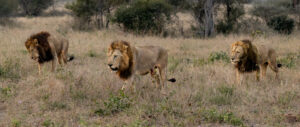
- Large prides of lions
- Huge elephant herds
- Cheetahs hunting across open plains
- Hippos, giraffes, zebras, and wildebeest
- More than 1,000 recorded bird species
- Maasai and other Tanzanian cultures
- Beautiful tented camps and safari lodges
- Professional guided game drives
- Optional balloon safaris and walking experiences
Tanzania is also an excellent destination for combining wildlife adventures with a Zanzibar beach holiday, a Mount Kilimanjaro climb, or a visit to local communities.
Tanzania Safari Trip Highlights
Every itinerary is different, but a well-designed Tanzania safari trip may include several memorable experiences.
Game Drives in a 4×4 Safari Vehicle
Game drives are the heart of most Tanzania safari packages. You travel through the national parks in a specially prepared 4×4 Land Cruiser with a pop-up roof.
The raised roof provides excellent visibility and allows travelers to stand safely while observing and photographing wildlife. Safari vehicles may also have charging sockets, a cooler or refrigerator, binoculars, seatbelts, and a radio for communication between guides.
Your professional driver-guide helps identify animals, explain their behavior, and select the best areas for wildlife viewing.
The Great Wildebeest Migration
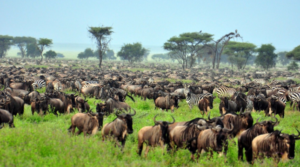
The Great Migration is one of the most famous wildlife spectacles on Earth. More than a million wildebeest, accompanied by zebras and gazelles, move through the Serengeti ecosystem in search of fresh grass and water.
The animals do not remain in one location throughout the year. Their movement depends on rainfall and grazing conditions.
General migration patterns include:
- December to March: Southern Serengeti and Ndutu
- January to February: Main calving period around Ndutu
- April to May: Herds begin moving through the central and western areas
- June to July: Western Corridor and movement toward northern Serengeti
- July to October: Northern Serengeti and potential Mara River crossings
- November: Movement back toward the central and southern plains
Because this is a natural event, exact locations and river crossings cannot be guaranteed. An experienced local operator will design the itinerary according to the season and recent wildlife movements.
Ngorongoro Crater Exploration
Descending into the Ngorongoro Crater is one of Tanzania’s signature safari experiences. The crater floor contains grasslands, woodland, wetlands, and seasonal lakes.
Its concentrated wildlife population creates opportunities to see lions, elephants, buffaloes, hippos, zebras, wildebeest, hyenas, and many antelope species. The crater is also one of the better places in Tanzania to search for the critically endangered black rhino, although every sighting depends on luck.
Cultural Encounters
A Tanzania safari trip can include respectful cultural activities, such as visiting a Maasai community, exploring Mto wa Mbu, or learning about the Hadzabe and Datoga communities near Lake Eyasi.
These experiences can provide a deeper understanding of Tanzania’s traditions and ways of life. Travelers should choose community visits that are organized responsibly and benefit local residents.
Bush Dining and Picnic Lunches
Most safari days include lunch at an established picnic location inside or near the park. Depending on the package, this may be a packed lunch or a freshly prepared hot meal.
Private luxury safaris may offer exclusive bush breakfasts, sundowners, or private dining arrangements in selected locations.
Best National Parks for a Tanzania Safari Trip
Tanzania contains several safari regions. The Northern Circuit is the most famous, while the Southern and Western Circuits offer quieter and more remote experiences.
Serengeti National Park
Serengeti National Park is the centerpiece of many Tanzania safari itineraries. Its name is commonly associated with the idea of endless plains, an accurate description of its vast open landscapes.
The Serengeti supports impressive populations of lions, leopards, cheetahs, elephants, giraffes, buffaloes, zebras, wildebeest, hyenas, hippos, and numerous antelope species.
Different areas provide different experiences:
Central Serengeti
Central Serengeti, particularly the Seronera region, offers reliable wildlife viewing during much of the year. Permanent water sources attract resident animals, while the mixture of plains, woodland, and rocky kopjes creates ideal predator habitat.
It is a particularly good area for travelers visiting outside the main migration seasons.
Southern Serengeti and Ndutu
The southern plains and Ndutu region are famous for the wildebeest calving season, usually experienced between December and March, with the peak commonly occurring in January and February.
Thousands of calves may be born within a short period, attracting lions, cheetahs, hyenas, and other predators.
Northern Serengeti
Northern Serengeti is known for its beautiful landscapes, lower visitor density, and seasonal Mara River crossings. It is especially popular from July through October.
Reaching the north requires additional driving time or a domestic flight, so it is best included in a longer private or fly-in itinerary.
Western Corridor
The Western Corridor includes the Grumeti River and surrounding woodland. The migration often passes through this region between approximately May and July, although the timing changes with rainfall.
Ngorongoro Conservation Area
The Ngorongoro Conservation Area combines exceptional wildlife, dramatic scenery, and cultural significance. Its most famous attraction is the Ngorongoro Crater, an enormous volcanic caldera.
Safari vehicles descend from the crater rim to explore the floor. Wildlife sightings may include lions, spotted hyenas, buffaloes, elephants, hippos, wildebeest, zebras, jackals, flamingos, and black rhinos.
The crater can become busy during peak travel months, so entering early in the morning is recommended.
The conservation area also includes Olduvai Gorge, the Empakaai Crater, Olmoti Crater, and traditional Maasai grazing areas.
Tarangire National Park
Tarangire National Park is famous for its elephant herds, ancient baobab trees, and seasonal concentration of wildlife along the Tarangire River.
During the dry season, animals travel from surrounding ecosystems toward the river, making wildlife viewing especially productive. Visitors may encounter elephants, lions, giraffes, zebras, wildebeest, buffaloes, leopards, and many antelope species.
Tarangire is also one of Tanzania’s strongest birding destinations, with hundreds of recorded species.
The park works well as the first or final destination on a Northern Circuit safari because it is relatively accessible from Arusha.
Lake Manyara National Park
Lake Manyara National Park is a compact but diverse destination located beneath the Great Rift Valley escarpment. Its habitats include groundwater forest, acacia woodland, open grassland, hot springs, and lake environments.
Wildlife may include elephants, giraffes, buffaloes, hippos, baboons, monkeys, zebras, and numerous birds. The park is historically known for tree-climbing lions, although these sightings are never guaranteed.
Lake Manyara is often incorporated into a three-day, four-day, or five-day safari itinerary.
Nyerere National Park
Nyerere National Park, formerly part of the Selous Game Reserve, is one of Africa’s largest protected wilderness areas. Located in southern Tanzania, it offers a quieter safari experience than the popular Northern Circuit.
The Rufiji River creates channels, lakes, and wetlands that support hippos, crocodiles, elephants, buffaloes, lions, giraffes, and African wild dogs.
Depending on the season and local regulations, activities may include:
- Traditional game drives
- Boat safaris
- Guided walking safaris
- Birdwatching
- Sundowner experiences
Nyerere can be reached by road or scheduled flight from Dar es Salaam and Zanzibar.
Ruaha National Park
Ruaha is another outstanding destination on Tanzania’s Southern Circuit. It is known for rugged wilderness, baobab-covered landscapes, large elephant populations, and excellent predator sightings.
The park supports lions, leopards, cheetahs, African wild dogs, buffaloes, giraffes, and several antelope species.
Ruaha is ideal for experienced safari travelers, photographers, honeymooners, and visitors looking for a more private wilderness experience.
Best Time for a Tanzania Safari Trip
Tanzania is a year-round destination, but the best month depends on your priorities.
June to October: Dry Season
The dry season is popular because vegetation becomes thinner and animals gather around permanent water sources.
Advantages include:
- Excellent general wildlife viewing
- Comfortable daytime weather
- Lower rainfall
- Northern Serengeti migration opportunities
- Good conditions in Tarangire, Ruaha, and Nyerere
These months are also part of the high season. Lodges, camps, and flights may sell out early, especially between July and September.
November to December: Short Rains
The short rains bring fresh vegetation and attractive landscapes. Rainfall is usually less persistent than during the long rainy season, although conditions vary each year.
This period can offer good wildlife viewing, fewer visitors, and competitive accommodation rates.
January to March: Calving Season
January and February are excellent months for visiting Ndutu and the southern Serengeti. Wildebeest give birth across the plains, creating exceptional predator activity.
These months are ideal for wildlife photographers and travelers interested in migration dynamics.
April to May: Green Season
April and May normally receive the long rains. The landscapes become green, birdlife is excellent, and some properties offer lower rates.
However, rain may affect road conditions, and certain remote camps close temporarily. Travelers choosing this period should plan with an operator familiar with seasonal access.
Sample Tanzania Safari Trip Itineraries
Your ideal itinerary depends on your travel time, budget, arrival location, and wildlife priorities.
Three-Day Tanzania Safari
A three-day safari is suitable for travelers with limited time.
Day 1: Arusha to Tarangire National Park
Depart Arusha and travel to Tarangire. Enjoy a game drive with a picnic lunch before continuing to your camp or lodge.
Day 2: Serengeti or Ngorongoro Area
Depending on the selected route, travel toward Serengeti or explore Lake Manyara. A short itinerary involving Serengeti will require long driving hours.
Day 3: Ngorongoro Crater to Arusha
Descend into the crater for a game drive. After lunch, return to Arusha.
For three days, Tarangire, Ngorongoro, and Lake Manyara provide a more relaxed route. Serengeti and Ngorongoro can also be combined, but travelers should expect longer drives.
Four-Day Tanzania Safari
Day 1: Arusha to Tarangire
Enjoy an afternoon game drive among baobab trees and elephant herds.
Day 2: Tarangire Area to Serengeti
Travel through the Ngorongoro highlands and enter Serengeti National Park.
Day 3: Serengeti to Ngorongoro
Take a morning Serengeti game drive before proceeding toward the Ngorongoro area.
Day 4: Ngorongoro Crater to Arusha
Explore the crater floor and return to Arusha during the late afternoon or early evening.
This is one of the most popular short Northern Circuit itineraries.
Five-Day Tanzania Safari
Day 1: Arusha to Tarangire
Day 2: Tarangire to Serengeti
Day 3: Full-day Serengeti game drive
Day 4: Serengeti to Ngorongoro or Karatu
Day 5: Ngorongoro Crater and return to Arusha
The extra day in Serengeti provides more time for wildlife viewing and reduces the rushed feeling of shorter itineraries.
Seven-Day Tanzania Safari
A seven-day trip provides a better balance of travel and wildlife viewing.
Day 1: Arrival in Tanzania and transfer to Arusha
Day 2: Tarangire National Park
Day 3: Tarangire to Serengeti
Day 4: Full-day Serengeti
Day 5: Another Serengeti game drive
Day 6: Serengeti to Ngorongoro or Karatu
Day 7: Ngorongoro Crater and return to Arusha
Lake Manyara, Lake Eyasi, or an additional cultural activity can be incorporated if your schedule permits.
Ten-Day Tanzania Safari and Zanzibar
A longer holiday can combine wildlife and the beach.
Days 1–2: Arrival and Tarangire
Days 3–5: Serengeti National Park
Day 6: Ngorongoro Crater
Day 7: Flight to Zanzibar
Days 8–10: Zanzibar beach stay and cultural exploration
This combination is particularly popular with honeymooners and couples.
Private or Group Tanzania Safari Trip?
Travelers can choose between a private safari and a shared group departure.
Private Safari
A private safari gives you a dedicated vehicle and professional guide. Only the people in your booking share the vehicle.
Advantages include:
- Flexible departure times
- More control over the daily schedule
- Freedom to spend longer at wildlife sightings
- Accommodation selected according to your preferences
- Better conditions for families and photographers
- Easier customization
- Greater privacy
- Optional language-specific guides
Private safaris are particularly suitable for couples, honeymooners, families, photographers, and small groups of friends.
Shared Group Safari
A shared safari allows travelers to join other guests and divide transportation and guide costs.
Advantages include:
- More affordable pricing
- Opportunity to meet other travelers
- Confirmed scheduled routes
- Ideal for solo travelers
- Shared safari experience
Group itineraries are less flexible because all participants must follow the planned route. Travelers should carefully confirm the group size, accommodation standard, luggage allowance, guaranteed departures, and whether everyone receives a window seat.
Tanzania Safari Accommodation
Accommodation has a significant influence on the final safari price.
Budget Camping
Camping safaris are the most affordable option and provide a close-to-nature experience.
A typical camping package may include:
- Dome tent
- Mattress
- Sleeping bag
- Pillow
- Safari chef
- Meals
- Shared campsite bathrooms
- Shared showers
- Campsite fees
Public campsites are simple and may have limited electricity. Solar charging or charging in the safari vehicle may be available.
Budget Lodges
Budget lodges provide rooms, beds, and basic private facilities. They are a good choice for travelers who want more comfort than camping without paying premium lodge prices.
Some budget properties are outside national parks, which helps reduce the overall cost.
Mid-Range Lodges and Tented Camps
Mid-range accommodation offers a strong balance between comfort, location, and price.
Travelers can generally expect:
- Private bathroom and shower
- Comfortable bed
- Restaurant and lounge
- Electricity or solar power
- Mosquito net
- Hot water
- Friendly camp service
- Attractive natural surroundings
A tented camp is not the same as ordinary camping. Safari tents are usually permanent or semi-permanent structures furnished with beds and private bathrooms.
Luxury Safari Lodges
Luxury properties may offer spacious rooms, beautiful views, swimming pools, premium dining, private decks, personalized service, and exclusive locations.
Some luxury camps also arrange private bush meals, sundowners, spa treatments, and special honeymoon services.
Fly-In Safari Camps
Fly-in itineraries use light aircraft to connect cities, islands, and remote safari regions. They reduce long driving times and make it possible to reach northern Serengeti, Ruaha, or Nyerere more efficiently.
Luggage restrictions often apply on small aircraft, and soft-sided bags are usually recommended.
Tanzania Safari Trip Cost
The cost of a Tanzania safari trip varies widely. There is no single fixed price because every itinerary contains different services.
The main price factors include:
- Number of travelers
- Private or shared vehicle
- Number of safari days
- Selected national parks
- Accommodation category
- Domestic flights
- Season of travel
- Park and conservation fees
- Crater service fees
- Optional activities
- Airport transfers
- Guide language
- Single-room supplements
Budget camping safaris generally cost less than lodge safaris. Private tours become more economical per person when the vehicle cost is divided among several travelers.
Luxury fly-in safaris are more expensive because they include premium accommodation and internal flights.
Request a personalized quotation based on your dates and preferences instead of relying only on general online estimates. Park fees, accommodation rates, taxes, and flight prices can change.
What Is Usually Included?
A standard Tanzania safari package may include:
- Transportation in a 4×4 safari vehicle
- Professional English-speaking driver-guide
- Park entrance fees
- Ngorongoro conservation and crater fees when applicable
- Accommodation during the safari
- Meals listed in the itinerary
- Drinking water during game drives
- Airport or hotel transfers when specified
- Government taxes
- Game drives
- Camping equipment for camping packages
Some operators also include soft drinks, binoculars, arrival accommodation, or hot lunches.
Always check the official quotation and itinerary before paying your deposit.
What Is Usually Excluded?
Common exclusions include:
- International flights
- Visa fees
- Travel insurance
- Vaccinations and medical expenses
- Tips for guides and camp staff
- Alcoholic drinks
- Personal shopping
- Optional balloon safaris
- Laundry
- Additional accommodation before or after the safari
- Activities not listed in the itinerary
The inclusions and exclusions must be clearly stated in your final safari proposal.
How to Reach Tanzania
Most Northern Circuit safaris start in Arusha.
Kilimanjaro International Airport
Kilimanjaro International Airport is the main international gateway for Arusha, Mount Kilimanjaro, and Northern Circuit safaris.
The drive to Arusha generally takes approximately one to two hours, depending on traffic and your hotel location.
Arusha Airport
Arusha Airport mainly handles domestic and regional flights. It provides connections to Serengeti, Zanzibar, Dar es Salaam, and other Tanzanian destinations.
Julius Nyerere International Airport
Travelers visiting Nyerere, Ruaha, or other Southern Circuit destinations often arrive through Dar es Salaam.
Zanzibar Airport
It is possible to fly from Zanzibar to Arusha, Kilimanjaro, Serengeti, Nyerere, or other safari areas. This makes a safari-and-beach holiday easy to arrange.
What to Pack for Your Safari
Pack light, comfortable clothing in neutral colors such as beige, brown, khaki, and green.
Recommended items include:
- Lightweight shirts
- Comfortable trousers or shorts
- Warm jacket
- Closed walking shoes
- Sandals
- Sun hat
- Sunglasses
- Sunscreen
- Insect repellent
- Camera
- Extra batteries
- Power bank
- Personal medication
- Binoculars
- Reusable water bottle
- Small day bag
- Copies of travel documents
Early mornings in the Serengeti and Ngorongoro highlands can be cold. Layered clothing is therefore important.
Avoid bringing unnecessary valuables. Soft-sided luggage is more convenient for safari vehicles and may be required for domestic flights.
Optional Activities
Your Tanzania safari trip can be customized with additional experiences.
Serengeti Balloon Safari
A balloon safari normally begins before sunrise. Guests are collected from their camp, attend a safety briefing, and fly over the Serengeti for approximately one hour, depending on weather conditions.
The experience may include a celebratory drink and breakfast after landing.
Maasai Village Visit
A community visit can introduce travelers to Maasai traditions, dances, homes, clothing, and pastoral life. Ask your operator how the visit benefits the host community.
Walking Safari
Walking safaris are available in selected areas and must be conducted with an authorized guide or ranger. They focus on tracks, plants, insects, smaller wildlife, and the ecology that is easily missed from a vehicle.
Lake Eyasi Cultural Tour
Lake Eyasi can be added for travelers interested in meeting Hadzabe hunter-gatherers and Datoga artisans. It is best included as part of a private itinerary with sufficient time.
Zanzibar Beach Extension
After several early safari mornings, Zanzibar provides an ideal place to relax. Visitors can enjoy beaches, Stone Town, spice farms, snorkeling, diving, and boat excursions.
Is Tanzania Suitable for Family Safaris?
Yes. Tanzania can be an excellent family destination when the itinerary is designed around the children’s ages and interests.
Family itineraries should consider:
- Shorter driving days
- Family rooms
- Swimming pools
- Private vehicles
- Regular rest stops
- Child-friendly menus
- Age requirements for walking or balloon activities
- Malaria and health advice
- Flexible game-drive schedules
A private safari is normally more convenient for families because parents can adjust departure times and breaks.
Tanzania Honeymoon Safari
Tanzania is one of Africa’s best honeymoon destinations. Couples can combine private wildlife viewing with romantic tented camps and a Zanzibar beach stay.
Honeymoon arrangements may include:
- Private safari vehicle
- Romantic room decoration
- Special bush dinner
- Sundowner drinks
- Balloon safari
- Luxury tented accommodation
- Private airport transfers
- Zanzibar beach resort
Inform your operator that you are traveling for your honeymoon so the lodges can prepare special arrangements when available.
Photography Safari in Tanzania
Tanzania’s open landscapes and abundant wildlife make it a remarkable photography destination.
For the best experience, consider:
- Booking a private vehicle
- Requesting a photography-friendly vehicle
- Limiting the number of people in the vehicle
- Carrying extra memory cards
- Bringing spare batteries
- Using a dust cover
- Packing a beanbag for camera support
- Spending multiple nights in the same area
- Choosing a patient, experienced guide
A private safari allows photographers to stay longer at sightings and position the vehicle according to light and animal movement.
Responsible Safari Travel
Responsible tourism helps protect wildlife and support Tanzanian communities.
Travelers should:
- Follow park regulations
- Keep a safe distance from animals
- Never feed wildlife
- Avoid loud noises at sightings
- Reduce single-use plastic
- Respect local cultures
- Ask before photographing people
- Support ethical community projects
- Choose responsible accommodation
- Never pressure guides to drive off-road illegally
- Take all waste out of protected areas
Safari guides must prioritize safety and conservation even when travelers want to approach an animal more closely.
How to Book Your Tanzania Safari Trip
Booking your safari can be straightforward when working with a knowledgeable local tour operator.
Step 1: Share Your Travel Details
Provide:
- Travel dates
- Number of travelers
- Adults and children
- Preferred safari duration
- Accommodation level
- Private or group preference
- Arrival and departure airports
- Wildlife priorities
- Special occasions
- Dietary requirements
- Approximate budget
Step 2: Review the Itinerary
Check the daily driving times, selected parks, number of nights in each area, accommodation names, and included services.
Step 3: Request Adjustments
A private itinerary can usually be modified. You may add a park, change a lodge, include airport transfers, arrange a Zanzibar flight, or increase the number of Serengeti nights.
Step 4: Confirm Availability
Accommodation and domestic flight availability must be checked before final confirmation, especially during migration and holiday seasons.
Step 5: Pay the Deposit
Most operators require a deposit to reserve accommodations and other services. Check the cancellation policy, card charges, bank fees, and balance deadline.
Step 6: Receive Confirmation Documents
Your operator should provide a booking confirmation, receipt or invoice, final itinerary, accommodation details, and arrival instructions.
Plan Your Tanzania Safari Trip Today
A Tanzania safari trip is more than a holiday—it is an opportunity to experience vast wilderness, remarkable wildlife, welcoming cultures, and some of Africa’s most beautiful landscapes.
Your journey can be designed around your personal interests. You might track the Great Migration in Serengeti, descend into the Ngorongoro Crater, photograph Tarangire’s elephants, explore the remote wilderness of Nyerere and Ruaha, or finish your adventure on the beaches of Zanzibar.
Contact Kilipath African Safaris with your travel dates, group size, preferred accommodation category, and estimated budget. Our safari team will prepare a personalized itinerary, recommend suitable parks and lodges, and guide you through every stage of planning.
Start planning your Tanzania safari trip today and discover the unforgettable beauty of Tanzania with experienced local professionals.