The Great Migration is one of the most spectacular wildlife events on Earth—millions of wildebeest, zebras, and gazelles moving in a continuous cycle across the plains of East Africa. At the heart of this journey is the legendary Serengeti National Park, where dramatic river crossings, predator encounters, and endless herds create a safari experience unlike anywhere else.
With Kilipath African Safari, you can experience this natural wonder in its most dramatic and accessible form—guided by experts who know exactly where and when to be for the best wildlife action.
What Is the Great Migration?
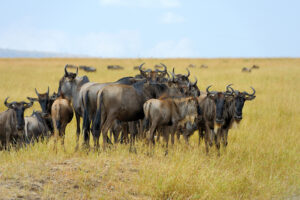
The Great Migration is a year-round movement of over 1.5 million wildebeest, joined by hundreds of thousands of zebras and gazelles. This movement follows rainfall patterns in search of fresh grass across the Serengeti ecosystem and the Masai Mara National Reserve.
Unlike a single event, the migration is a continuous cycle—meaning there is always something happening somewhere in the Serengeti.
Key highlights include:
- Calving season (newborn wildlife everywhere)
- Predator action (lions, cheetahs, crocodiles)
- Dramatic river crossings
- Massive herds stretching to the horizon
Month-by-Month Great Migration Safari Guide
Understanding timing is the key to witnessing the most dramatic moments of the migration.
January – March: Calving Season (Southern Serengeti)
Location: Southern Serengeti National Park (Ndutu area)
This is one of the most emotionally powerful times in the migration.
- Thousands of wildebeest calves are born daily
- High predator activity (lions, hyenas, cheetahs)
- Easy wildlife viewing due to open plains
Best for: Photography, predator action, newborn wildlife
April – May: Long Rains & Movement North
Location: Central Serengeti
The herds begin moving north as rains transform the plains.
- Large herds spread across central Serengeti
- Fewer tourists (low season advantage)
- Lush green landscapes perfect for photography
Best for: Budget safaris, fewer crowds, scenic photography
June – July: Western Corridor & Grumeti River Crossing
Location: Western Serengeti
This is where the drama begins.
- First major river crossings at the Grumeti River
- Crocodile encounters increase
- Herds gather in massive numbers
Best for: Action-packed safari experiences
August – September: Northern Serengeti & Mara River Crossings
Location: Northern Serengeti near Kenya border
This is the MOST famous phase of the migration.
- Iconic Mara River crossings
- Huge crocodiles waiting in the river
- Herds crossing between Tanzania and Kenya
Best for: Dramatic river crossing scenes, luxury safaris
October – November: Return South Begins
Location: Northern to Central Serengeti
- Herds begin moving back south
- Predator-prey interactions remain intense
- Fewer tourists than peak season
Best for: Balanced safari experience with great sightings
December: Southern Serengeti Return
Location: Southern Serengeti
- Herds return to calving grounds
- Early signs of newborn season begin
- Green season landscapes return
Best for: Quiet safaris, festive season travel
Best Time for Great Migration Safari
The “best time” depends on what you want to see:
- Calving & predator action → Jan–Mar
- River crossings → Jul–Sep
- Green landscapes & low crowds → Apr–May
- Balanced wildlife viewing → Oct–Nov
At Kilipath African Safari, we design your itinerary based on real-time migration tracking—not guesswork.
Where to Stay During the Great Migration
Your accommodation plays a major role in your safari experience.
Popular options include:
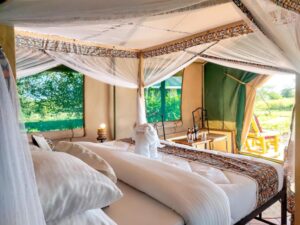
- Luxury tented camps inside Serengeti National Park
- Mobile migration camps that follow the herds
- Lodges near river crossing points in the north
- Budget-friendly camps in central Serengeti
Staying closer to the migration path means more wildlife sightings and less driving time.
Safari Tips for Witnessing the Great Migration
To make the most of your safari:
1. Book early
Peak migration season (July–September) fills quickly.
2. Stay flexible
Wildlife moves with rainfall—flexibility increases your chances of sightings.
3. Choose expert guides
Local guides understand herd movement patterns daily.
4. Combine parks
Add destinations like Ngorongoro Conservation Area or Tarangire National Park for a richer safari experience.
5. Bring the right gear
- Zoom lens camera
- Neutral clothing
- Binoculars
- Dust protection for gear
Recommended Great Migration Safari Packages (Kilipath African Safari)
We offer customized itineraries designed around the migration cycle:
5–7 Day Serengeti Migration Safari
Perfect for first-time visitors focusing on key migration hotspots.
8–10 Day Great Migration + Ngorongoro Safari
Includes crater exploration and big five encounters.
Luxury Mobile Migration Safari
Stay in mobile camps that move with the herds for maximum wildlife immersion.
Photography Migration Safari
Designed for wildlife photographers targeting river crossings and predator action.
Why Choose Kilipath African Safari?
With Kilipath African Safari, you get more than just a trip—you get a carefully planned wildlife experience.
- Expert local safari guides
- Real-time migration tracking
- Custom private safari itineraries
- Comfort, safety, and flexibility
- Handpicked lodges and camps
We don’t just take you to the Serengeti—we take you to the right place at the right time.
Final Thoughts
The Great Migration is not just a safari—it is nature’s greatest performance. Whether you witness thousands of calves being born in the southern plains or dramatic river crossings in the north, every moment is unforgettable.
And with the right planning, your journey through the Serengeti National Park becomes a once-in-a-lifetime experience.
Plan Your Great Migration Safari Today
Let Kilipath African Safari design your perfect itinerary based on the migration calendar.