Nyerere Tanzania Wildlife Safari Guide
A Nyerere Tanzania wildlife safari can take you from a woodland game drive in the morning to a boat on the Rufiji…
Read articleArusha City - Tanzania
Safari & Travel Tips
October 8, 2026 · 4 min read
A Tanzania photography safari gives you time to observe wildlife, follow the changing light, and capture moments that tell a story. From elephants beneath Tarangire’s baobab trees to herds crossing the Serengeti plains, every destination offers a different photographic experience.
At Kilipath African Safaris, we help you plan a wildlife safari around your interests, travel dates, and budget. Whether you use a professional camera or a smartphone, a thoughtfully planned itinerary gives you more opportunities to enjoy wildlife and return home with memorable photographs.
Start by choosing your main subjects. Are you interested in big cats, elephants, birds, migration herds, or wide landscapes? Your answer helps determine which parks to visit and how much time to spend in each.
For photography, a slower itinerary often works better than a route that covers many destinations quickly. Staying several nights in one area gives you opportunities to revisit sightings, explore different habitats, and photograph subjects under changing conditions.
Tell your consultant about your equipment and photography priorities before booking. This helps us plan vehicle space, accommodation locations, and a suitable daily schedule.
The Serengeti offers open landscapes, varied habitats, and opportunities to photograph wildlife within its surroundings. You might frame an animal against a wide horizon, capture a herd moving through grassland, or spend time observing interactions between animals.
The park’s habitats and wildlife movements change with the seasons, so accommodation should match the area you intend to explore. A migration-focused itinerary needs different planning from a trip focused on resident wildlife. Serengeti National Park
Allow several nights where possible. Wildlife photography requires patience, and a brief visit gives you fewer opportunities to wait for interesting behaviour.
Tarangire is especially appealing for elephant photography and compositions featuring baobab trees. During the dry season, animals gather around the Tarangire River as surrounding water sources diminish, creating opportunities to photograph wildlife near water. Tarangire National Park
Look beyond close portraits. A wider photograph showing elephants, trees, and the landscape can communicate the atmosphere of the park beautifully.
Ngorongoro adds a contrasting setting to a northern Tanzania itinerary. Its crater landscape creates opportunities to combine wildlife photographs with broad views of the surrounding scenery.
Plan your visit with realistic expectations: sightings, visibility, and photographic distance vary. A long lens can be useful when animals remain far from the vehicle.
The best dates depend on your photographic goals.
For Tarangire, dry-season wildlife concentrations can make animal viewing particularly rewarding. For the Serengeti, migration and calving interests require planning around seasonal movements. TANAPA identifies June–October as a dry-season travel period and January–February for calving-season interests, although the exact location of herds varies. TANAPA
Rain, cloud cover, and vegetation also affect your photographs. Clear skies can create strong shadows, while overcast conditions may soften the light. Discuss your preferred subjects before choosing dates, and remember that wildlife behaviour cannot be guaranteed.
This private itinerary provides a starting point for a personalised trip:
| Day | Destination | Photography focus |
|---|---|---|
| 1 | Arusha to Tarangire | Elephants, baobabs, and landscape compositions |
| 2 | Travel to Serengeti | Scenic journey and wildlife viewing as time permits |
| 3 | Serengeti | Extended wildlife observation and photography |
| 4 | Serengeti | Explore different areas and revisit promising sightings |
| 5 | Serengeti to Ngorongoro area | Wildlife viewing before the onward journey |
| 6 | Ngorongoro Crater, then Arusha | Crater scenery and wildlife photography |
Arrival accommodation, additional Serengeti nights, or a seasonal migration extension can be arranged around your schedule. Transfer days involve substantial driving, so longer trips allow more time for photography.
A private safari is particularly useful when photography is your main priority. You can discuss longer stops and daily preferences with your guide, within park rules and the itinerary’s travel requirements.
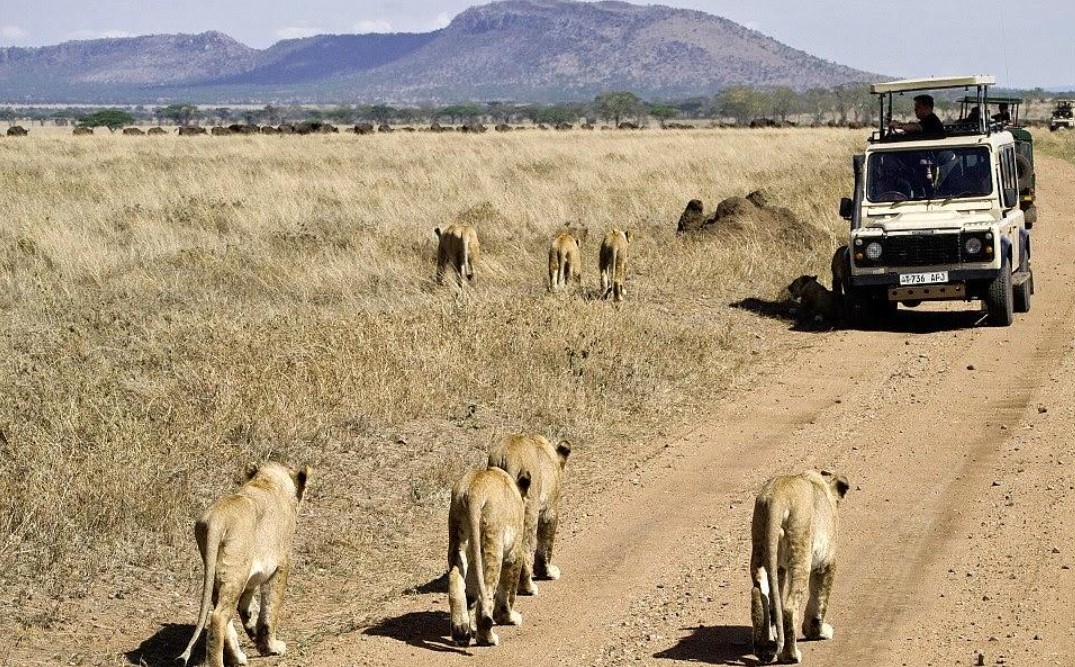
Kilipath African Safaris uses 4x4 Land Cruisers with pop-up roofs. Shared safaris offer guaranteed window seats, but photography stops must accommodate the interests of the whole group.
If you carry large lenses or several camera bags, discuss space requirements before confirming your booking.
Pack equipment you can use confidently:
Avoid changing lenses unnecessarily in dusty conditions. Back up your photographs regularly, and check luggage limits if your itinerary includes flights.
For moving subjects, start with a fast shutter speed and adjust to the available light. For portraits, focus carefully on the eye. Review your images occasionally so you can correct exposure or focus problems while still at the sighting.
Give animals space and follow your guide’s instructions. Never ask a driver to disturb wildlife for a better angle. Stay quiet near sightings and allow natural behaviour to develop.
Patience often produces stronger photographs than repeatedly moving the vehicle. Watch for interaction, posture, and the relationship between an animal and its surroundings.
Your quotation should clearly explain accommodation, transport, guiding, meals, park fees, and any optional activities. The final cost depends on travel dates, group size, trip length, and accommodation choices.
Contact Kilipath African Safaris with your travel dates, number of guests, budget, and favourite wildlife subjects. We will help you create a Tanzania photography safari with time to observe, enjoy, and capture the experience.
A Nyerere Tanzania wildlife safari can take you from a woodland game drive in the morning to a boat on the Rufiji…
Read articlePlanning a Tanzania safari that combines Lake Manyara National Park and Nyerere National Park is an excellent way to experience the country's…
Read articleDiscover Tanzania’s untamed wilderness without exceeding your travel budget. A budget Ruaha safari adventure offers incredible wildlife encounters, spectacular landscapes, authentic African…
Read articleA Nyerere Tanzania wildlife safari offers an extraordinary opportunity to discover one of Africa's most spectacular wilderness destinations. From magnificent elephants and…
Read article