Skip to content

Planning a wildlife safari from Arusha is one of the best ways to explore Tanzania’s famous northern safari circuit. Arusha is conveniently located near Tarangire National Park, Lake Manyara National Park, the Ngorongoro Conservation Area, and Serengeti National Park. It is also home to many experienced safari companies, making it the primary starting point for wildlife adventures in northern Tanzania.
Successful Tanzania wildlife safari Arusha planning involves more than choosing a national park. Travelers must consider the season, safari duration, accommodation style, transportation, budget, health requirements, and preferred wildlife experiences. This complete FAQ guide answers the most important questions and helps you create a comfortable, realistic, and rewarding Tanzania safari itinerary.
Why Should You Start a Tanzania Wildlife Safari in Arusha?
Arusha is often described as Tanzania’s safari capital because of its strategic location and extensive tourism infrastructure. Most northern-circuit safaris begin and end in the city.
From Arusha, travelers can access several important destinations:
- Arusha National Park
- Tarangire National Park
- Lake Manyara National Park
- Ngorongoro Conservation Area
- Serengeti National Park
- Lake Natron
- Mount Kilimanjaro
- Mount Meru
The city also offers hotels for different budgets, safari equipment shops, restaurants, banks, transportation services, and connections to domestic airports.
Visitors arriving at Kilimanjaro International Airport can normally travel to Arusha by road. Arusha Airport is mainly used for domestic flights connecting the city with Zanzibar, Dar es Salaam, Serengeti airstrips, and other Tanzanian destinations.
How Many Days Do You Need for a Tanzania Wildlife Safari From Arusha?
The ideal safari duration depends on the national parks you want to visit and the amount of time you want to spend observing wildlife.
Two-day safari
A two-day safari is suitable for travelers with limited time. A common itinerary combines Tarangire National Park and the Ngorongoro Crater.
This option can provide excellent wildlife viewing, but the schedule is relatively busy. It does not usually include Serengeti because of the longer driving distance.
Three-day safari
A three-day safari can include:
- Tarangire, Ngorongoro and Lake Manyara
- Serengeti and Ngorongoro
- Tarangire and Ngorongoro with a relaxed schedule
A three-day Serengeti itinerary involves significant driving, so travelers should prepare for long road journeys. However, it remains a popular choice for visitors who want to experience Serengeti within a limited vacation.
Four-day safari
Four days provide a more balanced introduction to northern Tanzania. A typical itinerary includes Tarangire, Serengeti, and Ngorongoro.
Travelers normally spend one or two nights in or near Serengeti before visiting the Ngorongoro Crater. This itinerary combines varied scenery with opportunities to see elephants, lions, giraffes, zebras, wildebeest, and many other animals.
Five- to seven-day safari
A five- to seven-day itinerary is recommended for travelers who want a more comfortable pace. It allows additional game-drive time and reduces the pressure to move quickly between destinations.
Depending on the season, the itinerary may include:
- Tarangire National Park
- Lake Manyara National Park
- Central Serengeti
- Northern or Southern Serengeti
- Ngorongoro Crater
- Lake Natron
- Cultural activities
For many first-time visitors, five or six days provide a good balance between wildlife viewing, travel time, and budget.
Eight days or longer
Longer itineraries are suitable for photographers, honeymooners, families, birdwatchers, and travelers following the Great Migration. They can also combine wildlife areas with Mount Kilimanjaro, Mount Meru, Lake Natron, local cultural experiences, or a Zanzibar beach holiday.
Which National Parks Can You Visit From Arusha?
Arusha National Park
Arusha National Park is the closest protected area to the city. It is known for Mount Meru, Momella Lakes, forest habitats, giraffes, buffaloes, zebras, flamingos, and black-and-white colobus monkeys.
The park is ideal for a day trip before or after a longer safari. Activities may include game drives, guided walking safaris, and canoeing when conditions and park arrangements permit.
Arusha National Park does not offer the same concentration of large predators as Serengeti or Ngorongoro, but its varied landscapes make it a rewarding introduction to Tanzania.
Tarangire National Park
Tarangire is famous for elephants, baobab trees, and the Tarangire River. During the dry season, animals gather around permanent water sources, creating excellent wildlife-viewing opportunities.
Possible sightings include:
- Elephants
- Lions
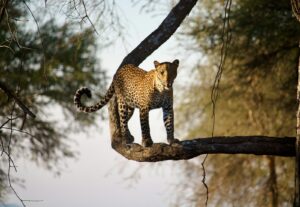
- Leopards
- Giraffes
- Zebras
- Wildebeest
- Buffaloes
- Warthogs
- Antelopes
- Numerous bird species
Tarangire can be visited as a day trip from Arusha, although staying overnight near or inside the park provides a more relaxed experience.
Lake Manyara National Park
Lake Manyara is a compact park located below the Great Rift Valley escarpment. It contains groundwater forest, open plains, woodland, wetlands, and lake habitats.
The park is associated with tree-climbing lions, although sightings are never guaranteed. Visitors may also see elephants, giraffes, buffaloes, hippos, monkeys, baboons, zebras, and waterbirds.
Lake Manyara can be included in a short northern-circuit itinerary, especially when traveling between Arusha, Karatu, and Ngorongoro.
Ngorongoro Crater
The Ngorongoro Crater is one of Tanzania’s most celebrated wildlife destinations. The crater floor supports a high concentration of animals within a relatively compact area.
Wildlife may include:
- Lions
- Elephants
- Buffaloes
- Zebras
- Wildebeest
- Hippos
- Hyenas
- Jackals
- Gazelles
- Black rhinos
The crater is one of the better places in Tanzania to search for the Big Five, although no animal sighting can be guaranteed.
Many itineraries include accommodation in Karatu or near the crater rim. Early entry is generally preferred because it gives travelers more time on the crater floor and may help them avoid the busiest part of the day.
Serengeti National Park
Serengeti is known for vast plains, abundant predators, and the seasonal movements of wildebeest and zebras. It is a large ecosystem divided into several wildlife-viewing regions.
Central Serengeti is productive during much of the year and is frequently included in standard itineraries. Northern Serengeti is particularly popular during the season associated with Mara River crossings. Southern Serengeti and the Ndutu area become important during the calving period.
Because wildlife movements depend on rainfall and changing environmental conditions, migration locations cannot be guaranteed for exact dates.
When Is the Best Time to Plan a Tanzania Wildlife Safari From Arusha?
Tanzania offers wildlife safaris throughout the year. The best time depends on your interests, preferred parks, and tolerance for rain or crowds.
June to October
This is generally Tanzania’s dry season. Vegetation becomes thinner, and animals frequently gather near rivers and waterholes.
Advantages can include:
- Strong general wildlife viewing
- Easier animal visibility
- Lower rainfall
- Comfortable conditions for game drives
- Opportunities to explore northern Serengeti during the migration season
This period is popular, so lodges and camps can fill quickly. Early reservations are particularly important for July, August, September, and the festive season.
November and December
Short rains may begin during this period, refreshing the landscape. Rainfall is often intermittent rather than continuous, although weather patterns vary.
Travelers may enjoy greener scenery, newborn animals in some locations, and fewer vehicles than during the busiest dry-season months.
January to March
This period is particularly attractive for visitors interested in the southern Serengeti and Ndutu ecosystem. Large herds may gather in this region, and the calving season creates opportunities to observe young wildebeest and predator activity.
The exact movement of the herds remains dependent on rainfall and grazing conditions.
April and May
These months are commonly associated with the longer rains. Some roads may become muddy, and certain seasonal camps may close.
However, this season can offer:
- Green landscapes
- Dramatic skies
- Fewer safari vehicles
- Excellent birding
- Potentially attractive accommodation offers
Travelers considering the rainy season should choose an experienced operator with suitable vehicles and realistic routing.
How Do You Choose the Right Safari Itinerary?
Begin by identifying your most important safari goal. Some visitors want to see the Big Five, while others are interested in elephants, birds, photography, the Great Migration, cultural experiences, or a relaxing honeymoon.
Ask yourself:
- How many full days are available?
- Is Serengeti essential?
- Do you prefer camping, lodges, or luxury tented camps?
- Are you comfortable with long drives?
- Would you prefer a private or shared safari?
- Are you traveling with children?
- Do you want to combine the safari with Zanzibar?
- Is your trip focused on the Great Migration?
- Do you have any dietary or accessibility requirements?
- What is your total budget?
A trustworthy safari planner should explain driving times honestly and avoid placing too many distant destinations into a short itinerary.
Is a Private or Shared Safari Better?
Private safari
A private safari provides a dedicated vehicle and guide for your booking. It is ideal for couples, families, photographers, honeymooners, and travelers wanting greater flexibility.
Advantages include:
- Flexible departure times
- More control over game-drive duration
- Private use of the safari vehicle
- Easier accommodation customization
- More time at preferred wildlife sightings
- Greater privacy
- Better suitability for children or special interests
The price per traveler is usually higher for one or two people but may become more competitive for families or groups sharing the vehicle cost.
Shared group safari
A shared safari brings together travelers who may have booked separately. It is a practical option for solo travelers and visitors with limited budgets.
Advantages include:
- Lower individual cost
- Opportunities to meet other travelers
- Scheduled departures
- Access to major northern-circuit destinations
Shared tours normally have fixed routes and departure times. Changes may be difficult because the itinerary must work for everyone in the group.
Before booking, ask about the maximum number of passengers, seating arrangements, luggage restrictions, accommodation category, and whether everyone follows the same itinerary.
What Types of Accommodation Are Available?
Budget camping
Budget camping usually involves public campsites with shared bathroom and shower facilities. Safari tents, sleeping bags, mattresses, meals, and a camping chef may be included.
Camping brings visitors close to nature and can make Serengeti more affordable. However, facilities are simple, and hot water or continuous electricity may not always be available.
Budget lodges
Budget lodges and guesthouses provide permanent rooms and basic amenities. They are commonly found in Arusha, Karatu, Mto wa Mbu, and other towns outside the parks.
This option suits travelers who want private rooms while keeping costs manageable.
Mid-range lodges and tented camps
Mid-range accommodation normally includes private bathrooms, comfortable beds, restaurant service, and attractive locations.
Tented camps combine canvas structures with many lodge-style comforts. Despite the word “tent,” some have spacious rooms, proper beds, private bathrooms, electricity, and dining areas.
Luxury accommodation
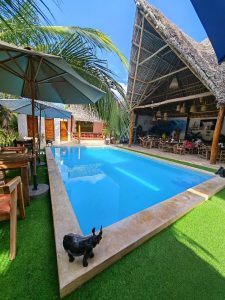
Luxury safari properties may provide premium locations, spacious suites, personalized service, fine dining, swimming pools, private decks, and additional experiences.
Prices vary substantially according to season, location, brand, and level of exclusivity.
How Much Does a Tanzania Wildlife Safari From Arusha Cost?
Safari prices depend on:
- Number of travelers
- Number of safari days
- Private or shared arrangements
- Accommodation level
- Travel season
- Parks included
- Domestic flights
- Vehicle exclusivity
- Additional activities
- Airport transfers
- Government fees and taxes
A camping safari is usually less expensive than a lodge-based trip. A private safari for one traveler has a relatively high per-person cost because that traveler covers most vehicle and guide expenses. Adding more travelers can reduce the individual cost because some expenses are shared.
When comparing quotations, check whether each offer includes the same services. A low headline price may exclude accommodation, transfers, drinks, taxes, flights, or certain park-related charges.
Because park fees, taxes, fuel costs, and accommodation rates can change, request a current written quotation for your exact dates.
What Is Normally Included in a Safari Package?
A comprehensive package commonly includes:
- Private or shared safari transportation
- Professional driver-guide
- Park entry fees
- Conservation-area fees
- Game drives
- Accommodation during the safari
- Meals specified in the itinerary
- Drinking water
- Crater service arrangements when applicable
- Airport or hotel transfers when stated
- Camping equipment and chef on camping tours
- Applicable tourism taxes
Inclusions vary by company, so travelers should read the quotation carefully.
What Is Usually Excluded?
Common exclusions include:
- International flights
- Tanzania visa charges
- Travel insurance
- Tips for guides and camp staff
- Alcoholic beverages
- Personal purchases
- Laundry
- Optional activities
- Balloon safaris
- Medical expenses
- Vaccinations
- Accommodation outside the itinerary
- Domestic flights unless specifically included
Never assume an activity or transfer is included unless it appears in writing.
How Far in Advance Should You Book?
For peak-season travel, booking six to twelve months ahead is advisable, especially when requesting particular lodges, family rooms, luxury camps, or northern Serengeti accommodation.
Travelers visiting during quieter periods may find availability closer to departure. Nevertheless, early booking provides more accommodation choices and additional time to organize flights, visas, insurance, and payments.
Last-minute safaris may be possible, but accommodation selection can be limited.
Which Airport Should You Use?
Kilimanjaro International Airport
Kilimanjaro International Airport is the main international gateway serving Arusha and northern Tanzania. It is located outside the city, so travelers should arrange a transfer to their Arusha hotel.
Arusha Airport
Arusha Airport handles many domestic and safari flights. It is convenient for connections to Zanzibar, Dar es Salaam, and airstrips within the national parks.
Julius Nyerere International Airport
Travelers arriving in Dar es Salaam can connect to northern Tanzania by domestic flight. Driving from Dar es Salaam to Arusha is possible but takes considerably longer than flying.
Always confirm the airport code when booking because Arusha Airport and Kilimanjaro International Airport are different airports.
Should You Arrive in Arusha Before the Safari Begins?
It is generally advisable to arrive at least one day before departure, especially for a shared safari or an itinerary requiring an early start.
An additional night in Arusha provides time to:
- Recover from the international flight
- Attend a safari briefing
- Organize luggage
- Exchange or withdraw money
- Address delayed baggage
- Purchase forgotten essentials
- Begin the safari without rushing
Starting a safari immediately after a flight creates a risk if the flight is delayed or baggage does not arrive as scheduled.
What Vehicle Is Used for a Tanzania Safari?
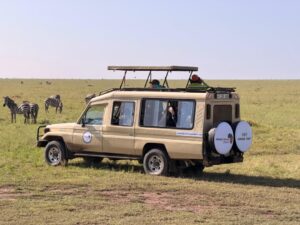
Northern-circuit road safaris are generally conducted in modified 4×4 vehicles with pop-up roofs. These roofs provide improved visibility during wildlife sightings and photography.
Before booking, ask whether the vehicle includes:
- A pop-up viewing roof
- Individual window access
- Seatbelts
- Charging sockets
- A cooler or refrigerator
- Radio communication
- First-aid equipment
- Drinking water
- Binoculars
Vehicle features differ among operators, so confirm any facility that is important to you.
Are Safari Roads Comfortable?
Road conditions vary. Main highways around Arusha may be paved, while roads inside the national parks are frequently unpaved.
Travelers should expect dust during the dry season and mud during wet periods. Some routes can be bumpy, particularly inside remote wildlife areas.
Anyone with back problems, pregnancy-related concerns, motion sickness, or another medical condition should consult a healthcare professional and notify the safari company before booking.
What Should You Pack for the Safari?
Pack lightly and choose practical, neutral-colored clothing.
Recommended items include:
- Lightweight shirts
- Comfortable trousers or shorts
- Warm jacket or fleece
- Hat
- Sunglasses
- Sunscreen
- Insect repellent
- Comfortable closed shoes
- Personal medication
- Small first-aid kit
- Camera and extra batteries
- Power bank
- Binoculars
- Reusable water bottle
- Wet wipes
- Hand sanitizer
- Copies of travel documents
Mornings in Ngorongoro and highland areas can feel cold, while afternoons may be warm. Dressing in layers is the easiest solution.
Bright white clothing shows dust easily. Dark blue and black clothing may also be less practical in some areas where tsetse flies occur. Neutral colors such as khaki, beige, olive, and light brown are commonly recommended.
Can You Bring a Large Suitcase?
Road safaris can accommodate luggage, but space is limited when several travelers share one vehicle. Soft-sided bags are easier to arrange than large hard-shell suitcases.
Small aircraft have stricter baggage restrictions, which vary by airline and route. If your itinerary includes a bush flight, confirm the current weight limit directly with the airline or safari organizer.
Many travelers leave large suitcases at their Arusha hotel or safari company office and carry a smaller bag during the safari.
Is Tanzania Suitable for a Family Safari?
Yes. Tanzania can be an excellent family destination when the itinerary is designed around the children’s ages and travel experience.
Family safari planning should consider:
- Shorter driving days
- Lodges with family rooms
- Swimming pools
- Flexible meal times
- Private vehicle arrangements
- Rest periods
- Age restrictions for activities
- Child-friendly guides
- Safe accommodation layouts
A private safari is often best for families because parents can control the schedule more easily.
Parents should ask whether a lodge is fenced. Some camps are open to wildlife and require guests to be escorted between their tents and common areas after dark.
Can Dietary Requirements Be Accommodated?
Most established safari companies and lodges can cater for vegetarian, vegan, halal, gluten-free, and other dietary requirements when informed in advance.
Clearly communicate:
- Food allergies
- Ingredients that must be avoided
- Religious dietary requirements
- Vegetarian or vegan preferences
- Medical dietary restrictions
For serious allergies, provide precise written information and carry any necessary medication. Do not depend only on a general statement such as “special diet.”
Is a Safari Safe?
Safaris operated by licensed, experienced companies are generally well organized. However, wildlife remains unpredictable, and visitors must follow the guide’s instructions.
Important safety rules include:
- Remain inside the vehicle unless the guide says it is safe to exit
- Never feed wild animals
- Do not walk alone around unfenced camps
- Keep tents and room doors properly closed
- Avoid approaching wildlife
- Supervise children
- Follow lodge escort procedures after dark
- Keep valuables secure
- Maintain appropriate travel insurance
At campsites and tented camps, animal sounds during the night are normal. Guests should remain calm and contact staff if assistance is needed.
Do You Need Travel Insurance?
Comprehensive travel insurance is strongly recommended. The policy should ideally cover:
- Medical treatment
- Emergency evacuation
- Trip cancellation
- Trip interruption
- Delayed or lost baggage
- Missed connections
- Safari activities
- Domestic flights
- Pre-existing conditions where applicable
Check the policy details rather than assuming every safari-related activity is covered.
What Health Preparations Are Required?
Health recommendations depend on your nationality, travel history, itinerary, and personal health.
Before traveling, consult a qualified healthcare professional or travel clinic regarding:
- Routine vaccinations
- Malaria prevention
- Yellow-fever documentation
- Food and water precautions
- Personal medication
- Sun protection
- Insect-bite prevention
Entry and health regulations can change. Verify current requirements with official Tanzanian authorities and your airline before departure.
Do You Need a Visa for Tanzania?
Visa requirements depend on nationality. Some travelers can obtain an electronic visa or a visa on arrival, while others may need advance approval.
Passports generally need sufficient validity and blank pages, but travelers should confirm the current rules through an official Tanzanian immigration source.
Avoid relying exclusively on old blogs or social-media posts because visa requirements can change.
Can You Combine an Arusha Safari With Zanzibar?
Yes. Combining a northern Tanzania safari with Zanzibar is very popular.
A common travel plan is:
- Arrive at Kilimanjaro International Airport.
- Stay overnight in Arusha.
- Complete a four- to seven-day safari.
- Return to Arusha or fly from a Serengeti airstrip.
- Travel to Zanzibar.
- Spend several days relaxing on the beach.
Flying from Serengeti to Zanzibar saves road time but is usually more expensive than returning to Arusha before flying.
Leave sufficient connection time, particularly when combining bush flights with international departures.
Is a Balloon Safari Worth Adding?
A Serengeti balloon safari provides an aerial view of the plains and wildlife. Flights usually take place early in the morning and depend on weather conditions.
It is a premium optional activity and should normally be booked in advance during busy travel periods.
Before confirming, ask about:
- Pickup arrangements
- Minimum age
- Health restrictions
- Cancellation rules
- Weather-related changes
- Breakfast arrangements
- Whether the activity fits your existing game-drive schedule
How Can You Plan a Photography Safari?
Photographers should consider booking a private vehicle because it allows more control over positioning and time spent at sightings.
Useful planning requests include:
- Window access
- Space for camera equipment
- Beanbags or camera supports
- Extra charging options
- Early departures
- Longer game drives
- A guide experienced with photographers
- Additional time in Serengeti
- Lower vehicle occupancy
Bring dust protection, spare memory cards, extra batteries, and suitable lenses. Do not forget to put the camera down occasionally and enjoy the experience directly.
How Do You Choose a Reliable Arusha Safari Operator?
A reliable safari company should communicate clearly and provide a detailed written itinerary and quotation.
Evaluate the following:
- Legal registration and licensing
- Membership in recognized tourism associations
- Recent traveler reviews
- Clear payment terms
- Detailed cancellation policy
- Emergency support
- Vehicle information
- Guide qualifications
- Transparent inclusions and exclusions
- Accommodation names
- Professional communication
- Secure payment options
Be cautious when an operator pressures you to make an immediate payment without supplying clear documentation.
The cheapest offer is not automatically the best value. A well-planned itinerary, reliable vehicle, skilled guide, suitable accommodation, and responsive support can significantly influence the overall safari experience.
What Is the Best Sample Safari Itinerary From Arusha?
A balanced five-day itinerary may look like this:
Day 1: Arusha to Tarangire National Park
Depart Arusha and travel to Tarangire. Enjoy a game drive focusing on elephants, baobab landscapes, and animals around the river. Stay near Tarangire, Mto wa Mbu, or Karatu.
Day 2: Travel to Serengeti National Park
Drive through the Ngorongoro highlands toward Serengeti. Enter the park and enjoy an afternoon game drive before continuing to your camp or lodge.
Day 3: Full-day Serengeti game drive
Spend the day exploring productive wildlife areas. The guide will select routes according to seasonal conditions and recent animal movements.
Day 4: Serengeti to Ngorongoro area
Enjoy another game drive before traveling toward Ngorongoro. Stay near the crater rim or in the Karatu highlands.
Day 5: Ngorongoro Crater to Arusha
Descend into the crater for a game drive and picnic lunch. Later, return to Arusha for an evening hotel stay or onward travel.
This itinerary can be adjusted according to accommodation availability, season, flight schedules, and traveler preferences.
Final Tanzania Wildlife Safari Arusha Planning Advice
The best Tanzania wildlife safari Arusha planning starts with a realistic itinerary. Avoid trying to visit too many parks in too few days. Allow time for road journeys, wildlife observation, meals, and rest.
Choose the season according to your interests rather than assuming there is only one good month. Tanzania offers rewarding wildlife experiences throughout the year, from dry-season concentrations and river-crossing opportunities to green landscapes and the southern Serengeti calving period.
Most importantly, select a reputable Arusha safari operator that provides transparent pricing, suitable accommodation, a properly maintained 4×4 vehicle, and an experienced guide. A knowledgeable guide does more than drive: they interpret animal behavior, locate wildlife, explain the ecosystem, manage timing, and help keep the journey safe and enjoyable.
With thoughtful preparation, a safari beginning in Arusha can become an unforgettable exploration of Tarangire’s elephants, Serengeti’s open plains, Ngorongoro’s wildlife-rich crater, and Tanzania’s extraordinary natural heritage.