Skip to content

A Tanzania wildlife safari Northern Circuit itinerary offers one of Africa’s most rewarding travel experiences. This famous safari route brings together spectacular national parks, diverse landscapes, abundant wildlife and comfortable accommodation options within one well-connected region.
The Northern Circuit typically includes Tarangire National Park, Lake Manyara National Park, Ngorongoro Crater and Serengeti National Park. Depending on your available time and interests, your itinerary may also include Arusha National Park, Lake Eyasi, Lake Natron, the Ndutu region or Northern Serengeti.
From watching elephants beneath ancient baobab trees in Tarangire to following lions across the Serengeti plains, each destination provides a different experience. This guide explains how to create the right Northern Tanzania safari itinerary, including recommended routes, travel times, accommodation options, seasonal considerations and practical planning advice.
What Is the Tanzania Northern Safari Circuit?
The Northern Safari Circuit is a collection of national parks and conservation areas located in northern Tanzania. It is the country’s most popular safari region because its destinations are relatively well connected and contain an exceptional concentration of wildlife.
Most Northern Circuit safaris begin in Arusha, the main tourism center for northern Tanzania. Arusha is conveniently located near Kilimanjaro International Airport and Arusha Airport.
The principal destinations are:
- Arusha National Park
- Tarangire National Park
- Lake Manyara National Park
- Ngorongoro Conservation Area
- Serengeti National Park
Longer itineraries may include:
- Lake Eyasi
- Lake Natron
- Ndutu
- Northern Serengeti
- Mount Kilimanjaro
- Mount Meru
- Materuni Waterfalls
- Serval Wildlife
The circuit can be explored on a private safari or as part of a shared group departure. Private tours provide greater flexibility, while shared safaris are often more affordable.
Why Choose a Tanzania Wildlife Safari Northern Circuit Itinerary?
The Northern Circuit is an excellent choice for first-time visitors, families, couples, honeymooners, photographers and experienced safari travelers. Its biggest advantage is variety.
During one journey, travelers can experience forests, lakes, open grasslands, volcanic highlands, river valleys and vast savannahs. These different ecosystems support a wide range of animals and birds.
A Northern Circuit itinerary gives visitors opportunities to see:
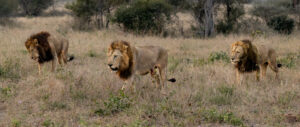
- Lions
- Leopards
- Cheetahs
- Elephants
- Buffaloes
- Black rhinoceroses
- Wildebeest
- Zebras
- Giraffes
- Hippopotamuses
- Hyenas
- Warthogs
- Gazelles
- Numerous bird species
The route also offers the possibility of witnessing the Great Wildebeest Migration. However, migration sightings depend on the season, rainfall and location of the herds.
Main Destinations on the Northern Circuit
Arusha National Park
Arusha National Park is often overlooked by travelers heading directly toward Serengeti or Ngorongoro. However, it is an attractive destination for a short introductory safari.
The park contains Mount Meru, the Momella Lakes and the forested Ngurdoto Crater. Wildlife includes giraffes, zebras, buffaloes, warthogs, monkeys and antelopes. Leopards are present but rarely seen.
Unlike many other parks, Arusha National Park offers activities beyond traditional game drives. Visitors can participate in guided walking safaris and canoeing excursions where available.
It is especially suitable for:
- Travelers with an extra day in Arusha
- Visitors who prefer walking experiences
- Birdwatchers
- Families seeking a gentle introduction to safari
- Travelers preparing to climb Mount Kilimanjaro or Mount Meru
Tarangire National Park
Tarangire National Park is famous for its large elephant population, ancient baobab trees and the Tarangire River. During the dry season, the river becomes an essential source of water, attracting large numbers of animals.
Visitors may encounter elephants, lions, leopards, giraffes, zebras, wildebeest, buffaloes, impalas and many bird species.
Tarangire is particularly impressive from June through October. As water becomes scarce in the surrounding ecosystem, wildlife gathers near the river and remaining water sources.
The park can be visited as a day trip from Arusha, but staying nearby or inside the park allows travelers more time for wildlife viewing.
When visiting Tarangire, neutral-colored clothing is recommended. Avoid very dark blue and black clothing because these colors can attract tsetse flies in some areas.
Lake Manyara National Park
Lake Manyara National Park is located beneath the dramatic escarpment of the Great Rift Valley. It is known for its groundwater forest, lake environment, birdlife and diverse landscapes.
Wildlife may include elephants, giraffes, buffaloes, zebras, hippos, monkeys and various antelope species. The park is traditionally associated with tree-climbing lions, although sightings cannot be guaranteed.
Lake Manyara is relatively compact and is commonly included in itineraries lasting five days or longer. It can also be replaced with additional time in Tarangire, Serengeti or Ngorongoro when travelers have limited time.
The park is suitable for:
- Birdwatchers
- First-time safari travelers
- Families
- Visitors interested in varied landscapes
- Travelers combining safari with cultural activities around Mto wa Mbu
Ngorongoro Conservation Area
The Ngorongoro Conservation Area is one of Tanzania’s most remarkable destinations. Its central attraction is Ngorongoro Crater, a vast volcanic caldera containing a dense concentration of wildlife.
The crater floor supports lions, elephants, buffaloes, wildebeest, zebras, hippos, hyenas and gazelles. It is also one of the best places in Tanzania to search for the endangered black rhinoceros.
A typical crater tour begins early in the morning. Travelers descend into the crater with a packed or hot lunch and spend several hours exploring before ascending in the afternoon.
The crater rim can be cold, misty and windy, especially early in the morning and at night. Visitors should bring warm clothing even when traveling during Tanzania’s dry season.
The wider conservation area is also culturally important because Maasai communities live and graze livestock within designated areas.
Serengeti National Park
Serengeti National Park is the centerpiece of most Northern Circuit itineraries. Its name is associated with immense plains, abundant predators and the Great Wildebeest Migration.
The park is divided into several major regions:
- Central Serengeti
- Western Corridor
- Northern Serengeti
- Southern Serengeti and Ndutu ecosystem
- Eastern Serengeti
Central Serengeti, especially the Seronera region, offers reliable wildlife viewing throughout the year. Lions, leopards, cheetahs, elephants, giraffes and numerous herbivores can be observed in this region.
Northern Serengeti is especially popular from July through October, when wildebeest may cross the Mara River. River crossings are natural events and cannot be scheduled or guaranteed.
The Ndutu area is most popular from December through March, particularly during the wildebeest calving season. Thousands of calves are born across the short-grass plains, attracting predators.
Because Serengeti is large, travelers should spend at least two nights in the park whenever possible. Three or four nights are better for migration-focused or photography safaris.
Recommended Seven-Day Northern Circuit Itinerary
A seven-day itinerary provides a comfortable introduction to the main Northern Circuit destinations.
Day 1: Arrival in Arusha
Upon arrival at Kilimanjaro International Airport or Arusha Airport, meet your representative and transfer to your accommodation in Arusha.
Use the remainder of the day to rest and prepare for the safari. Your guide or tour consultant may provide a briefing covering the route, accommodation, luggage and departure time.
If you arrive early, optional activities may include:
- Arusha city tour
- Cultural Heritage Art Gallery
- Local market visit
- Coffee plantation tour
- Serval Wildlife visit
- Arusha National Park
Day 2: Arusha to Tarangire National Park
After breakfast, depart Arusha for Tarangire National Park. The journey generally takes approximately two hours, depending on traffic and the location of your accommodation.
Enter the park and begin your first game drive. Look for elephant families, giraffes, zebras, wildebeest and predators around the Tarangire River.
Enjoy lunch at a designated picnic site or your lodge. Continue exploring in the afternoon before traveling to your accommodation near Tarangire, Lake Manyara or Karatu.
Day 3: Tarangire or Karatu to Serengeti
After breakfast, travel toward Serengeti National Park through the Ngorongoro highlands. The drive is long, but the scenery changes dramatically along the way.
Depending on the route and schedule, you may stop at a viewpoint overlooking Ngorongoro Crater. Optional visits to a Maasai village or Olduvai Gorge can sometimes be arranged for an additional fee.
Continue toward Central Serengeti and enjoy wildlife viewing after entering the park. Arrive at your camp or lodge in the evening.
Day 4: Full-Day Serengeti Safari
Spend the entire day exploring Serengeti National Park. An early start provides good opportunities to observe predators before temperatures rise.
Your guide will select wildlife-viewing areas based on recent sightings, road conditions and animal movements. You may return to the lodge for lunch or enjoy a picnic inside the park.
A full day in Serengeti offers time to search for lions, leopards, cheetahs, elephants, giraffes and large herds of grazing animals.
An optional hot-air balloon safari may be arranged in advance. Balloon excursions usually begin before sunrise and typically include breakfast after landing.
Day 5: Serengeti to Ngorongoro Highlands
Begin with a morning game drive in Serengeti. Early morning is often an excellent period for wildlife activity and photography.
After lunch, travel toward the Ngorongoro Conservation Area. Depending on your accommodation, spend the night near the crater rim or in Karatu.
Crater-rim accommodation provides convenient access for the following morning, while Karatu usually offers a broader selection of affordable lodges.
Day 6: Ngorongoro Crater Safari
After an early breakfast, descend into Ngorongoro Crater for a game drive. The crater contains several habitats, including grassland, woodland, wetlands and a soda lake.
Search for black rhinoceroses, lions, elephants, buffaloes, zebras, wildebeest and hippos. Enjoy lunch at a designated picnic site before continuing the game drive.
In the afternoon, ascend from the crater and return to Arusha or spend another night in Karatu, depending on your departure arrangements.
Day 7: Departure
After breakfast, transfer to Arusha Airport or Kilimanjaro International Airport.
If your flight departs late, you may add an Arusha city tour, souvenir shopping experience or relaxed lunch before traveling to the airport.
Five-Day Tanzania Northern Circuit Itinerary
A five-day itinerary is suitable for travelers with limited time who still want to visit the most important parks.
Day 1: Arusha to Tarangire
Drive from Arusha to Tarangire National Park for a game drive. Spend the night near Tarangire, Lake Manyara or Karatu.
Day 2: Tarangire Area to Serengeti
Travel through the Ngorongoro highlands to Serengeti National Park. Enjoy an afternoon game drive in Central Serengeti.
Day 3: Full-Day Serengeti
Spend a full day exploring Central Serengeti. Your guide will focus on productive wildlife areas based on the season and recent sightings.
Day 4: Serengeti to Ngorongoro
Enjoy a morning Serengeti game drive before proceeding toward Ngorongoro. Overnight near the crater rim or in the conservation area.
Day 5: Ngorongoro Crater to Arusha
Descend into Ngorongoro Crater in the morning. After the game drive and lunch, return to Arusha.
This route prioritizes Tarangire, Serengeti and Ngorongoro. Lake Manyara can be included by extending the safari or replacing Tarangire, although Tarangire is often preferred for its elephants and open landscapes.
Eight-Day Northern Circuit Itinerary
Travelers seeking a more relaxed safari can choose an eight-day route.
- Day 1: Arrival in Arusha
- Day 2: Arusha National Park or Tarangire
- Day 3: Tarangire full-day game drive
- Day 4: Travel to Serengeti
- Day 5: Full-day Serengeti safari
- Day 6: Full-day Serengeti safari
- Day 7: Serengeti to Ngorongoro
- Day 8: Ngorongoro Crater and return to Arusha
This schedule gives travelers more time at wildlife sightings and reduces the feeling of rushing between parks.
Ten-Day Northern Tanzania Safari Itinerary
A ten-day itinerary is recommended for photographers, wildlife enthusiasts and travelers interested in migration areas.
A possible route is:
- Day 1: Arrival in Arusha
- Day 2: Arusha to Tarangire
- Day 3: Full day in Tarangire
- Day 4: Lake Manyara or Lake Eyasi
- Day 5: Travel to Serengeti
- Day 6: Full-day Central Serengeti
- Day 7: Full-day Central or migration-region safari
- Day 8: Serengeti to Ngorongoro
- Day 9: Ngorongoro Crater
- Day 10: Return to Arusha and departure
During July, August and September, additional nights can be allocated to Northern Serengeti. Between December and March, the itinerary can focus on Ndutu and Southern Serengeti.
Best Time for a Northern Circuit Safari
The Northern Circuit can be visited throughout the year, but every season offers a different experience.
June to October
This is the main dry season. Wildlife is often easier to locate because vegetation is thinner and animals gather near permanent water sources.
Tarangire is particularly rewarding during these months. Northern Serengeti is also popular from July to October because of the possibility of Mara River crossings.
Advantages include:
- Excellent general wildlife viewing
- Lower rainfall
- Easier road conditions
- High elephant concentrations in Tarangire
- Northern Serengeti migration opportunities
The main disadvantages are higher prices and increased visitor numbers.
November and Early December
Short rains may begin in November, refreshing the landscape. Visitor numbers may be lower than during the main dry season.
Rain usually occurs in short periods rather than continuously, although weather patterns are unpredictable.
December to March
This period is excellent for visiting Ndutu and Southern Serengeti. Migrating herds gather on the nutrient-rich short-grass plains.
Calving generally peaks around January and February, though timing depends on rainfall. Predator activity can be particularly dramatic because young wildebeest attract lions, cheetahs and hyenas.
April and May
These are traditionally the wettest months. Some remote camps close, and unpaved roads can become difficult.
However, travelers may benefit from:
- Lower accommodation prices
- Fewer safari vehicles
- Green landscapes
- Excellent birdlife
- Atmospheric photography
A well-equipped four-wheel-drive vehicle and experienced guide are especially important during the rainy season.
Great Migration Safari Planning
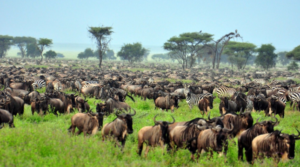
The Great Migration is a year-round movement involving wildebeest, zebras and other herbivores. The animals follow rainfall and fresh grazing across the Serengeti–Mara ecosystem.
There is no single fixed migration schedule. A responsible itinerary should therefore be based on seasonal patterns rather than guarantees.
Approximate seasonal locations include:
- December to March: Ndutu and Southern Serengeti
- April to May: Central and Western Serengeti
- June to July: Western Corridor and movement northward
- July to October: Northern Serengeti and Maasai Mara region
- November: Movement back toward eastern and southern areas
Travelers hoping to see a Mara River crossing should stay at least three nights in Northern Serengeti. Even then, a crossing cannot be guaranteed because the herds may wait near the river for hours or days.
Private Versus Shared Northern Circuit Safaris
Private Safari
A private safari provides a dedicated vehicle and guide for your party.
Benefits include:
- Flexible departure times
- More control over game-drive duration
- Ability to spend longer at sightings
- Greater luggage flexibility
- Accommodation tailored to your budget
- Better conditions for photography
- A more personal experience
Private safaris are particularly suitable for families, honeymooners, photographers and travelers seeking migration-specific routes.
Shared Group Safari
A shared safari allows travelers to join other guests in one vehicle. Most groups use a maximum of approximately seven passengers per safari vehicle, depending on the operator.
Benefits include:
- More affordable pricing
- Opportunity to meet other travelers
- Regular departures
- Reduced vehicle costs per person
Shared itineraries normally follow fixed routes and schedules. Remote destinations such as Northern Serengeti and Ndutu are generally better suited to private safaris because they require specialized routing and longer stays.
Safari Accommodation Options
Budget Camping
Budget camping is the most affordable way to experience the Northern Circuit.
A camping package may include:
- Tent
- Mattress
- Sleeping bag
- Pillow
- Safari chef
- Meals
- Shared campsite facilities
Public campsites inside Serengeti and the Ngorongoro area provide an adventurous experience close to nature. Bathroom facilities are usually shared and relatively basic.
Mid-Range Lodges and Tented Camps
Mid-range accommodation balances comfort and price. Rooms or permanent tents usually include private bathrooms, proper beds, hot showers and restaurant facilities.
This category is popular with couples, families and travelers who want comfort after long game drives.
Luxury Accommodation
Luxury safari properties provide premium locations, spacious rooms, personalized service and high-quality dining. Some include pools, spa treatments, private decks and exclusive game-viewing areas.
Luxury accommodation can significantly increase the total safari price, especially during peak migration months.
What Does a Northern Circuit Safari Cost?
The cost of a Tanzania wildlife safari Northern Circuit itinerary depends on:
- Number of travelers
- Number of safari days
- Private or shared arrangement
- Accommodation category
- Travel season
- Parks included
- Domestic flights
- Optional activities
- Vehicle and guide arrangements
Private safari prices per person often decrease as the number of travelers increases because vehicle expenses are shared.
A typical safari quotation may include:
- Four-wheel-drive safari vehicle
- Professional English-speaking guide
- Park entry fees
- Ngorongoro Crater service fee
- Accommodation
- Meals during safari
- Drinking water
- Game drives
- Airport or hotel transfers specified in the itinerary
Items commonly excluded include:
- International flights
- Visa fees
- Travel insurance
- Tips
- Alcoholic drinks
- Personal expenses
- Optional cultural visits
- Balloon safari
- Additional accommodation before or after the tour
Always request a detailed list of inclusions and exclusions before confirming your booking.
Driving Safari Versus Fly-In Safari
Most Northern Circuit itineraries use road transportation because the parks form a natural route from Arusha.
A driving safari allows travelers to observe changing landscapes and visit several destinations along the way. It is generally more affordable than using multiple domestic flights.
Fly-in safaris reduce travel time and are ideal for:
- Short holidays
- Luxury travelers
- Honeymooners
- Visitors combining Zanzibar with Serengeti
- Travelers focusing on remote migration regions
A common fly-in plan involves flying from Zanzibar or Arusha to Serengeti, completing game drives there, and later driving through Ngorongoro and Tarangire.
Another option is to complete the entire safari by road and fly from Serengeti to Zanzibar at the end.
Combining Safari With Zanzibar
A Northern Circuit safari combines easily with a Zanzibar beach holiday.
A popular arrangement is:
- Arrival in Tanzania
- Northern Circuit safari
- Domestic flight to Zanzibar
- Four to seven nights in Zanzibar
- International departure
Travelers can fly to Zanzibar from Arusha Airport, Kilimanjaro International Airport or an airstrip inside Serengeti.
Flight schedules can change, so sufficient connection time should be allowed. Your safari consultant should coordinate the final game drive and transfer with your domestic flight departure.
Combining Safari With Kilimanjaro
Many visitors combine a Northern Circuit safari with a Mount Kilimanjaro climb. The order depends on personal preference.
Completing the climb first allows travelers to relax during the safari afterward. However, some visitors prefer a short safari before climbing to adjust to Tanzania and recover from international travel.
Allow at least:
- Five to nine days for Kilimanjaro, depending on the route
- One recovery night
- Four to seven days for safari
Mount Meru, the Marangu day hike and Materuni Waterfalls are alternatives for travelers who do not want to attempt a full Kilimanjaro climb.
Family Northern Circuit Safaris
The Northern Circuit can be an excellent family destination when the itinerary is designed around children’s ages and comfort.
Family planning considerations include:
- Shorter driving periods
- Family rooms
- Lodges with swimming pools
- Private vehicle
- Frequent comfort breaks
- Child-friendly meals
- Flexible game-drive schedules
Parents should check age restrictions for walking safaris, balloon flights and certain camps.
A private safari is generally recommended for families with young children because it offers more control over daily timing.
Honeymoon Safari Itinerary
A Tanzania honeymoon safari can combine private wildlife viewing with intimate tented camps, scenic lodges and special arrangements.
A suggested honeymoon itinerary includes:
- One night in Arusha
- Two nights in Tarangire
- Three nights in Serengeti
- One night near Ngorongoro
- Zanzibar beach extension
Possible honeymoon experiences include:
- Private safari vehicle
- Bush dinner
- Sundowner drinks
- Hot-air balloon safari
- Room decoration
- Private picnic
- Luxury lodge upgrade
Travelers should inform the tour operator in advance so special arrangements can be coordinated with the accommodation providers.
Northern Circuit Photography Safari
Photographers benefit from a private vehicle, an experienced guide and a slower itinerary.
A photography-focused safari should include:
- At least three nights in Serengeti
- Private vehicle
- Window access
- Flexible game-drive schedules
- Patient guide
- Charging facilities
- Extra batteries and memory cards
- Bean bags or camera supports
Morning and late-afternoon light usually provides the best conditions for wildlife photography. Midday can still be useful for action scenes and animals gathering near water.
Protect cameras from dust using sealed bags or protective covers. Avoid changing lenses unnecessarily during dusty game drives.
Packing List
Recommended safari items include:
- Passport and visa documents
- Travel insurance information
- Neutral-colored clothing
- Light long-sleeved shirts
- Comfortable trousers
- Warm jacket
- Sun hat
- Sunglasses
- Sunscreen
- Insect repellent
- Comfortable closed shoes
- Personal medication
- Camera and charger
- Binoculars
- Power bank
- Reusable water bottle
- Small flashlight
Soft-sided luggage is usually more practical than a hard suitcase, especially for shared vehicles and domestic flights.
Health and Safety
Consult a qualified medical professional before traveling for current vaccination and medication advice.
General precautions include:
- Drink safe bottled or purified water
- Use insect repellent
- Follow your guide’s instructions
- Do not leave the vehicle without permission
- Keep a safe distance from wildlife
- Avoid feeding animals
- Store valuables securely
- Purchase comprehensive travel insurance
Wild animals can behave unpredictably. Your guide’s instructions are intended to protect both visitors and wildlife.
Responsible Safari Travel
Responsible tourism helps preserve Tanzania’s ecosystems and benefits local communities.
Travelers can support conservation by:
- Choosing licensed local operators
- Respecting park rules
- Avoiding litter
- Reducing single-use plastics
- Maintaining distance from animals
- Avoiding loud behavior at sightings
- Supporting ethical community projects
- Purchasing locally made products
- Never pressuring guides to drive off-road illegally
A good safari operator should prioritize safety, conservation and responsible wildlife viewing.
Final Thoughts
A well-designed Tanzania wildlife safari Northern Circuit itinerary combines spectacular wildlife, beautiful scenery and some of Africa’s most famous protected areas.
Travelers with limited time can explore Tarangire, Serengeti and Ngorongoro in five days. A seven- or eight-day safari provides a more comfortable pace, while ten days or longer allows travelers to include remote migration areas, cultural experiences and additional parks.
The best itinerary depends on the season, budget, accommodation preference and desired wildlife experiences. By working with an experienced Tanzania safari operator, travelers can create a route that minimizes unnecessary travel and maximizes time in the parks.
Whether you want to photograph Serengeti predators, watch elephants in Tarangire, search for black rhinoceroses in Ngorongoro or combine safari with Zanzibar, the Northern Circuit delivers an unforgettable introduction to Tanzania.
Ready to plan your Northern Tanzania safari? Contact Kilipath African Safaris for a personalized itinerary based on your travel dates, preferred accommodation and budget.