Skip to content

A Tanzania wildlife safari offers far more than an opportunity to see wild animals. It is a journey through immense savannahs, volcanic landscapes, ancient baobab forests, wildlife-rich river valleys, and some of Africa’s most celebrated national parks. With an experienced Tanzania safari operator organizing your adventure, you can explore these remarkable destinations safely, comfortably, and at a pace that suits your interests.
Kilipath African Safaris creates private and shared wildlife safaris across Tanzania. Whether you are planning your first African holiday, a family safari, a honeymoon, a photography expedition, or a luxury wildlife escape, we help you select the right parks, accommodation, transportation, and activities.
Our safaris can include the Serengeti National Park, Ngorongoro Crater, Tarangire National Park, Lake Manyara, Nyerere National Park, Ruaha National Park, and other exceptional destinations. Every itinerary is designed around your travel dates, budget, preferred comfort level, and the wildlife experiences you hope to enjoy.
Why Choose Tanzania for a Wildlife Safari?
Tanzania is one of Africa’s most rewarding safari destinations because it combines extraordinary wildlife diversity with vast protected landscapes. The country is home to the Serengeti ecosystem, the Ngorongoro Conservation Area, Mount Kilimanjaro, and some of the continent’s largest national parks.
Visitors may encounter lions resting beneath acacia trees, elephants moving through baobab woodland, giraffes crossing the plains, hippos gathering in rivers, and enormous herds of wildebeest and zebras following seasonal rainfall.
Tanzania is especially attractive because it offers several different safari circuits. Travelers can choose the famous Northern Circuit, the quieter Southern Circuit, or remote parks in Western Tanzania.
The country is suitable for:
- First-time safari travelers
- Couples and honeymooners
- Families with children
- Solo travelers
- Wildlife photographers
- Birdwatchers
- Small private groups
- Luxury travelers
- Budget camping travelers
- Visitors combining safari with Zanzibar or Kilimanjaro
A knowledgeable Tanzania wildlife safari operator will help you choose the most suitable circuit instead of simply placing every traveler on the same standard route.
Why Travel With a Local Tanzania Safari Operator?
Planning a safari involves much more than reserving hotel rooms. Park-entry schedules, driving distances, seasonal animal movements, accommodation locations, domestic flights, luggage restrictions, and road conditions must all be considered.
A reliable local operator coordinates these details and provides assistance before, during, and after your trip.
When you travel with Kilipath African Safaris, your package can include:
- A professionally planned safari itinerary
- A private or shared 4×4 safari vehicle
- An experienced English-speaking safari guide
- National park entrance fees
- Ngorongoro Crater service fees when included
- Accommodation according to your selected category
- Meals specified in the itinerary
- Drinking water during game drives
- Airport and hotel transfers
- Domestic flight arrangements when required
- Emergency and operational support throughout the safari
Private safaris can also be arranged with guides who speak French, German, Spanish, or Italian, subject to availability.
Tanzania’s Best Wildlife Safari Destinations
Serengeti National Park
The Serengeti is Tanzania’s most famous wildlife destination and one of the greatest safari landscapes in the world. Its name is associated with open grasslands, abundant predators, dramatic sunsets, and the annual Great Migration.
The park supports large populations of lions, leopards, cheetahs, elephants, giraffes, buffaloes, hyenas, hippos, and many antelope species. Even when the migration herds are in another part of the ecosystem, the Serengeti offers outstanding resident wildlife throughout the year.
Because the park is enormous, selecting the correct region is essential.
Central Serengeti
Central Serengeti, commonly known as the Seronera area, offers reliable year-round wildlife viewing. Its river valleys attract resident animals and provide excellent leopard habitat. Lions, cheetahs, elephants, giraffes, hippos, and many other animals can also be seen.
Central Serengeti is suitable for first-time visitors and travelers visiting outside the main migration periods.
Southern Serengeti and Ndutu
From approximately December through April, large migration herds gather across the southern plains and the Ndutu region. The calving season normally peaks between late January and February, when thousands of wildebeest calves may be born within a short period.
The abundance of vulnerable young animals attracts lions, cheetahs, hyenas, and other predators. This makes the green season particularly exciting for photography and predator sightings.
Western Corridor
The migration generally moves toward the Western Corridor between May and June, although exact timing depends on rainfall. The Grumeti River and surrounding woodland offer a different landscape from the open southern plains.
Northern Serengeti
From July through October, the migration may reach Northern Serengeti. This is the principal Tanzanian region for travelers hoping to witness Mara River crossings.
Crossings cannot be scheduled or guaranteed because the animals move naturally. However, spending several nights in the north during the appropriate season improves the opportunity to observe migration activity.
Ngorongoro Crater
The Ngorongoro Crater is one of Tanzania’s most concentrated wildlife-viewing areas. The crater is a vast volcanic caldera with grasslands, woodland, marshes, freshwater pools, and a soda lake.
During a crater game drive, travelers may see:
- Lions
- Elephants
- Buffaloes
- Zebras
- Wildebeest
- Hippos
- Hyenas
- Jackals
- Flamingos
- Black rhinoceroses
The black rhinoceros is never guaranteed, but the crater remains one of Tanzania’s better places to search for this rare species.
Safari vehicles descend into the crater for a limited period, so good timing and an experienced guide are important. The crater floor can become busy during peak season. Entering early often creates a calmer experience and better morning light for photography.
Tarangire National Park
Tarangire is famous for elephants, ancient baobab trees, and beautiful seasonal scenery. It is often included at the beginning or end of a Northern Circuit itinerary because it is relatively accessible from Arusha.
During the dry season, the Tarangire River becomes an important water source, attracting elephants, zebras, wildebeest, buffaloes, and numerous antelope species. Lions and other predators follow the concentration of prey.
Tarangire is not merely a short stop before the Serengeti. Travelers who enjoy elephants, birdlife, and varied landscapes may benefit from spending two nights in or near the park.
The park is also home to tsetse flies, so light-colored neutral clothing is recommended. Avoid wearing dark blue or black during game drives.
Lake Manyara National Park
Lake Manyara National Park lies between the Great Rift Valley escarpment and the lake. Although smaller than the Serengeti or Tarangire, the park contains several habitats, including groundwater forest, woodland, wetlands, and open areas near the lake.
Wildlife sightings may include elephants, giraffes, buffaloes, baboons, hippos, zebras, and numerous bird species. The park has historically been associated with tree-climbing lions, but sightings are never guaranteed.
Changing water levels can influence road access and animal distribution. A responsible operator should evaluate current conditions before deciding whether Lake Manyara is the best addition to your itinerary.
Nyerere National Park
Nyerere National Park, formerly part of the Selous Game Reserve, provides a quieter Southern Circuit experience. Its rivers, lakes, woodland, and open plains support elephants, lions, buffaloes, hippos, crocodiles, giraffes, and African wild dogs.
Unlike most Northern Circuit parks, Nyerere can offer both traditional game drives and boat safaris. A boat excursion on the Rufiji River creates opportunities to observe hippos, crocodiles, waterbirds, and animals approaching the riverbanks.
Nyerere is a strong choice for travelers coming from Dar es Salaam or Zanzibar, especially when domestic flights are used.
Ruaha National Park
Ruaha is one of Tanzania’s most impressive wilderness destinations. It is known for rugged scenery, large elephant populations, predators, baobab-covered landscapes, and comparatively low visitor numbers.
The Great Ruaha River attracts wildlife during the dry season. The park is especially appealing to experienced safari travelers who want a remote atmosphere rather than a busy, conventional itinerary.
Because of Ruaha’s location, fly-in arrangements are often more practical than driving from northern Tanzania.
The Big Five and Other Wildlife in Tanzania
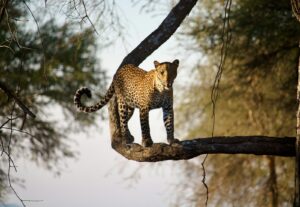
Many visitors arrive hoping to see Africa’s Big Five: lion, leopard, elephant, buffalo, and rhinoceros. Tanzania offers opportunities to encounter all five, but wild-animal sightings can never be guaranteed.
The country also protects an extraordinary range of other animals, including:
- Cheetahs
- African wild dogs
- Spotted hyenas
- Giraffes
- Hippos
- Crocodiles
- Wildebeest
- Zebras
- Warthogs
- Elands
- Gazelles
- Impalas
- Jackals
- Baboons
- Colobus monkeys
An excellent safari is not measured only by completing a checklist. Watching elephants communicate, seeing a cheetah scan the plains, or observing giraffes move through morning mist can be just as memorable as finding a rare animal.
A skilled guide interprets tracks, calls, behavior, habitat, and relationships between species. This transforms a game drive into a deeper wildlife experience.
When Is the Best Time for a Tanzania Wildlife Safari?
Tanzania can be visited throughout the year, but the best period depends on your priorities.
June to October: Dry Season
The dry season generally offers excellent game viewing. Vegetation becomes thinner, and animals gather near permanent water sources. Roads are usually easier to navigate, and rainfall is limited.
July through September is also an important period for the migration in Northern Serengeti. These months are popular, so lodges and camps can fill early.
November to December: Short Rains
The short rains refresh the landscape and can provide dramatic clouds, green scenery, and fewer visitors. Rainfall is often intermittent rather than continuous, although weather patterns vary.
January to March: Calving Season
The southern Serengeti and Ndutu region become especially important during this period. Wildebeest herds gather on the nutrient-rich plains, and calving normally peaks around late January and February.
This is a wonderful season for predator activity and photography.
April and May: Green Season
These are traditionally the wetter months. Some camps may close, and certain roads can become difficult. However, the scenery is lush, visitor numbers are lower, and selected properties may offer favorable rates.
Rain should not automatically discourage travel. Its impact depends on the parks, itinerary, and accommodation selected.
Private and Shared Tanzania Safaris
Private Wildlife Safari
A private safari provides a dedicated vehicle and guide for your party. It offers greater flexibility over departure times, photography stops, rest breaks, and the overall pace.
Private safaris are recommended for:
- Couples wanting privacy
- Families with children
- Honeymoon travelers
- Photographers
- Travelers with special interests
- Groups of friends
- Visitors requiring a particular language
- Travelers visiting Ndutu or Northern Serengeti
The price per person may decrease when more travelers share the private vehicle.
Shared Group Safari
A shared safari is a cost-effective choice for solo travelers, couples, and friends who do not mind traveling with other guests. At Kilipath African Safaris, group safaris normally use a 4×4 Land Cruiser carrying a maximum of seven travelers, with a window seat for each guest.
Shared routes follow a fixed schedule. They generally cover popular destinations such as Tarangire, Central Serengeti, Ngorongoro Crater, and Lake Manyara.
Northern Serengeti and Ndutu normally require a private safari because their seasonal locations and longer distances do not suit standard shared departures.
Safari Accommodation Options
Tanzania offers accommodation for different budgets and comfort levels.
Budget Camping
Public camping provides an adventurous and affordable experience. Packages usually include tents, mattresses, sleeping bags, meals prepared by a safari chef, and shared bathroom facilities.
Camping places travelers close to nature, but facilities are simple. Hot water and constant electricity may not always be available.
Mid-Range Lodges and Tented Camps
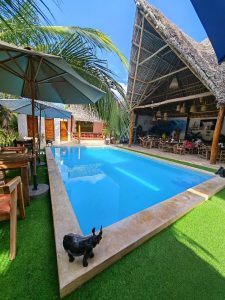
Mid-range properties usually provide private bedrooms, en-suite bathrooms, comfortable beds, and restaurant meals. Tented camps combine canvas accommodation with the facilities of a lodge.
This category is popular with travelers seeking comfort without choosing the most expensive properties.
Luxury Safari Camps
Luxury camps may offer spacious suites, refined dining, premium locations, personalized service, private verandas, and additional amenities. Some are highly seasonal and positioned near migration areas.
Luxury does not always mean better wildlife viewing. Location and itinerary design remain crucial, which is why the right operator should consider more than the appearance of a property.
What Is a Typical Tanzania Safari Itinerary?
A balanced first-time itinerary usually includes Tarangire, Serengeti, and Ngorongoro Crater.
Day 1: Arusha to Tarangire National Park
Meet your guide in Arusha and drive to Tarangire. Spend the day searching for elephants, lions, giraffes, zebras, and other wildlife among the baobab trees. Continue to your selected lodge or camp.
Day 2: Tarangire to Serengeti
Travel toward Serengeti, passing through the Ngorongoro Conservation Area. Enter the park and enjoy an afternoon game drive before proceeding to your accommodation.
Day 3: Full-Day Serengeti Game Drive
Explore the Serengeti with morning and afternoon wildlife viewing. Your guide selects areas according to recent sightings, seasonal movements, and road conditions.
Day 4: Serengeti to Ngorongoro Area
Enjoy another game drive in Serengeti before traveling toward Ngorongoro. Depending on your itinerary, you may stay near the crater rim, inside the conservation area, or around Karatu.
Day 5: Ngorongoro Crater to Arusha
Descend into Ngorongoro Crater for a game drive. After lunch, ascend from the crater and return to Arusha.
Longer safaris may add Northern Serengeti, Ndutu, Lake Manyara, Lake Eyasi, Lake Natron, or extra nights in Tarangire and Serengeti.
Tanzania Safari Vehicles and Guides
A purpose-built safari vehicle plays a significant role in your comfort and wildlife viewing.
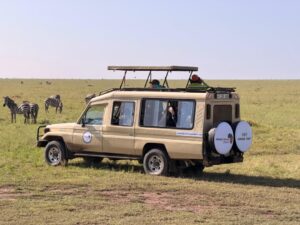
Our safaris use 4×4 Land Cruisers equipped with:
- A pop-up roof for viewing and photography
- Individual window access
- Comfortable passenger seats
- Seatbelts
- Charging sockets or USB connections
- A cooler or refrigerator
- Drinking water
- First-aid equipment
- Radio communication
- Space for safari luggage
The guide is equally important. An experienced guide understands animal behavior, park regulations, road conditions, and the best wildlife-viewing areas. Guides also manage timing, communicate with other professionals, and explain Tanzania’s ecology and culture.
How Much Does a Tanzania Wildlife Safari Cost?
The cost depends on several factors:
- Number of safari days
- Private or shared travel
- Number of people
- Accommodation category
- Parks included
- Time of year
- Domestic flights
- Special activities
- Vehicle and guide requirements
Budget camping is normally the most affordable option. Shared departures can also reduce costs because transportation and operational expenses are divided among travelers.
Mid-range private safaris cost more but provide additional comfort and flexibility. Luxury camps, fly-in transfers, and remote destinations increase the overall price.
When comparing offers, examine what is included. An unusually low price may exclude important expenses such as park fees, crater fees, transfers, meals, or accommodation.
What Should Be Included in a Safari Package?
A well-prepared quotation should clearly explain inclusions and exclusions.
Common inclusions are:
- Safari transportation
- Professional guide
- Park fees
- Accommodation
- Meals during the safari
- Drinking water
- Game drives
- Airport or hotel transfers specified in the program
- Camping equipment and chef for camping safaris
Common exclusions are:
- International flights
- Travel insurance
- Visa costs
- Personal purchases
- Alcoholic beverages
- Guide and staff gratuities
- Optional activities
- Medical expenses
Optional experiences may include a Serengeti balloon safari, Maasai cultural visit, Hadzabe experience, walking safari, night game drive, Olduvai Gorge visit, or boat safari in Nyerere.
Combining Safari With Zanzibar or Kilimanjaro
A wildlife safari can easily be combined with a Zanzibar beach holiday. Domestic flights connect Zanzibar with Arusha, Kilimanjaro, Dar es Salaam, Serengeti airstrips, Nyerere, and other safari destinations.
Travelers can begin with safari and relax in Zanzibar afterward, or enjoy the beach first and then fly to the mainland.
Adventurous visitors may combine a safari with:
- A Mount Kilimanjaro climb
- A Mount Meru trek
- A Marangu day hike
- Materuni Waterfalls
- Lake Natron
- Ol Doinyo Lengai
- Cultural activities around Lake Eyasi
Adequate rest should be included between a demanding mountain climb and a long safari.
What to Pack for a Tanzania Wildlife Safari
Bring practical, comfortable clothing in neutral colors such as beige, khaki, olive, or light brown.
Recommended items include:
- Lightweight shirts
- Comfortable trousers or shorts
- Warm jacket or fleece
- Closed walking shoes
- Sun hat
- Sunglasses
- Sunscreen
- Insect repellent
- Personal medication
- Camera and spare batteries
- Power bank
- Binoculars
- Small day bag
- Reusable water bottle
- Copies of travel documents
Ngorongoro mornings can be cold, while afternoons in lower areas may become hot. Dressing in layers is the easiest solution.
Soft-sided luggage is preferable, especially when using domestic flights. Hard suitcases may be restricted on small aircraft or difficult to store in safari vehicles.
Responsible and Respectful Safari Travel
Responsible safari tourism helps protect wildlife and supports communities living near conservation areas.
Travelers should:
- Follow their guide’s instructions
- Avoid feeding or disturbing animals
- Keep noise low near wildlife
- Never leave rubbish in the parks
- Respect photography rules
- Ask permission before photographing local people
- Use water responsibly
- Select reputable operators and accommodation
- Maintain a safe distance from animals
Wildlife comes first. A professional guide should never drive off-road illegally, crowd animals, or pressure wildlife merely to obtain a photograph.
Why Choose Kilipath African Safaris?
Choosing the right operator can determine whether your trip feels stressful or seamless. Kilipath African Safaris combines local knowledge with personalized planning to create realistic itineraries for different travelers.
We help guests with:
- Private and shared safaris
- Budget, mid-range, and luxury packages
- Family safari planning
- Honeymoon experiences
- Migration itineraries
- Safari and Zanzibar combinations
- Kilimanjaro and safari packages
- Airport transfers
- Domestic flights
- Accommodation selection
- Custom itinerary design
We explain driving distances, seasonal conditions, accommodation standards, and package inclusions clearly. Our goal is to design a safari that matches your expectations rather than selling an unsuitable itinerary.
Book Your Tanzania Wildlife Safari
Your ideal safari should reflect your interests, dates, budget, and preferred way of traveling. Whether you want to watch elephants beneath Tarangire’s baobabs, search for lions in the Serengeti, descend into Ngorongoro Crater, or combine wildlife viewing with Zanzibar, Kilipath African Safaris can create a suitable itinerary.
Contact us with:
- Your travel dates
- Number of adults and children
- Preferred safari duration
- Accommodation level
- Estimated budget
- Private or shared safari preference
- Desired parks and activities
- Arrival and departure details
We will prepare a personalized Tanzania wildlife safari proposal with a clear route, accommodation options, inclusions, and price.
Start planning your Tanzania safari with a trusted local operator today.