Budget Ruaha Safari Adventure
Explore Ruaha National Park’s baobab country on a guided safari built around your dates, group size and budget. Spend your game drives…
Read articleArusha City - Tanzania
Safari & Travel Tips
October 12, 2026 · 4 min read
A Tanzania wildlife safari Ruaha adventure takes you into a landscape of ancient baobabs, rocky hills, woodland, and river valleys. Ruaha National Park offers opportunities to watch wildlife while discovering a different side of Tanzania’s safari country.
For travelers who enjoy exploring varied habitats, observing animal behavior, and spending several days in one wilderness area, Ruaha deserves consideration. This guide explains its wildlife, seasonal conditions, accommodation choices, and practical planning essentials.
Ruaha’s appeal comes partly from its varied landscapes. Open savanna, miombo woodland, rocky outcrops, and river systems create different settings for wildlife encounters. A morning drive might follow a sandy riverbed, while an afternoon outing explores woodland beneath towering baobabs. Ruaha National Park
The park also sits where eastern and southern African wildlife zones overlap. This contributes to its diversity, including antelope species such as greater kudu, lesser kudu, sable, and roan. Their presence adds interest beyond the familiar safari animals. tanzaniaparks.go.tz
Rather than rushing between destinations, build your visit around time to explore. Returning to an area on another day can reveal different animals, lighting, and behavior.
Wildlife viewing is central to a Tanzania wildlife safari Ruaha adventure. Ruaha supports elephants, buffalo, and a variety of plains animals, alongside its distinctive antelope species. tanzaniaparks.go.tz
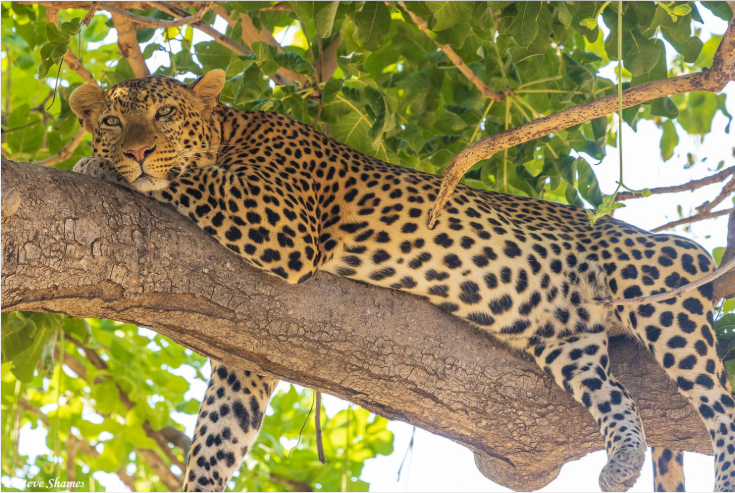
Predators are another attraction. Lions, leopards, cheetahs, and spotted hyenas inhabit the park, although sightings depend on animal movements, habitat, and timing. Early morning and late afternoon can be productive periods for looking for them. Ruaha National Park
Keep expectations flexible. Watching elephants interact or an antelope browse quietly can be just as rewarding as finding a big cat. No responsible operator can guarantee a particular sighting or a hunting scene.
The dry season, generally June to October, is a strong period to consider for wildlife viewing. As conditions become drier, animals are drawn toward the Great Ruaha River and other remaining water sources. TANAPA
Your travel dates should also reflect your preferences. Ask whether your chosen period suits photography, landscape viewing, or a particular wildlife interest. Before confirming a wetter-season trip, check camp opening dates, road access, and the activities available.
Seasonal patterns provide useful guidance, but rainfall varies. Plan around likely conditions while allowing room for nature to behave differently.
Start by comparing road access with a fly-in arrangement. Request current flight connections, baggage allowances, transfer details, and realistic driving times before choosing.
For a road itinerary, account for the journey to the park when calculating your holiday length. A four-day trip does not necessarily mean four full days of game viewing.
A fly-in itinerary may suit travelers who want to reduce time spent driving between destinations. However, the overall value depends on the flight cost, connections, and how many nights you spend in Ruaha.
The following outline works best when arrival and departure arrangements leave enough time inside the park.
Day 1: Arrival and introduction
Transfer to your accommodation, settle in, and enjoy an introductory game drive if arrival time permits.
Day 2: Explore different habitats
Spend the morning searching for wildlife, then continue exploring after lunch or a rest at camp. Your guide can adjust the route to recent sightings.
Day 3: Dedicated wildlife viewing
Allow another full day for game drives. Revisit promising areas and spend time observing animals without rushing to the next sighting.
Day 4: Departure
Enjoy breakfast and, where timing allows, a final activity before your onward transfer.
Treat this as a planning example. Your confirmed itinerary should specify transfers, activities, and accommodation.
Ruaha has public and special campsites, simple park bandas, and tented camps or lodges in different areas. Your choice affects both comfort and where your daily exploration begins. Ruaha National Park
Ask about private bathrooms, electricity, charging facilities, meal arrangements, and transfer distances. For camping, confirm exactly which sleeping equipment is supplied. Choose accommodation according to your needs and budget, rather than relying only on labels such as “mid-range” or “luxury.”
Request an itemized quotation covering accommodation, meals, guiding, vehicle arrangements, park charges, and transfers. Flights and optional activities should be clearly identified.
Also check exclusions, payment terms, and cancellation conditions. Current park fees should be confirmed before booking. Ruaha National Park
Bring lightweight clothing, a warm layer for early starts, comfortable shoes, sun protection, binoculars, and spare camera batteries. Keep essential medication accessible, and confirm baggage restrictions before packing for any small-aircraft flight.
A rewarding Tanzania wildlife safari Ruaha adventure begins with enough time, suitable accommodation, and realistic expectations.
Contact Kilipath African Safaris with your dates, number of travelers, preferred accommodation, and budget to discuss a Ruaha itinerary tailored to your interests.
Explore Ruaha National Park’s baobab country on a guided safari built around your dates, group size and budget. Spend your game drives…
Read articleDiscover Tanzania’s untamed wilderness without exceeding your travel budget. A budget Ruaha safari adventure offers incredible wildlife encounters, spectacular landscapes, authentic African…
Read articleA Nyerere Tanzania wildlife safari offers an extraordinary opportunity to discover one of Africa's most spectacular wilderness destinations. From magnificent elephants and…
Read articleTarangire National Park sits on Tanzania’s Northern Circuit and is usually visited from Arusha. Ruaha, Nyerere and Mikumi are Southern Circuit destinations.…
Read article