Skip to content
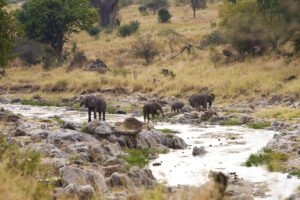
A Tanzania wildlife safari Ruaha experience takes you into a landscape of ancient baobab trees, wooded hills, rocky outcrops and seasonal rivers. Here, a safari unfolds through patient observation: elephants crossing a sandy riverbed, antelope moving between woodland and grassland, or lions resting in the shade.
Ruaha National Park offers travelers an opportunity to explore Tanzania beyond its familiar Northern Circuit. Its varied habitats make it particularly interesting for visitors who enjoy wildlife photography, birdwatching and spending several days discovering one destination.
This guide explains what makes Ruaha special, how to plan your visit and what to consider when choosing a safari itinerary.
What Makes Ruaha National Park Special?
Ruaha’s appeal begins with its landscapes. Baobab-studded savanna, miombo woodland, river corridors and granite outcrops create a changing backdrop for wildlife viewing. The Great Ruaha, Mwagusi, Mdonya and Jongomero river systems influence how animals move through the park, with remaining water sources becoming especially important during dry periods. Ruaha National Park
For travelers, this variety means each game drive can feel different. One morning might focus on riverbank activity, while another takes you through woodland in search of antelope or into open country to watch predators.
Ruaha also rewards a slower approach. Allowing time to observe animal behavior often creates a more memorable experience than trying to cover every accessible area in a single day.
Wildlife You May See in Ruaha
Ruaha supports a combination of wildlife associated with eastern and southern Africa. Elephants, buffalo and familiar plains animals share the park with antelope such as greater kudu, lesser kudu, sable and roan. This overlap is one of the park’s distinctive ecological features. tanzaniaparks.go.tz
Elephants and Buffalo
Elephant encounters can become a highlight of a Ruaha safari. Watching a family feed, interact or move toward water provides opportunities to appreciate behavior as well as take photographs.
Buffalo are another important part of the safari experience. Your guide may spend time observing a herd and explaining how water availability, vegetation and nearby predators influence its movements.
Lions, Leopards and Cheetahs
Ruaha is known for its lion prides and also supports leopards, cheetahs and spotted hyenas. Riverine habitats and the cooler hours around dawn and dusk can be productive places and times to look for predators. Every sighting remains dependent on animal movements and conditions on the day. Ruaha National Park
A good guide looks beyond the animal itself. Tracks, alarm calls and the behavior of nearby herbivores can help explain what is happening in the surrounding landscape.
Antelope and Smaller Wildlife
Antelope sightings add depth to a Ruaha safari. Differences in size, horns, feeding habits and habitat preferences make them interesting subjects for both first-time visitors and experienced safari travelers.
Leave time for smaller discoveries too. Birds, reptiles and insects help tell the story of the ecosystem and can make a quiet stretch of a game drive surprisingly rewarding.
When Is the Best Time to Visit Ruaha?
The right travel period depends on your priorities, particularly whether you prefer concentrated wildlife viewing or greener scenery.
Dry Season: June to October
June to October is a useful period to consider for wildlife-focused travel. During the dry season, animals are drawn toward the Great Ruaha River and other remaining water sources, helping guides identify productive viewing areas. TANAPA
Travelers planning a dry-season safari should prepare for dust, sunshine and changing temperatures between early mornings and the middle of the day.
Wetter Months
A visit during wetter months can offer a different landscape and atmosphere. However, rainfall may affect road access, and accommodation opening dates can vary.
Before choosing this period, ask your operator which camps will be operating, how the proposed route handles seasonal conditions and whether the itinerary needs additional flexibility.
How to Plan Your Journey to Ruaha
Transport should be considered early because it affects both your budget and the time available for wildlife viewing.
A Road Safari
A road itinerary may suit travelers who enjoy overland journeys or want to include other destinations. Ask for a clear breakdown of transfer days and actual game-drive days.
A package described as a four-day safari does not necessarily provide four full days inside the park. Understanding the travel schedule helps you compare quotations fairly.
A Fly-In Safari
Flying may be worth considering when your holiday is short or you want to spend more of it at your safari camp. Ask your operator to confirm current routes, connections, baggage allowances and transfers from the arrival airstrip.
If you are combining Ruaha with Zanzibar or an international departure, allow suitable connection time. Flight schedules should be checked for your specific travel dates.
How Many Days Should You Spend in Ruaha?
As a planning recommendation, consider three or four nights in Ruaha if your schedule allows. This gives you several opportunities to explore different areas and reduces the pressure to fit everything into one game drive.
A shorter stay can still be rewarding, especially when transport is efficient. A longer stay may suit photographers and travelers who enjoy returning to a location to observe changes in animal behavior.
The most useful question is not simply how many days the package lasts, but how many wildlife-viewing sessions it includes.
Suggested Four-Day Ruaha Safari Itinerary
The following is an example itinerary. Arrival arrangements, camp location and departure times will determine the final schedule.
| Day | Suggested experience |
|---|---|
| Day 1 | Arrive, transfer to camp and enjoy an afternoon game drive if timing permits. |
| Day 2 | Explore early in the morning, rest during the warmer hours and return for an afternoon drive. |
| Day 3 | Spend another day discovering different habitats, with a picnic or camp lunch according to arrangements. |
| Day 4 | Enjoy a final morning drive if departure timing allows, then continue your journey. |
Day 1: Arrive and Settle Into the Landscape
Your first afternoon introduces you to the park and your guide’s approach. Rather than expecting particular animals immediately, use this time to learn about the habitats around your accommodation.
Day 2: Focus on Wildlife Behavior
An early start provides time to explore while temperatures are cooler. Discuss your interests with the guide, whether they include predators, elephants, birds or photography.
After a break at camp, an afternoon drive offers another opportunity to observe wildlife in changing light.
Day 3: Explore Further
Use your full day to visit additional areas where conditions permit. A flexible plan allows your guide to respond to fresh tracks, recent sightings and your preferences.
Day 4: Depart With Time to Spare
A final game drive may be possible, but it should fit comfortably around your transfer or flight. Confirm this detail before booking rather than assuming it is included.
Accommodation Options in Ruaha
Accommodation influences your comfort, safari atmosphere and daily driving arrangements. TANAPA identifies public and special campsites, park bandas, and tented camps or lodges among the available options. Ruaha National Park
Camping
Camping may appeal to travelers who enjoy a simple outdoor experience. Before booking, confirm the equipment provided, bathroom arrangements, meals, charging facilities and whether a cook accompanies the safari.
Tented Camps
A tented camp can offer a close connection to the surroundings while providing greater comfort. Facilities vary, so check whether your room has a private bathroom, hot water, dependable charging and any accessibility features you need.
Lodges
When comparing lodges, consider their location as carefully as their facilities. Ask how accommodation placement affects daily driving and which areas your guide expects to explore.
Photographs alone rarely explain the full experience. Request a clear room description and an accurate list of included services.
What Affects the Cost of a Ruaha Safari?
There is no single price for a Tanzania wildlife safari Ruaha experience. The total depends on how the trip is designed.
The main cost factors include:
- Number of nights and travelers.
- Accommodation category and room arrangements.
- Road transport or domestic flights.
- Private vehicle and guiding arrangements.
- Park fees and applicable accommodation charges.
- Meals, drinks and transfers included.
- Additional activities.
Request an itemized quotation and compare packages with similar inclusions. A lower headline price may exclude transport or other services that another quotation includes.
What to Confirm Before Booking
Ask your safari operator to explain the following in writing:
| Item | Details to check |
|---|---|
| Accommodation | Property name, room type and bathroom facilities |
| Transport | Pickup point, transfer arrangements and vehicle use |
| Game drives | Number of drives and any arrival or departure limitations |
| Meals and drinks | Included meals, drinking water and other beverages |
| Fees | Included park charges and any additional payable items |
| Flights | Route, baggage allowance and connection arrangements |
| Booking terms | Deposit, balance deadline and cancellation conditions |
Clear details help you understand the experience you are purchasing and avoid confusion during the trip.
What to Pack for Ruaha
Pack practical clothing that can be worn in layers. A light jacket is useful for cooler early starts, while breathable clothing is more comfortable later in the day.
Useful items include:
- Comfortable clothing in neutral colors.
- Closed shoes, a hat and sunglasses.
- Sunscreen and insect repellent.
- A camera, spare batteries and memory cards.
- Binoculars.
- Personal medication.
- A small day bag.
If your itinerary includes light-aircraft travel, confirm baggage restrictions before selecting your suitcase.
Tips for Wildlife Photography
Discuss your photography interests with your guide at the beginning of the safari. This helps with vehicle positioning and deciding when to wait at a sighting.
Photograph the wider environment as well as close views. An elephant beneath a baobab or antelope moving through woodland can communicate the character of Ruaha particularly well.
Carry protection for dust and avoid changing lenses unnecessarily in dusty conditions. Patient observation often produces stronger photographs than repeatedly moving between sightings.
Responsible Travel in Ruaha
Follow your guide’s instructions and respect permitted viewing areas. TANAPA advises visitors to maintain a safe distance from wildlife and leave vehicles only where allowed. Ruaha National Park
Avoid pressuring your guide to disturb animals for photographs. Quiet observation protects the quality of the encounter and allows wildlife to continue its natural behavior.
Plan Your Tanzania Wildlife Safari Ruaha Experience
A rewarding Ruaha safari gives you time to observe, explore and appreciate the setting around each wildlife encounter. The best itinerary for you will balance comfortable transport, suitable accommodation and enough days to enjoy the park at your preferred pace.
Contact Kilipath African Safaris with your travel dates, number of travelers and accommodation preferences to request a personalized Ruaha itinerary and quotation.