Skip to content

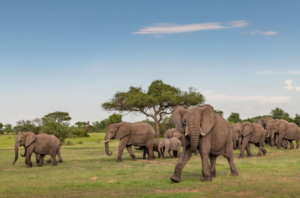
A Tanzania wildlife safari brings you close to some of Africa’s most remarkable landscapes and animals. One morning, you might watch elephants moving beneath Tarangire’s baobab trees. Another day, you could follow lions across the Serengeti plains or descend into the Ngorongoro Crater in search of rhinos.
At Kilipath African Safaris, we help you choose a route that fits your travel dates, budget and preferred pace. Whether you want a short shared safari, a private family trip or a longer journey focused on the Great Migration, we can build an itinerary around what matters most to you.
Where can you go on a Tanzania wildlife safari?
Northern Tanzania is an excellent starting point for a first safari. Its parks offer different scenery and wildlife experiences, and several can be combined in one trip.
Serengeti National Park
The Serengeti is known for its open plains, large predator populations and the Great Migration. Lions, cheetahs, leopards, elephants, giraffes and many other animals live here throughout the year. Wildlife sightings change from day to day, which makes every game drive different.
The Central Serengeti is a strong choice for year-round wildlife viewing. If the migration is your main interest, the best area for your itinerary depends on your travel month. The southern Serengeti and Ndutu area are associated with the calving season, while the northern Serengeti is known for migration activity around the Mara River later in the year. Animal movements follow rainfall and grazing conditions, so exact sightings cannot be guaranteed.
Ngorongoro Crater
Ngorongoro Crater offers a concentrated safari experience within a dramatic volcanic landscape. A game drive on the crater floor may bring sightings of buffalo, zebra, wildebeest, hippos, lions and, with luck, black rhinos. The crater rim is also a memorable place to stay overnight before an early descent the next morning.
Tarangire National Park
Tarangire is especially loved for its elephants and ancient baobab trees. The Tarangire River draws wildlife to the area, particularly during drier periods. Its mix of river scenery, woodland and open spaces gives photographers plenty to work with.
Lake Manyara National Park
Lake Manyara can add variety to a Northern Circuit itinerary. The park has groundwater forest, birdlife and views of the Rift Valley escarpment. Wildlife sightings vary, and changes in the lake’s water levels can affect the areas available for game viewing. If your priority is larger elephant herds, we may recommend Tarangire instead.
Choose the safari style that suits you
There is no single best way to explore Tanzania. The right choice depends on how much time you have, how you like to travel and where you want to sleep.
| Safari style | Best for | What to expect |
|---|---|---|
| Shared safari | Solo travelers, couples and visitors seeking a lower-cost option | Join other travelers in a 4×4 safari vehicle on a scheduled route |
| Private safari | Families, photographers and travelers wanting flexibility | A dedicated vehicle and guide, with more control over your daily pace |
| Camping safari | Travelers who enjoy simple, outdoor accommodation | Public campsites with camping equipment and shared facilities |
| Lodge safari | Travelers who prefer greater comfort | Lodges or tented camps, typically with private bathroom facilities |
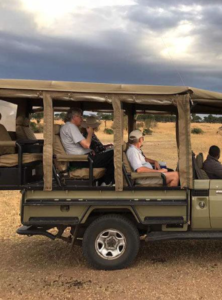
Our shared safaris use a 4×4 Land Cruiser with a pop-up roof, with a maximum of seven guests and a window seat for each person. Private safaris give your group its own vehicle and guide, making it easier to spend longer at sightings or arrange a route around particular interests.
If you want to visit Ndutu or the Northern Serengeti, ask us about a private itinerary. Our regular shared safari routes focus on the central Serengeti and other Northern Circuit parks.
How many days do you need?
A short safari can be rewarding, but extra time reduces the pressure of driving between parks.
Three days can work well if you want to see the Serengeti and Ngorongoro Crater within a limited schedule. Expect full travel days.
Four to five days allow you to add Tarangire and spend more time on game drives. This is a popular balance of wildlife viewing, travel time and cost.
Six days or more give you room to slow down, add another night in a key wildlife area or include activities outside the parks. A longer private safari can also follow seasonal migration areas when conditions and your dates make that practical.
Tell us how many days you have, including your arrival and departure times. We will suggest a route that works with your flights rather than squeezing a long drive into a day when you need to reach the airport.
When is the best time for a Tanzania safari?
Tanzania offers wildlife viewing throughout the year, but the experience changes with the seasons.
From June to October, drier conditions often make wildlife easier to spot near water sources. These months are popular, so it helps to plan accommodation early.
From December to April, many travelers interested in the migration look toward the southern Serengeti and Ndutu area. Calving activity is often a particular draw around January and February, although its timing varies with conditions.
The greener months can bring lush scenery and excellent photographic opportunities. Some days may include rain, and wildlife can be more dispersed. If you have fixed travel dates, we can recommend parks and a route suited to that period.
What is included in a safari?
Inclusions depend on the package you choose. A typical Kilipath African Safaris itinerary can include a professional English-speaking guide, transport in a 4×4 Land Cruiser, park fees, accommodation, meals during the safari and drinking water. Camping and lodge packages have different accommodation arrangements.
Optional additions may include a hot-air balloon flight, a cultural visit, an extra night in Arusha, airport transfers or a Zanzibar beach stay. We will show what is included and what costs extra in your individual proposal, so you can review the full trip before booking.
Why travel with Kilipath African Safaris?
A good safari depends on more than choosing famous parks. Driving times, accommodation locations, flight connections and time for game viewing all affect your experience.
We help you plan those details before you travel. If you are unsure whether to choose Tarangire or Lake Manyara, how many nights to spend in the Serengeti, or whether a shared or private safari fits your plans, tell us your priorities. Our team can explain the options and prepare a practical itinerary.
Our guides know that a safari is about observing wildlife patiently. While sightings are never guaranteed, a well-planned route gives you the time and flexibility to enjoy the journey as well as the animals you encounter.
Start planning your Tanzania wildlife safari
Your ideal safari may be a few unforgettable days in the Serengeti and Ngorongoro Crater, or a longer journey through several parks. Contact Kilipath African Safaris with your travel dates, number of guests, preferred accommodation and approximate budget. We will help you choose a Tanzania wildlife safari tour that fits your plans.