Skip to content

A Tarangire Ngorongoro Crater safari is one of the most rewarding ways to experience northern Tanzania in a relatively short amount of time. These two destinations offer dramatically different landscapes and wildlife experiences: Tarangire National Park is famous for elephants, enormous baobab trees and the Tarangire River, while Ngorongoro Crater offers an extraordinary concentration of wildlife within a spectacular volcanic caldera.
The combination works especially well for travelers who have only two or three days available for safari, as well as visitors who want to add Serengeti National Park or Zanzibar to a longer Tanzania itinerary.
Whether you are planning a honeymoon, family safari, private journey or budget camping adventure, this guide explains what to expect from a Tarangire and Ngorongoro safari, when to visit, which animals you may encounter and how to plan your route.
Why Choose a Tarangire Ngorongoro Crater Safari?
Tarangire and Ngorongoro complement each other extremely well.
Tarangire is characterized by open savannah, river valleys, woodland and magnificent baobab trees. TANAPA describes the park as a major elephant stronghold, with particularly impressive wildlife concentrations during the dry season when animals gather around permanent water sources.
Ngorongoro feels completely different. The safari normally begins from the highlands before descending hundreds of metres to the crater floor. Inside are grasslands, wetlands, woodland and freshwater areas supporting a remarkable variety of animals.
The Ngorongoro Conservation Area Authority identifies elephants, buffaloes, lions, black rhinos and leopards among the wildlife occurring in the conservation area. Zebras, wildebeest, hippos, hyenas and numerous antelope species are also present.
Combining both areas means travelers experience two ecosystems rather than spending the entire safari in one landscape.
Tarangire National Park: Land of Elephants and Baobabs
Tarangire National Park is located southwest of Arusha and forms an important part of Tanzania’s Northern Safari Circuit.
Its scenery is instantly recognizable. Large baobab trees rise from golden grasslands while elephant families move between riverbeds, woodland and open plains.
The Tarangire River plays an especially important ecological role. During the dry months, animals from surrounding areas concentrate around remaining water sources. Zebra, wildebeest, buffalo and elephants can therefore occur in impressive numbers.
Elephants are undoubtedly one of Tarangire’s biggest attractions. Visitors frequently encounter family groups containing adults, juveniles and very young calves. Watching elephants feeding beneath giant baobabs is one of the classic photographic scenes of a Tanzania safari.
But Tarangire offers much more than elephants.
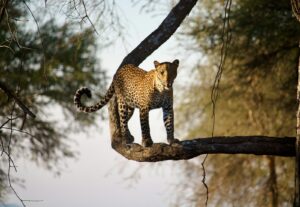
Lions, leopards, hyenas and other predators occur in the park, while giraffes, impalas, waterbuck, wildebeest and zebra are among the commonly sought-after herbivores.
Bird lovers also have plenty to explore. TANAPA identifies Tarangire as an important birding area, with habitats ranging from riverine forest and woodland to swamps and open plains.
The Famous Baobab Landscapes
Few African trees are as distinctive as the baobab.
Their huge trunks and unusual branching structure make them especially beautiful during sunrise and sunset. Tarangire contains many impressive baobab landscapes, and some trees are believed to be centuries old.
They also form part of the park’s ecosystem. Birds, insects and mammals interact with these trees in different ways, while elephants sometimes strip bark or feed around them.
For photographers, the combination of elephants, baobabs and open African skies makes Tarangire one of northern Tanzania’s most memorable landscapes.
Ngorongoro Crater: A Wildlife-Rich Volcanic Caldera
After visiting Tarangire, most itineraries continue toward Karatu and the Ngorongoro Highlands.
The transition is dramatic.
Dry plains gradually give way to higher, greener terrain. Eventually, travelers reach the Ngorongoro Conservation Area and enjoy magnificent viewpoints overlooking the crater.
Ngorongoro Crater is the world’s largest intact, unfilled volcanic caldera according to the Ngorongoro Lengai Geopark, and its floor supports a large resident wildlife population.
A typical crater safari starts early in the morning.
Your 4×4 descends through the crater wall before reaching open grassland. From there, the game drive may explore different habitats depending on wildlife movements and local conditions.
Animals You Can See in Ngorongoro Crater
Ngorongoro is particularly famous because many animals can be observed within a comparatively compact area.
Large herds of wildebeest and zebra graze across the plains. Buffalo can be found in grassland and wetter areas, while hippos occupy pools and marshes.
Lions are among the crater’s best-known predators. Spotted hyenas are also frequently encountered and play an important role in the ecosystem.
One animal many travelers hope to see is the endangered black rhinoceros. Ngorongoro is an important habitat for the species, although wildlife sightings can never be guaranteed.
The conservation authority estimates that roughly 26,000–28,000 wild animals may occur within the crater ecosystem according to its internal population data.
Giraffes are generally not found on the crater floor, although they occur elsewhere within the wider Ngorongoro Conservation Area.
A Typical 2-Day Tarangire Ngorongoro Safari
One of the biggest advantages of this route is that it can fit into a short Tanzania holiday.
Day 1 – Arusha to Tarangire National Park: Depart Arusha in the morning and drive toward Tarangire. Spend most of the day exploring elephant country, the Tarangire River, baobab landscapes and wildlife-rich plains. After the afternoon game drive, continue to accommodation around Karatu or the Ngorongoro area.
Day 2 – Ngorongoro Crater to Arusha: After an early breakfast, travel to Ngorongoro and descend into the crater for a game drive. Explore the crater floor looking for lions, elephants, buffaloes, zebras, wildebeest, hippos, hyenas and possibly black rhinos. Later, ascend from the crater and return toward Arusha.
Travelers wanting a slower experience can extend the itinerary to three days, allowing more time inside Tarangire or adding another nearby attraction.
3-Day Tarangire and Ngorongoro Safari
A three-day itinerary is ideal if you prefer less driving pressure.
The first day can include an extended Tarangire game drive followed by an overnight near or inside the park. Day two allows another morning wildlife drive before continuing toward Karatu or Ngorongoro.
The final day can then be dedicated to the crater.
This arrangement gives photographers, birdwatchers and families more time to enjoy wildlife encounters without trying to fit everything into two busy days.
Best Time for a Tarangire Ngorongoro Crater Safari
Both destinations can be visited throughout the year, but the experience changes considerably between seasons.
From roughly June through October, northern Tanzania experiences its main dry season. Wildlife viewing in Tarangire can become especially impressive as animals concentrate around the river, swamps and remaining water sources. TANAPA specifically highlights the dry season as an important period for large elephant, zebra, wildebeest and buffalo concentrations.
The dry months also generally provide easier road conditions and plenty of sunshine.
The green season brings very different scenery. Vegetation becomes lush, migratory birds appear and the landscapes can be excellent for photography.
Ngorongoro Crater remains a rewarding wildlife destination throughout much of the year because many animals are resident within the ecosystem.
Travel during wetter months can also mean fewer safari vehicles in some areas, although rain may occasionally affect road conditions.
Where to Stay
Accommodation choices range from public camping to comfortable tented camps and luxury lodges.
Around Tarangire, visitors can stay either inside the park or outside its boundaries. Staying inside can reduce morning driving and gives travelers more time close to wildlife areas.
Karatu is a popular overnight location between Tarangire and Ngorongoro because it offers a wide range of accommodation.
Travelers seeking a premium experience may choose a lodge along or near the Ngorongoro Crater rim. These properties can provide spectacular views and quicker access to the crater descent routes.
The Ngorongoro Conservation Area also contains lodges, permanent tented accommodation, special campsites and public camping options.
Your choice normally depends on budget, comfort preferences and the style of safari you want.
Private Safari or Shared Safari?
Both options can work well for this route.
A private safari provides your own vehicle and guide. You can normally spend more time at particular wildlife sightings, adjust departure times more easily and organize the experience around your interests.
Private trips are particularly attractive for honeymooners, photographers, families and travelers who prefer additional flexibility.
A shared safari is generally more economical because transportation and some logistical costs are divided among several travelers.
For guests whose main priority is seeing wildlife while keeping costs manageable, joining a small group can be an excellent solution.
Safari Vehicles
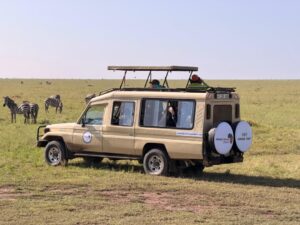
A typical northern Tanzania safari uses a specially modified 4×4 Land Cruiser with a pop-up roof.
The raised roof allows travelers to stand during game viewing while providing an open field of vision for photography.
A good safari vehicle should also provide comfortable seating and sufficient space for luggage and day bags.
Because both Tarangire and Ngorongoro include rough or unpaved tracks, four-wheel-drive capability is important. TANAPA specifically recommends 4×4 vehicles during wetter conditions in Tarangire.
What to Pack
Pack lightweight, neutral-colored clothing for daytime game drives but include warmer layers as well. Ngorongoro’s highlands can become surprisingly cold, particularly early in the morning.
Useful items include binoculars, sunscreen, sunglasses, insect repellent, comfortable shoes, a hat, camera equipment and a reusable water bottle.
A fleece or light jacket is particularly useful for an early Ngorongoro descent.
TANAPA also advises visitors to bring sun protection, binoculars and neutral-colored clothing for Tarangire.
Photography on Safari
Both parks offer outstanding photography but in very different styles.
Tarangire is excellent for environmental images. Elephants walking beside baobabs, giraffes crossing woodland and animals gathering near water provide opportunities to photograph wildlife as part of a wider landscape.
Ngorongoro often provides closer wildlife encounters against the spectacular crater walls.
A telephoto lens is extremely useful, but a wider lens should also be carried for landscapes.
Never ask a guide to approach animals too closely simply for a photograph. Wildlife welfare and park regulations should always take priority.
Is This Safari Good for Families?
Yes. A Tarangire Ngorongoro safari can be particularly suitable for families because meaningful wildlife viewing can be achieved without committing to a long expedition.
Children often enjoy Tarangire’s elephants and giraffes, while Ngorongoro provides opportunities to see many different species during one game drive.
Families with younger children may prefer a three-day version so that driving periods can be divided more comfortably.
Private safaris also allow parents greater control over rest stops and daily departure times.
Can You Combine Tarangire and Ngorongoro With Serengeti?
Absolutely.
Tarangire, Ngorongoro and Serengeti form one of Tanzania’s classic Northern Circuit combinations.
A longer safari could begin in Tarangire, continue to Serengeti National Park for several nights and finish with Ngorongoro Crater before returning to Arusha.
This gives travelers three distinctive ecosystems and significantly expands the wildlife experience.
Those with limited time can instead choose Tarangire and Ngorongoro alone and add a beach extension in Zanzibar.
Tarangire Ngorongoro and Zanzibar
Safari and Zanzibar combinations are extremely popular.
After spending several days exploring Tanzania’s wildlife areas, visitors can fly to Zanzibar for beaches, snorkeling, diving and cultural experiences around Stone Town.
Depending on the itinerary, flights can be arranged through Arusha or Kilimanjaro, while longer safari programs may use domestic airstrips to reduce driving time.
This makes a Tarangire Ngorongoro safari suitable for honeymooners who want both adventure and relaxation in one Tanzania holiday.
Responsible Safari Travel
Visitors play an important part in protecting Tanzania’s wildlife.
Stay inside the safari vehicle unless your guide confirms that you are in an authorized area. Never feed wildlife, avoid making excessive noise around animals and do not pressure guides to drive illegally off established routes.
TANAPA instructs Tarangire visitors to remain on designated tracks, respect wildlife, exit vehicles only at designated locations and follow ranger or guide instructions.
Responsible behavior ensures future travelers can continue enjoying these ecosystems.
Why Travel With Kilipath African Safaris?
At Kilipath African Safaris, we arrange customized northern Tanzania safaris for couples, families, solo travelers, photographers and small groups.
Your Tarangire Ngorongoro Crater safari can be organized as a short two-day adventure or incorporated into a longer itinerary including Serengeti, Lake Manyara, Kilimanjaro and Zanzibar.
Depending on your preferred travel style, we can arrange private safaris, shared departures, camping experiences, mid-range lodges and luxury accommodation.
Our goal is to create an itinerary that balances wildlife viewing, travel time, comfort and your budget.
Start Planning Your Tarangire Ngorongoro Crater Safari
A Tarangire Ngorongoro Crater safari combines two of Tanzania’s most distinctive wildlife environments in one journey.
Tarangire delivers enormous elephants, ancient baobabs, river landscapes and classic African savannah. Ngorongoro adds dramatic volcanic scenery and an exceptional concentration of wildlife within the crater ecosystem.
Whether you have only two days or want to combine the route with Serengeti and Zanzibar, this safari provides an excellent introduction to Tanzania.
Ready to experience Tanzania? Contact Kilipath African Safaris today and let us create your personalized Tarangire and Ngorongoro Crater safari itinerary.