A Tarangire Safari Lake Manyara package is one of the best choices for travelers who want to experience two very different wildlife environments within a relatively short Tanzania safari. Tarangire is famous for enormous elephant herds, ancient baobab trees, open savannah and the life-giving Tarangire River, while Lake Manyara offers groundwater forests, Rift Valley scenery, wetlands, birdlife and the possibility of seeing its famous tree-climbing lions.
The two parks are part of Tanzania’s popular northern safari circuit and can easily be combined into a two-day, three-day or longer safari from Arusha. Lake Manyara is roughly 125 km from Arusha, with a road journey of around 2–2.5 hours under normal conditions.
This guide explains what you can expect from Tarangire Safari Lake Manyara Packages, the wildlife you may encounter, recommended itineraries, accommodation choices, the best months to travel and how to select the right safari package.
Why Choose Tarangire and Lake Manyara Together?
Combining Tarangire and Lake Manyara gives travelers greater landscape and wildlife variety without spending excessive time traveling between distant destinations.
Tarangire represents classic African wilderness: enormous baobabs, seasonal wetlands, dry savannah and large concentrations of elephants. Tanzania National Parks describes Tarangire as particularly famous for elephants and its baobab-dotted scenery, with wildlife concentrating around the Tarangire River during the dry season.
Lake Manyara feels completely different. Visitors enter through lush groundwater forest before reaching woodland, floodplains, wetlands and the alkaline lake lying beneath the dramatic Great Rift Valley escarpment. Wildlife includes elephants, buffaloes, giraffes, zebras, wildebeest, hippos and primates, while the park is especially well known for birdwatching.
This contrast makes the combination particularly suitable for:
- First-time safari visitors
- Couples and honeymooners
- Families
- Photographers
- Birdwatchers
- Travelers with only two or three safari days
- Visitors combining Tanzania safari with Zanzibar
- Travelers continuing toward Ngorongoro or Serengeti
Tarangire National Park Safari Experience
Tarangire National Park covers approximately 2,850 square kilometers and takes its name from the Tarangire River that crosses the park.
The river becomes especially important during the dry months because wildlife from the surrounding ecosystem concentrates near remaining sources of water.
Elephants of Tarangire
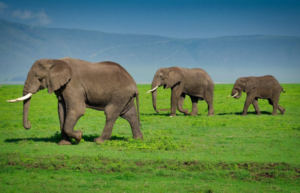
Elephants are one of the strongest reasons to include Tarangire in your Tanzania itinerary.
Large family groups can often be observed walking across the savannah, drinking near the river, feeding underneath trees or moving between woodland and seasonal wetlands.
TANAPA describes Tarangire as an elephant heartland and highlights large elephant families among the park’s signature wildlife scenes.
Because elephants are frequently encountered in family groups, visitors may have opportunities to observe interesting behavior between calves, mothers and larger adults.
Wildlife sightings can never be guaranteed, but Tarangire consistently provides excellent opportunities for elephant observation.
Ancient Baobab Trees
Another unmistakable feature of Tarangire is its baobab landscape.
The enormous trunks and unusual branches create some of the most recognizable safari scenery in northern Tanzania.
During photography safaris, guides may position the vehicle so guests can capture elephants walking beneath baobabs, giraffes crossing open grassland or dramatic sunset landscapes.
Wildlife You May See in Tarangire
Besides elephants, safari visitors may encounter:
- Lions
- Leopards
- Cheetahs
- Buffaloes
- Zebras
- Wildebeest
- Giraffes
- Impalas
- Warthogs
- Waterbuck
- Elands
- Dik-diks
- Baboons
- Monkeys
- Hyenas
- Jackals
Tarangire also contains important wetland areas such as Silale Swamp, where animals may gather around available water and grazing areas.
Predator sightings depend on luck, weather and animal movement, so travelers should avoid choosing a safari based solely on promises of seeing specific species.
Birdwatching in Tarangire
Tarangire is also an excellent destination for bird enthusiasts.
TANAPA highlights more than 550 recorded bird species, including ostriches, kori bustards, bee-eaters, lovebirds and different raptors.
This makes Tarangire particularly attractive for travelers interested in combining mammal viewing with bird photography.
Lake Manyara National Park Safari Experience
Lake Manyara National Park provides a completely different atmosphere from Tarangire.
The park is situated beneath the Great Rift Valley escarpment and includes groundwater forest, acacia woodland, floodplains, wetlands, hot springs and the alkaline lake itself.
The diversity of habitats means a Lake Manyara safari can change considerably within a relatively short game drive.
Tree-Climbing Lions
Lake Manyara is particularly famous for its association with tree-climbing lions.
Visitors sometimes see lions resting on branches of acacia trees, although sightings are unpredictable and should never be guaranteed.
TANAPA identifies tree-climbing lions as one of Lake Manyara’s distinctive wildlife attractions.
Even when lions are not found in trees, Lake Manyara remains worthwhile because of its scenery, elephant population, primates, hippos and birdlife.
Flamingos and Waterbirds
Many travelers associate Lake Manyara with flamingos.
Both lesser and greater flamingos may gather around the alkaline lake depending on water levels, food availability and seasonal conditions. Their numbers can vary significantly.
Lake Manyara also supports pelicans, herons, storks, spoonbills, fish eagles and many other waterbirds. TANAPA states that more than 400 bird species have been recorded in the ecosystem.
Therefore, flamingos should be treated as a possible highlight rather than a guaranteed sighting.
Groundwater Forest
Shortly after entering Lake Manyara National Park, travelers experience dense groundwater forest fed by natural springs.
Blue monkeys, baboons, bushbuck and colorful forest birds can be encountered among towering trees.
This environment feels very different from the open plains commonly associated with African safaris.
Hippo Pools
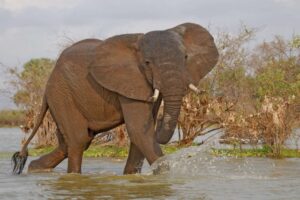
The wetlands around Lake Manyara provide habitat for hippos.
Visitors may observe them resting in water or moving around wetland edges. Herons, storks and other birds frequently share these environments.
Best Tarangire Safari Lake Manyara Packages
Several itineraries work well depending on your available time and travel budget.
2-Day Tarangire and Lake Manyara Safari
This is the most compact option.
Day 1: Arusha – Tarangire National Park
Your safari usually begins after breakfast in Arusha.
Meet your professional safari guide and travel toward Tarangire National Park in a 4×4 safari vehicle.
After completing entrance formalities, begin your game drive through baobab woodland and open savannah.
Spend the day searching for:
Elephants, giraffes, zebras, wildebeest, buffaloes, antelopes and predators.
You normally stop at a designated picnic location for lunch before continuing the afternoon game drive.
Later, leave Tarangire and drive toward Mto wa Mbu or Karatu for dinner and overnight.
Day 2: Lake Manyara National Park – Arusha
After breakfast, travel to Lake Manyara National Park.
Explore groundwater forest before continuing toward woodland, floodplains and lakeshore habitats.
Search for elephants, giraffes, buffaloes, hippos, baboons and the park’s elusive tree-climbing lions.
Bird enthusiasts can spend time observing waterbirds around wetland areas.
After lunch and further wildlife viewing, return to Arusha.
This package works especially well for travelers with limited vacation time.
3-Day Tarangire, Lake Manyara and Ngorongoro Safari
Travelers who can spare an additional day should strongly consider combining these parks with Ngorongoro Crater.
A typical itinerary is:
Day 1: Arusha → Tarangire National Park
Day 2: Lake Manyara National Park
Day 3: Ngorongoro Crater → Arusha
The addition of Ngorongoro significantly expands wildlife diversity and provides an opportunity to experience one of Tanzania’s most famous safari landscapes.
It also creates a comfortable geographical progression through the northern circuit.
4-Day Tarangire, Lake Manyara and Ngorongoro Safari
A four-day itinerary provides slower travel and potentially longer game drives.
One possible arrangement is:
Day 1: Arrival in Arusha
Day 2: Tarangire National Park
Day 3: Lake Manyara National Park
Day 4: Ngorongoro Crater and return to Arusha
Alternatively, travelers can spend an additional night near Tarangire or Karatu.
This format works particularly well for families or visitors who prefer not to rush between destinations.
5-Day Tarangire, Lake Manyara, Ngorongoro and Serengeti Safari
Visitors seeking a more complete northern Tanzania wildlife experience can continue toward Serengeti National Park.
An example route could be:
Day 1: Arusha → Tarangire
Day 2: Lake Manyara → Karatu
Day 3: Ngorongoro → Serengeti
Day 4: Serengeti National Park
Day 5: Serengeti → Arusha or onward flight
The exact order can be adjusted according to accommodation availability, flight schedules and season.
What Is Usually Included in Tarangire Safari Lake Manyara Packages?
Safari inclusions differ between operators, so travelers should check their quotations carefully.
A professionally arranged Tanzania safari commonly includes:
- Private or shared 4×4 safari vehicle
- Professional driver-guide
- National park entrance fees
- Game drives
- Accommodation according to itinerary
- Meals specified in the package
- Drinking water during safari
- Government taxes and applicable safari charges
- Transfers stated in the itinerary
The Tanzania Tourism Board similarly lists private safari vehicles, professional guides, park entrance fees, game drives, accommodation, meals, transfers and mineral water among common package inclusions, depending on the specific safari selected.
What Is Usually Not Included?
Common exclusions include:
- International flights
- Tanzania visa
- Travel insurance
- Tips
- Personal shopping
- Laundry
- Premium alcoholic beverages
- Optional activities
- Items not specifically mentioned in your itinerary
Always request a clear included/excluded list before paying a safari deposit.
Private Tarangire Safari Lake Manyara Packages
A private safari means the vehicle and professional guide are dedicated exclusively to your booking.
This is usually the best choice for couples, honeymooners, families and photographers.
The main advantages include greater flexibility.
You can spend longer watching an interesting elephant family, leave your accommodation earlier, stop more frequently for photographs or adjust lunch timing depending on the day’s wildlife activity.
Private safaris also provide more personal space inside the vehicle.
For wildlife photographers, this can be especially valuable because camera equipment can be positioned more conveniently.
Group Safari Packages
Group safaris reduce costs by sharing transportation and guiding expenses among several travelers.
They are therefore popular with:
Solo travelers, backpackers and budget-conscious safari guests.
The tradeoff is reduced flexibility.
Departure times, game-drive schedules and overnight arrangements typically follow the group’s itinerary rather than individual preferences.
When comparing group safari packages, ask:
- Maximum number of passengers
- Whether everyone receives a window seat
- Accommodation category
- Luggage restrictions
- Pickup location
- Exact itinerary
- Whether park fees are included
Budget Tarangire Safari Lake Manyara Packages
Budget safari packages normally concentrate spending on the essential safari experience.
Accommodation might include simple lodges, guesthouses or camping.
A budget package can still include:
A professional guide, safari vehicle, game drives, meals, drinking water and park entrance fees.
Travelers should therefore distinguish between budget accommodation and budget safari quality.
Choosing affordable accommodation does not necessarily mean compromising wildlife experiences.
Mid-Range Safari Packages
Mid-range safari packages are among the most popular options for couples and international visitors.
Typical properties offer:
- Private bathroom
- Comfortable bed
- Restaurant
- Hot shower
- Electricity
- Attractive garden or wilderness setting
- Breakfast and dinner
Popular overnight areas include Mto wa Mbu and Karatu.
TANAPA also notes that travelers visiting Lake Manyara can stay around Mto wa Mbu and Karatu, where accommodation ranges from economical properties to boutique lodges.
Mid-range packages provide a good balance between comfort and price.
Luxury Tarangire and Lake Manyara Safaris
Luxury packages may use premium lodges or tented camps situated in scenic areas close to wildlife destinations.
Depending on the property, travelers may receive:
Large suites, private terraces, swimming pools, premium dining, personalized service and impressive views.
Luxury packages can also incorporate private transfers, fly-in sectors or exclusive activities.
The largest expense is often accommodation rather than wildlife viewing itself.
Best Time for Tarangire Safari Lake Manyara Packages
Both parks can be visited throughout the year, but conditions change with Tanzania’s seasons.
June to October
The dry season is particularly attractive for Tarangire.
Wildlife increasingly concentrates around reliable water sources such as the Tarangire River and wetlands.
This period can provide excellent elephant viewing and easier wildlife spotting in thinning vegetation.
It is also one of Tanzania’s busiest safari seasons.
Travelers should book accommodations earlier when traveling during July, August, September and October.
November to December
Short rains often create greener scenery.
Dust decreases and many landscapes become more photogenic.
Wildlife remains present, and safari traffic can sometimes be lower than during peak dry-season months.
January to February
January and February are excellent months for northern Tanzania safari travel.
Conditions are often relatively dry and warm between rainfall periods.
These months are particularly useful for travelers combining Tarangire and Manyara with Ngorongoro and the Ndutu region.
March to May
This is generally Tanzania’s wetter period.
The landscape becomes especially green and birdlife can be excellent.
Some roads may become more challenging after heavy rainfall, but experienced safari guides adjust routes according to conditions.
Travelers may also find attractive accommodation offers during parts of the green season.
Tarangire vs Lake Manyara: What Is the Difference?
| Feature | Tarangire | Lake Manyara |
|---|---|---|
| Famous for | Elephants and baobabs | Tree-climbing lions and birds |
| Landscape | Savannah, river and wetlands | Forest, lake and Rift Valley |
| Elephant viewing | Excellent | Good |
| Birdlife | Excellent | Excellent |
| Flamingos | Not a major feature | Seasonal possibility |
| Tree-climbing lions | Possible wildlife sightings | Famous association |
| Photography | Elephants and landscapes | Forest, lake and birds |
| Ideal visit | Full day | Half or full day |
| Safari style | Classic wilderness | Compact ecosystem diversity |
Rather than choosing one park over the other, combining them creates a stronger overall safari experience.
Where Should You Stay?
Accommodation location can significantly affect driving time.
Mto wa Mbu
Mto wa Mbu is conveniently positioned close to the entrance of Lake Manyara National Park.
It is suitable for travelers completing Tarangire and visiting Manyara the following morning.
The area offers various accommodation categories.
Karatu
Karatu is another popular safari base.
It is especially convenient when your itinerary continues toward Ngorongoro Crater.
Accommodation ranges from simple lodges to comfortable boutique properties.
Tarangire Area
Travelers wanting additional wilderness atmosphere can sleep close to or inside the Tarangire ecosystem.
This minimizes driving before morning game drives and allows guests to enjoy more natural surroundings.
Safari Vehicles
Most private Tanzania safaris use specially modified 4×4 Land Cruisers.
Common features include:
- Pop-up safari roof
- Large windows
- Charging facilities
- Refrigerator or cooler
- Radio communication
- Comfortable safari seats
- Storage space
The raised roof allows guests to stand safely during suitable wildlife sightings and photograph animals more easily.
Can Children Join a Tarangire and Lake Manyara Safari?
Yes.
These two parks can be particularly suitable for family safaris because transfer distances are shorter than itineraries requiring immediate travel deep into Serengeti.
Families can request private safari vehicles so children can take breaks whenever needed.
When traveling with young children, consider:
Shorter game drives, family rooms and accommodations with swimming pools.
Parents should always supervise children around lodges because many safari properties are located in unfenced wildlife environments.
Safari Photography Tips
Tarangire is particularly impressive for elephant photography.
Wide-angle photographs can capture elephants together with giant baobab trees, while telephoto lenses are useful for animal portraits.
Lake Manyara offers different subjects:
- Monkeys in groundwater forest
- Giraffes beneath Rift Valley cliffs
- Elephants
- Hippos
- Waterbirds
- Flamingos when present
- Forest landscapes
For general safari photography, a zoom lens around 100–400 mm is extremely useful.
Bring additional batteries and memory cards because wildlife encounters can produce far more photographs than expected.
What to Pack
For a Tarangire and Lake Manyara safari, consider packing:
- Neutral-colored clothing
- Comfortable lightweight trousers
- T-shirts
- Light fleece or jacket
- Hat
- Sunglasses
- Sunscreen
- Insect repellent
- Camera
- Binoculars
- Power bank
- Personal medication
- Small backpack
- Passport
- Travel insurance documents
Avoid packing excessively because safari vehicles have limited luggage space, especially on shared safaris.
Can Tarangire and Lake Manyara Be Combined With Zanzibar?
Yes.
This is a very popular Tanzania holiday combination.
Travelers can enjoy several days of wildlife safari before flying to Zanzibar for beach relaxation.
A common itinerary could include:
Day 1: Arrival in Arusha
Day 2: Tarangire
Day 3: Lake Manyara
Day 4: Ngorongoro
Day 5: Flight to Zanzibar
Days 6–9: Zanzibar beach holiday
Alternatively, travelers already staying in Zanzibar can fly to northern Tanzania and begin their safari from Arusha.
Tarangire, Lake Manyara and Serengeti Combination
Travelers with at least five or six safari days should consider adding Serengeti.
These destinations complement one another exceptionally well.
Tarangire provides elephants and baobabs.
Lake Manyara provides forest and Rift Valley scenery.
Ngorongoro provides a concentrated crater ecosystem.
Serengeti provides vast plains, predators and seasonal wildlife movements.
Together they create one of Africa’s most diverse safari itineraries.
Tarangire, Lake Manyara and Ngorongoro Combination
For travelers who do not have enough time to visit Serengeti, combining Tarangire, Lake Manyara and Ngorongoro is one of the strongest short Tanzania safari routes.
It can comfortably fit into three or four days.
This option is particularly suitable for visitors extending a Zanzibar beach vacation.
Optional Activities Around Lake Manyara
Lake Manyara offers more than conventional vehicle safaris.
Depending on current regulations and local arrangements, possible activities may include:
Game drives, birdwatching, boardwalk experiences and other authorized activities.
TANAPA specifically identifies day game drives and its canopy tree walk among the park’s visitor experiences.
Nearby Mto wa Mbu can also provide cultural experiences that introduce visitors to local communities, food and agricultural traditions.
Is Lake Manyara Worth Visiting?
Yes, particularly when travelers appreciate scenery and ecological diversity.
Some visitors compare Lake Manyara directly with Serengeti or Ngorongoro based only on the quantity of large mammals.
That comparison misses much of Manyara’s appeal.
Lake Manyara is valuable because several habitats occur within a relatively compact area.
Visitors can move from dense forest to woodland and wetlands during one safari.
For birdwatchers and photographers, this diversity is especially attractive.
Is Tarangire Worth Visiting?
Absolutely.
Tarangire is frequently one of the most memorable destinations on the northern safari circuit, particularly for elephant enthusiasts.
Its baobab landscapes are unmistakable, and wildlife concentrations can become impressive during dry months.
Travelers sometimes skip Tarangire when rushing directly toward Serengeti, but adding even one full day can substantially improve the variety of a Tanzania safari.
How Much Do Tarangire Safari Lake Manyara Packages Cost?
There is no single fixed price because safari cost depends on several factors:
Number of travelers: Private safari vehicle costs are divided between passengers, so per-person costs normally decrease as group size increases.
Accommodation level: Camping, budget lodges, mid-range camps and luxury lodges have considerably different rates.
Season: Peak travel months can command higher accommodation prices.
Number of days: Longer itineraries increase accommodation, guide, vehicle and park-related expenses.
Private versus shared safari: Private trips usually cost more per traveler but offer greater flexibility.
Optional activities: Balloon safaris, cultural visits, walking experiences and other extras increase total price.
Because official park tariffs can change, travelers should request an updated quotation rather than relying on old safari prices found online. TANAPA maintains its official park tariff information separately.
How to Choose the Right Safari Package
Before booking, compare more than the headline price.
Ask the tour operator exactly which national parks are included, where you will sleep and whether the itinerary is private or shared.
Also confirm:
- Park fees
- Accommodation names
- Meal plan
- Airport transfers
- Drinking water
- Number of travelers per vehicle
- Guide language
- Cancellation terms
- Payment schedule
- Optional activities
- Emergency assistance
A safari appearing unusually inexpensive may exclude important costs.
Request a full written itinerary before making payment.
Final Thoughts
Tarangire Safari Lake Manyara Packages are ideal for travelers looking for a short but diverse Tanzania wildlife experience.
Tarangire delivers classic African safari scenery with enormous elephant families, ancient baobabs, predators and beautiful open landscapes. Lake Manyara complements it with groundwater forest, Rift Valley scenery, hippos, primates, abundant birdlife and the possibility of seeing tree-climbing lions and seasonal flamingos.
A 2-day Tarangire and Lake Manyara safari works well for travelers with limited time, while a 3- or 4-day package can incorporate Ngorongoro Crater. Travelers with five or more days can continue toward Serengeti for an even more complete northern Tanzania safari.
For the best experience, choose your package according to available days, accommodation preference, budget and whether you prefer a private or shared safari. Most importantly, select an itinerary that provides enough time inside each park rather than trying to visit too many destinations too quickly.
When planned properly, a Tarangire and Lake Manyara safari offers an excellent introduction to the remarkable wildlife, landscapes and ecological diversity of northern Tanzania.