

Budget Ngorongoro Crater Safari Holiday
Planning a budget Ngorongoro Crater safari holiday from Arusha? Compare a crater day trip, a two-day Tarangire and Ngorongoro safari, or a…
Read articleArusha City - Tanzania
Safari & Travel Tips
September 2, 2026 · 12 min read
A Tarangire Safari Ngorongoro itinerary is one of the best short safari combinations for travelers who want to experience two completely different wildlife environments in northern Tanzania without spending many days on safari.
Tarangire National Park introduces travelers to giant baobab trees, large elephant herds, the Tarangire River, giraffes, zebras, wildebeest, lions, and beautiful savannah landscapes. Ngorongoro Crater provides a completely different experience: a dramatic volcanic caldera where visitors descend to the crater floor for an exceptional wildlife-viewing safari.
The Tanzania Tourism Board highlights Tarangire for its elephant herds and baobab scenery and Ngorongoro Crater as one of Tanzania's globally recognized wildlife attractions.
Tarangire and Ngorongoro work particularly well together because they offer contrasting landscapes and wildlife experiences while remaining relatively convenient to combine from Arusha.
Instead of spending your entire short safari in one ecosystem, you experience open savannah, woodland, river habitats, enormous baobab trees, highland scenery and the Ngorongoro Crater floor.
A classic trip can be organized as a 2-day Tarangire and Ngorongoro safari, although travelers with additional time can choose three or four days for a more relaxed experience.
The Tanzania Tourism Board currently features two-day Northern Circuit packages combining Tarangire National Park and Ngorongoro Crater, demonstrating how practical this combination is for short safari travelers.
For travelers with limited time, this is the most popular itinerary.
Your safari normally begins early in the morning from Arusha.
After breakfast, your professional safari guide collects you from your hotel and you begin the journey toward Tarangire National Park.
As you leave Arusha, the scenery gradually changes from urban surroundings to villages, farmland and open countryside.
Once you reach Tarangire, your first game drive begins.
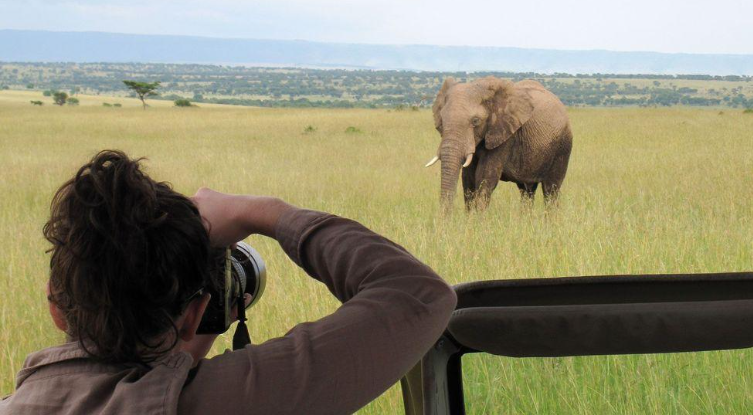
Tarangire is famous for its extraordinary concentration of elephants.
You may encounter:
However, wildlife sightings are always natural and therefore cannot be guaranteed.
One of the defining features of Tarangire is its huge baobab trees. These ancient trees create some of northern Tanzania's most recognizable safari landscapes.
The Tarangire River is particularly important to the park's ecosystem.
During drier periods, animals frequently gather near available water sources, making the river corridor a productive area for wildlife observation.
Your guide will determine the day's route according to wildlife movement, road conditions and recent sightings rather than following exactly the same route every safari.
Around midday, you normally stop at a designated picnic location.
After lunch, continue exploring different areas of Tarangire.
One of the advantages of spending most of the day in the park is having sufficient time to search for wildlife instead of rushing between destinations.
The afternoon game drive offers additional opportunities to photograph elephants beneath baobab trees, giraffes walking through woodland and predators resting in shaded areas.
At the end of the game drive, leave Tarangire and travel toward Karatu or the Ngorongoro Highlands.
Check into your selected lodge, tented lodge or campsite.
Dinner is served at your accommodation while your guide explains the plan for the following morning.
Overnight: Karatu / Ngorongoro Highlands
Meals: Lunch and dinner
Wake up early and enjoy breakfast before driving toward the Ngorongoro Conservation Area.
The approach to Ngorongoro is dramatically different from Tarangire.
As you climb toward the highlands, temperatures become cooler and vegetation becomes greener.
Eventually, you reach the crater rim.
Stopping at one of the viewpoints is often one of the most memorable moments of the safari.
From the rim, you can look across an enormous landscape surrounded by steep crater walls.
The Tanzania Tourism Board describes Ngorongoro Crater as one of Tanzania's internationally recognized natural attractions and features crater game drives among recommended Northern Circuit safari experiences.
Then your safari vehicle begins descending toward the crater floor.
Once you reach the crater floor, your wildlife safari begins.
Because several habitats exist within the crater, visitors can potentially encounter an impressive variety of animals during a relatively short drive.
Common sightings can include:
Ngorongoro is also one of the locations where safari travelers hope to see the endangered black rhinoceros, although sightings are never guaranteed.
Many travelers choose Ngorongoro specifically because it offers opportunities to search for several members of Africa's famous Big Five.
These are:
Lion: Frequently encountered in suitable areas of the crater.
Elephant: Large bulls can sometimes be spotted, particularly around woodland.
Buffalo: Frequently seen on the crater floor.
Black rhinoceros: Present but much harder to locate.
Leopard: Possible in the wider conservation area but considerably more elusive.
A safari should always be understood as a wildlife experience rather than a checklist. No ethical tour operator should guarantee particular animals.
During the middle of your safari, your guide takes you to a designated picnic area.
Hippos, birds and other wildlife may sometimes be visible nearby depending on your location.
After lunch, continue your game drive across different areas of the crater floor.
Eventually you ascend the crater wall and begin traveling toward Arusha.
Arrival in Arusha is usually in the late afternoon or early evening depending on traffic, road conditions and your precise itinerary.
Meals: Breakfast and lunch
Safari ends: Arusha
Travelers who dislike rushing should consider three days instead.
A comfortable structure is:
Depart Arusha in the morning and spend the majority of the day exploring Tarangire.
Overnight near Tarangire, Lake Manyara or Karatu.
Use the second day for additional activities around Karatu or the Ngorongoro Highlands.
Possible additions include:
Spend the night in Karatu.
Leave your lodge early, descend into Ngorongoro Crater and enjoy the main wildlife safari before returning to Arusha.
This itinerary gives travelers more rest between game drives and is particularly attractive for families, honeymooners and photographers.
With four days available, you can expand your trip into a more complete Northern Circuit experience.
One option is:
Day 1: Arusha → Tarangire National Park
Day 2: Tarangire → Lake Manyara/Karatu
Day 3: Ngorongoro Highlands or cultural experience
Day 4: Ngorongoro Crater → Arusha
Alternatively, you can include Serengeti National Park, although a longer itinerary is preferable if you want meaningful time there.
Although both destinations provide excellent game viewing, they feel completely different.
| Feature | Tarangire | Ngorongoro |
|---|---|---|
| Landscape | Savannah, woodland and baobabs | Volcanic crater |
| Famous for | Elephants and baobabs | Dense crater wildlife |
| Safari style | Extensive park game drive | Crater-floor game drive |
| Elephants | Excellent | Possible |
| Black rhino | Rare | Possible |
| Lions | Commonly sought | Commonly sought |
| Scenery | Classic African savannah | Dramatic crater walls |
| Birding | Excellent | Excellent |
| Best for | Elephants & photography | Big Five searching |
This contrast is exactly what makes a Tarangire Safari Ngorongoro itinerary so attractive.
Elephants are the signature animals of Tarangire.
You may encounter solitary bulls, family groups or larger herds depending on the season and wildlife movements.
Watching elephants interact naturally is often one of the trip's highlights.
The Tanzania Tourism Board specifically identifies elephant herds as one of Tarangire's principal safari attractions.
Tarangire's baobab trees give the park its unmistakable appearance.
Their enormous trunks and unusual shapes create beautiful photography opportunities, particularly when wildlife walks nearby.
Bird enthusiasts also appreciate Tarangire.
Different habitats support many species, including raptors, water-associated birds and colorful woodland species.
Tarangire isn't only about animals.
The combination of river valleys, wetlands, woodland, open plains and baobab trees makes simply driving through the park enjoyable.
Ngorongoro offers one of Tanzania's most striking safari landscapes.
Driving from the highlands down to the crater floor creates a sense of entering an entirely different natural environment.
Visitors can encounter numerous herbivores and predators within the crater ecosystem.
This makes Ngorongoro an excellent choice for travelers who only have a few days available.
The crater is well known as one of Tanzania's important areas for black rhinos.
Nevertheless, the animals may be far away or hidden, so binoculars are particularly useful.
The combination of crater walls, open grassland, wildlife and dramatic skies provides excellent photographic opportunities throughout the day.
The itinerary can be operated throughout much of the year, although each season creates a different experience.
These generally drier months are popular for safari travel.
Tarangire can be particularly rewarding as wildlife congregates around available water sources.
Expect:
Short rains can transform the landscape.
Advantages can include:
A very good period for northern Tanzania safaris.
The landscapes may remain green, while warmer conditions create attractive photography.
Travelers continuing toward Ndutu may also be interested in the wider wildebeest calving season.
These traditionally wetter months offer particularly green landscapes.
There can be fewer safari vehicles, although rain may occasionally affect roads and daily schedules.
Tanzania's official tourism information promotes green-season experiences in Tarangire and Ngorongoro as an attractive safari period, particularly for landscapes and photography.
A proper Tanzania safari normally uses a 4×4 Land Cruiser with a pop-up roof.
This allows travelers to stand safely inside the vehicle when permitted and obtain clearer views of wildlife.
Typical safari vehicles may include:
The Tanzania Tourism Board lists private 4×4 vehicles with pop-up roofs and professional guides as standard features of several Northern Circuit safari packages.
Both options are possible.
A private safari gives your group its own safari vehicle and guide.
Advantages include:
A private itinerary is usually the preferred option for honeymooners, families and serious photographers.
Your Tarangire Safari Ngorongoro itinerary can be designed around several accommodation levels.
Camping is suitable for adventurous travelers who prioritize wildlife over luxury.
Typically expect:
Mid-range is one of the most popular choices.
Expect:
Many properties around Karatu offer convenient access to Ngorongoro.
Luxury accommodation can include:
Luxury options are especially popular for honeymoon safaris.
A typical package may include:
The Tanzania Tourism Board similarly lists safari vehicles, guides, entrance fees where stated, game drives, accommodation, meals and transfers among typical package inclusions.
Common exclusions are:
These exclusions broadly align with the Tanzania Tourism Board's published package guidance.
A short safari doesn't require excessive luggage.
Useful items include:
Ngorongoro mornings can be surprisingly cool because of the high elevation, so carrying at least one warm layer is strongly recommended.
Tarangire and Ngorongoro are both excellent photography destinations.
A 200–400mm range or similar can be helpful for photographing wildlife at a respectful distance.
Wildlife encounters can happen quickly.
Having your camera ready before you reach a sighting reduces missed opportunities.
Do not photograph only close-up animals.
Tarangire's baobab scenery and Ngorongoro's crater walls help tell the story of your safari.
Morning light is often softer and can create attractive images.
Wildlife photography rewards patience.
Animals may suddenly change position, interact or move into better light.
Yes.
Travelers staying in Zanzibar can fly to Arusha Airport or Kilimanjaro International Airport, depending on flight availability.
For the easiest schedule, arriving in Arusha the day before your safari is generally preferable.
You can then:
Day 0: Zanzibar → Arusha
Day 1: Tarangire safari
Day 2: Ngorongoro Crater → Arusha
Day 3: Return to Zanzibar
Some customized packages can also coordinate domestic flights and airport transfers.
Technically, trying to visit both in a single day would mean excessive driving and very limited safari time.
It is not recommended.
A minimum of two days provides a far more rewarding experience:
Day 1 for Tarangire.
Day 2 for Ngorongoro.
If you have three days, the itinerary becomes even more comfortable.
Yes.
This route is especially convenient for families because it delivers excellent wildlife viewing without requiring the much longer road journey to central Serengeti.
Families can also choose private vehicles, allowing parents to stop when children need rest.
Mid-range lodges with private bathrooms and family rooms make the trip more comfortable.
Absolutely.
A private Tarangire and Ngorongoro safari can be combined with:
A common honeymoon combination is:
Arusha → Tarangire → Ngorongoro → Serengeti → Zanzibar.
Yes, and this creates one of Tanzania's classic safari routes.
A strong itinerary could be:
Day 1: Tarangire
Day 2: Serengeti
Day 3: Serengeti
Day 4: Ngorongoro
Day 5: Return to Arusha
The Tanzania Tourism Board itself promotes Tarangire, Ngorongoro and Serengeti together as Tanzania's signature Northern Circuit safari experience.
| Day | Destination | Main Experience | Overnight |
|---|---|---|---|
| Day 1 | Arusha → Tarangire | Elephants, baobabs, full game drive | Karatu |
| Day 2 | Ngorongoro → Arusha | Crater game drive, Big Five search | Safari ends |
A Tarangire Safari Ngorongoro itinerary is particularly suitable for:
A Tarangire Safari Ngorongoro itinerary delivers an impressive amount of variety in a relatively short period.
One day you can be photographing elephants beneath giant baobabs in Tarangire; the next morning you may be standing on the Ngorongoro rim looking across a vast volcanic caldera before descending to search for lions, buffalo, elephants, hyenas, hippos and perhaps a distant black rhino.
For travelers who cannot dedicate five or six days to Tanzania's Northern Circuit, this combination is one of the strongest short-safari choices available.
For the best experience, choose at least 2 days and 1 night, while 3 days provides a more relaxed itinerary with additional time for cultural activities, photography or lodge relaxation.
Use the exact focus keyword “Tarangire Safari Ngorongoro Itinerary” in the SEO title, first paragraph, at least one H2 heading, meta description, URL slug, image ALT text and naturally several times throughout the content. Avoid repeating it unnaturally; related terms such as “2 day Tarangire and Ngorongoro safari,” “Tarangire Ngorongoro safari,” “Northern Tanzania safari itinerary,” and “Ngorongoro Crater and Tarangire safari” can help strengthen topical relevance.
Planning a budget Ngorongoro Crater safari holiday from Arusha? Compare a crater day trip, a two-day Tarangire and Ngorongoro safari, or a…
Read articleA Lake Manyara safari can cost USD 150–220 per person for a shared day trip from Arusha. A published example of a…
Read articleA Tanzania safari from Zanzibar can mean a short mainland trip during your beach holiday or a complete package with flights, game…
Read articleLooking for a group Tanzania safari price from Kilipath African Safaris? A published example for our four-day shared camping safari through Tarangire,…
Read article

