A Tarangire safari Ngorongoro vacation is one of the most rewarding ways to experience Tanzania’s famous Northern Safari Circuit. The combination brings together two very different environments: Tarangire’s baobab-filled landscapes and elephant country, followed by the dramatic highlands and wildlife-rich floor of the Ngorongoro Crater.
For travelers who have only a few days available but still want an authentic African wildlife experience, combining these two destinations can be an excellent choice. The route is particularly convenient from Arusha and can be organized as a short two-day safari or expanded into a three-, four-, or five-day Tanzania vacation.
Ngorongoro is especially remarkable because its main crater is a vast volcanic caldera. The Ngorongoro Conservation Area Authority describes the crater as roughly 20 kilometers across and around 600 meters deep, creating one of Tanzania’s most distinctive safari landscapes.
Why Choose a Tarangire Safari Ngorongoro Vacation?
Tarangire and Ngorongoro complement each other extremely well.
Tarangire offers classic savannah scenery, large baobab trees, riverine habitats and excellent opportunities to observe elephants and other wildlife during game drives. Ngorongoro, meanwhile, provides a completely different setting as safari vehicles descend from the crater rim to explore grasslands, wetlands and woodland habitats below.
This diversity means travelers can experience several landscapes and wildlife habitats during a relatively short itinerary.
A Tarangire and Ngorongoro safari is particularly suitable for:
- Couples looking for a short Tanzania safari.
- Honeymoon travelers.
- Families visiting Tanzania.
- Solo travelers joining a safari group.
- Visitors combining Zanzibar with a mainland safari.
- Travelers with limited vacation time.
- Wildlife photographers.
- First-time visitors to Tanzania.
- Travelers continuing to Serengeti National Park.
Tarangire National Park
Tarangire is one of the important wildlife destinations of northern Tanzania and is easily combined with Lake Manyara, Ngorongoro and Serengeti.
Its scenery is instantly recognizable because of the huge baobab trees scattered across open woodland and savannah.
A major feature of the park is the Tarangire River, which helps support wildlife and becomes particularly important during dry periods.
Wildlife in Tarangire
During a Tarangire safari, travelers may encounter:
Elephants, giraffes, zebras, wildebeest, buffaloes, impalas, warthogs, baboons and several antelope species.
Predators such as lions, leopards and cheetahs may also be encountered, although wildlife sightings are always natural and therefore cannot be guaranteed.
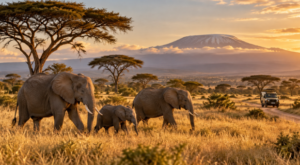
For many visitors, elephants become the highlight of Tarangire. Herds can sometimes be seen walking between baobab trees, feeding near woodland or approaching water sources.
Birdwatchers can also enjoy a wide variety of species throughout the park.
Ngorongoro Conservation Area
The Ngorongoro Conservation Area is one of Tanzania’s most extraordinary safari destinations.
Unlike a traditional national park, Ngorongoro is a multiple-use conservation area where wildlife conservation exists alongside local communities and livestock. The Ngorongoro Conservation Area Authority notes that the area contains wildlife habitat, important archaeological sites and communities including the Maasai.
The main attraction is the Ngorongoro Crater.
The crater was created following the collapse of a massive ancient volcano. Today, safari vehicles descend from the rim into the caldera for game drives.
Animals You Can See in Ngorongoro Crater
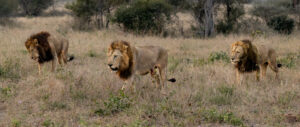
The crater provides opportunities to search for many iconic African animals, including:
- Lions
- Elephants
- Buffaloes
- Zebras
- Wildebeest
- Hippos
- Hyenas
- Jackals
- Gazelles
- Warthogs
- Various bird species
One animal many travelers particularly hope to encounter is the endangered black rhino.
Sightings depend on wildlife movements, weather and luck, so no responsible safari operator can guarantee seeing every species.
Tarangire vs Ngorongoro: What Is the Difference?
Although the two destinations are often included in the same Tanzania itinerary, their safari experiences are quite different.
Tarangire is known for open landscapes, baobab trees, elephants and extensive game driving through woodland and savannah.
Ngorongoro offers the experience of descending into a volcanic caldera where wildlife is concentrated across grassland, marshes and forested areas.
Visiting both provides far more variety than spending the same amount of time in only one destination.
Recommended 2-Day Tarangire and Ngorongoro Safari
A two-day safari is ideal for travelers with limited time.
Day 1: Arusha – Tarangire National Park
Your safari normally begins in Arusha after breakfast.
Meet your professional safari guide and travel toward Tarangire National Park.
After completing entrance procedures, begin your game drive.
Explore different parts of the park while searching for elephants, giraffes, zebras, antelopes and predators.
Your lunch can normally be enjoyed at a designated picnic area.
Continue your afternoon game drive before leaving the park and traveling toward Karatu or the Ngorongoro highlands.
Overnight: Karatu or Ngorongoro area.
Day 2: Ngorongoro Crater – Arusha
After an early breakfast, drive toward the Ngorongoro Conservation Area.
Descend into Ngorongoro Crater for a game drive.
Explore the crater floor while searching for lions, buffaloes, elephants, hippos, zebras, wildebeest and possibly black rhinos.
Ngorongoro regulations require visitors to use authorized roads and tracks, and visitors to the crater must be accompanied by a licensed guide.
After the game drive and lunch, ascend from the crater and drive back toward Arusha.
This concludes your Tarangire safari Ngorongoro vacation.
Recommended 3-Day Tarangire and Ngorongoro Vacation
Travelers who prefer a slower itinerary can choose three days.
Day 1: Arusha to Tarangire
Enjoy a full safari experience in Tarangire National Park.
Overnight near Tarangire or Karatu.
Day 2: Tarangire/Karatu to Ngorongoro Highlands
Spend additional time exploring the region.
Depending on the itinerary, travelers may include activities such as a cultural experience, village visit or a relaxed afternoon at their lodge.
Overnight in Karatu or near the Ngorongoro Conservation Area.
Day 3: Ngorongoro Crater and Return to Arusha
Enter the conservation area early and descend into Ngorongoro Crater.
Enjoy an extended wildlife-viewing experience before returning to Arusha later in the day.
The additional night makes the journey more comfortable and reduces the amount of driving concentrated into two days.
4-Day Tarangire, Serengeti and Ngorongoro Safari
Travelers with four days available should consider adding Serengeti National Park.
A popular itinerary is:
Day 1: Arusha → Tarangire National Park
Day 2: Karatu → Serengeti National Park
Day 3: Serengeti → Ngorongoro area
Day 4: Ngorongoro Crater → Arusha
This itinerary combines three famous northern Tanzania safari destinations and provides a much broader wildlife experience.
Best Time for a Tarangire Safari Ngorongoro Vacation
Tarangire and Ngorongoro can be visited throughout much of the year, but the experience changes seasonally.
June to October
The dry season is popular for safari travel.
Vegetation generally becomes drier and wildlife often gathers around dependable water sources, which can make animal observation easier in some areas.
Tarangire can be especially rewarding during this period.
November to December
Short rains may transform the landscapes into greener scenery.
There are usually fewer visitors than during peak dry-season months.
January to March
This is another attractive period for northern Tanzania travel.
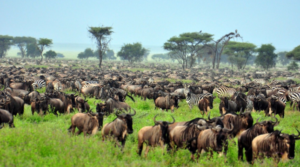
The wider Ngorongoro and southern Serengeti ecosystem can be especially interesting during the early months of the year, when migrating wildebeest use the short-grass plains of the region.
April and May
These months generally form part of Tanzania’s longer rainy period.
Landscapes become lush and green, visitor numbers can be lower and photographers may enjoy dramatic skies.
Road conditions and daily safari schedules can be more affected by rainfall.
Where Should You Stay?
Your choice of accommodation can significantly influence the cost and style of your vacation.
Budget Camping
Camping is the most economical option.
A camping safari can include basic tents, mattresses, sleeping bags and meals prepared by a safari cook.
It offers a traditional African safari experience and is particularly popular among adventurous travelers.
Mid-Range Lodges and Tented Camps
Mid-range safari accommodation offers increased comfort while remaining more affordable than luxury properties.
Typical facilities may include:
Private bathrooms, comfortable beds, restaurants, electricity or solar power and attractive views.
Karatu contains many convenient mid-range accommodation options for travelers visiting Ngorongoro.
Luxury Safari Lodges
Luxury safari accommodation focuses on location, privacy, personalized service and higher levels of comfort.
Some properties are positioned near the Ngorongoro Conservation Area or along the crater rim, while others are located around Karatu.
The official Ngorongoro tourism information notes that accommodation options are available both inside and outside the conservation area.
Private Safari or Shared Safari?
Both options can work well.
Private Tarangire and Ngorongoro Safari
On a private safari, the safari vehicle and guide are dedicated to your booking.
Advantages include:
Greater flexibility with departure times, more control over stops, additional privacy and easier accommodation customization.
Private safaris are particularly suitable for couples, honeymooners, families and photographers.
Group-Joining Safari
A shared safari allows several independent travelers to use the same safari vehicle and share transportation costs.
This option is especially attractive for solo travelers and budget-conscious visitors.
The route and schedule are normally more fixed than on a private safari.
Can I Combine Zanzibar With Tarangire and Ngorongoro?
Yes.
A Zanzibar and Tanzania safari combination is extremely popular.
Travelers can fly from Zanzibar to the mainland and then begin their northern Tanzania safari.
Depending on flight schedules and the length of the trip, travelers can arrive through Arusha or Kilimanjaro and continue toward Tarangire.
After completing the safari, they can return to Zanzibar or continue to another destination.
A possible itinerary is:
Day 1: Zanzibar → Arusha → Tarangire
Day 2: Ngorongoro Crater → Arusha
Day 3: Return flight to Zanzibar
For a more relaxed vacation, arriving in Arusha one night before the safari is often preferable.
Can I Add Serengeti?
Absolutely.
One of the best extensions is:
Tarangire → Serengeti → Ngorongoro Crater
This provides three different safari environments within one journey.
For travelers with four or more safari days, adding Serengeti often creates a more complete Northern Circuit experience.
How Much Does a Tarangire and Ngorongoro Safari Cost?
There is no single fixed price because safari costs depend on several factors.
The main factors include:
- Number of travelers.
- Private or shared safari.
- Number of safari days.
- Accommodation category.
- Travel season.
- Park and conservation fees.
- Safari vehicle costs.
- Meals.
- Transfers.
- Additional activities.
Budget camping generally costs less than lodge accommodation.
Sharing a safari vehicle can also reduce the per-person cost.
Luxury lodges and private safaris generally cost more because of accommodation quality, exclusivity and dedicated transport.
Because conservation and park charges can change, travelers should request a current quotation rather than relying on old safari prices published online.
What Is Normally Included?
A well-designed safari package commonly includes:
Transportation in a safari-equipped 4×4 vehicle, a professional safari guide, park or conservation fees included in the confirmed quotation, accommodation, meals during the safari, drinking water and scheduled game drives.
Exact inclusions differ between operators, so travelers should check the final itinerary carefully before paying a deposit.
What May Not Be Included?
Depending on the package, travelers may need to pay separately for:
International flights, visas, travel insurance, alcoholic beverages, personal expenses, tips, optional activities and accommodation before or after the safari.
Domestic flights and airport transfers may either be included or quoted separately.
What Safari Vehicle Is Used?
Most northern Tanzania safaris use modified 4×4 vehicles designed for wildlife viewing.
A good safari vehicle typically provides:
A pop-up roof, large windows, comfortable seating and storage for safari luggage.
Vehicles must follow conservation regulations while operating inside Ngorongoro. The NCAA specifically requires vehicles to remain on authorized roads and tracks within the conservation area.
Is Ngorongoro Suitable for Children?
Yes, many families visit Ngorongoro.
Because wildlife viewing takes place mainly from the safari vehicle, it can be manageable for children compared with physically demanding adventure activities.
Parents should nevertheless consider:
Driving distances, early morning departures, cold temperatures around the crater rim and the child’s ability to remain seated during game drives.
Private safaris are often particularly convenient for families because the schedule can be adjusted more easily.
What Should I Pack?
Pack light and focus on practical safari clothing.
Recommended items include:
Neutral-colored lightweight clothing, comfortable closed shoes, sun hat, sunglasses, sunscreen, insect repellent, camera, spare batteries, binoculars and a small daypack.
A warm jacket or fleece is highly recommended for Ngorongoro because mornings and evenings around the highlands can feel cold.
Should I Bring Binoculars?
Yes.
Binoculars can significantly improve your safari experience, especially when wildlife is located far from the road.
Some safari vehicles may provide shared binoculars, but travelers who enjoy wildlife viewing or birdwatching often appreciate having their own pair.
Is Tarangire Worth Visiting?
Yes, particularly if you enjoy elephants, beautiful landscapes and classic African safari scenery.
Tarangire is sometimes overlooked by travelers rushing toward Serengeti, but it provides a very different ecosystem and can easily become one of the highlights of a Northern Circuit vacation.
Is Ngorongoro Crater Worth Visiting?
For most first-time Tanzania safari travelers, yes.
The crater combines extraordinary scenery with an opportunity to search for many African wildlife species within a comparatively compact area.
Its geological importance also distinguishes it from conventional savannah national parks. The official conservation authority describes Ngorongoro Crater as a large, unbroken and unflooded volcanic caldera formed following the collapse of an ancient volcano.
Tarangire or Ngorongoro: Which Is Better?
Neither destination needs to replace the other.
Choose Tarangire if your main interests include elephants, baobabs and extensive savannah scenery.
Choose Ngorongoro if you want dramatic crater landscapes and concentrated wildlife viewing.
For the best experience, visit both.
The combination creates a much more diverse safari than selecting only one destination.
Plan Your Tarangire Safari Ngorongoro Vacation
A successful safari begins with an itinerary suited to your travel dates, budget and preferred accommodation style.
Before booking, decide:
- How many safari days you have.
- Whether you prefer private or shared travel.
- Your accommodation level.
- Whether you want to add Serengeti.
- Whether you are traveling from Zanzibar.
- Your arrival and departure airports.
- Any dietary requirements.
- Whether you want optional cultural or adventure activities.
Once these details are established, a safari operator can create a customized route and quotation.
A Tarangire safari Ngorongoro vacation can be short and affordable or extended into a complete luxury Tanzania holiday. Either way, the combination of Tarangire’s wildlife-filled landscapes and the spectacular Ngorongoro Crater makes it one of the most memorable safari routes in northern Tanzania.