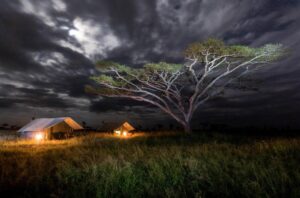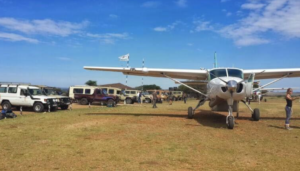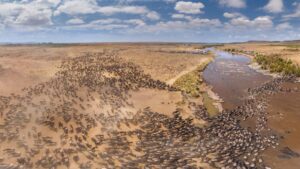
A Tarangire Safari Nyerere Holiday is an excellent way to experience two remarkably different wildlife destinations in Tanzania. Tarangire National Park introduces travelers to northern Tanzania’s famous safari landscapes, huge elephant herds, ancient baobab trees, and wildlife concentrated around the Tarangire River. Nyerere National Park, in southern Tanzania, offers a completely different atmosphere with vast wilderness, fewer vehicles, the Rufiji River system, boat safaris, and excellent opportunities to encounter predators and other African wildlife.
Combining these destinations creates a Tanzania safari that goes beyond the traditional Northern Circuit. Instead of visiting parks with similar landscapes and safari styles, travelers experience two contrasting ecosystems and different ways of exploring the wilderness.
Whether you are planning a honeymoon, family adventure, photography safari, private holiday, or longer Tanzania vacation, a Tarangire and Nyerere combination can provide an unforgettable wildlife experience.
Why Choose a Tarangire Safari Nyerere Holiday?
Tanzania has many outstanding national parks, but Tarangire and Nyerere complement each other particularly well.
Tarangire is known for its impressive concentration of elephants, baobab-covered landscapes, seasonal wildlife movements, and classic game drives. During the dry season, animals gather around the Tarangire River, creating excellent opportunities for wildlife viewing.
Nyerere National Park provides a more remote wilderness experience. Its rivers, lakes, woodland, open grasslands, and channels create habitats for an impressive variety of wildlife. One of its biggest attractions is the possibility of combining traditional game drives with a boat safari on the Rufiji River.
Together, the parks allow travelers to experience:
- Classic 4×4 game drives
- Large elephant populations
- Baobab landscapes
- River ecosystems
- Predators and plains wildlife
- Excellent birdlife
- Remote wilderness
- Boat safari opportunities
- Beautiful African sunsets
- Different ecosystems during one Tanzania holiday
For travelers who want something more diverse than visiting several neighboring parks, this combination can be particularly rewarding.
Tarangire National Park: The Land of Elephants and Baobabs
Tarangire National Park is one of northern Tanzania’s most distinctive safari destinations.
Located southwest of Arusha, it is commonly included in Northern Circuit itineraries alongside Serengeti National Park, Ngorongoro Crater, and Lake Manyara.
However, Tarangire deserves more than simply being treated as a short stop between other destinations.
Its landscape immediately distinguishes it from many other parks.
Gigantic baobab trees rise above open savannah, acacia woodland, seasonal wetlands, and river valleys. The Tarangire River forms one of the park’s most important natural features and provides an essential water source for wildlife, especially during the dry months.
Elephants in Tarangire
Elephants are one of the biggest reasons travelers visit Tarangire.
It is common to encounter family groups moving through woodland, gathering near water, crossing safari tracks, or feeding beneath baobab and acacia trees.
Watching elephants interact is often one of the most memorable moments of a Tarangire safari.
You may see young calves walking beside their mothers, adults using their trunks to drink or feed, and large herds traveling together across the landscape.
For wildlife photographers, these encounters can be exceptional because Tarangire’s dramatic vegetation creates beautiful backgrounds for elephant photography.
Wildlife You Can See in Tarangire
Although elephants are the park’s signature attraction, Tarangire supports an impressive variety of animals.
Possible sightings include:
- Lions
- Leopards
- Cheetahs
- Giraffes
- Zebras
- Wildebeest
- Buffalo
- Warthogs
- Impalas
- Waterbuck
- Dik-dik
- Baboons
- Vervet monkeys
- Hippos
- Numerous antelope species
Predator sightings are never guaranteed because these are wild animals moving freely through their natural environment. However, the concentration of prey around important water sources can create excellent opportunities for observing predator activity.
Tarangire’s Famous Baobab Trees
The enormous baobab trees scattered across Tarangire are another defining feature of the park.
Some have survived for hundreds of years.
Their huge trunks and unusual branches create one of Tanzania’s most recognizable safari landscapes.
During morning and evening game drives, the combination of baobabs, wildlife, golden sunlight, and open plains can provide outstanding photographic opportunities.
For many visitors, Tarangire feels like the classic image of Africa they imagined before arriving in Tanzania.
The Tarangire River
The Tarangire River is the ecological heart of the park.
During Tanzania’s dry season, permanent water becomes increasingly important. Wildlife from surrounding areas may move toward the river and other remaining water sources.
This concentration of animals can make wildlife viewing particularly rewarding.
Safari guides often explore areas around the river while also searching woodland, plains, and quieter sections of the park according to current wildlife movements.
Rather than following a fixed route throughout the day, an experienced guide can adjust the game drive according to recent sightings and animal behavior.
Birdwatching in Tarangire
Tarangire is also an excellent destination for bird enthusiasts.
The variety of woodland, wetlands, grassland, river habitat, and open savannah supports a remarkable diversity of bird species.
Even travelers who do not consider themselves serious birdwatchers often become interested once they begin seeing colorful and unusual species during game drives.
Birding can be especially enjoyable during the greener months when migrant species and breeding activity add even more life to the landscape.
Nyerere National Park: Tanzania’s Southern Wilderness
After experiencing the classic landscapes of Tarangire, Nyerere introduces travelers to another side of Tanzania.
Nyerere National Park is located in southern Tanzania and forms part of one of Africa’s great wilderness regions.
Its enormous landscapes, river channels, lakes, woodland, and open plains create an adventurous safari atmosphere.
One of the most noticeable differences between Nyerere and Tanzania’s busiest northern destinations is the feeling of space.
In many areas, travelers can enjoy wildlife encounters with fewer safari vehicles nearby.
For visitors searching for a quieter and more immersive safari, this is a major attraction.
The Rufiji River Experience
The Rufiji River system is one of the defining features of a Nyerere safari.
It creates channels, lakes, sandbanks, and fertile wildlife habitats throughout the region.
Animals frequently approach the water to drink, while hippos and crocodiles inhabit the river environment.
The river also supports extraordinary birdlife.
Most importantly, the Rufiji creates an opportunity that is uncommon on traditional northern Tanzania safari itineraries:
A Boat Safari
A boat safari can completely change the way you experience African wildlife.
Instead of watching animals from a Land Cruiser, you explore the river environment from the water.
Depending on conditions and wildlife movements, travelers may observe hippos, crocodiles, waterbirds, elephants near the riverbanks, and other animals approaching the water.
The experience is especially beautiful later in the day when the sun begins descending over the wilderness.
A boat safari combined with traditional game drives gives a Nyerere holiday significantly more variety.
Wildlife in Nyerere National Park
Nyerere protects an extensive wilderness supporting diverse wildlife.
Depending on location, season, luck, and animal movements, safari visitors may encounter:
- Elephants
- Lions
- Giraffes
- Buffalo
- Zebras
- Hippos
- Crocodiles
- Wildebeest
- Impalas
- Warthogs
- Various antelope species
- Monkeys
- Numerous bird species
The park is also known for its predator populations and remote wilderness character.
Every safari remains unpredictable. That unpredictability is part of the experience: guides search for tracks, listen to information from other guides, observe animal behavior, and explore different habitats to maximize wildlife-viewing opportunities.
Tarangire vs Nyerere: Why Visit Both?
The greatest advantage of a Tarangire Safari Nyerere Holiday is contrast.
Tarangire offers:
Classic Northern Circuit scenery, enormous baobabs, elephants, game drives, savannah, woodland, and excellent seasonal wildlife concentrations.
Nyerere offers:
Remote southern wilderness, the Rufiji River, boat safari possibilities, diverse habitats, predators, hippos, crocodiles, and a quieter safari atmosphere.
Visiting both means your Tanzania holiday does not feel repetitive.
One morning you may be watching elephants beneath giant baobabs in Tarangire.
A few days later, you could be traveling along the Rufiji River while hippos surface nearby and the African sun disappears behind the horizon.
That diversity is what makes this safari combination special.
Suggested Tarangire and Nyerere Safari Itinerary
Because Tarangire and Nyerere are located in different safari regions, travelers should allow enough time for the combination.
Trying to visit both parks too quickly can result in too much traveling and insufficient wildlife-viewing time.
A carefully organized itinerary may look like the following.
Day 1: Arrival in Arusha
Arrive at Kilimanjaro International Airport or Arusha Airport and meet your safari representative.
Transfer to your accommodation in Arusha.
Depending on your arrival time, spend the remainder of the day relaxing and preparing for your safari.
Your safari briefing can cover:
- Departure time
- Luggage arrangements
- Accommodation
- Park itinerary
- Meals
- Optional activities
- Flight arrangements
- Safari expectations
An early night’s rest is recommended before beginning your adventure.
Day 2: Arusha to Tarangire National Park
After breakfast, meet your professional safari guide and depart toward Tarangire National Park.
Once inside the park, your first game drive begins.
Explore baobab woodland, river valleys, open plains, and wildlife-rich areas while searching for elephants, giraffes, zebras, wildebeest, buffalo, lions, antelopes, and other animals.
Enjoy lunch during the safari before continuing your afternoon game drive.
Later, travel to your lodge or camp for dinner and overnight.
Day 3: Tarangire Safari Experience
Spend another day exploring Tarangire.
Having additional time in the park allows your guide to explore beyond the areas normally visited during short day trips.
Morning wildlife activity can be particularly rewarding.
Elephants may be moving toward water sources while predators can sometimes still be active before temperatures rise.
Continue exploring different habitats throughout the day.
A second day also provides more time for photography and reduces the pressure to rush from one sighting to another.
Return to your accommodation in the evening for dinner and relaxation.
Day 4: Continue Toward the Southern Safari Experience
This part of the itinerary depends on your selected transport arrangements.
Because Tarangire and Nyerere belong to different safari circuits, efficient planning is important. Domestic flights can significantly reduce long overland transfers and help maximize the time spent actually enjoying the parks.
Your itinerary may therefore include a transfer toward an appropriate airport followed by a domestic flight connecting you with southern Tanzania.
Your safari consultant should organize the route according to available flights, travel dates, budget, and accommodation choices.
Day 5: Nyerere National Park Game Drive
Begin exploring the landscapes of Nyerere National Park.
Your guide searches different habitats for elephants, buffalo, giraffes, antelopes, lions, zebras, hippos, and other wildlife.
The atmosphere may feel very different from Tarangire.
The wilderness is vast, vegetation changes constantly, and the river system influences where animals move.
Enjoy lunch before continuing your afternoon exploration.
Later, travel to your camp or lodge for dinner and overnight.
Day 6: Full-Day Nyerere Safari
Spend a full day exploring Nyerere.
An early departure gives you the opportunity to experience the wilderness while temperatures are cooler and animals may be more active.
The day’s route depends on wildlife movements and conditions.
Your guide may explore open areas for herbivores and predators before moving toward river habitats.
Take time at interesting sightings rather than simply driving long distances.
A private safari is especially valuable for photographers because it provides greater flexibility over how long you remain at each wildlife encounter.
Day 7: Rufiji River Boat Safari
Today can include one of the highlights of the journey: a boat safari.
Explore sections of the Rufiji River ecosystem while observing wildlife from a completely different perspective.
Hippos, crocodiles, waterbirds, and animals visiting the riverbanks can create excellent sightings.
The experience is also about scenery.
Quiet water, riverine vegetation, African skies, and the sounds of the wilderness create a peaceful contrast to driving through the bush.
Depending on the itinerary, the boat excursion may be combined with another game drive.
Return to your accommodation afterward.
Day 8: Nyerere to Dar es Salaam or Zanzibar
Enjoy breakfast and, depending on your flight schedule, perhaps a final activity before transferring for your onward journey.
Many travelers continue from Nyerere toward:
- Dar es Salaam
- Zanzibar
- Another southern Tanzania destination
- An international departure connection
Combining a safari with Zanzibar is especially popular.
After several days of early mornings and adventurous game drives, relaxing beside the Indian Ocean can be the perfect conclusion to your Tanzania holiday.
Tarangire, Nyerere and Zanzibar Holiday
One of the best ways to expand this itinerary is by adding Zanzibar.
The combination creates three completely different travel experiences.
Tarangire: elephants, baobabs and classic game drives.
Nyerere: river wilderness, boat safaris and remote landscapes.
Zanzibar: beaches, tropical waters, Swahili culture and relaxation.
A complete holiday might include approximately:
2–3 days Tarangire + 3–4 days Nyerere + 4–7 days Zanzibar.
This gives travelers enough time to enjoy wildlife without making the safari unnecessarily rushed.
Best Time for a Tarangire Safari Nyerere Holiday
A Tarangire and Nyerere safari can be planned during different times of year, but conditions change considerably between seasons.
June to October
The dry season is one of the most popular periods for wildlife safaris.
Vegetation generally becomes thinner and animals increasingly depend on remaining water sources.
Tarangire can be particularly rewarding as wildlife concentrates around the Tarangire River and other permanent water.
Nyerere can also offer excellent wildlife viewing during the dry season.
These months are popular, so booking flights and accommodations early is recommended.
November to March
The landscape becomes greener as seasonal rains influence Tanzania.
This can be a beautiful period for photography.
Green vegetation, dramatic skies, newborn animals in some areas, and active birdlife can create a completely different safari experience.
Some travelers also appreciate the greener landscapes compared with the dusty appearance of the late dry season.
April and May
These months are traditionally associated with Tanzania’s heavier rainy period.
There can be advantages such as lush scenery and fewer visitors, but rainfall may affect road conditions, wildlife-viewing routes, flight schedules, and the operation of some seasonal camps.
Travelers considering this period should discuss current conditions and accommodation availability before confirming their safari.
Accommodation Options
A Tarangire and Nyerere holiday can be organized at different comfort levels.
Budget Safari
Budget options prioritize the safari experience while keeping accommodation costs lower.
Depending on the itinerary, this may involve simpler lodges or camps.
Budget does not necessarily mean sacrificing wildlife viewing. The national parks and wildlife remain the same; the biggest differences are usually accommodation style, location, services, and exclusivity.
Mid-Range Safari
Mid-range safaris are among the most popular choices.
Travelers typically receive comfortable rooms or permanent safari tents, private bathrooms where specified, restaurant facilities, and good locations.
This category provides a balance between comfort and price.
Luxury Safari
Luxury safaris emphasize accommodation quality, location, personalized service, dining, and exclusivity.
Properties may offer spacious tented suites, beautiful wilderness views, swimming pools, premium dining, and highly personalized hospitality.
For honeymooners and special celebrations, luxury camps can transform the safari into a particularly memorable experience.
Private Tarangire Safari Nyerere Holiday
A private safari is one of the best options for this itinerary.
With a private safari, the vehicle and guide are dedicated to your booking rather than shared with unrelated travelers.
This provides greater flexibility.
You can spend more time photographing an elephant herd, wait patiently at a predator sighting, adjust departure times where park rules and logistics allow, and discuss daily priorities with your guide.
Private safaris are particularly suitable for:
- Couples
- Honeymooners
- Families
- Photographers
- Senior travelers
- Small groups
- Travelers celebrating special occasions
- Guests wanting maximum flexibility
Because Tarangire and Nyerere are geographically separated, a customized private itinerary also makes coordinating transfers and domestic flights easier.
Safari Vehicle
Game drives are generally conducted in purpose-built safari vehicles designed for wildlife viewing.
A good Tanzania safari vehicle normally provides elevated seating and a viewing roof so guests can comfortably observe and photograph animals.
Your vehicle becomes an important part of the safari because several hours each day may be spent exploring the national parks.
For this reason, vehicle quality and an experienced guide are just as important as accommodation.
The Importance of Your Safari Guide
A professional guide can dramatically improve your Tanzania safari.
Finding wildlife requires much more than simply driving through a national park.
Experienced guides understand:
- Animal behavior
- Wildlife tracks
- Habitats
- Seasonal movements
- Bird identification
- Park routes
- Photography positioning
- Safety procedures
They also communicate with other guides when appropriate to identify recent wildlife activity.
A good guide knows when to move and when to wait.
Sometimes the best safari moment happens because the vehicle remains quietly beside an apparently ordinary scene for several minutes.
Photography on a Tarangire and Nyerere Safari
Both parks offer excellent photographic opportunities but in very different environments.
Tarangire is ideal for photographing elephants against baobab landscapes.
Nyerere provides opportunities for river photography, hippos, crocodiles, birds, predators, and wider wilderness scenes.
Travelers interested in photography should consider bringing:
- Camera
- Telephoto lens
- Extra batteries
- Memory cards
- Lens-cleaning equipment
- Protective camera bag
- Phone or camera charger
Dust is common on safari, especially during dry periods, so keeping camera equipment protected when not being used is recommended.
What to Pack
Packing lightly and practically makes safari travel easier.
Useful items include:
- Lightweight neutral-colored clothing
- Comfortable trousers or shorts
- Long-sleeved shirts
- Comfortable closed shoes
- Sandals for the lodge
- Sun hat
- Sunglasses
- Sunscreen
- Insect repellent
- Personal medication
- Camera
- Binoculars
- Power bank
- Light rain jacket
- Warm layer for cool mornings
- Small day bag
- Passport and travel documents
Neutral colors such as khaki, beige, brown, and olive are practical for safari environments.
Avoid bringing unnecessary heavy luggage, particularly when your itinerary includes domestic flights, because smaller aircraft can have stricter baggage limitations.
Food During the Safari
Safari packages commonly include meals according to the selected accommodation and itinerary.
Breakfast may be served at your lodge before departure or packed for an early game drive.
Lunch can be enjoyed at designated picnic areas or arranged by the lodge.
Dinner is generally served at the accommodation.
Dietary requirements should be communicated before arrival.
Vegetarian, vegan, gluten-free, and other dietary needs can often be accommodated when arranged in advance.
Is This Safari Good for Families?
Yes.
A Tarangire and Nyerere holiday can be an excellent family adventure.
Tarangire’s elephants are especially exciting for children, while the river environment in Nyerere introduces another dimension to the safari.
However, itinerary pacing is important.
Families with young children may benefit from:
- Shorter game-drive periods
- Comfortable accommodations
- Private safari vehicles
- Scheduled rest periods
- Convenient domestic flights
- Family-friendly camps and lodges
A private vehicle gives parents greater control over the daily schedule.
Is It Good for Honeymooners?
A Tarangire and Nyerere safari is an excellent honeymoon choice.
The combination offers adventure, privacy, wildlife, beautiful landscapes, and opportunities for romantic accommodation.
Couples can make the trip even more special by selecting private safari arrangements and combining the journey with Zanzibar.
Imagine beginning your honeymoon beneath enormous baobabs in Tarangire, watching elephants during a sunset game drive, exploring the Rufiji River in Nyerere, and finishing your holiday on a white-sand Zanzibar beach.
It combines adventure and relaxation within one Tanzania journey.
Tarangire Safari Nyerere Holiday Cost
There is no single fixed price for every Tarangire and Nyerere safari.
The final cost depends on several factors, including:
Number of travelers: Sharing the cost of a private vehicle between more guests can reduce the per-person price.
Travel season: Peak-season accommodation and flights can cost more.
Accommodation level: Budget, mid-range and luxury camps have significantly different rates.
Number of safari days: Longer itineraries increase accommodation, park, vehicle and guiding costs.
Domestic flights: Flying between safari regions adds cost but can save considerable travel time.
Private versus shared arrangements: Private safaris generally cost more but provide greater flexibility.
Additional activities: Boat safaris and other optional experiences may affect the final package price depending on what is included.
The best approach is therefore to request a personalized quotation based on your exact dates, number of travelers and preferred accommodation category.
What Should a Safari Package Include?
Always check the exact inclusions before comparing safari prices.
A well-organized package may include:
- Safari vehicle
- Professional guide
- National park fees
- Accommodation
- Meals according to itinerary
- Drinking water
- Game drives
- Airport or hotel transfers as specified
- Domestic flights when included in the itinerary
- Boat safari when specified
- Government taxes and applicable tourism charges
Travelers should also check exclusions.
These may include international flights, visas, travel insurance, tips, personal purchases, alcoholic beverages, optional activities, and anything not specifically mentioned in the itinerary.
Why Domestic Flights Can Be Important
Tarangire and Nyerere are located in different parts of Tanzania.
For this reason, simply driving directly between every destination may not always be the most efficient holiday plan.
Domestic flights can save valuable safari time.
Instead of spending an excessive amount of your holiday transferring between distant regions, you can spend more time exploring wildlife areas.
Flight arrangements should be coordinated carefully with your complete itinerary.
This is particularly important when combining:
Arusha + Tarangire + Nyerere + Zanzibar.
A safari specialist can design the route to minimize unnecessary backtracking.
Can Tarangire and Nyerere Be Combined With Serengeti?
Yes.
Travelers with enough time can create a larger Tanzania wildlife itinerary such as:
Tarangire → Serengeti → Ngorongoro → Nyerere → Zanzibar.
This provides an exceptionally comprehensive introduction to Tanzania.
However, it requires more days and a larger budget.
For most travelers, approximately 10–14 safari days provide a more comfortable pace for combining several northern and southern destinations.
Trying to include every famous park in a short itinerary can result in spending too much time transferring and too little time actually watching wildlife.
Tarangire and Nyerere for Wildlife Photographers
Photographers can benefit greatly from combining these parks.
Tarangire provides opportunities for:
- Elephant portraits
- Baobab compositions
- Predator photography
- Bird photography
- Sunrise and sunset landscapes
- Large-herd scenes
Nyerere provides:
- River wildlife
- Hippos
- Crocodiles
- Waterbirds
- Predator encounters
- Wilderness landscapes
- Boat-based photography
A private vehicle is highly recommended for serious photographers.
It allows the guide to position the vehicle according to lighting, background and animal movement whenever conditions permit.
Responsible Safari Travel
Wildlife tourism works best when animals and ecosystems are treated with respect.
Travelers should follow park regulations and their guide’s instructions.
Never encourage a driver to leave permitted routes illegally, disturb wildlife, approach animals dangerously, or block an animal’s natural movement.
Responsible safari behavior includes:
- Keeping an appropriate distance from animals
- Avoiding unnecessary noise
- Never feeding wildlife
- Disposing of waste responsibly
- Respecting local communities
- Following national park regulations
- Choosing responsible tourism operators
Wild animals should always control the encounter.
Planning Your Tarangire Safari Nyerere Holiday
Successful planning begins with a few important decisions.
First, decide how many days you have available.
Second, determine your preferred accommodation level.
Third, decide whether Zanzibar or another destination will be included after the safari.
Finally, consider whether you prefer maximum comfort and flexibility or whether keeping the overall price lower is more important.
With those details, a safari specialist can design the most efficient route.
A personalized itinerary is particularly important for this combination because flight schedules, accommodation availability, seasonality and park logistics can influence the ideal order of destinations.
Final Thoughts
A Tarangire Safari Nyerere Holiday combines two contrasting sides of Tanzania into one extraordinary African adventure.
Tarangire delivers elephants, ancient baobabs, open savannah and classic 4×4 game drives.
Nyerere introduces vast southern wilderness, river ecosystems, hippos, crocodiles, predators and the possibility of exploring the Rufiji River by boat.
Together, they create a safari filled with variety.
Add Zanzibar afterward, and the journey can combine northern Tanzania’s iconic wildlife landscapes, southern Tanzania’s remote wilderness and the tropical beaches of the Indian Ocean.
For couples, families, photographers, honeymooners and adventurous travelers, a carefully planned Tarangire and Nyerere itinerary offers an opportunity to experience Tanzania beyond the standard safari route.