Skip to content

A Tarangire safari trip introduces you to one of northern Tanzania’s most distinctive landscapes. Giant baobab trees, open grasslands, and the Tarangire River create a beautiful setting for wildlife viewing. The park is particularly known for elephants and offers a rewarding addition to a Tanzania safari itinerary.
Whether you are planning a day trip from Arusha or a longer wildlife holiday, understanding the park’s seasons and travel options will help you make the most of your visit.
What Makes Tarangire Special?
Tarangire offers a varied landscape of woodland, savannah, and seasonal wetlands. Its baobab trees provide striking scenery, while the river becomes an important water source for wildlife during dry periods.
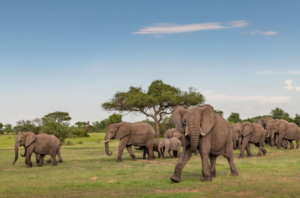
Elephants are a major attraction, often seen feeding, walking through the woodland, or gathering near water. A game drive may also reveal giraffes, zebras, wildebeest, impalas, and buffaloes. Lions, leopards, and cheetahs live in the park, although sightings depend on wildlife movements and a little luck.
For bird enthusiasts, Tarangire offers plenty to watch between larger animal sightings, including hornbills, raptors, and colourful woodland birds.
When to Plan Your Tarangire Safari Trip
The dry season, generally from June to October, is particularly rewarding for watching animals gather around remaining water sources. Vegetation becomes thinner, which can make wildlife easier to spot.
The greener months bring fresh scenery and appealing conditions for landscape photography. Wildlife can be more dispersed when water is widely available, so the experience differs from the dry season.
Your preferred travel period should reflect your interests, whether that means concentrated wildlife viewing, greener landscapes, or combining several destinations.
How Many Days Do You Need?
A day trip from Arusha provides a good introduction to Tarangire. Expect an early departure, a game drive with a picnic lunch, and a return journey later in the day.
Spending one or two nights near or inside the park allows a more relaxed visit. You can reduce the amount of driving squeezed into one day and spend more time exploring.
Tarangire also combines naturally with Ngorongoro Crater and Serengeti National Park on a longer Northern Circuit itinerary.
Shared or Private Safari?
A shared safari suits travellers who enjoy meeting others and sharing vehicle costs. Departures follow a planned route and schedule.
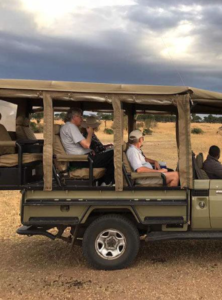
A private Tarangire safari gives your party an exclusive vehicle and guide. It provides greater flexibility to spend time at sightings and adjust the pace around your interests.
Both options can offer rewarding wildlife viewing. The right choice depends on your budget, preferred pace, and travel companions.
Accommodation and Packing
Accommodation options include camping, tented camps, and lodges. Consider the property’s location as well as its comfort level, because travel time between your accommodation and the park affects your itinerary.
Pack light, neutral-coloured clothing, comfortable shoes, sunscreen, a hat, and a light layer for cooler mornings. Binoculars and a camera are useful additions. Avoid blue and black clothing where possible, as these colours can attract tsetse flies.
Plan Your Visit
A well-planned Tarangire safari trip balances wildlife viewing with realistic travel times and suitable accommodation. Share your dates, group size, and preferred comfort level with Kilipath African Safaris to request an itinerary tailored to your Tanzania adventure.