Imagine descending through cool morning mist into a vast volcanic caldera where lions patrol the grasslands, elephants walk beneath the crater walls, and flamingos gather beside a shimmering soda lake. This is the magic of a Ngorongoro Crater safari—one of Tanzania’s most rewarding wildlife experiences and a natural highlight of the famous Northern Safari Circuit.
The top Ngorongoro Crater safari tours combine excellent wildlife viewing with comfortable transport, experienced guiding, realistic travel times, and an itinerary suited to your budget. Whether you have only one day from Arusha or want to combine the crater with Serengeti, Tarangire, and Lake Manyara, there is a tour format that can work beautifully.
Kilipath African Safaris organizes private and shared safari options for solo travelers, couples, families, friends, photographers, and honeymooners. Our aim is simple: help you experience the crater safely, comfortably, and without rushing the moments that make an African safari unforgettable.
Why Visit Ngorongoro Crater?
Ngorongoro Crater is the largest intact, unfilled volcanic caldera in the world. Its floor covers roughly 260 square kilometers and lies about 600 meters below the rim. The steep walls create a dramatic natural amphitheater containing grasslands, woodland, wetlands, springs, and Lake Magadi.
Because water and grazing are available throughout much of the year, a remarkable concentration of wildlife lives on or regularly uses the crater floor. Visitors may see lions, spotted hyenas, buffaloes, zebras, wildebeest, hippos, elephants, jackals, warthogs, gazelles, and many bird species during a single game drive. The crater is also among the best places in Tanzania to look for the critically endangered black rhinoceros, although every sighting depends on nature and can never be guaranteed.
The scenery is as memorable as the animals. From the forested rim, the land drops into an enormous green basin. On the crater floor, wildlife appears against cliffs that curve around the horizon. This combination of beauty, biodiversity, and relatively compact game-viewing terrain makes Ngorongoro an excellent destination for first-time safari travelers and returning wildlife enthusiasts alike.
What Makes the Top Ngorongoro Crater Safari Tours Different?
Not every itinerary described as a crater safari provides the same experience. A good tour should allow enough time inside the conservation area, use a reliable four-wheel-drive vehicle, and be led by a guide who understands wildlife behavior as well as park regulations.
The best tours normally include:
- A well-maintained 4×4 Land Cruiser with a pop-up roof
- An experienced English-speaking safari guide
- Crater entry and vehicle fees stated clearly in the package
- Drinking water and meals as described in the itinerary
- Accommodation that matches the promised category
- Sensible driving times and an early crater descent
- Airport or hotel transfers when included in the quotation
- Transparent payment, cancellation, and upgrade terms
- Support before and throughout the trip
Small details matter. An early start often brings pleasant temperatures, softer light, active predators, and less traffic. A knowledgeable guide can identify distant animals, interpret tracks, and position the vehicle respectfully without disturbing wildlife. A properly designed itinerary also avoids promising impossible routes or squeezing too many distant parks into too little time.
Best Ngorongoro Crater Safari Tour Options
1. One-Day Ngorongoro Crater Safari from Arusha
A day trip is ideal for travelers with limited time. The journey begins very early in Arusha and travels through the highlands to the Ngorongoro Conservation Area. After registration, the vehicle descends to the crater floor for a game drive and picnic lunch before returning to Arusha in the evening.
This option offers impressive wildlife viewing in one day, but it involves a long drive. It suits travelers who are already staying in Arusha and cannot add an overnight safari. For a calmer pace, spending the previous night in Karatu or near the conservation area is preferable.
2. Two-Day Tarangire and Ngorongoro Safari
This compact itinerary combines two contrasting ecosystems. Tarangire National Park is famous for ancient baobab trees, elephants, and seasonal wildlife concentrations along the Tarangire River. The following morning, the tour enters Ngorongoro Crater for a full game-viewing experience before returning to Arusha.
It is one of the best short safari choices for visitors who want variety without traveling as far as Serengeti. Accommodation can be budget camping, a comfortable lodge, or a tented camp around Karatu or Mto wa Mbu.
3. Three-Day Serengeti and Ngorongoro Safari
Travelers whose priority is iconic wildlife often choose a three-day Serengeti and Ngorongoro itinerary. The route normally travels from Arusha toward Central Serengeti, provides game viewing in the Seronera region, and finishes with an early descent into Ngorongoro Crater.
This safari contains significant driving but delivers two of Tanzania’s most celebrated destinations. It is available as a private safari and, on selected departure dates, as a shared group tour. Guests should arrive in Arusha at least one day before an early shared departure.
4. Four-Day Tarangire, Serengeti, and Ngorongoro Safari
For many visitors, four days provides the strongest balance between time, price, and variety. A typical route begins in Tarangire, continues to Central Serengeti, and concludes at Ngorongoro Crater. Compared with shorter tours, it gives more opportunities to observe animal behavior and reduces the feeling that every day is simply a transfer.
Private versions allow greater flexibility at sightings, while shared departures help solo travelers and couples control costs. Budget camping, mixed accommodation, mid-range lodges, and luxury camps can all be considered.
5. Five-Day Northern Circuit Safari
A five-day safari may add Lake Manyara or an extra day in Serengeti. Lake Manyara offers groundwater forest, monkeys, birdlife, and views of the Rift Valley escarpment. Alternatively, an additional Serengeti day is often valuable for travelers most interested in big cats, photography, or the wider plains ecosystem.
This length works particularly well for first-time visitors. It covers the major highlights while leaving more room for unhurried game drives, rest, and unexpected wildlife encounters.
6. Luxury Ngorongoro Crater Safari
A luxury safari combines exceptional guiding with carefully selected accommodation, private transport, refined dining, and personalized service. Lodges on or near the crater rim can provide spectacular views and convenient access for the morning descent. High-quality properties in Karatu offer beautiful gardens, spacious rooms, and a peaceful highland setting.
Luxury does not change the wildlife, but it changes the rhythm and comfort of the journey. Private departures can be adapted for honeymoon celebrations, special meals, upgraded rooms, bush flights, or additional nights in Serengeti.
7. Family Ngorongoro Safari
Ngorongoro is an excellent safari destination for families because wildlife is abundant within a relatively concentrated area. Children often enjoy seeing zebras, elephants, lions, hippos, and warthogs during the same drive.
A successful family itinerary should include manageable travel times, regular comfort stops, suitable meals, family rooms where available, and realistic expectations for young children. A private vehicle offers the most flexibility because the family can adjust departure times and breaks with the guide.
8. Photography Safari
Photographers benefit from a private vehicle, early starts, fewer guests, and enough time to wait at promising sightings. The crater offers dramatic landscapes, predators, herds, birds, and changing light. A private photography-focused tour can prioritize patient observation instead of following a fixed group schedule.
Guests should bring a telephoto lens, extra batteries, memory cards, lens-cleaning equipment, and protective storage for dust. Beanbags can be useful for stabilizing a camera on the vehicle, subject to available space.
Sample Four-Day Ngorongoro Crater Safari Itinerary
Day 1: Arusha to Tarangire National Park
After breakfast, meet your guide and receive a short safari briefing. Drive toward Tarangire National Park, passing villages and open countryside. Enter the park for a game drive among baobab-covered landscapes. Look for elephants, giraffes, zebras, wildebeest, impalas, and predators. Enjoy lunch at an appropriate picnic area, then continue exploring before traveling to your lodge or campsite for dinner and overnight.
Day 2: Tarangire to Central Serengeti
After breakfast, travel through the Ngorongoro highlands toward Serengeti National Park. The scenery changes from cultivated slopes to open plains. Wildlife viewing begins as you enter the Serengeti ecosystem, with chances to see gazelles, zebras, elephants, giraffes, lions, cheetahs, and many birds. Continue to Central Serengeti for dinner and overnight at your selected camp or public campsite.
Day 3: Serengeti Game Drive to Ngorongoro Area
Begin with an early game drive when wildlife is often active. Explore the Seronera region, known for permanent water sources and year-round animal activity. After lunch, continue game viewing while gradually traveling toward the Ngorongoro Conservation Area. Arrive at your accommodation or campsite for dinner and a cool highland evening.
Day 4: Ngorongoro Crater to Arusha
Wake early, have breakfast, and travel to the descent road. Enter the crater for a memorable game drive across grasslands, wetlands, and woodland. Search for lions, hyenas, buffaloes, elephants, hippos, zebra herds, and the elusive black rhino. After a picnic lunch and further game viewing, ascend the crater wall and return to Arusha, usually arriving in the late afternoon or early evening, depending on traffic and road conditions.
Private or Shared Ngorongoro Safari?
Both formats can provide a rewarding experience, but they serve different priorities.
Private safari
On a private tour, the vehicle and guide are dedicated to your booking. This provides flexibility over departure times, comfort stops, and the time spent at sightings. It is particularly suitable for families, honeymooners, photographers, friends traveling together, and guests who want upgraded accommodation or a customized route.
Private tours can also accommodate language requests such as French, German, Italian, or Spanish when arranged in advance and subject to guide availability.
Shared safari
A shared safari places travelers with other guests following the same itinerary. It is an economical and social option for solo travelers and couples. Kilipath African Safaris uses safari Land Cruisers with a maximum group size designed to provide each traveler with a window seat.
Shared tours follow a fixed schedule and use English-speaking guides. The route, accommodation category, and departure conditions should be confirmed before payment. Specialized areas such as Northern Serengeti and seasonal Ndutu generally require a private itinerary rather than a standard shared departure.
Accommodation Options
Budget camping
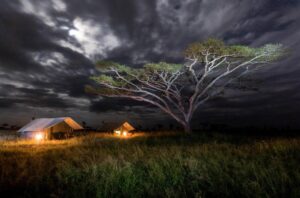
Public camping provides an adventurous and affordable safari experience. A typical package supplies a tent, mattress, sleeping bag, pillow, meals prepared by a safari cook, and shared campsite facilities. Bathrooms and showers are communal, and hot water or electricity may be limited. Camping is ideal for flexible travelers who value proximity to nature over hotel-style comfort.
Mid-range lodges and tented camps
Mid-range accommodation usually includes a private bedroom, private bathroom, comfortable bed, restaurant meals, and attentive service. Tented camps provide the atmosphere of sleeping in the wilderness while retaining many lodge comforts. They are popular with couples and travelers who want comfort without the price of top luxury properties.
Luxury lodges and camps
Luxury properties may offer larger suites, premium locations, fine dining, personalized hosting, and sweeping crater or highland views. Availability can become limited during peak travel periods, so early booking is strongly recommended.
Mixed accommodation
A mixed itinerary combines different categories—for example, a tented lodge in Tarangire, camping in Serengeti, and a lodge near Ngorongoro. This can keep the overall package affordable while adding comfort on selected nights.
Best Time for Ngorongoro Crater Safari Tours
Ngorongoro offers wildlife viewing throughout the year. The best month depends on whether you prioritize weather, scenery, visitor numbers, or a wider Tanzania itinerary.
June to October: Dry season
The dry months usually bring clear conditions and easier wildlife viewing as vegetation becomes less dense. Days can be pleasant, while mornings and evenings on the crater rim are cold. July through September is a popular period and accommodation should be reserved early.
November and December: Short rains
Short rains can refresh the landscape and produce beautiful green scenery. Rain normally does not mean continuous all-day storms. Visitor levels may be lower outside holiday dates, and birdwatching is rewarding.
January to March: Green season and calving period
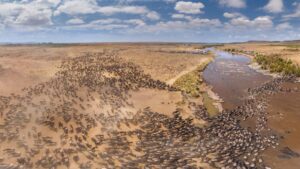
This is a wonderful time to combine Ngorongoro with Ndutu in the southern Serengeti ecosystem. Large herds may gather on the nutrient-rich plains, and the calving season attracts predators. Ndutu routing is normally arranged privately and should be booked early.
April and May: Long rains
These months can bring heavier rain, muddy roads, and changing travel conditions. The landscape is lush, visitor numbers are often lower, and some properties offer seasonal value. Flexible travelers may enjoy the atmosphere, but a dependable 4×4 and experienced guide are especially important.
Wildlife You May See
Ngorongoro Crater supports an extraordinary variety of animals. Common sightings include wildebeest, plains zebra, African buffalo, Thomson’s and Grant’s gazelles, warthogs, hippos, and spotted hyenas. Lions are regularly observed, while leopards and cheetahs are less predictable within the crater.
Large bull elephants sometimes move through the Lerai Forest and surrounding areas. Black rhinos may be visible at a distance on the open plains, but sightings are never guaranteed. Giraffes are generally absent from the crater floor, likely because the steep descent and habitat are unsuitable, although they live elsewhere in the conservation area.
Birdlife is diverse. Depending on season and water conditions, visitors can see crowned cranes, kori bustards, ostriches, raptors, waterbirds, and flamingos around Lake Magadi. Binoculars greatly improve both bird and distant mammal viewing.
How Much Does a Ngorongoro Crater Safari Cost?
The final price depends on the number of travelers, tour length, accommodation standard, season, private or shared format, and whether airport transfers or domestic flights are included. Ngorongoro fees are a significant part of the cost because vehicles descending into the crater pay additional charges beyond normal conservation entry fees.
A shared camping safari is generally the lowest-cost option. Private tours become better value per person when several friends or family members divide the vehicle cost. Mid-range and luxury rates change considerably according to the selected property and travel dates.
When comparing quotations, check whether each offer includes the same services. A price that appears lower may exclude crater fees, airport transfers, accommodation before the safari, drinks, or taxes. Request a written list of inclusions and exclusions rather than choosing solely by the headline amount.
What Is Usually Included?
A well-presented package commonly includes:
- Safari transport in a 4×4 Land Cruiser with pop-up roof
- Services of a professional English-speaking driver-guide
- National park and conservation area fees
- Ngorongoro crater service fee
- Accommodation and meals shown in the itinerary
- Drinking water during the safari
- Game drives described in the program
- Hotel pickup and drop-off where specified
- Camping equipment and cook on camping itineraries
Items often excluded include international flights, visas, travel insurance, optional activities, alcoholic drinks, personal purchases, and gratuities. Domestic flights and airport transfers should be treated as included only when written into your individual quotation.
Planning Your Ngorongoro Safari from Zanzibar
Many travelers combine a beach holiday in Zanzibar with a Northern Circuit safari. The most practical plan is usually to fly from Zanzibar to Arusha or Kilimanjaro and begin the safari after arrival. Starting on the same day can work when the flight lands early enough, but delays may reduce game-viewing time. Arriving the previous day offers more protection and a calmer start.
For the return journey, avoid booking a flight too close to the expected safari finish. Road traffic, weather, and wildlife viewing can affect timing. A late evening flight from Kilimanjaro or an overnight stay followed by a next-day flight is safer than a tight connection.
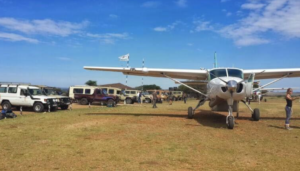
Travel with a soft-sided bag where possible, particularly if using a small bush aircraft. Large suitcases can often be stored in Arusha or Zanzibar by prior arrangement. Always confirm the airline’s current baggage allowance before departure.
Ngorongoro Safari Packing List
Pack light, practical clothing in neutral colors. Layering is essential because the crater rim can be very cold before sunrise while the crater floor becomes warm later in the day.
Useful items include:
- Warm fleece or insulated jacket
- Lightweight shirts and trousers
- Comfortable closed shoes
- Sun hat and sunglasses
- High-SPF sunscreen and lip balm
- Personal medication and basic toiletries
- Camera, spare batteries, and memory cards
- Binoculars if you prefer your own pair
- Reusable day bag
- Passport and necessary travel documents
- Cash for gratuities and small personal expenses
Bright white clothing shows dust quickly. Camouflage clothing can be restricted or misunderstood in some destinations, so ordinary neutral safari colors are preferable. Avoid overpacking; most lodges can provide laundry services, although underwear may need to be washed personally.
Responsible Travel in Ngorongoro
Ngorongoro is both a protected landscape and a living cultural area. Maasai communities have longstanding ties to the wider conservation region. Travelers should treat residents respectfully, ask before photographing people, and book cultural visits through responsible arrangements.
Inside the crater, remain in the vehicle unless the guide confirms that stopping is allowed. Never feed animals, throw rubbish, pressure a guide to drive off-road, or encourage crowding around wildlife. Quiet observation often leads to more natural behavior and a better experience.
Choosing a locally based tour operator also helps tourism revenue support Tanzanian employment and services. Ask how the company trains guides, maintains vehicles, and handles waste and community visits.
Why Book with Kilipath African Safaris?
Kilipath African Safaris is based in Arusha, the gateway to Tanzania’s Northern Safari Circuit. We organize private and shared adventures with a focus on clear communication, dependable logistics, and itineraries matched to each guest’s priorities.
When you plan with us, you can expect:
- Customized private and affordable shared safari choices
- Reliable 4×4 Land Cruisers with pop-up viewing roofs
- Knowledgeable guides familiar with Ngorongoro and nearby parks
- Budget camping, mid-range, mixed, and luxury accommodation
- Support with airport transfers and Zanzibar connections
- Dietary arrangements for vegetarian, vegan, halal, and other needs
- Honest guidance about driving times, seasons, and migration routes
- Window-seat planning on shared group departures
- Personal assistance from inquiry to final drop-off
We understand that a safari may be a once-in-a-lifetime journey. Our consultants help you compare options rather than forcing every traveler into the same package.
How to Choose the Right Tour
Begin with the number of available days. If you have one or two days, focus on Ngorongoro and Tarangire. With three or four days, consider adding Central Serengeti. Five to seven days provides a more relaxed experience and room for Lake Manyara, additional Serengeti game drives, or seasonal areas.
Next, decide what comfort level matters to you. Camping delivers adventure and value. Mid-range accommodation provides private facilities and comfortable evenings. Luxury properties emphasize location, space, and personalized service.
Finally, tell your consultant what matters most: big cats, rhinos, photography, family comfort, migration, cultural experiences, or a honeymoon atmosphere. The strongest itinerary is not always the one visiting the most parks. It is the one that gives sufficient time in the places most relevant to you.
Book Your Ngorongoro Crater Safari
The right Ngorongoro tour can be a quick wildlife escape, the grand finale of a Serengeti adventure, or the center of a relaxed luxury holiday. Tell Kilipath African Safaris your travel dates, group size, accommodation preference, arrival point, and approximate budget. We will recommend a realistic route and prepare a clear quotation.
Contact us today to start planning one of the top Ngorongoro Crater safari tours for your Tanzania adventure. Your crater sunrise, first lion sighting, and unforgettable view from the rim may be closer than you think.