Skip to content
A Zanzibar Serengeti safari is one of the most exciting ways to experience Tanzania because it combines two completely different sides of the country in one unforgettable journey. You can wake up beside the turquoise Indian Ocean in Zanzibar and, within hours, find yourself watching lions, elephants, giraffes, wildebeest, and cheetahs roaming across the endless Serengeti plains.
For travelers who want both relaxation and adventure, combining Zanzibar with the Serengeti offers an ideal balance. Zanzibar provides white-sand beaches, warm tropical waters, historic Stone Town, spice farms, snorkeling, diving, and beautiful sunsets. The Serengeti, meanwhile, delivers some of Africa’s most impressive wildlife viewing and is home to the legendary Great Migration.
This guide explains everything you should know when planning a Zanzibar Serengeti safari, including flights, safari duration, wildlife, seasons, accommodation choices, sample itineraries, packing advice, and how to make the most of your time in Tanzania.
Why Combine Zanzibar and the Serengeti?
The biggest advantage of a Zanzibar Serengeti safari is variety.
Instead of choosing between a wildlife safari and a beach holiday, you can experience both during the same trip. Tanzania’s domestic flight network makes it possible to travel between Zanzibar and safari airstrips without returning to another country or spending several days driving.
A typical journey might begin with a few relaxing days on Zanzibar before flying directly to the Serengeti for two or three days of game drives. Other travelers prefer to start with an active safari and finish their holiday on Zanzibar’s beaches.
Both combinations work extremely well.
After spending several days waking up early for game drives, many travelers appreciate finishing their trip beside the ocean. On the other hand, travelers arriving in Tanzania after a long international flight sometimes enjoy resting in Zanzibar before beginning their safari.
The experience gives you:
- World-class wildlife viewing in Serengeti National Park
- Opportunities to witness the Great Migration
- Excellent chances of seeing lions, cheetahs, elephants and other wildlife
- Beautiful Indian Ocean beaches
- Snorkeling and diving opportunities
- Zanzibar’s Swahili culture and history
- Tropical resorts and boutique hotels
- Convenient domestic flight connections
- A combination of adventure and relaxation
Few African holidays offer this much contrast within a single country.
Serengeti National Park: The Heart of Your Safari
Serengeti National Park is Tanzania’s most famous safari destination and covers approximately 14,750 square kilometers of savannah, woodland, rivers and rocky kopjes. It is internationally known for extraordinary wildlife populations and the annual movement of huge herds of wildebeest and zebra.
The landscape is enormous.
The word Serengeti originates from a Maasai expression commonly interpreted as describing the “endless plains.” Once you enter the park, the meaning becomes easy to understand.
Grasslands stretch toward the horizon while isolated acacia trees and granite kopjes rise from the plains.
The ecosystem supports lions, leopards, cheetahs, elephants, giraffes, buffaloes, hippos, hyenas, crocodiles, zebras, wildebeest and hundreds of bird species.
The Great Migration is certainly the Serengeti’s most famous attraction, but excellent wildlife viewing is available throughout the year.
Wildlife You May See in Serengeti
A Zanzibar Serengeti safari gives travelers the opportunity to search for some of Africa’s most iconic species.
Lions
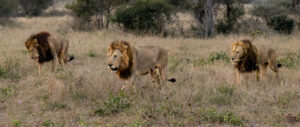
Serengeti has an impressive population of lions.
Prides are frequently seen resting under acacia trees, lying around rocky kopjes or following large grazing herds.
Early morning game drives can be particularly rewarding because predators are often more active before temperatures increase.
Cheetahs
The open plains provide excellent hunting environments for cheetahs.
They often use termite mounds or slightly elevated ground to scan the surrounding grasslands for gazelles.
Leopards
Leopards are more elusive but may be found resting on tree branches or moving through riverine woodland.
Your safari guide will often look for unusual silhouettes in trees and listen to alarm calls from other animals.
Elephants
Elephants can be encountered throughout parts of the Serengeti, particularly around woodland and water sources.
Family groups can sometimes be observed crossing safari tracks directly in front of vehicles.
Wildebeest
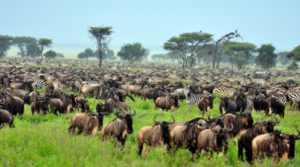
Wildebeest are central to the Great Migration.
More than a million animals move through the wider Serengeti-Mara ecosystem following rainfall and fresh grazing. TANAPA describes the Great Migration as the defining characteristic of this ecosystem.
Zebra
Huge numbers of zebra travel alongside wildebeest during migration periods.
Their different feeding habits help both species share the same grazing areas.
Hyenas
Spotted hyenas are common predators and scavengers throughout the Serengeti.
Visitors sometimes hear their distinctive calls during evenings at safari camps.
Zanzibar: Tropical Relaxation After Safari
After dusty safari roads and exciting wildlife encounters, Zanzibar offers a completely different atmosphere.
Palm trees, turquoise water and white beaches create the perfect environment for relaxation.
Some travelers spend two or three nights on Zanzibar, while others stay for a week.
Popular beach areas include:
Nungwi
Located at the northern tip of Zanzibar, Nungwi is famous for beaches, swimming, sunset cruises, restaurants and a lively atmosphere.
Kendwa
Kendwa is located close to Nungwi and offers broad white-sand beaches.
It is especially popular with travelers wanting beautiful sunsets and relatively easy swimming conditions.
Paje
Paje on Zanzibar’s southeast coast is popular for kite surfing and relaxed beachfront accommodation.
Jambiani
Jambiani offers a quieter atmosphere and a more traditional coastal village environment.
Matemwe
Matemwe is popular with travelers looking for peaceful resorts and easy access to snorkeling or diving excursions around Mnemba Island.
How Do You Travel From Zanzibar to Serengeti?
Flying is usually the easiest and most efficient option.
Instead of traveling from Zanzibar to mainland Tanzania and then driving for many hours, travelers can take domestic bush flights connecting Zanzibar with safari airstrips.
Common Serengeti airstrips include:
- Seronera
- Kogatende
- Grumeti
- Ndutu during appropriate seasons
- Fort Ikoma and nearby safari airstrips depending on itinerary
Current scheduled operations can change by season and airline, so safari flights should always be reconfirmed when arranging the final itinerary. Coastal Aviation’s 2026 timetable, for example, includes scheduled connections involving Zanzibar and Serengeti airstrips.
Zanzibar to Seronera
Seronera Airstrip is located in Central Serengeti and is one of the most useful airstrips for short safari trips.
After landing, your guide normally meets you at the airstrip with a safari vehicle.
Your game drive can begin almost immediately.
That means your transfer itself becomes part of your safari.
Zanzibar to Northern Serengeti
During approximately July to October, travelers interested in Mara River migration activity may choose flights toward Northern Serengeti.
Kogatende is one of the important safari airstrips serving this region.
Northern Serengeti requires careful planning because accommodation and domestic flights can become heavily booked during peak migration months.
Fly-In Safari vs Driving Safari
Both options can work, but visitors starting from Zanzibar often benefit from flying.
Fly-In Zanzibar Serengeti Safari
A fly-in safari saves a considerable amount of travel time.
You leave Zanzibar in the morning and may begin viewing wildlife in Serengeti later the same day.
It works especially well for travelers who only have three, four or five days available.
Advantages
- Less time driving between destinations
- More time inside wildlife areas
- Comfortable for couples and families
- Excellent for honeymoon travelers
- Ideal for short holidays
- Direct access to remote Serengeti areas
Road Safari
Travelers may also fly from Zanzibar to Arusha and begin a Northern Circuit safari by road.
A typical route could include:
Arusha → Tarangire → Serengeti → Ngorongoro → Arusha
This option takes longer but allows you to visit several national parks.
It can be ideal for travelers with five to eight safari days.
Best Time for a Zanzibar Serengeti Safari
There isn’t one single best month because different seasons offer different experiences.
TANAPA notes that Tanzania’s dry months generally offer easier wildlife viewing, while rainy or green periods produce lush scenery and strong birding opportunities.
January to March
This can be a fantastic period for travelers interested in wildebeest calving.
Large migration herds are generally associated with the southern Serengeti and Ndutu ecosystem during the early months of the year.
Thousands of calves are born.
The concentration of young animals can also attract predators such as lions, cheetahs and hyenas.
This creates exciting wildlife encounters.
Best for:
- Calving season
- Predator activity
- Photography
- Green landscapes
- Families interested in wildlife behavior
April and May
These months generally overlap with Tanzania’s long rainy season.
Some safari tracks may become muddy, and rainfall can occasionally disrupt travel plans.
However, there are advantages.
The landscapes become intensely green, birdlife is excellent and visitor numbers can be lower.
Some lodges may also offer seasonal rates.
Best for:
- Green landscapes
- Lower crowds
- Photography
- Birdwatching
- Travelers comfortable with occasional rain
June
The landscapes start becoming drier.
Migration herds generally begin moving toward western and northern areas depending on rainfall.
June is an excellent transition month for safari.
Best for:
- Pleasant safari conditions
- Wildlife photography
- Fewer crowds than peak July-August
- Migration movement
July to October: Peak Safari Season
This is one of the most popular periods for Serengeti safaris.
Wildlife becomes easier to observe in many areas as vegetation becomes drier.
During parts of this season, migration herds are commonly associated with Northern Serengeti and the Mara River region.
River crossings are unpredictable.
No safari operator can guarantee that a crossing will happen on a particular day because wildebeest move according to natural conditions.
However, spending multiple nights in Northern Serengeti increases the opportunities to observe migration activity.
TANAPA has specific visitor guidelines around Mara River crossing areas to protect wildlife and regulate safari vehicles.
Best for:
- Mara River migration season
- Excellent general wildlife viewing
- Dry weather
- First-time safari travelers
- Photography
Because July through September is extremely popular, booking early is important.
November and December
The short rains usually begin around this period.
The plains gradually become greener again and migrating animals start moving toward eastern and southern parts of the ecosystem.
Visitor numbers may be lower than during July and August.
This can be an excellent period for photographers.
How Many Days Do You Need?
A Serengeti safari from Zanzibar can be arranged from approximately two days, but longer stays provide a much better experience.
2-Day Serengeti Safari From Zanzibar
Possible for travelers with very limited time.
A typical itinerary might include:
Day 1: Fly Zanzibar to Serengeti – afternoon game drive
Day 2: Morning game drive – fly back to Zanzibar
This provides a taste of Serengeti but can feel rushed.
3-Day Zanzibar Serengeti Safari
Three days is a popular option.
Example:
Day 1 – Zanzibar to Serengeti
Take a morning domestic flight from Zanzibar.
Meet your professional safari guide at the airstrip.
Begin a game drive through Central Serengeti while traveling toward your lodge or tented camp.
Enjoy lunch and continue exploring in the afternoon.
Overnight inside or near Serengeti.
Day 2 – Full-Day Serengeti Safari
Start early.
Explore different wildlife areas throughout the day.
Search for lions, elephants, giraffes, cheetahs, leopards, buffaloes, wildebeest and zebra.
Lunch can be enjoyed at a designated picnic area or arranged by your camp.
Continue your afternoon game drive before returning to accommodation.
Day 3 – Serengeti to Zanzibar
Enjoy another morning game drive.
Drive toward the airstrip and board your flight back to Zanzibar.
This itinerary provides considerably more game-viewing time than a two-day safari.
4-Day Zanzibar Serengeti Safari
Four days allows travelers to experience Serengeti more comfortably.
A common itinerary includes two or three nights inside the ecosystem.
It can also incorporate Ngorongoro Crater.
Example:
Day 1: Zanzibar → Serengeti
Day 2: Full-day Serengeti
Day 3: Serengeti → Ngorongoro/Karatu
Day 4: Ngorongoro Crater → Arusha or flight connection to Zanzibar
This combination is excellent for first-time travelers.
5-Day Zanzibar Serengeti Safari
Five days provides even more flexibility.
One example would be:
Day 1: Zanzibar → Serengeti
Day 2: Full-day Serengeti
Day 3: Serengeti → Ngorongoro
Day 4: Ngorongoro Crater
Day 5: Tarangire → Arusha → Zanzibar
Another option is to spend three or four days entirely in Serengeti, particularly during migration season.
Serengeti and Ngorongoro Safari From Zanzibar
Combining Serengeti with Ngorongoro Crater is one of Tanzania’s classic safari experiences.
Ngorongoro offers a very different environment from Serengeti.
After reaching the crater rim, safari vehicles descend into the enormous volcanic caldera.
The crater floor supports diverse wildlife including:
- Lions
- Buffaloes
- Zebras
- Wildebeest
- Hippos
- Elephants
- Hyenas
- Gazelles
- Flamingos
- Occasionally black rhinos
Because wildlife is concentrated within a relatively compact area, Ngorongoro can produce excellent sightings in a single day.
Serengeti, Ngorongoro and Tarangire From Zanzibar
Travelers with approximately five or six days should consider adding Tarangire National Park.
Tarangire is famous for enormous baobab trees and elephant populations.
The park is particularly rewarding during the dry season when wildlife congregates around the Tarangire River.
A typical route is:
Zanzibar → Serengeti → Ngorongoro → Tarangire → Arusha → Zanzibar
This combination provides three distinctly different wildlife environments.
What Is the Great Migration?
The Great Migration is a continuous movement of wildebeest, zebras and other herbivores through the Serengeti-Mara ecosystem.
It is not a single event.
The animals keep moving throughout the year according to rainfall, water availability and fresh grass.
TANAPA describes the migration as a defining characteristic of the Serengeti ecosystem and highlights the movement of more than 1.5 million wildebeest together with zebra and gazelle.
Understanding this is important when planning a safari.
There is no permanent “migration location.”
Your safari itinerary should be designed around your travel month.
General Migration Pattern
December to March
Southern Serengeti and Ndutu region.
January to February
Peak calving period.
April to May
Herds gradually move north and west.
June
Western areas and migration corridors.
July to October
Northern Serengeti and Mara River region become major migration destinations.
November
Herds begin moving south again depending on rainfall.
These movements are natural and can vary every year.
Central Serengeti
Central Serengeti, commonly called Seronera, is one of the best all-year safari areas.
It has permanent water sources and diverse habitats.
Even when the biggest migration herds are elsewhere, resident wildlife can remain outstanding.
Central Serengeti is especially good for:
- Lions
- Leopards
- Cheetahs
- Elephants
- Giraffes
- Hyenas
- Hippos
- Zebra
- Wildebeest
- Birdlife
Seronera Airstrip also makes Central Serengeti very practical for fly-in safaris from Zanzibar.
Northern Serengeti
Northern Serengeti is known for beautiful landscapes and seasonal migration activity.
From approximately July through October, many travelers visit the region hoping to observe wildebeest gathering around or crossing the Mara River.
Crossings cannot be guaranteed.
Sometimes thousands of wildebeest may wait near the river for hours or days before suddenly crossing.
For this reason, travelers specifically interested in river crossings should ideally spend at least two or three nights in Northern Serengeti.
Southern Serengeti and Ndutu
The Ndutu ecosystem becomes particularly important between approximately December and March.
During the green season, huge herds gather on nutrient-rich short-grass plains.
January and February are particularly famous for wildebeest calving.
This is also an excellent time for predators.
Cheetahs, lions, hyenas and jackals take advantage of large prey concentrations.
Accommodation on a Zanzibar Serengeti Safari
Accommodation can range from basic public camping to luxury safari lodges.
Budget Camping
Camping safaris offer a more adventurous experience.
Guests usually sleep in tents at designated campsites.
Depending on the safari style, equipment can include:
- Tent
- Mattress
- Sleeping bag
- Pillow
- Camping chairs
- Meals prepared by a safari chef
Public campsites commonly use shared washroom facilities.
Mid-Range Tented Camps
Mid-range tented camps are extremely popular in Serengeti.
Although called tents, many feel more like hotel rooms built beneath canvas.
They often include:
- Proper beds
- Private bathrooms
- Hot showers
- Restaurant facilities
- Comfortable lounge areas
- Charging facilities
- Safari atmosphere
This category offers a good balance between comfort and price.
Luxury Safari Lodges and Camps
Luxury Serengeti properties can offer:
- Large suites
- Premium food
- Private decks
- Swimming pools
- Personalized service
- Excellent locations
- Private dining
- High-end tented accommodation
Luxury fly-in safari packages are particularly popular among honeymoon couples.
What Does a Zanzibar Serengeti Safari Cost?
Prices vary considerably.
A safari price depends on:
- Number of travelers
- Private or shared safari
- Number of days
- Accommodation category
- Domestic flights
- Travel season
- Park fees
- Concession fees
- Vehicle costs
- Destination combination
- Airport transfers
- Optional activities
Fly-in safaris generally cost more than road safaris because domestic flights must be included.
Luxury accommodation also increases the total significantly.
Traveling with two or more people on a private safari can reduce the per-person vehicle cost because transport expenses are shared.
Park tariffs can also change, so travelers should use current TANAPA fee information rather than relying on outdated online figures. TANAPA maintains official park tariff information for Serengeti and other national parks.
Private vs Shared Zanzibar Serengeti Safari
Private Safari
A private safari gives your group its own vehicle and guide.
Advantages
You have greater control over:
- Departure times
- Photography stops
- Game-drive duration
- Lunch timing
- Wildlife interests
- Accommodation choice
Private safaris are particularly valuable for photographers, families and honeymoon travelers.
Shared Safari
Shared safaris allow travelers to join other guests.
They can be more affordable because vehicle costs are divided among participants.
However, shared itineraries usually operate on fixed routes and schedules.
Travelers interested in specialized migration areas such as Northern Serengeti should check whether the shared itinerary actually visits that region.
Safari Vehicle
Serengeti game drives are normally conducted in specially modified 4×4 safari vehicles.
A well-equipped vehicle may include:
- Pop-up roof
- Large viewing windows
- Charging ports
- Cooler or refrigerator
- Seat belts
- First-aid equipment
- Radio communication
- Binoculars
The pop-up roof allows travelers to stand safely inside the vehicle while photographing animals.
Park rules must always be respected. TANAPA prohibits harassing or feeding wildlife and restricts activities such as night driving and unauthorized off-road driving.
Hot Air Balloon Safari
A hot-air balloon flight is one of the Serengeti’s most memorable optional activities.
Guests usually wake before sunrise and are transferred to the launch site.
The balloon then floats above the plains as the sun rises.
Depending on location and conditions, passengers may see:
- Wildebeest herds
- Zebra
- Giraffes
- Elephants
- Gazelles
- Savannah landscapes
- Rivers and kopjes
Balloon flights are especially popular for honeymoons and special occasions.
Availability can be limited, so advance booking is recommended.
Zanzibar Activities Before or After Safari
Your trip does not have to end when your safari finishes.
Zanzibar offers many activities.
Stone Town
Explore narrow historical streets, old buildings, markets and architecture influenced by African, Arab, Indian and European cultures.
Spice Tour
Zanzibar is historically famous for spices.
Visitors can learn about cloves, cinnamon, vanilla, nutmeg and tropical fruits.
Snorkeling
Zanzibar’s surrounding waters offer excellent opportunities for snorkeling.
Diving
Experienced divers can explore reefs and marine environments around several parts of the island.
Sunset Dhow Cruise
Traditional dhow cruises are especially popular around Stone Town and northern Zanzibar.
Beach Relaxation
Many travelers intentionally leave two or three completely free days after safari.
After early safari mornings, simply relaxing beside the ocean can be one of the best parts of the holiday.
What to Pack for a Zanzibar Serengeti Safari
Packing for both beach and safari environments requires some planning.
Safari Clothing
Bring:
- Lightweight shirts
- Neutral-colored trousers
- Comfortable walking shoes
- Hat
- Sunglasses
- Light sweater
- Warm jacket
- Lightweight rain jacket
- Comfortable evening clothes
Ngorongoro and Serengeti mornings can feel surprisingly cool.
Layers are useful.
Zanzibar Clothing
Bring:
- Lightweight summer clothing
- Swimwear
- Sandals
- Sun hat
- Reef-safe sunscreen where appropriate
- Light evening clothing
When visiting villages or Stone Town, respectful clothing covering shoulders and knees is recommended, particularly around religious or community areas.
Camera Equipment
A Zanzibar Serengeti safari is perfect for photography.
Useful equipment can include:
- DSLR or mirrorless camera
- Telephoto lens
- Extra memory cards
- Spare batteries
- Camera cleaning cloth
- Power bank
- Smartphone
- Waterproof beach pouch
For safari wildlife photography, telephoto lenses are particularly useful because guests should never approach wildlife simply to obtain a closer photo.
Luggage for Fly-In Safaris
Bush aircraft often have stricter luggage allowances than international flights.
Soft-sided bags are normally more practical than hard-shell suitcases.
Before your trip, confirm:
- Weight allowance
- Bag dimensions
- Whether hard cases are accepted
- Hand-luggage policy
Travelers arriving in Tanzania with large international suitcases can sometimes arrange secure luggage storage before taking a safari flight.
Is Zanzibar to Serengeti Suitable for Families?
Yes.
A Zanzibar Serengeti safari can work extremely well for families.
Children often enjoy searching for lions, giraffes, elephants and zebras.
However, parents should consider:
- Age of children
- Length of game drives
- Accommodation rules
- Swimming-pool supervision
- Domestic flight schedules
- Travel insurance
- Meal preferences
Private safaris usually provide families with the greatest flexibility.
Zanzibar Serengeti Safari for Honeymoon Couples
Few honeymoon combinations rival safari and Zanzibar.
Couples can spend several days exploring the Serengeti before relaxing in an oceanfront resort.
Possible honeymoon additions include:
- Private safari vehicle
- Luxury tented camp
- Balloon safari
- Bush breakfast
- Private dinner
- Beachfront suite
- Sunset dhow cruise
- Snorkeling trip
- Spa treatment
The contrast between adventure and beach relaxation makes this itinerary especially memorable.
Food During Safari
Most safari packages include meals during the safari.
Depending on accommodation and itinerary, travelers may receive:
- Breakfast
- Packed lunch
- Hot lunch
- Dinner
- Drinking water
Many operators and lodges can accommodate dietary requirements including vegetarian and vegan meals when notified beforehand.
Always mention allergies before arrival.
Health and Travel Preparation
Before traveling, check the latest entry, vaccination and health guidance applicable to your nationality and itinerary.
Good preparation includes:
- Comprehensive travel insurance
- Personal medication
- Insect repellent
- Sunscreen
- Hand sanitizer
- Basic first-aid items
- Copies of important travel documents
Avoid relying exclusively on screenshots of important documents.
Keep digital and physical copies when possible.
Why Fly Directly Into Serengeti?
For many travelers coming from Zanzibar, direct flights offer the best use of holiday time.
Consider two travelers with only four safari days.
If they spend much of Day 1 traveling via Arusha and driving toward Serengeti, their actual wildlife-viewing time is reduced.
By flying to Seronera, game viewing can potentially begin shortly after landing.
Fly-in safaris are therefore especially attractive for:
- Honeymooners
- Families
- Business travelers
- Short holidays
- Luxury travelers
- Returning safari guests
Should You Visit Zanzibar Before or After Safari?
Both approaches work.
Safari First, Zanzibar Second
This is probably the most relaxing arrangement.
You begin with adventure.
After several early mornings and long game drives, you finish beside the Indian Ocean.
Ideal for travelers who want to:
- Finish slowly
- Rest before flying home
- Spend the final days at a resort
Zanzibar First, Safari Second
This works well for travelers arriving after a long international journey.
Spend a few days relaxing before flying to Serengeti.
Ideal for travelers who:
- Want recovery time first
- Already have Zanzibar accommodation booked
- Are flying internationally through Zanzibar
Responsible Safari Travel
Serengeti is a protected ecosystem.
Responsible travel helps protect wildlife and habitats for future generations.
Visitors should:
- Follow guide instructions
- Never feed wildlife
- Never leave rubbish
- Avoid disturbing animals
- Respect vehicle regulations
- Keep noise low around sightings
- Use designated roads where required
TANAPA specifically asks visitors to avoid disturbing animals, littering and unauthorized off-road driving.
Respectful wildlife viewing creates a better experience for both visitors and animals.
Is a Zanzibar Serengeti Safari Worth It?
For travelers who want both wildlife and tropical beaches, absolutely.
The ability to travel from Zanzibar’s turquoise coastline to one of Africa’s greatest wildlife ecosystems within the same holiday makes this combination exceptional.
A well-planned trip can include:
Zanzibar beaches → Serengeti lions → Great Migration → Ngorongoro Crater → Zanzibar sunset
Few destinations can offer that diversity.
The key is choosing the correct Serengeti region based on your travel month and allowing enough time for meaningful game viewing.
Plan Your Zanzibar Serengeti Safari With Kilipath African Safaris
A Zanzibar Serengeti safari combines the tropical beauty of the Indian Ocean with one of the greatest wildlife destinations on Earth.
Whether you want a short fly-in safari, a romantic honeymoon, a Great Migration adventure or a longer journey through Serengeti, Ngorongoro and Tarangire, the most important part is designing the route around your dates.
At Kilipath African Safaris, we can help organize your Tanzania safari from the first airport transfer to your final game drive.
Your safari can be customized according to:
- Travel dates
- Budget
- Number of travelers
- Preferred accommodation
- Private or shared safari
- Great Migration interests
- Zanzibar hotel location
- Domestic flights
- Honeymoon requirements
- Family requirements
- Photography interests
Ready to Experience Zanzibar and Serengeti?
Contact Kilipath African Safaris and tell us your travel dates, number of travelers and preferred safari duration.
We can create a personalized Zanzibar Serengeti safari itinerary designed around the wildlife season and your preferred travel style.
From the white beaches of Zanzibar to the endless plains of Serengeti, Tanzania is ready to give you a journey you will never forget.