Moshi Tanzania Guide: Gateway to Kilimanjaro Climbing
If you're planning to climb Africa’s highest mountain, your journey will almost certainly begin in Moshi, Tanzania. Located at the foot of…
Read articleArusha City - Tanzania
Climate and Seasons
April 16, 2026 · 5 min read
A Tanzania safari is not only about wildlife, breathtaking landscapes, and the Great Migration it’s also about people and culture. Among the most fascinating communities you may encounter is the Maasai tribe, one of East Africa’s most well-known and proudly preserved cultures.
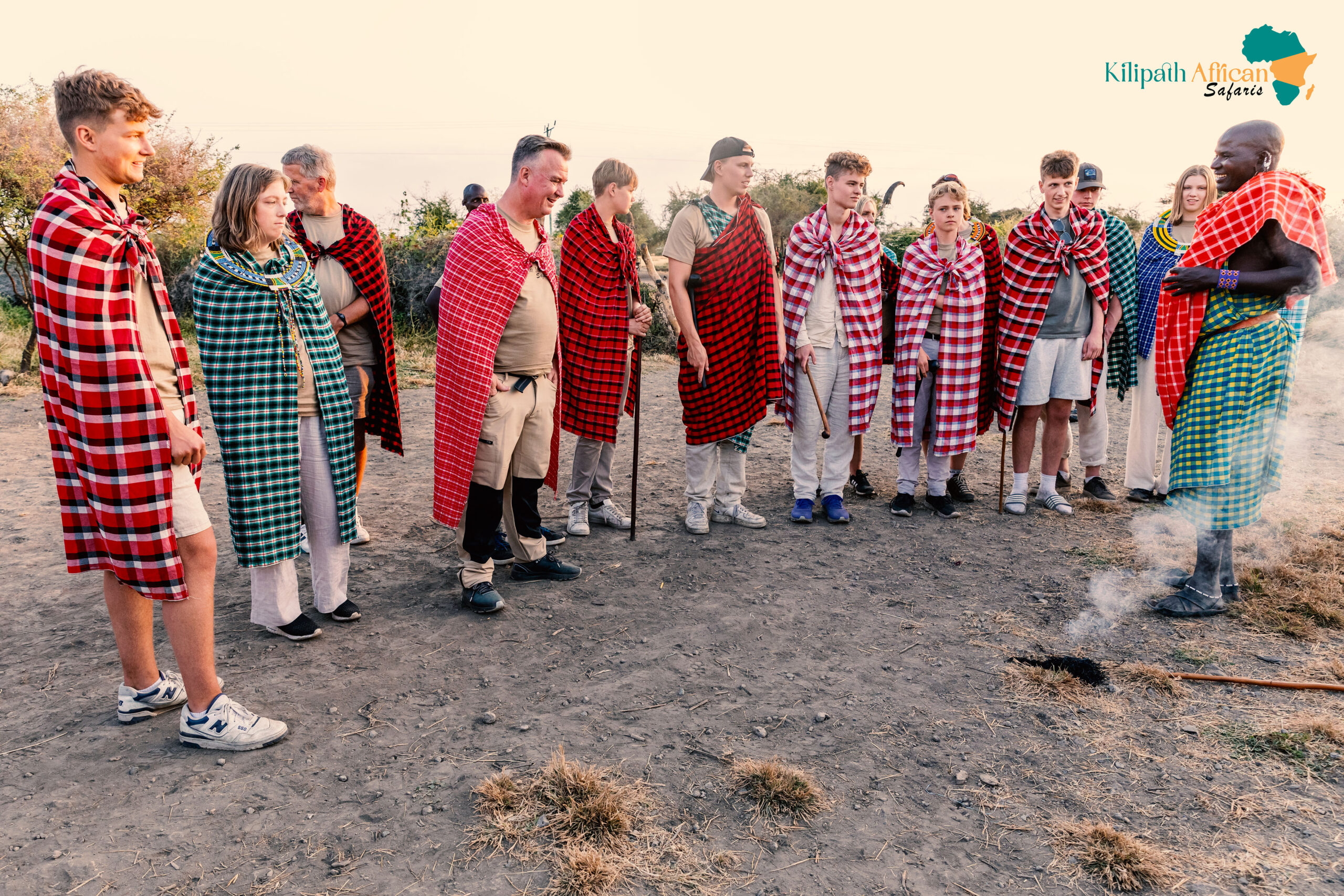
A Maasai cultural tour in Tanzania offers travelers a rare opportunity to step into a traditional village, learn about centuries-old customs, witness vibrant ceremonies, and understand a way of life that has remained deeply connected to land and livestock.
At Kilipath African Safari, we believe that cultural tourism in Tanzania enriches your safari experience and creates meaningful connections beyond wildlife viewing.
The Maasai are a semi-nomadic ethnic group living primarily in northern Tanzania and southern Kenya. In Tanzania, they inhabit areas around:
For centuries, the Maasai have maintained a pastoral lifestyle centered around cattle. Livestock is not just a source of food it represents wealth, status, and spiritual identity.
Despite modernization, many Maasai communities continue to preserve their language (Maa), dress, traditions, and social systems.
A Maasai cultural tour is typically a guided visit to a traditional Maasai village (known as a boma). These tours are respectful, community-led experiences designed to educate visitors while supporting local livelihoods.
Here’s what you can expect:
Visitors are often greeted with traditional songs and rhythmic jumping dances known as Adumu (the famous Maasai jumping dance). The dance symbolizes strength and endurance and is traditionally performed by young warriors.
You’ll step inside a Maasai homestead made from natural materials like mud, sticks, and cow dung. A guide will explain:
This is a powerful opportunity to see authentic village life in Tanzania.
The Maasai are easily recognized by their vibrant red clothing (called shúkà) and intricate beadwork. Beads are not just decorative they communicate:
Women often demonstrate how traditional jewelry is made, and visitors may have the opportunity to purchase handmade crafts directly from the community.
You may witness how Maasai warriors create fire using sticks without matches. This survival skill has been passed down for generations.
The Maasai believe in a single god called Enkai. Elders may share stories about:
Your guide will help translate and explain cultural meanings respectfully.
Cattle are central to Maasai life. They provide:
Traditionally, a man’s wealth is measured by the number of cattle he owns. Even today, cattle remain a cornerstone of Maasai identity and survival.
There are several excellent regions to include a Maasai village visit in your itinerary:
The Ngorongoro Conservation Area is one of the best places to combine wildlife safari with authentic cultural tourism. Maasai communities live within the conservation area, coexisting with wildlife.
While exploring Serengeti National Park, you can visit nearby Maasai villages for a half-day cultural experience.
Located near Lake Manyara National Park, Mto wa Mbu offers structured cultural tourism programs that include Maasai experiences along with other Tanzanian tribes.
Wildlife is unforgettable but understanding the people who share the land makes your journey richer and more meaningful.
Responsible cultural tourism in Tanzania ensures that:
At Kilipath African Safari, we partner with community-approved villages to ensure ethical tourism practices.
For families traveling with children, Maasai village visits offer powerful lessons about:
When visiting a Maasai village, it’s important to be mindful and respectful.
Here are key guidelines:
Remember, you are a guest in someone’s home.
Yes when organized through reputable safari operators like Kilipath African Safari, visits are community-led and approved.
Most visits last between 1–2 hours and can be included as part of your safari itinerary.
Absolutely. Cultural tours are educational and safe for families.
Many Maasai maintain traditional lifestyles, though modern influences such as education and mobile phones are increasingly present.
One of the most rewarding safari itineraries combines:
This blend of wildlife, culture, and relaxation offers the ultimate Tanzania travel experience.
Cultural tourism must always be ethical. At Kilipath African Safari, we ensure:
By choosing responsible operators, travelers contribute positively to cultural preservation.
Meeting the Maasai is often one of the most memorable parts of a Tanzania safari. The vibrant colors, powerful songs, proud traditions, and warm hospitality create an experience that goes far beyond photography.
A Maasai cultural tour in Tanzania offers connection to people, heritage, and a way of life deeply tied to nature.
If you’re planning your next adventure, let Kilipath African Safari help you design a safari itinerary that includes authentic cultural experiences alongside Tanzania’s legendary wildlife.
Ready to experience authentic Cultural Tourism in Tanzania?
Contact Kilipath African Safari to customize your:
Let your journey into the heart of Tanzania begin.
If you're planning to climb Africa’s highest mountain, your journey will almost certainly begin in Moshi, Tanzania. Located at the foot of…
Read articlePlanning a safari in Tanzania is one of the most exciting travel experiences in the world. From vast savannah plains filled with…
Read articleA premium Tanzania safari tour adventure offers an extraordinary opportunity to discover Africa's breathtaking landscapes, incredible wildlife, and authentic cultural heritage while…
Read articleA Serengeti safari is one of the most extraordinary wildlife adventures in Africa, offering travelers the opportunity to explore endless golden plains,…
Read article