Capture Tanzania’s Wildlife Through Your Lens
A photography Tanzania safari itinerary deal is designed for travelers who want more than ordinary wildlife viewing. It gives photographers the time, positioning and flexibility needed to capture Tanzania’s animals, landscapes and golden light at their best.
From elephants walking beneath ancient baobab trees in Tarangire to lions resting on the Serengeti plains, Tanzania presents remarkable photographic opportunities throughout the year. The Ngorongoro Crater adds dramatic scenery and a high concentration of wildlife, while Lake Manyara introduces forests, flamingos and beautiful Rift Valley landscapes.
Kilipath African Safaris can customize your photography safari according to your travel dates, preferred parks, budget and level of photographic experience. Whether you use a smartphone, a beginner camera or professional equipment, our team can create an itinerary that helps you return home with meaningful images and unforgettable memories.
Why Choose a Photography Safari in Tanzania?
A regular safari usually follows a general wildlife-viewing schedule. A photography safari is planned differently. More time is allowed at important sightings, game drives may begin earlier, and the guide considers the direction of light before positioning the vehicle.
The main advantages include:
- Longer and more flexible game drives
- Early starts for soft morning light
- Carefully selected wildlife destinations
- Patient viewing at quality sightings
- A private safari vehicle option
- Window access and use of the pop-up roof
- Space for cameras, lenses and supporting equipment
- Guides experienced in wildlife behavior
- Opportunities for landscape, portrait and cultural photography
- Personalized routing according to seasonal wildlife movements
Wildlife cannot be controlled, but good planning significantly improves your chances of being in the right habitat at the right time.
Recommended 7-Day Photography Tanzania Safari Itinerary
This sample itinerary combines Tarangire National Park, Serengeti National Park and the Ngorongoro Crater. It can be shortened, extended or upgraded according to your preferences.
Day 1: Arrival in Arusha
Upon arrival at Kilimanjaro International Airport or Arusha Airport, a Kilipath African Safaris representative will welcome you and transfer you to your accommodation in Arusha.
Depending on your arrival time, you can relax at the lodge or prepare your photography equipment. Your safari guide will provide a briefing covering the route, weather, wildlife expectations and practical camera considerations.
Accommodation: Arusha lodge or hotel
Meals: Depending on arrival time
Day 2: Arusha to Tarangire National Park
After breakfast, depart for Tarangire National Park. The journey from Arusha normally takes approximately two hours.
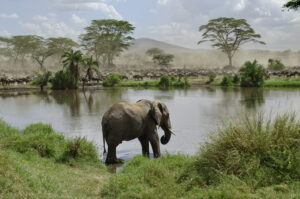
Tarangire is particularly rewarding for elephant photography. Large herds often move through the woodlands and gather near the Tarangire River during the dry season. Ancient baobab trees create distinctive backgrounds for wide-angle wildlife and landscape images.
Possible subjects include:
- African elephants
- Lions and leopards
- Giraffes
- Zebras and wildebeest
- Impalas and waterbucks
- Hornbills, eagles and other bird species
- Baobab trees and river landscapes
Your guide will allow time at productive sightings whenever park conditions permit. In the late afternoon, continue to your selected lodge or tented camp.
Accommodation: Lodge or tented camp near Tarangire
Meals: Breakfast, lunch and dinner
Day 3: Tarangire to Serengeti National Park
After an early breakfast, travel toward Serengeti National Park. The drive passes through the Ngorongoro Conservation Area, offering excellent landscape and cultural photography opportunities.
You may stop at selected viewpoints before continuing across the plains. As you enter the Serengeti ecosystem, the scenery gradually opens into vast grasslands.
Depending on the route and season, photographic subjects may include:
- Maasai communities and pastoral landscapes
- Ngorongoro highlands
- Wildebeest and zebra herds
- Gazelles
- Birds of prey
- Kopjes and open plains
- Sunset landscapes
Arrive at your camp in time for dinner and an overnight stay.
Accommodation: Serengeti tented camp or lodge
Meals: Breakfast, lunch and dinner
Day 4: Full-Day Serengeti Photography Safari
Begin before or around sunrise to take advantage of the soft morning light. Predators are frequently more active during the cooler hours, while the warm sunrise can create beautiful silhouettes and backlit images.
Serengeti National Park is one of Africa’s greatest wildlife photography destinations. Its open terrain can provide clean backgrounds and clear views of animals.
Potential sightings include:
- Lions and cubs
- Leopards
- Cheetahs
- Elephants
- Giraffes
- Spotted hyenas
- Hippos
- Wildebeest and zebras
- Jackals and serval cats
- Numerous bird species
Your guide will assess wildlife movement, vehicle activity and lighting conditions before selecting the best position available. The day can include a picnic lunch in the park or a return to camp, depending on your preferred photography schedule.
Accommodation: Serengeti tented camp or lodge
Meals: Breakfast, lunch and dinner
Day 5: Second Full Day in Serengeti
A second full day gives you more time to explore different habitats and revisit promising areas. Photography requires patience, and an additional day helps reduce the pressure to move quickly from one sighting to another.
You may concentrate on a particular subject, such as big cats, elephants, birds or the Great Migration. Your guide can also look for storytelling moments, including hunting behavior, social interactions, territorial displays and animals caring for their young.
An optional Serengeti hot-air balloon safari can be arranged. It offers aerial views of the plains and a different perspective for landscape photography.
Accommodation: Serengeti tented camp or lodge
Meals: Breakfast, lunch and dinner
Day 6: Serengeti to the Ngorongoro Conservation Area
Enjoy another morning game drive before leaving the Serengeti. Morning light offers a final opportunity to photograph animals against the open plains.
Continue toward the Ngorongoro Conservation Area. Depending on timing and personal interests, optional stops may include a Maasai village or Olduvai Gorge.
Arrive at your accommodation near the crater for dinner. Lodges near the rim may provide beautiful highland and crater views, while accommodation in Karatu can offer comfort and good value.
Accommodation: Ngorongoro or Karatu lodge
Meals: Breakfast, lunch and dinner
Day 7: Ngorongoro Crater and Return to Arusha
After an early breakfast, descend into the Ngorongoro Crater for a photographic game drive.
The crater floor contains grasslands, wetlands, forests and freshwater habitats within a relatively compact area. This diversity supports an impressive concentration of wildlife.
Possible subjects include:
- Lions
- Elephants
- Buffaloes
- Hippos
- Zebras and wildebeest
- Spotted hyenas
- Flamingos and waterbirds
- Black rhinos, when fortunate
- Crater walls and dramatic highland scenery
After lunch and a final game drive, ascend from the crater and return to Arusha. An airport or hotel transfer can be arranged according to your onward travel plans.
Meals: Breakfast and lunch
Alternative Photography Safari Durations
4-Day Photography Safari
A four-day itinerary can include:
- Tarangire National Park
- Serengeti National Park
- Serengeti to Ngorongoro
- Ngorongoro Crater and return to Arusha
This option suits travelers with limited time, although the driving schedule is relatively active.
5-Day Photography Safari
A five-day trip provides more time in the Serengeti:
- Tarangire
- Serengeti
- Full-day Serengeti
- Serengeti to Ngorongoro
- Ngorongoro Crater
It offers a strong balance between price, travel time and photographic opportunities.
8–10-Day Photography Safari
A longer itinerary is recommended for serious photographers. Extra days can be used to explore:
- Northern Serengeti
- Ndutu and the southern Serengeti
- Lake Manyara
- Lake Natron
- Ruaha National Park
- Nyerere National Park
- Cultural and community locations
The exact route should reflect the season and the subjects you want to photograph.
Best Tanzania Destinations for Photography
Serengeti National Park
The Serengeti is famous for open plains, big cats and the Great Migration. Its variety of wildlife makes it suitable for both first-time visitors and experienced photographers.
Central Serengeti is productive throughout the year. Northern Serengeti becomes especially attractive during the river-crossing season, while Ndutu and the southern plains are popular during the calving season.
Ngorongoro Crater
Ngorongoro offers wildlife, landscapes and dramatic weather within one destination. The crater’s highlands can produce misty morning scenes, while the floor provides opportunities to photograph predators, herbivores and waterbirds.
Tarangire National Park
Tarangire is ideal for elephants, baobabs and environmental portraits of animals. Its dry-season wildlife concentrations can be outstanding.
Lake Manyara National Park
Lake Manyara offers varied scenery, including groundwater forest, acacia woodland, escarpments and lake environments. It is also rewarding for bird photography.
Nyerere National Park
Nyerere is an excellent choice for travelers interested in a quieter southern Tanzania experience. Boat safaris can provide distinctive images of hippos, crocodiles, birds and animals approaching the water.
Ruaha National Park
Ruaha is known for rugged scenery, large elephant populations and predators. It is particularly suitable for experienced travelers who prefer remote locations and fewer vehicles.
Best Time for a Tanzania Photography Safari
Tanzania can be photographed throughout the year, but every season offers different conditions.
June to October
The dry season generally provides easier wildlife viewing as animals gather near permanent water sources. Vegetation is often thinner, making subjects easier to photograph.
This period is excellent for:
- Elephant herds in Tarangire
- General predator photography
- Northern Serengeti migration experiences
- Clearer roads and predictable game-drive conditions
November to March
Short rains can transform the landscape into rich green scenery. The southern Serengeti and Ndutu region become important during the migration’s calving period.
This season can offer:
- Newborn wildebeest
- Predator activity
- Dramatic skies
- Green backgrounds
- Migratory birds
- Fewer visitors during selected weeks
April and May
These are traditionally wetter months. Some travelers avoid this period, but photographers may appreciate the dramatic clouds, green landscapes, lower visitor numbers and softer atmosphere.
Road conditions can be challenging, so the route and accommodation should be selected carefully.
Great Migration Photography
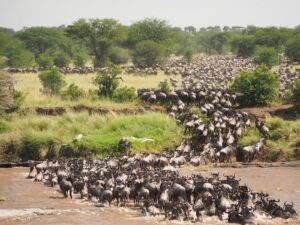
The Great Migration is a continuous movement rather than a single event. Its location changes according to rainfall, grazing conditions and natural wildlife behavior.
A general seasonal guide is:
- December to March: Southern Serengeti and Ndutu
- April to May: Western and central areas
- June to July: Western Corridor and movement toward the north
- July to October: Northern Serengeti and Mara River region
- November: Movement back toward eastern and southern areas
These periods are approximate. River crossings and other natural events cannot be guaranteed.
For migration photography, Kilipath African Safaris recommends a private itinerary with multiple nights in the relevant region. This allows greater flexibility than a standard shared safari route.
Private or Shared Photography Safari?
A private safari is normally the best option for dedicated photographers.
With a private vehicle, you can:
- Decide how long to remain at a sighting
- Request early departures
- Focus on specific animals
- Position equipment more comfortably
- Use multiple camera bodies and lenses
- Adjust the schedule around light conditions
- Avoid conflicting interests from other travelers
A shared safari can still provide excellent pictures, especially for casual photographers. However, decisions about timing and sightings must consider all passengers.
Photography Safari Vehicle
Your safari is conducted in a 4×4 Land Cruiser with a pop-up roof. The raised roof provides wildlife viewing and photography access while offering protection during travel.
Depending on the package, vehicle features may include:
- Window access
- Pop-up roof
- Charging sockets
- Cooler box
- Binoculars
- Seatbelts
- First-aid kit
- Space for camera bags
For photographers carrying large equipment, booking fewer passengers per vehicle is recommended.
What to Pack for a Photography Safari
Useful equipment may include:
- A primary camera body
- A backup camera body
- Telephoto lens
- Medium-range zoom lens
- Wide-angle lens
- Spare batteries
- Multiple memory cards
- Portable storage or laptop
- Lens-cleaning kit
- Dust-resistant camera bag
- Beanbag or vehicle-compatible support
- Lens covers
- Rain protection
- Universal power adapter
- Neutral-colored clothing
- Hat and sunscreen
Avoid changing lenses unnecessarily in dusty environments. Keeping one wide or medium lens on a second camera body can help protect equipment and prevent missed moments.
Suggested Lenses
A flexible wildlife kit could include:
- 100–400mm: Versatile for many safari situations
- 200–500mm or 150–600mm: Helpful for birds and distant wildlife
- 70–200mm: Suitable for larger animals and environmental portraits
- 24–70mm: Useful for landscapes, camps and cultural scenes
- Wide-angle lens: Excellent for dramatic skies and expansive landscapes
You do not need professional equipment to enjoy the safari. Modern smartphones and compact cameras can produce beautiful images, particularly for landscapes and nearby wildlife.
Photography Safari Accommodation
Accommodation can be selected according to your budget and photographic priorities.
Budget Camping
Camping offers an adventurous experience and can help keep costs manageable. Tents, mattresses and sleeping equipment can be provided, depending on the package.
Midrange Tented Camps
Midrange camps combine comfortable beds, private facilities and convenient locations. They are a popular choice for photographers who want comfort without luxury-level pricing.
Luxury Lodges and Camps
Luxury accommodation may provide premium rooms, excellent service and strategic locations. Certain properties overlook plains, waterholes or crater landscapes, creating photography opportunities even outside game-drive hours.
What Is Included?
A typical photography Tanzania safari itinerary deal may include:
- Private 4×4 safari vehicle, if selected
- Professional English-speaking safari guide
- National park entrance fees
- Ngorongoro Crater service fees
- Accommodation during the safari
- Meals stated in the itinerary
- Drinking water during game drives
- Safari activities listed in the program
- Airport or hotel transfers, when specified
- Government taxes and statutory charges
What Is Not Included?
Unless specifically added, the package may exclude:
- International flights
- Tanzania visa
- Travel and medical insurance
- Optional hot-air balloon safari
- Alcoholic beverages
- Personal purchases
- Laundry services
- Camera and equipment insurance
- Guide gratuities
- Activities not listed in the itinerary
A detailed quotation will clearly show the exact inclusions and exclusions before booking.
How Much Does a Photography Tanzania Safari Cost?
The total cost depends on:
- Number of safari days
- Travel season
- Private or shared vehicle
- Number of travelers
- Accommodation category
- Parks included
- Internal flights
- Single-room supplements
- Optional activities
- Specialized photography arrangements
Private photography safaris generally cost more than standard shared departures because they provide exclusive vehicle use and schedule flexibility. However, the price per person may decrease when two or more travelers share the vehicle and accommodation costs.
Contact Kilipath African Safaris for a personalized quotation based on your dates and preferred experience.
Responsible Wildlife Photography
Responsible photography protects the animals and improves the safari experience for everyone.
Travelers should:
- Never ask the guide to leave permitted roads
- Avoid shouting or making noises to attract animals
- Never feed wildlife
- Keep equipment inside the vehicle when required
- Respect other safari vehicles
- Avoid pressuring animals for a reaction
- Request permission before photographing people
- Follow all instructions from guides and park authorities
The welfare of wildlife must always come before obtaining a particular photograph.
Why Book With Kilipath African Safaris?
Kilipath African Safaris is a Tanzania-based safari company offering customized wildlife experiences across the country.
When you plan with us, you receive:
- Personalized itinerary design
- Local destination knowledge
- Carefully selected safari routes
- Private and shared safari options
- Budget, midrange and luxury accommodation choices
- Professional safari guides
- Flexible airport and hotel transfers
- Clear package inclusions
- Support before and during your trip
- Opportunities to combine safari and Zanzibar
We listen to your photography interests before building the route. Tell us whether your priority is big cats, elephants, birds, migration action, landscapes or cultural storytelling, and we will recommend suitable parks and travel periods.
Book Your Photography Tanzania Safari Itinerary Deal
Tanzania offers extraordinary possibilities for photographers. Every game drive can bring a new composition: a leopard resting in an acacia tree, elephants crossing a dusty road, wildebeest beneath a stormy sky or the sun rising over the Serengeti.
Let Kilipath African Safaris create an itinerary around your preferred subjects, travel dates and budget.
Send us the following details to receive your personalized quotation:
- Preferred travel dates
- Number of travelers
- Number of safari days
- Accommodation preference
- Private or shared safari
- Photography experience level
- Main wildlife or landscape interests
- Arrival and departure locations
Contact Kilipath African Safaris today and start planning your Tanzania photography adventure.