A group Nyerere National Park safari itinerary is an excellent choice for travelers who want to experience one of Tanzania’s wildest destinations while sharing the adventure and cost with other safari guests. Located in southern Tanzania, Nyerere National Park offers expansive wilderness, diverse wildlife, boat safaris, traditional game drives, walking experiences, and beautiful scenery along the Rufiji River.
Unlike the busier parks of Tanzania’s Northern Circuit, Nyerere provides a quieter and more remote safari atmosphere. Visitors can explore open grasslands, woodland, lakes, river channels, and palm-lined landscapes without encountering large numbers of safari vehicles.
The park is especially suitable for couples, solo travelers, friends, families, and small groups looking for an authentic African wilderness experience. Whether you have two, three, four, or five days available, Kilipath African Safaris can help you plan a suitable group safari itinerary based on your schedule, budget, and preferred accommodation.
This complete guide explains what to expect from a group Nyerere safari, the best itinerary options, wildlife highlights, activities, accommodation choices, transportation, recommended travel seasons, packing advice, and important booking considerations.
Why Choose a Group Nyerere National Park Safari?
A group safari allows several travelers to share a safari vehicle, guide, and selected transportation expenses. It is particularly attractive to solo travelers and couples who want to enjoy a professionally organized safari without paying the full cost of a private vehicle.
The experience can also be highly social. You may meet travelers from different parts of the world while enjoying wildlife sightings and memorable activities together.
The main advantages include:
- More affordable pricing than many private safari options
- A chance to meet other travelers
- Professional safari organization
- Guided wildlife viewing
- Convenient departure options from Dar es Salaam
- Opportunities for game drives and boat safaris
- Access to one of Tanzania’s largest protected wilderness areas
- A quieter experience than many popular northern parks
Group safaris usually follow a planned schedule. Guests should therefore be ready to cooperate with the group regarding departure times, meal stops, wildlife viewing, and daily activities.
About Nyerere National Park
Nyerere National Park is situated in southern Tanzania and forms part of the wider Selous ecosystem. The national park was established from the northern section of the former Selous Game Reserve and was named in honor of Julius Nyerere, Tanzania’s founding president.
The park is known for its vast landscapes and the Rufiji River, which supports an impressive variety of wildlife. River channels, lakes, woodland, and open plains create habitats for animals, birds, and aquatic species.
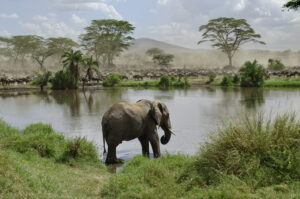
Nyerere feels genuinely wild. Wildlife may be spread across a large area, making every game drive different. One moment you may be watching giraffes moving through woodland, and the next you may encounter elephants near a seasonal water source or hippos resting in the river.
The combination of land- and water-based activities makes Nyerere different from many other Tanzanian safari destinations.
Where Is Nyerere National Park?
Nyerere National Park is located in southeastern Tanzania. Most safaris enter through the northern tourism area, which is more accessible from Dar es Salaam and contains many of the commonly used camps and lodges.
Travelers can reach Nyerere by:
- Road from Dar es Salaam
- Scheduled light aircraft
- Private charter flight
- A combination of road and air transportation
Road journeys are generally the most economical option for group safaris. Flying is faster and more comfortable but normally increases the total safari cost.
Journey times can vary according to the departure point, road conditions, weather, traffic, and the location of the selected lodge or camp. Travelers should avoid planning tight onward connections immediately after returning from the park.
What Makes Nyerere Different from Other Tanzania Safari Parks?
Nyerere offers several experiences that distinguish it from classic safari destinations such as Serengeti, Ngorongoro, Tarangire, and Lake Manyara.
Boat safaris
The Rufiji River and surrounding waterways allow travelers to observe wildlife from the water. A boat safari may offer sightings of hippos, crocodiles, waterbirds, elephants, monkeys, and other animals near the riverbanks.
Fewer safari vehicles
The park generally receives fewer visitors than Tanzania’s most famous northern destinations. Wildlife sightings can therefore feel quieter and more personal.
Expansive wilderness
Nyerere covers an enormous area. Its remote character appeals to travelers who want to experience nature beyond the most frequently visited safari circuits.
Diverse scenery
The landscape changes between rivers, lakes, grasslands, woodland, and palm-filled areas. This diversity makes the park attractive for both general wildlife viewing and photography.
Variety of activities
Depending on the itinerary, accommodation, park rules, and availability, visitors may enjoy game drives, boat safaris, walking experiences, birdwatching, and cultural interactions near the park.
Who Should Choose a Group Nyerere Safari?
A group Nyerere National Park safari itinerary is particularly suitable for:
- Solo travelers looking to share costs
- Couples traveling on a moderate budget
- Friends who enjoy social travel
- Small families with older children
- Students and young travelers
- Backpackers wanting an organized wildlife experience
- Visitors staying in Dar es Salaam or Zanzibar
- Travelers combining safari with a beach holiday
- Guests who prefer the Southern Circuit’s quieter atmosphere
A private safari may be more appropriate for families with very young children, photographers requiring extra time at sightings, honeymooners seeking greater privacy, or travelers who want full control over the schedule.
Best Group Nyerere National Park Safari Itineraries
The right itinerary depends on your available time, starting point, budget, and preferred activities. Two- and three-day trips are popular for travelers with limited time, while four- and five-day itineraries offer a more relaxed experience.
Two-Day Group Nyerere National Park Safari Itinerary
A two-day safari is suitable for travelers with a tight schedule. However, because of the travel distance, the itinerary can feel fast-paced.
Day 1: Dar es Salaam to Nyerere National Park
Your adventure begins with an early pickup from your hotel or agreed meeting point in Dar es Salaam. After meeting your driver-guide and fellow travelers, you travel toward Nyerere National Park.
The journey passes through towns, villages, agricultural areas, and changing countryside. There may be short stops for refreshments, fuel, or comfort breaks.
After arriving in the Nyerere area, you check into your lodge or camp and have lunch, depending on the final schedule. An afternoon activity may include a boat safari along the Rufiji River or a short game drive.
A boat safari is a peaceful introduction to the ecosystem. You may see hippos resting in the water, crocodiles along the banks, colorful kingfishers, African fish eagles, herons, and other waterbirds. Larger animals are sometimes seen approaching the river to drink.
After the activity, return to your accommodation for dinner and overnight.
Day 2: Game Drive and Return to Dar es Salaam
After an early breakfast, depart for a game drive in Nyerere National Park. Morning hours are excellent for wildlife viewing because temperatures are cooler and many animals are active.
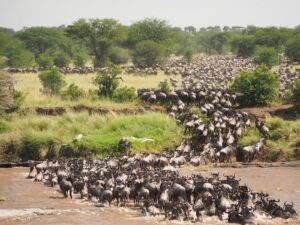
Your guide will explore different habitats while looking for elephants, giraffes, buffaloes, zebras, impalas, wildebeest, warthogs, lions, and other species. Sightings depend on animal movement, season, water availability, and natural conditions.
After the game drive and lunch arrangements, begin the road journey back to Dar es Salaam. Arrival is normally in the evening, although the exact time depends on traffic and road conditions.
Is a two-day safari enough?
A two-day safari provides a useful introduction to Nyerere, but a considerable part of the trip is spent traveling. Travelers who want more time inside the park should consider a three- or four-day itinerary.
Three-Day Group Nyerere National Park Safari Itinerary
A three-day itinerary is one of the most popular options because it provides a balance between travel time, wildlife viewing, and cost.
Day 1: Dar es Salaam to Nyerere and Boat Safari
You will be collected early in the morning from your Dar es Salaam hotel or designated meeting point. After introductions and a safari briefing, drive south toward Nyerere National Park.
On arrival, check into your accommodation and enjoy lunch or refreshments. Later in the afternoon, depart for a boat safari on the Rufiji River or one of its connected waterways.
The boat safari provides a different perspective from a vehicle-based game drive. Your guide may explain the river ecosystem, birdlife, and the behavior of hippos and crocodiles. Sunset over the river can be particularly beautiful.
Return to your lodge or camp for dinner and overnight.
Day 2: Full-Day Nyerere Game Drive
After breakfast, enter Nyerere National Park for a full-day game drive. The guide will select routes based on recent wildlife activity, road conditions, and information from other professional guides.
Possible sightings include:
- African elephants
- Lions
- Giraffes
- Buffaloes
- Zebras
- Wildebeest
- Greater kudu
- Impalas
- Waterbucks
- Warthogs
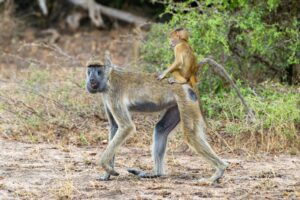
- Baboons
- Monkeys
- Hippos
- Crocodiles
- Numerous bird species
A packed lunch may be served at an authorized picnic area. You then continue exploring the park during the afternoon.
Nyerere’s vast size means wildlife sightings are often spread out, but the journey between sightings is part of the experience. The changing landscapes, birdlife, animal tracks, and sense of isolation create an authentic safari atmosphere.
Return to your accommodation for dinner and overnight.
Day 3: Morning Activity and Return to Dar es Salaam
After breakfast, you may participate in an optional walking experience where available, or begin the journey back to Dar es Salaam. The activity offered will depend on the chosen package, accommodation, park arrangements, weather, and departure schedule.
During a guided walk, trained professionals introduce guests to smaller features that are difficult to appreciate from a vehicle. These may include animal tracks, insects, plants, bird calls, and signs of wildlife activity.
Afterward, depart for Dar es Salaam, with arrival expected later in the day.
Four-Day Group Nyerere National Park Safari Itinerary
A four-day safari provides more time to explore while reducing the pressure created by long road transfers.
Day 1: Dar es Salaam to Nyerere
Depart Dar es Salaam early in the morning and travel toward Nyerere National Park. On arrival, enjoy lunch and settle into your accommodation.
If time allows, participate in a late-afternoon boat safari. Watch the landscape change as the sun lowers over the river and listen to the sounds of birds and hippos.
Dinner and overnight at your lodge or tented camp.
Day 2: Full-Day Game Drive
After breakfast, depart with a packed lunch for a full day of wildlife viewing.
Your guide will explore riverine areas, open plains, woodland, and lakes. Nyerere is not a zoo, and wildlife moves freely, so patience is essential. The guide uses tracks, calls, experience, and information from the field to locate animals.
Enjoy lunch in a safe designated area before continuing the game drive. Return to the accommodation before or around sunset, depending on park regulations and the selected program.
Day 3: Second Game Drive or Combined Activities
A second exploration day gives you a better opportunity to visit different areas and search for species you may not have seen on the previous day.
Depending on the package, this day may include:
- A full-day game drive
- Morning and afternoon game drives
- A morning walking safari followed by an afternoon boat safari
- A combination of cultural and wildlife experiences
Having an additional day increases the chance of enjoying varied sightings and reduces the need to rush between activities.
Return to your accommodation for your final evening in the Nyerere area.
Day 4: Nyerere to Dar es Salaam
After breakfast, check out and begin your return trip to Dar es Salaam. There will be stops along the way as required.
Upon arrival, you may be dropped off at your hotel, residence, bus terminal, ferry terminal, or another agreed point, depending on your package.
Five-Day Group Nyerere Safari Itinerary
A five-day itinerary is ideal for travelers who prefer a relaxed pace and want a deeper experience.
Day 1: Dar es Salaam to Nyerere
Travel by road from Dar es Salaam to the Nyerere area. Check into your accommodation and spend the rest of the day relaxing or enjoying a scheduled evening activity.
Day 2: Full-Day Game Drive
Spend the day exploring the national park with a professional guide. Visit different habitats and enjoy a picnic lunch in the wilderness.
Day 3: Extended Wildlife Exploration
Take another game drive through a different section of the park. A second full day increases the possibility of observing predators, large herbivores, and interesting animal behavior.
Day 4: Walking and Boat Safari Experiences
Begin with a professionally guided walking experience where available. Return for breakfast or lunch before taking an afternoon boat safari.
This combination reveals three different sides of Nyerere: the landscape viewed from a vehicle, the smaller ecosystem explored on foot, and the river environment experienced by boat.
Day 5: Return to Dar es Salaam
After breakfast, depart for Dar es Salaam. Arrive later in the day and continue with your travel program.
Flying Group Safari to Nyerere
Travelers with limited time may choose a fly-in safari. Scheduled light aircraft connect selected airports with airstrips serving the Nyerere ecosystem.
A typical fly-in itinerary may include:
Day 1: Flight to Nyerere
Transfer to the airport and board a light aircraft to Nyerere. A representative from the lodge or camp meets you at the airstrip. Depending on the arrival time, enjoy lunch followed by an afternoon game drive or boat safari.
Day 2: Safari Activities
Spend the day on scheduled activities arranged by the lodge. These may include shared game drives, boat safaris, or walking experiences.
Day 3: Morning Activity and Return Flight
Enjoy a final morning activity before transferring to the airstrip for your return flight.
Fly-in safaris are more expensive but save substantial travel time. They can be especially convenient for guests combining Nyerere with Zanzibar.
Wildlife to See in Nyerere National Park
Nyerere supports a broad range of animals, although every sighting is governed by nature. No ethical safari operator can guarantee specific wildlife.
Elephants
Elephants are among the park’s most impressive residents. They may be seen near water sources, moving through woodland, or crossing open areas.
Lions
Lions live throughout the ecosystem and may be found resting beneath trees, walking along tracks, or watching herds of prey. Early mornings and late afternoons often provide favorable conditions for predator activity.
African wild dogs
The wider Nyerere ecosystem is known as an important habitat for African wild dogs. These highly social predators range across large territories and can be difficult to locate, making any sighting extremely special.
Buffaloes
African buffaloes may appear individually or in herds. They are often found near water, grasslands, and woodland areas.
Giraffes
Giraffes are commonly associated with Nyerere’s woodland and open landscapes. They are popular photography subjects because of their graceful movement and distinctive patterns.
Hippos and crocodiles
The Rufiji River and connected lakes provide excellent habitat for hippos and Nile crocodiles. Boat safaris can offer memorable opportunities to observe these animals from a safe distance.
Antelopes and other herbivores
Depending on the explored area, guests may encounter impalas, waterbucks, greater kudu, wildebeest, zebras, bushbucks, and other herbivores.
Birdlife
Nyerere is an excellent birding destination. Visitors may observe fish eagles, kingfishers, bee-eaters, hornbills, herons, storks, egrets, and many other species.
What Is a Nyerere Boat Safari Like?
A boat safari is one of the highlights of a Nyerere itinerary. Guests board a suitable safari boat with an experienced guide and explore the Rufiji River or nearby channels.
The pace is generally calm and relaxing. Instead of following road tracks, the boat moves through a living river ecosystem.
Possible highlights include:
- Hippos surfacing near the boat
- Crocodiles resting on the riverbanks
- Fish eagles calling from trees
- Kingfishers diving into the water
- Elephants approaching the river
- Monkeys moving through riverine forest
- Beautiful sunset photography
- Views of small islands and sandbanks
Guests must always follow their guide’s safety instructions. Hands should remain inside the boat, and no one should attempt to approach or feed wildlife.
Walking Safaris in Nyerere
A walking safari focuses on details that visitors often miss while driving. Rather than searching only for large mammals, guests learn about tracks, plants, insects, birds, animal droppings, bones, and the relationship between different parts of the ecosystem.
Walking activities should only be conducted in authorized areas with properly qualified personnel. The minimum age, timing, duration, and participation requirements may vary.
Travelers should wear:
- Neutral-colored clothing
- Comfortable closed shoes
- Long trousers
- A hat
- Sunscreen
- Insect repellent
Guests must remain quiet, walk in the instructed formation, and follow all directions immediately.
Best Time for a Group Nyerere Safari
Nyerere can be visited during much of the year, but weather influences road conditions, wildlife distribution, scenery, and activity availability.
June to October
The dry season is a popular period for wildlife viewing. Vegetation becomes less dense, and animals often concentrate around reliable water sources.
Conditions are generally warm and dry, although mornings may feel cool. This period is popular, so advance booking is recommended.
November to February
Short rains may bring greener scenery, migratory birds, dramatic skies, and young animals. Rainfall is often intermittent rather than continuous, but conditions vary from year to year.
This period can be rewarding for photographers and birdwatchers.
March to May
The long-rain season may bring heavy rainfall and challenging road conditions. Some camps may close temporarily, and particular activities or routes may be unavailable.
Travelers planning a safari during this period should confirm accessibility, accommodation operations, and transportation before booking.
Group Safari Vehicle and Seating
Road-based group safaris typically use a suitable safari vehicle designed for wildlife viewing. The exact vehicle type depends on the operator, group size, road conditions, and itinerary.
A well-prepared safari vehicle may include:
- A viewing roof
- Individual passenger seating
- Seatbelts
- Charging facilities
- Drinking water
- First-aid equipment
- A cooler
- Binoculars, depending on the package
- Space for essential luggage
Kilipath African Safaris organizes its joining safaris with guest comfort and visibility in mind. Travelers should confirm the maximum number of guests before booking, particularly if they prefer more space.
Accommodation Options
Nyerere offers accommodation ranging from simple camps to comfortable lodges and luxury tented properties.
Budget accommodation
Budget options may be situated outside or near the national park. They generally offer basic rooms or permanent tents, private or shared facilities, and simple meals.
These properties are suitable for travelers who prioritize safari activities over luxury.
Mid-range lodges and tented camps
Mid-range accommodation normally offers comfortable beds, private bathrooms, prepared meals, and attractive communal areas.
This category is popular among couples and small groups because it provides a good balance of comfort and value.
Luxury accommodation
Luxury properties may offer spacious tents or suites, premium dining, personalized service, swimming pools, scenic locations, and a broader selection of activities.
Some luxury camps arrange shared activities for their guests, but the overall safari price is higher.
Staying Inside or Outside the Park
Both options offer advantages.
Accommodation inside or near key wildlife areas can reduce daily transfer time and increase immersion in the wilderness. However, it is usually more expensive and may involve additional park-related fees.
Accommodation outside the park can be more affordable and may offer easier access to local communities. However, additional driving time may be required to reach the park entrance.
When comparing packages, ask for the exact name and location of the accommodation rather than considering only the words “budget,” “mid-range,” or “luxury.”
What Is Included in a Group Nyerere Safari?
Inclusions vary, but a standard package may cover:
- Transportation according to the itinerary
- Shared safari vehicle
- Professional English-speaking driver-guide
- Park entrance fees
- Accommodation
- Meals stated in the itinerary
- Drinking water during safari
- Game drives
- Boat safari when specified
- Pickup and drop-off at agreed locations
- Government taxes and operational charges
Always request a written list of inclusions before paying a deposit.
What Is Usually Excluded?
Common exclusions may include:
- International flights
- Tanzanian visa
- Travel insurance
- Optional activities
- Alcoholic beverages
- Personal expenses
- Laundry
- Telephone charges
- Tips for guides and accommodation staff
- Medical expenses
- Transportation not stated in the itinerary
- Additional accommodation before or after the safari
- Changes requested after confirmation
Tips are generally voluntary but appreciated when guests are satisfied with the service.
Factors Affecting the Safari Cost
There is no single fixed price for every group Nyerere safari. The total cost depends on several factors.
Number of days
Longer trips require additional accommodation, meals, guiding, park access, and vehicle use.
Road or flight transportation
Road travel is usually more economical. Flying reduces travel time but adds airfare and transfer expenses.
Accommodation level
Budget camps, mid-range lodges, and luxury properties have very different rates.
Travel season
Accommodation rates and availability may change between peak, shoulder, and low seasons.
Group size
Sharing vehicle expenses among more travelers can reduce the per-person cost. However, operators should maintain comfortable and safe vehicle capacity.
Activities
Boat safaris, walking experiences, village visits, and additional excursions may be included or charged separately.
Starting location
A safari beginning in Dar es Salaam may cost differently from one beginning in Zanzibar, Morogoro, or another destination.
Residency
Park fees may vary according to residency or citizenship categories. Travelers should provide accurate passport or residence information when requesting a quotation.
Group Safari vs. Private Safari
Choosing between a group and private itinerary depends on your budget and preferred travel style.
| Feature | Group Safari | Private Safari |
|---|---|---|
| Cost | Generally lower | Generally higher |
| Vehicle | Shared with other guests | Reserved for your party |
| Schedule | Mostly fixed | More flexible |
| Social experience | High | More private |
| Wildlife stops | Shared decisions | Greater personal control |
| Departure | Depends on group availability | Can usually be customized |
| Ideal for | Solo travelers and budget-conscious guests | Families, honeymooners and photographers |
A group safari is an excellent value when travelers are comfortable following a shared program. A private safari is better when flexibility and privacy are priorities.
Combining Nyerere with Zanzibar
Nyerere is a natural addition to a Zanzibar holiday. Travelers can enjoy the beaches and cultural attractions of Zanzibar before or after visiting the park.
Possible combinations include:
- Zanzibar and a two-day Nyerere safari
- Zanzibar and a three-day fly-in safari
- Zanzibar, Nyerere, and Mikumi
- Zanzibar, Nyerere, and Ruaha
- Dar es Salaam, Nyerere, and Zanzibar
When arranging flights, allow enough time between safari transfers and scheduled departures. Light-aircraft schedules may change because of weather, operational requirements, or multiple airstrip stops.
Combining Nyerere with Mikumi or Ruaha
Travelers with more time can create a broader Southern Circuit safari.
Nyerere and Mikumi
This combination provides varied scenery and wildlife while remaining accessible by road. It is suitable for travelers who want to visit two parks without using multiple flights.
Nyerere and Ruaha
Ruaha National Park offers dramatic landscapes, large elephant populations, predators, and a remote safari atmosphere. Combining Ruaha with Nyerere creates an impressive southern Tanzania adventure, but additional days and a higher budget are required.
What to Pack
Pack lightly, especially when traveling in a shared vehicle or on a light aircraft.
Recommended items include:
- Lightweight neutral-colored clothing
- Long-sleeved shirts
- Long trousers
- A warm layer for early mornings
- Comfortable closed shoes
- Sandals for the lodge
- Hat
- Sunglasses
- Sunscreen
- Insect repellent
- Personal medication
- Camera and spare batteries
- Power bank
- Binoculars
- Reusable water bottle
- Small day bag
- Passport and travel documents
- Travel insurance details
Soft-sided luggage is usually more practical than a large hard-shell suitcase.
Photography Tips
Nyerere provides excellent opportunities for wildlife and landscape photography.
For better results:
- Keep your camera accessible during game drives
- Carry spare batteries and memory cards
- Use a zoom lens for wildlife
- Avoid sudden movement at sightings
- Protect equipment from dust
- Ask before photographing local people
- Respect other guests’ viewing space
- Do not pressure the guide to approach animals too closely
- Use silent mode when appropriate
- Enjoy the experience beyond the camera screen
A shared safari requires cooperation. Each guest should have a fair opportunity to observe and photograph wildlife.
Health and Safety
Travelers should consult a qualified medical professional about health precautions before visiting Tanzania. Advice may depend on the countries visited before arrival, the length of the trip, and individual medical history.
General precautions include:
- Drink safe water
- Use sunscreen
- Apply insect repellent
- Follow food-safety guidance
- Carry prescribed medication
- Stay hydrated
- Avoid approaching animals
- Follow the guide’s instructions
- Remain inside the vehicle unless permission is given
- Purchase comprehensive travel insurance
Travel insurance should ideally cover medical care, evacuation, trip interruption, luggage, and cancellation.
Responsible Safari Practices
Responsible tourism helps protect Nyerere’s wildlife and supports surrounding communities.
Visitors should:
- Never feed wildlife
- Avoid littering
- Remain on authorized roads
- Keep noise low around animals
- Avoid pressuring wildlife for photographs
- Follow park rules
- Minimize single-use plastic
- Respect local customs
- Use water responsibly
- Support ethical tourism businesses
- Avoid purchasing products made from protected animals
A good safari should leave the destination protected for future generations.
How to Choose a Reliable Safari Operator
Before confirming your trip, ask the operator for:
- A detailed day-by-day itinerary
- Exact accommodation names
- Clear inclusions and exclusions
- Maximum group size
- Vehicle information
- Payment terms
- Cancellation conditions
- Pickup and drop-off arrangements
- Contact information
- Emergency support procedures
Be cautious of offers that are dramatically cheaper than comparable packages without a clear explanation. Park fees, vehicles, fuel, accommodation, staff, food, and permits are significant operational costs.
Why Book with Kilipath African Safaris?
Kilipath African Safaris helps travelers organize practical and memorable Tanzania safari experiences based on their schedule, budget, and travel style.
Our team can assist with:
- Group and private Nyerere safari itineraries
- Road and fly-in arrangements
- Budget, mid-range, and luxury accommodation
- Boat safari planning
- Game drives
- Walking experiences where available
- Dar es Salaam transfers
- Zanzibar safari combinations
- Southern Circuit extensions
- Customized family, couple, and solo-traveler programs
We understand that every traveler has different expectations. Some visitors want an affordable short safari, while others prefer a longer itinerary with more comfort and time in the wilderness. Our goal is to recommend an option that matches your needs honestly and clearly.
A group Nyerere National Park safari itinerary offers an affordable and rewarding way to explore southern Tanzania’s wilderness. The combination of game drives, boat safaris, birdwatching, remote landscapes, and diverse wildlife creates an experience that differs significantly from the country’s better-known northern routes.
A three-day itinerary is a good introduction, while four or five days allow for greater exploration and a more relaxed pace. Travelers who have limited time can consider a fly-in package, particularly when combining the safari with Zanzibar.
The key to a successful group safari is choosing a clear itinerary, understanding what is included, selecting suitable accommodation, and being flexible with fellow travelers. Wildlife moves naturally, roads can be adventurous, and schedules may occasionally change—but these elements are also part of experiencing a genuine African wilderness.
Contact Kilipath African Safaris to create your group Nyerere National Park safari itinerary. Share your travel dates, number of guests, starting location, preferred accommodation category, and budget, and our team will help you select the most suitable option.