Planning a safari in Tanzania is exciting, but understanding the total cost can sometimes feel confusing. Travelers often ask: How much does a Lake Manyara safari cost? What is included in the price? Is a private safari more expensive than a group safari? Can Lake Manyara be combined with Serengeti, Tarangire and Ngorongoro Crater?
The cost of a Tanzania safari to Lake Manyara depends on the number of travelers, accommodation category, transport, park fees, itinerary length and optional activities. A one-day Lake Manyara safari is generally one of the most affordable ways to experience Tanzania’s Northern Safari Circuit, while a multi-day itinerary provides a broader wildlife experience.
At Kilipath African Safaris, we design private and shared safari packages according to your travel dates, group size, preferred accommodation and budget. This guide explains the main Lake Manyara safari costs so that you can plan your journey with confidence.
Important: The prices below are planning estimates. Park fees, accommodation rates, taxes and transport costs may change. Contact Kilipath African Safaris for an accurate quotation based on your travel dates.
Quick Overview of Lake Manyara Safari Costs
The following estimates can help you prepare an initial safari budget:
| Safari option | Estimated price per person |
|---|---|
| Lake Manyara day trip from Arusha | USD 250–450 |
| Two-day private safari | USD 550–950 |
| Three-day private lodge safari | USD 900–1,600 |
| Three-day shared camping safari | USD 600–850 |
| Four-day Northern Circuit safari | USD 900–1,800 |
| Five-day Northern Circuit safari | USD 1,100–2,500 |
| Luxury Lake Manyara safari | From USD 700 per person per day |
These prices are general estimates. Your final Tanzania safari cost will depend on:
- The number of travelers
- Private or shared safari arrangements
- Camping, midrange or luxury accommodation
- Number of days
- Season of travel
- Parks included
- Airport transfers
- Optional activities
- Domestic flights
- Single-room supplements
A couple booking a private safari normally pays less per person than a solo traveler because the vehicle and guide costs are shared. Families and larger private groups can often receive an even better per-person rate.
Why Visit Lake Manyara National Park?
Lake Manyara National Park is one of the most beautiful and ecologically diverse destinations in northern Tanzania. It lies beneath the dramatic escarpment of the Great Rift Valley and includes groundwater forests, open floodplains, acacia woodland, wetlands and an alkaline lake.
Although smaller than Serengeti National Park, Lake Manyara offers a rewarding safari experience in a compact area. It is especially suitable for travelers with limited time or those combining several parks in one itinerary.
The park is associated with:
- Elephants
- Giraffes
- Buffaloes
- Zebras
- Wildebeest
- Hippos
- Baboons and blue monkeys
- Warthogs
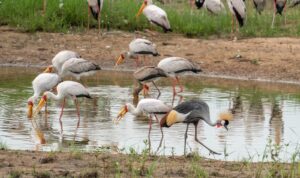
- Waterbirds
- Seasonal flamingos
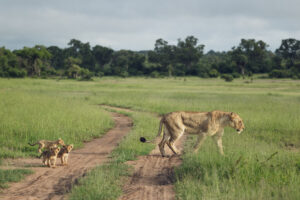
- The famous tree-climbing lions
TANAPA describes Lake Manyara as a habitat for elephants, buffaloes, giraffes, zebras and wildebeest, while its alkaline lake attracts flamingos and other waterbirds when conditions are favorable. Wildlife sightings always depend on the season, vegetation and natural animal movement. See TANAPA’s official Lake Manyara wildlife information.
Lake Manyara is not only about checking animals off a list. The park’s forests, lake views, Rift Valley scenery and birdlife make it noticeably different from the wide grasslands of Serengeti and the baobab landscapes of Tarangire.
How Much Is the Lake Manyara Entrance Fee?
Park conservation fees are one part of the total safari price. They are not the complete cost of the tour.
At the time of writing, TANAPA’s online tariff page lists the Lake Manyara conservation fee for a non-resident visitor as approximately USD 53.10, with different rates for East African citizens and residents. Travelers should verify the applicable rate because fees may differ according to age, residency status and future tariff changes. Check the current TANAPA park tariffs.
In addition to the visitor conservation fee, the total tour price may include:
- Vehicle entry fees
- Guide-related fees
- Government taxes
- Concession or camping charges
- Activity fees
- Accommodation charges
- Transportation
- Meals and drinking water
This is why a full Lake Manyara safari costs more than the entrance ticket alone.
When you book a complete package with Kilipath African Safaris, the required park and vehicle fees listed in your itinerary are arranged in advance. This saves you from managing separate payments during your safari.
What Determines the Cost of a Lake Manyara Safari?
1. Private or Shared Safari
The type of safari has a major effect on the total cost.
Private safari
A private safari gives you exclusive use of the vehicle and guide. It offers greater flexibility with departure time, photography stops and the pace of the game drive.
A private safari is ideal for:
- Couples
- Honeymooners
- Families
- Photographers
- Groups of friends
- Travelers who prefer privacy
- Guests with specific interests or mobility needs
The total vehicle cost is divided among the participants. Therefore, the per-person cost usually decreases as the number of travelers increases.
Shared group safari
A shared safari allows you to join other travelers and divide some of the operational costs. It is normally more affordable for solo travelers and couples.
Kilipath African Safaris’ shared safaris generally use a safari vehicle carrying a maximum of seven guests, with a window seat for each traveler. Shared departures follow a planned route and schedule, so they offer less flexibility than private tours.
Lake Manyara is frequently included in five-day shared Northern Circuit itineraries alongside Tarangire, Serengeti and Ngorongoro Crater.
2. Accommodation Category
Accommodation can represent a significant part of your Tanzania safari cost.
Budget camping
Budget camping is the most economical option. Guests stay at public campsites using safari tents. Camping equipment such as tents, mattresses, sleeping bags and pillows can be included, while a safari chef prepares the meals.
This is a good choice for adventurous travelers who want to spend more of their budget on the safari experience.
Midrange accommodation
Midrange lodges and tented camps offer private rooms or permanent tents, comfortable beds and en-suite bathrooms. Many also have restaurants, gardens, swimming pools or views of the surrounding landscape.
Popular accommodation areas for Lake Manyara itineraries include:
- Mto wa Mbu
- Karatu
- The Rift Valley escarpment
- Areas near Lake Manyara’s park entrance
Midrange accommodation creates a comfortable balance between price and quality.
Luxury accommodation
Luxury camps and lodges may offer exceptional locations, spacious suites, personalized service, premium dining, swimming pools, private decks and impressive views.
Luxury rates vary considerably. Some properties charge several hundred dollars per person per night, especially during peak season. Premium lodges inside or near protected areas may also involve concession fees.
3. Number of Travelers
Transportation, the vehicle and the professional guide are major fixed costs. A solo traveler carries most of these costs alone on a private tour, while two or more travelers divide them.
For example:
| Travelers | Typical effect on private price |
|---|---|
| One traveler | Highest cost per person |
| Two travelers | Vehicle cost shared between two |
| Three or four travelers | Better per-person value |
| Five to seven travelers | Usually lower cost per person |
If you are traveling alone and want to reduce your Lake Manyara safari cost, a shared group departure may be the best option.
4. Length of the Safari
A Lake Manyara day trip is less expensive than a five-day Northern Circuit safari. However, longer itineraries usually provide better overall value because they allow you to experience several landscapes and wildlife habitats in one journey.
Common options include:
- One-day Lake Manyara safari
- Two-day Lake Manyara and Tarangire safari
- Three-day Tarangire, Ngorongoro and Lake Manyara safari
- Four-day Tarangire, Serengeti and Ngorongoro safari
- Five-day Tarangire, Serengeti, Ngorongoro and Lake Manyara safari
Travelers interested in seeing Serengeti should allow at least four days, although five to seven days provide a more relaxed experience.
5. Travel Season
Tanzania safari prices vary by season.
Peak season
July through October and the Christmas and New Year period are highly requested. Accommodation can be more expensive and should be reserved early.
July to October is popular because the weather is generally dry and wildlife often gathers near reliable water sources.
Green season
The greener months can provide:
- Beautiful landscapes
- Fewer safari vehicles
- Excellent birdwatching
- Dramatic skies
- Potential accommodation offers
Rain can affect road conditions and wildlife distribution, but it does not necessarily mean rain throughout every day.
Shoulder season
The months between the busiest and quietest periods may offer a useful balance of favorable conditions, availability and price.
Kilipath African Safaris can recommend a suitable travel period based on your budget and the parks you want to visit.
6. The Parks Included in Your Itinerary
A Lake Manyara-only safari is relatively affordable. The total rises when Serengeti and Ngorongoro are added because the journey becomes longer and includes additional conservation, accommodation and vehicle-related costs.
Serengeti requires longer driving distances and usually at least one or two nights near or inside the park. Ngorongoro also has its own conservation and crater-service fees.
Although a multi-park itinerary costs more, it provides a much more varied experience.
7. Optional Activities
Additional activities can be included according to availability and your interests. These may include:
- Maasai cultural visit
- Mto wa Mbu cultural tour
- Local market visit
- Village walk
- Cycling tour
- Night game drive where officially permitted
- Treetop walkway
- Canoeing when available and conditions permit
- Serengeti balloon safari
- Coffee tour
- Materuni Waterfalls excursion
- Zanzibar beach extension
Optional activities should be shown separately in the quotation so that you understand exactly what is included.
Sample One-Day Lake Manyara Safari Cost
A private day trip from Arusha may cost approximately USD 250–450 per person, depending on how many people are traveling.
A typical package can include:
- Pickup and drop-off in Arusha
- Private 4×4 safari vehicle
- Professional English-speaking guide
- Lake Manyara park fees
- Vehicle entry fees
- Game drive
- Lunch
- Unlimited drinking water
- Government taxes
The journey from Arusha to the Lake Manyara area normally takes around two to three hours, depending on traffic, pickup location and road conditions.
After arriving at the park, you begin a game drive through the groundwater forest before exploring the floodplains and lakeshore habitats. Lunch is served during the excursion, followed by further wildlife viewing before returning to Arusha.
A day safari works well for travelers who:
- Have only one free day
- Are staying in Arusha
- Want an introduction to Tanzania’s wildlife
- Are traveling with children
- Prefer a shorter game drive
- Want to combine wildlife with another northern Tanzania activity
Sample Two-Day Lake Manyara Safari
Day 1: Arusha to Tarangire National Park
Depart Arusha in the morning and drive to Tarangire National Park. Enjoy a full game drive among baobab trees and habitats known for elephants, giraffes, zebras and other wildlife.
In the evening, drive to your campsite, lodge or tented camp near Mto wa Mbu or Karatu.
Day 2: Lake Manyara National Park to Arusha
After breakfast, travel to Lake Manyara for a game drive. Explore the groundwater forest, floodplain and lakeshore before enjoying lunch and returning to Arusha.
Estimated cost
- Budget camping: approximately USD 550–750 per person
- Midrange lodge: approximately USD 700–950 per person
- Luxury option: from approximately USD 1,000 per person
The final price depends on group size, accommodation and season.
Sample Three-Day Lake Manyara Safari
This is an excellent short Northern Circuit itinerary.
Day 1: Arusha to Tarangire National Park
Leave Arusha after breakfast and drive to Tarangire. Spend the day exploring its baobab-covered landscapes and looking for elephant families, giraffes, lions, zebras and wildebeest.
Overnight near Mto wa Mbu or Karatu.
Day 2: Ngorongoro Crater
After an early breakfast, travel to the Ngorongoro Conservation Area and descend into the crater.
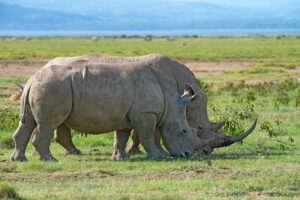
The crater supports a dense concentration of wildlife, including buffaloes, zebras, wildebeest, hippos, lions, hyenas and, with luck, black rhinos. After lunch, ascend from the crater and return to your accommodation.
Day 3: Lake Manyara National Park to Arusha
After breakfast, enter Lake Manyara National Park for your final game drive. Search for elephants, monkeys, giraffes, buffaloes, waterbirds and other wildlife before returning to Arusha.
Estimated cost
- Shared camping: approximately USD 600–850 per person
- Private camping: approximately USD 800–1,150 per person
- Private midrange: approximately USD 1,000–1,600 per person
- Luxury: from approximately USD 1,700 per person
Recommended Five-Day Northern Circuit Safari
For travelers who want Lake Manyara and Serengeti in the same journey, a five-day itinerary is one of the best choices.
Day 1: Arusha to Tarangire
Enjoy your first game drive among ancient baobabs and elephant habitats.
Day 2: Mto wa Mbu or Karatu to Serengeti
Travel through the Ngorongoro highlands toward Serengeti National Park. Enter the park and begin your afternoon game drive.
Day 3: Serengeti National Park
Spend a full day exploring the Serengeti. Your guide selects productive wildlife areas based on the season and recent animal movement.
Day 4: Serengeti to Ngorongoro
Enjoy another Serengeti game drive before traveling toward the Ngorongoro Conservation Area.
Day 5: Ngorongoro Crater or Lake Manyara
A standard five-day itinerary may finish with Ngorongoro Crater. If Lake Manyara must be included, the route can be adjusted or extended depending on your arrival and departure times.
A five-day safari usually costs approximately:
- Shared camping: USD 900–1,200 per person
- Private budget safari: USD 1,300–1,900 per person
- Private midrange safari: USD 1,700–2,500 per person
- Luxury safari: From USD 3,000 per person
What Is Normally Included?
A Kilipath African Safaris package may include:
- Professional English-speaking safari guide
- 4×4 Land Cruiser with pop-up roof
- Park and conservation fees listed in the itinerary
- Vehicle entry fees
- Accommodation
- Meals during the safari
- Unlimited drinking water
- Game drives
- Airport or hotel pickup when confirmed
- Camping equipment for camping packages
- Safari chef on applicable camping tours
- Government taxes
- Window seat for each guest on shared safaris
Always review your individual quotation because inclusions can vary between packages.
What Is Normally Excluded?
Unless specifically included, the price may exclude:
- International flights
- Tanzania visa
- Travel insurance
- Domestic flights
- Alcoholic drinks
- Laundry services
- Tips for the guide and safari staff
- Personal expenses
- Optional cultural activities
- Balloon safari
- Additional accommodation before or after the tour
- Vaccinations and medical expenses
Kilipath African Safaris provides a clear list of inclusions and exclusions before you confirm your booking.
Is Lake Manyara Worth the Cost?
Yes, particularly when it fits naturally into a Northern Circuit itinerary.
Lake Manyara offers a different environment from Tarangire, Serengeti and Ngorongoro. Its forest, wetlands, escarpment scenery and birdlife add ecological variety to the journey.
Lake Manyara is especially worthwhile for:
- First-time visitors
- Birdwatchers
- Families
- Photographers
- Travelers with limited time
- Guests staying in Arusha or Karatu
- Travelers combining several northern parks
However, sightings of tree-climbing lions and flamingos cannot be guaranteed. Flamingo numbers vary with water levels, food availability and seasonal conditions. A responsible safari operator should never promise a particular wild-animal sighting.
Lake Manyara or Tarangire: Which Is Better?
Both parks are rewarding, but they offer different experiences.
| Lake Manyara | Tarangire |
|---|---|
| Groundwater forest and wetlands | Baobab woodland and open savannah |
| Strong birdwatching appeal | Famous elephant habitats |
| Compact park | Larger game-drive area |
| Excellent for a day trip | Excellent for longer game drives |
| Rift Valley scenery | Tarangire River ecosystem |
| Seasonal flamingos | Strong dry-season wildlife concentrations |
If your schedule allows, visiting both creates a more complete experience. If you have only one day, the better choice depends on the season, your interests and your starting point.
How to Reduce Your Tanzania Safari Cost
Join a shared safari
Joining other travelers reduces the cost of the safari vehicle and guide.
Travel with friends or family
A private vehicle becomes better value when its cost is shared among several guests.
Choose camping or affordable lodges
Budget camping and simple lodges near Mto wa Mbu or Karatu can significantly reduce the total price.
Avoid unnecessary domestic flights
Driving is often more economical for Lake Manyara, Tarangire and Ngorongoro itineraries.
Travel outside peak dates
Some accommodations offer lower rates during quieter periods.
Book one combined itinerary
Combining Lake Manyara with other parks in a well-planned route can be more efficient than arranging separate day trips.
Reserve early
Early booking gives you more accommodation choices, especially during July, August, September, Christmas and New Year.
Best Time to Visit Lake Manyara
Lake Manyara can be visited throughout the year.
June to October
This period is generally drier. Wildlife can be easier to observe in some areas as vegetation becomes less dense.
November to May
The landscape is usually greener, and birdwatching can be excellent. Migratory birds may be present during parts of this period.
April and May
These months can receive heavier rainfall. Some travelers appreciate the quiet atmosphere, green scenery and possible accommodation savings, but road conditions can be more challenging.
The best time depends on whether you prioritize dry weather, birdlife, photography, fewer visitors or lower accommodation prices.
Why Book With Kilipath African Safaris?
Kilipath African Safaris is a locally based safari company in Arusha. Our team understands the Northern Circuit routes, travel times, accommodation options and practical details required to organize a smooth safari.
When you plan with us, you can receive:
- A customized itinerary
- Private and shared safari options
- Clear cost explanations
- Professional safari guides
- Reliable 4×4 vehicles
- Camping, midrange and luxury choices
- Airport-transfer assistance
- Support before and during the safari
- Flexible combinations with Zanzibar
- Honest advice based on your budget and available time
Our goal is not simply to sell the longest itinerary. We help you select a route that is realistic, enjoyable and suitable for your travel plans.