A journey combining the Ngorongoro Crater with Tanzania’s Southern Safari Circuit offers two remarkably different wildlife experiences in one holiday. Ngorongoro delivers dramatic scenery and exceptional concentrations of animals, while the Southern Circuit provides enormous wilderness areas, fewer safari vehicles, boat safaris, walking adventures, and a wonderfully remote atmosphere.
This Ngorongoro Crater safari Southern Circuit travel guide explains how to connect these destinations, when to travel, how many days you need, what wildlife you may encounter, where to stay, and how much the experience may cost.
The most important point to understand is that Ngorongoro and the Southern Circuit are not located next to each other. Ngorongoro is part of Tanzania’s famous northern safari region, while Nyerere, Ruaha, Mikumi, and Udzungwa lie much farther south. A carefully arranged flight or a longer overland journey is therefore necessary.
Although this combination requires thoughtful planning, the result can be an exceptionally rewarding Tanzania safari. Travelers experience the wildlife-rich floor of an ancient volcanic caldera before entering some of Africa’s largest and least crowded protected wildernesses.
At Kilipath African Safaris, we can customize this journey according to your dates, preferred accommodation, budget, interests, and arrival airport.
Why Combine Ngorongoro Crater With the Southern Circuit?
Most visitors choose either Tanzania’s Northern Circuit or Southern Circuit. Combining the two creates a more complete picture of the country’s landscapes and wildlife.
Ngorongoro Crater is renowned for its spectacular caldera, permanent wildlife populations, and opportunities to see several iconic African animals during a single game drive. Southern Tanzania feels wilder and more remote, with fewer vehicles and a wider variety of activities.
The main advantages of this combination include:
- Contrasting landscapes and ecosystems
- Excellent opportunities to see predators and large mammals
- Traditional game drives and alternative safari activities
- Fewer visitors in Southern Circuit parks
- A choice of luxury, midrange, and adventurous accommodation
- Opportunities for wildlife photography
- Flexible extensions to Zanzibar, Dar es Salaam, or the coast
- A balanced introduction to northern and southern Tanzania
This journey suits returning safari travelers, photographers, honeymooners, families, and first-time visitors who have enough time to explore more than one region.
Understanding the Two Safari Regions
Ngorongoro Crater and the Northern Circuit
The Ngorongoro Conservation Area is located in northern Tanzania, west of Arusha and near the Serengeti ecosystem. Its centerpiece is the Ngorongoro Crater, one of the world’s largest intact, unfilled volcanic calderas.
The crater is approximately 20 kilometers across, with walls descending roughly 600 meters toward its floor. Its grasslands, marshes, forests, and seasonal water sources support an impressive range of wildlife. Ngorongoro Conservation Area Authority describes it as a vast, unbroken and unflooded caldera.
Most Ngorongoro safaris begin in Arusha and are combined with Tarangire, Lake Manyara, or Serengeti National Park.
Tanzania’s Southern Circuit
The Southern Circuit generally includes:
- Nyerere National Park
- Ruaha National Park
- Mikumi National Park
- Udzungwa Mountains National Park
- Sometimes Katavi National Park
- Coastal or Zanzibar extensions
The Southern Circuit is known for its expansive wilderness, lower vehicle density, and varied activities. Depending on the park, travelers may enjoy game drives, guided walking safaris, boat safaris, birdwatching, and fly-camping experiences.
Nyerere and Ruaha are usually the main destinations for a Southern Circuit wildlife itinerary.
Ngorongoro Crater Safari Experience
What Makes Ngorongoro Crater Special?
Ngorongoro Crater creates a naturally enclosed wildlife habitat. Its mineral-rich soil, water sources, grasslands, and forests support animals throughout the year.
A typical crater safari begins early in the morning. Your guide drives along the crater rim before descending through one of the designated access roads. As you reach the floor, the landscape opens into grasslands where zebra, wildebeest, buffalo, and gazelle may be seen.
The crater’s habitats include:
- Open grasslands
- Lerai Forest
- Freshwater springs
- Marshes and wetlands
- Seasonal lakes
- Acacia woodland
- Rocky slopes and crater walls
Each habitat attracts different species, making the crater floor unusually diverse for its size.
Wildlife in Ngorongoro Crater
Animals commonly encountered include:
- African elephants
- Lions
- Spotted hyenas
- Wildebeest
- Plains zebra
- African buffalo
- Hippopotamus
- Thomson’s gazelles
- Grant’s gazelles
- Warthogs
- Jackals
- Eland
- Ostriches
- Flamingos and other waterbirds
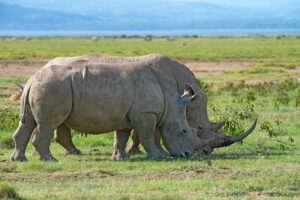
The crater is also one of Tanzania’s notable areas for spotting the critically endangered black rhinoceros. However, sightings are never guaranteed because the animals may remain far from accessible roads.
Giraffes are uncommon on the crater floor, partly because the steep descent routes and habitat are not particularly suitable for them. They can still be seen elsewhere in the wider Ngorongoro Conservation Area.
Predators in the Crater
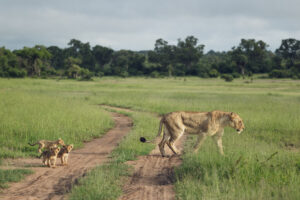
Ngorongoro supports a significant predator population. Lions and spotted hyenas are frequently observed, while jackals may be found moving through the grasslands.
Cheetahs can occasionally be seen in open areas, although they are less predictable. Leopards are present but usually difficult to spot because they prefer forested and concealed environments.
Predator activity is often best during the early morning, making an early crater descent highly recommended.
How Long Do You Need at Ngorongoro?
For most travelers, one carefully planned crater game drive is sufficient. Guests normally stay near Karatu, on the crater rim, or within the wider conservation area the night before.
Travelers who want to explore beyond the main crater can add another day for:
- Empakaai Crater
- Olmoti Crater
- Maasai cultural experiences
- Oldupai Gorge
- Guided highland walks
- Photography around the crater rim
Walking activities within the conservation area must be arranged with qualified guides and, where required, an armed ranger. The authority identifies several suitable walking areas, including routes around Olmoti, Empakaai, and the highlands. Ngorongoro Conservation Area walking information
Exploring Tanzania’s Southern Circuit
Nyerere National Park
Nyerere National Park is one of the principal wildlife destinations in southern Tanzania. Its landscapes include woodland, open plains, wetlands, lakes, and channels connected to the Rufiji River system.
Nyerere offers something unavailable during a standard Ngorongoro Crater visit: a water-based safari.
Activities in Nyerere
Depending on water levels, season, lodge location, and local regulations, activities may include:
- Traditional game drives
- Boat safaris
- Guided walking safaris
- Birdwatching
- Sundowner experiences
- Fishing excursions in designated areas
- Photographic safaris
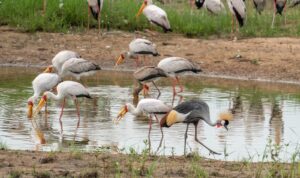
A boat safari can reveal hippopotamuses, crocodiles, elephants near the water, and many aquatic birds. It also allows visitors to observe the landscape from a completely different perspective.
Wildlife in Nyerere
Potential sightings include:
- African elephants
- Lions
- African buffalo
- Hippopotamuses
- Nile crocodiles
- Giraffes
- Zebras
- Wildebeest
- Greater kudu
- Impalas
- Waterbucks
- Wild dogs
- Hyenas
- Leopards
Nyerere is especially valued for its wilderness atmosphere and diversity of safari experiences.
Ruaha National Park
Ruaha National Park is an excellent destination for travelers who want a remote, wildlife-focused safari. The Great Ruaha River and surrounding seasonal waterways attract animals during the dry months.
Ruaha’s environment combines baobab-studded landscapes, miombo woodland, rocky hills, riverine vegetation, and open plains.
Why Visit Ruaha?
Ruaha is particularly attractive because of its:
- Low visitor density
- Large predator populations
- Elephant herds
- Dramatic baobab landscapes
- Varied antelope species
- Excellent dry-season wildlife viewing
- Strong photographic potential
Wildlife in Ruaha
Possible sightings include:
- Lions
- Leopards
- Cheetahs
- African wild dogs
- Elephants
- Buffalo
- Greater kudu
- Lesser kudu
- Sable antelope
- Roan antelope
- Giraffes
- Zebras
- Jackals
- Hyenas
Ruaha is particularly fascinating because East African and Southern African wildlife species overlap within the ecosystem.
Mikumi National Park
Mikumi is one of the most accessible Southern Circuit parks from Dar es Salaam. Its open plains provide opportunities to see giraffes, elephants, buffalo, lions, zebras, wildebeest, and antelopes.
It can be included as:
- A short safari from Dar es Salaam
- A stop on an overland Southern Circuit itinerary
- A connecting destination between Nyerere and Ruaha
- A wildlife addition before visiting Udzungwa
Mikumi can become busier than more remote areas of Ruaha, but it remains a practical choice for travelers with limited time.
Udzungwa Mountains National Park
Udzungwa offers a completely different experience from Ngorongoro, Nyerere, or Ruaha. It is primarily a hiking and forest destination rather than a conventional vehicle-based safari park.
Visitors travel here for:
- Guided forest walks
- Waterfalls
- Primate sightings
- Birdwatching
- Botanical diversity
- Mountain scenery
The popular hike to Sanje Waterfalls rewards visitors with beautiful views and an opportunity to explore one of Tanzania’s important forest ecosystems.
Udzungwa is ideal for active travelers who want to add hiking to their wildlife itinerary.
Katavi National Park
Katavi is one of Tanzania’s most remote safari destinations. It offers excellent wilderness experiences but usually requires additional flights, time, and budget.
During the dry season, animals gather around remaining water sources. Large concentrations of buffalo and hippopotamuses may be observed, along with elephants, lions, crocodiles, and other wildlife.
Katavi works best for:
- Experienced safari travelers
- Photographers
- Travelers seeking maximum exclusivity
- Guests with at least 12–14 days
- Travelers using scheduled or charter flights
It is not essential for a first Southern Circuit journey, but it can make an exceptional addition to an extended safari.
How to Connect Ngorongoro and Southern Tanzania
Ngorongoro and the Southern Circuit are separated by considerable distance. An efficient itinerary needs to include a logical transfer between northern and southern Tanzania.
Option One: Fly Through Arusha and Dar es Salaam
This is usually the most convenient arrangement.
A typical routing may be:
- Arrive at Kilimanjaro International Airport.
- Travel to Arusha.
- Visit Ngorongoro and selected Northern Circuit parks.
- Return to Arusha.
- Fly to Dar es Salaam or directly toward a Southern Circuit airstrip when schedules permit.
- Continue to Nyerere or Ruaha.
- Finish in Dar es Salaam or Zanzibar.
Flight schedules can change seasonally, so the route should be confirmed before booking international flights.
Option Two: Start in Southern Tanzania
Travelers may arrive in Dar es Salaam, visit Nyerere and Ruaha, then fly to Arusha for Ngorongoro.
This option works well when an international flight arrives in Dar es Salaam or when the safari begins after a Zanzibar holiday.
Option Three: Combine Flights and Road Transfers
Some sections can be completed overland, especially:
- Dar es Salaam to Mikumi
- Mikumi to Udzungwa
- Arusha to Ngorongoro
- Karatu to other Northern Circuit parks
However, driving the entire distance between Ngorongoro and the major southern parks can consume valuable safari time. Flying is usually more comfortable and efficient.
Option Four: Fully Overland Expedition
A fully overland route may suit adventurous travelers with more time. It can include rural scenery, lesser-visited towns, and several parks.
Nevertheless, road conditions, distances, and travel times must be considered carefully. An overland combination generally needs at least two weeks to avoid feeling rushed.
Recommended Itineraries
8-Day Ngorongoro and Nyerere Safari
This itinerary is suitable for travelers who want a compact introduction to both regions.
Day 1: Arrival in Arusha
Arrive at Kilimanjaro International Airport or Arusha Airport. Meet a Kilipath African Safaris representative and transfer to your accommodation.
Day 2: Arusha to Ngorongoro Area
Drive through the northern Tanzanian countryside toward Karatu or the Ngorongoro Conservation Area. Depending on arrival time, enjoy a cultural visit, forest walk, or relaxation at the lodge.
Day 3: Ngorongoro Crater Safari
Descend into the crater for a full game-viewing experience. Search for lions, elephants, buffalo, hyenas, hippos, and black rhinos. Enjoy a picnic lunch at an approved location before leaving the crater.
Official regulations state that Ngorongoro gates generally operate between 06:00 and 18:00, while visitors to the crater must be accompanied by a licensed guide. Ngorongoro rules and regulations
Day 4: Return to Arusha
Drive back to Arusha and stay overnight. If time permits, visit a local market, coffee estate, or Cultural Heritage Centre.
Day 5: Fly to Nyerere National Park
Transfer to the airport for a flight to Nyerere. Meet your camp guide and begin exploring the park.
Day 6: Nyerere Game Drive
Enjoy morning and afternoon game drives through woodland, grassland, and riverine habitats.
Day 7: Boat Safari or Walking Safari
Take a boat safari or professionally guided walking activity, depending on the chosen camp, season, and conditions.
Day 8: Fly to Dar es Salaam or Zanzibar
Fly from Nyerere to Dar es Salaam or continue to Zanzibar for a beach holiday.
10-Day Ngorongoro, Nyerere and Ruaha Safari
This itinerary offers a more complete Southern Circuit experience.
Days 1–3: Arusha and Ngorongoro
Arrive in Arusha, travel to the Ngorongoro region, and enjoy a crater safari.
Day 4: Transfer Day
Return to Arusha and fly south, following the most practical available schedule.
Days 5–6: Nyerere National Park
Experience game drives, a boat safari, and possibly a guided walk.
Day 7: Fly to Ruaha
Transfer by scheduled or charter flight to Ruaha National Park.
Days 8–9: Ruaha Safari
Enjoy extensive game drives focused on predators, elephants, antelopes, and birdlife.
Day 10: Departure
Fly to Dar es Salaam, Zanzibar, or another connecting airport.
12-Day Complete Tanzania Combination Safari
A 12-day journey allows a slower and more satisfying itinerary.
Suggested route
- Day 1: Arrival in Arusha
- Day 2: Tarangire National Park
- Day 3: Tarangire to Karatu
- Day 4: Ngorongoro Crater
- Day 5: Return to Arusha
- Day 6: Fly to Nyerere
- Days 7–8: Nyerere safari activities
- Day 9: Fly to Ruaha
- Days 10–11: Ruaha game drives
- Day 12: Fly to Dar es Salaam or Zanzibar
Tarangire adds elephant herds, baobab scenery, and another important Northern Circuit ecosystem.
14-Day Safari With Mikumi and Udzungwa
Travelers interested in wildlife and hiking can consider:
- Arusha
- Tarangire
- Ngorongoro Crater
- Nyerere National Park
- Mikumi National Park
- Udzungwa Mountains
- Dar es Salaam or Zanzibar
This route is best for guests who enjoy varied activities and do not want every day to consist solely of vehicle-based game viewing.
Best Time for a Ngorongoro and Southern Circuit Safari
There is no single perfect month for every traveler. The best time depends on wildlife priorities, preferred landscapes, budget, and tolerance for rain.
June to October: Dry Season
The dry season is generally excellent for Southern Circuit wildlife viewing. As vegetation becomes thinner and water sources decrease, animals gather near rivers and permanent water.
Advantages include:
- Strong wildlife viewing in Ruaha
- Easier animal spotting
- Lower rainfall
- Better road conditions in many areas
- Excellent predator activity
- Comfortable conditions for boat and walking activities
This is also a popular travel period, so flights and high-quality camps should be reserved early.
November to December: Short Rains
The short rains can transform the landscape. Vegetation becomes greener, migratory birds arrive, and photography conditions may be beautiful.
Rain is often intermittent rather than continuous, although weather patterns are never guaranteed.
Potential advantages include:
- Green landscapes
- Excellent birdwatching
- Fewer travelers in some areas
- Possible seasonal accommodation offers
- Dramatic skies for photography
January to February: Green Season
January and February can provide warm weather, green scenery, birdlife, and good resident wildlife viewing. Ngorongoro remains rewarding because animals live within and around the crater throughout the year.
Some Southern Circuit roads may become more challenging following heavy rain, but many camps continue operating.
March to May: Long Rains
The long-rain period can bring muddy roads, reduced accessibility, and temporary camp closures in remote southern areas.
Travel is still possible in selected destinations, but the itinerary must be designed carefully. Travelers may benefit from lower accommodation prices and fewer visitors, but flexibility is important.
Best Overall Months
For a first journey combining Ngorongoro, Nyerere, and Ruaha, the most convenient period is generally June through October.
Travelers prioritizing lush landscapes, birds, and lower visitor numbers may prefer November through February.
Accommodation Options
Ngorongoro Crater Rim Lodges
Crater-rim accommodation provides outstanding views and convenient access for an early descent.
Advantages include:
- Dramatic crater views
- Reduced morning transfer time
- Premium safari atmosphere
- Convenient access to entry roads
The primary disadvantage is cost. Rim lodges are generally more expensive than accommodation around Karatu.
Karatu Lodges
Karatu offers a broad selection of comfortable lodges, farms, guesthouses, and tented properties.
Advantages include:
- Better value
- A wider accommodation selection
- Attractive gardens and farmland
- Convenient connections to Lake Manyara and Ngorongoro
- Local cultural and walking experiences
The drive to the crater entrance and descent point adds time to the morning journey, so an early departure is important.
Nyerere Safari Camps
Nyerere properties range from seasonal tented camps to luxury riverside lodges. When choosing a camp, consider whether the rate includes:
- Game drives
- Boat safaris
- Walking safaris
- Airstrip transfers
- Park fees
- Drinks
- Laundry
- Private or shared activities
The location matters because different parts of the park offer different access to channels, lakes, and game-viewing areas.
Ruaha Safari Camps
Ruaha includes intimate tented camps and more luxurious safari lodges. Properties near reliable rivers and game-viewing areas are particularly attractive during the dry season.
Remote camps may provide exceptional exclusivity but can require longer airstrip transfers.
How Much Does the Safari Cost?
The price of a combined safari varies significantly. A personalized quotation is more reliable than a single advertised figure because the trip involves multiple regions, flights, permits, and accommodation styles.
The final price depends on:
- Number of travelers
- Number of safari days
- Travel season
- Private or shared arrangements
- Lodge category
- Domestic flights
- Park and conservation fees
- Crater service charges
- Airport transfers
- Included activities
- Single-room supplements
- Zanzibar or beach extensions
Budget Safari
A budget-conscious itinerary may use simple lodges, public campsites, road transfers, and fewer domestic flights.
However, true budget group departures that combine Ngorongoro with Ruaha or Nyerere are less common. Shared Northern Circuit safaris generally follow fixed routes, while the Southern Circuit may require separate arrangements.
Midrange Safari
Midrange safaris normally use comfortable lodges and tented camps with private bathrooms, good meals, and professionally guided activities.
This category offers a good balance between comfort, wilderness, and price.
Luxury Safari
Luxury packages may include:
- Premium crater-rim accommodation
- Boutique tented camps
- Scheduled or private charter flights
- Private vehicles and guides
- Exclusive dining
- Private boat or walking activities
- Champagne sundowners
- Laundry and premium beverages
- Zanzibar luxury resorts
Requesting an Accurate Price
For an accurate quotation, provide:
- Proposed travel dates
- Number of adults and children
- Children’s ages
- Preferred number of days
- Accommodation level
- Arrival and departure airports
- Interest in Zanzibar
- Private or shared safari preference
- Special requirements
- Activities you want included
Park fees and aviation costs may change, so every quotation should be checked against current rates before confirmation.
Private Safari or Shared Safari?
A private safari is normally the best option for this combination.
Benefits of a Private Safari
A private safari allows:
- Flexible departure times
- Personalized game drives
- More photography time
- Accommodation choices
- A customized route
- Private use of the safari vehicle
- Easier coordination between regions
- Special arrangements for families or honeymooners
Shared Safari Considerations
Shared safaris can reduce costs, especially in the Northern Circuit. However, they operate on fixed routes and dates.
A standard shared Ngorongoro safari cannot simply continue to Ruaha or Nyerere. Travelers may need to complete the northern group safari, return to Arusha, and book a separate Southern Circuit package.
For this reason, a combination of a shared Northern Circuit departure and a fly-in Southern Circuit safari may be the most practical option for solo or budget travelers.
Safari Activities to Include
Game Drives
Game drives form the foundation of the itinerary. A specially equipped 4×4 safari vehicle normally includes:
- Pop-up viewing roof
- Window seating
- Charging points
- Cooler or refrigerator
- First-aid equipment
- Seatbelts
- Radio communication
Private game drives offer more control over the day’s pace and wildlife interests.
Boat Safaris
Boat safaris are an important attraction in Nyerere. They provide opportunities to observe crocodiles, hippos, waterbirds, and mammals near the shoreline.
Always follow your guide’s safety instructions and remain seated when requested.
Walking Safaris
Walking safaris reveal smaller details often missed from a vehicle, including tracks, insects, plants, animal behavior, and ecological relationships.
Walks must be conducted by appropriately qualified professionals and should never be attempted independently in wildlife areas.
Cultural Experiences
A cultural visit can provide insight into local traditions, livelihoods, and history. Choose respectful experiences that benefit participating communities and avoid treating local people merely as photographic attractions.
Birdwatching
Ngorongoro and the Southern Circuit are excellent for bird enthusiasts. Habitats range from crater wetlands and highland forests to miombo woodland and river systems.
Bring binoculars and tell your guide if birding is a priority.
Wildlife Photography Tips
This combined itinerary is excellent for photographers because it includes open crater grasslands, river habitats, baobab landscapes, forests, and varied wildlife.
Recommended equipment includes:
- A telephoto lens
- A medium-range zoom lens
- A wide-angle lens for landscapes
- Spare batteries
- Extra memory cards
- Lens-cleaning equipment
- Beanbag camera support
- Protective dust cover
- Binoculars
Morning and late-afternoon light usually provides softer colors and better contrast. Midday light can be harsh, but it remains useful for wildlife behavior and close encounters.
Ask for a private vehicle if photography is your main priority. This allows your guide to position the vehicle responsibly and gives you more control over how long you remain at a sighting.
Never pressure a guide to leave authorized tracks or disturb wildlife for a photograph. Ngorongoro regulations prohibit off-road driving and limit crowding around animals. Official crater regulations
What to Pack
Pack light, particularly if your journey includes small domestic aircraft.
Recommended items include:
- Neutral-colored shirts and trousers
- Warm fleece or jacket
- Lightweight rain jacket
- Comfortable closed walking shoes
- Sandals for the lodge
- Sun hat
- Sunglasses
- High-SPF sunscreen
- Insect repellent
- Personal medication
- Small daypack
- Reusable water bottle
- Camera and binoculars
- Power bank
- Universal travel adapter
- Copies of important documents
The Ngorongoro rim can be cold, especially early in the morning. Southern Tanzania can become hot during the day. Dressing in removable layers is the most practical solution.
Soft-sided luggage is generally better than hard suitcases for safari vehicles and light aircraft. Domestic airlines may enforce strict baggage limits, which should be checked for the specific flight.
Health and Safety
Travelers should consult a qualified medical professional or travel clinic before departure. Advice may depend on nationality, previous travel, medical history, and the regions being visited.
Discuss:
- Routine vaccinations
- Malaria prevention
- Yellow fever documentation where applicable
- Prescription medicine
- Travel insurance
- Heat and sun protection
- Food and water precautions
Comprehensive travel insurance should cover medical treatment, evacuation, cancellations, delays, and safari activities.
During the safari:
- Follow your guide’s instructions
- Never leave the vehicle without permission
- Keep a safe distance from wildlife
- Do not feed animals
- Remain inside designated accommodation areas at night
- Request staff escorts where required
- Drink enough water
- Avoid standing suddenly near wildlife
- Keep noise low at sightings
Responsible Safari Travel
Responsible tourism helps protect Tanzania’s wildlife and supports communities connected to conservation areas.
Travelers can help by:
- Choosing a licensed local safari operator
- Following park rules
- Avoiding single-use plastics
- Carrying reusable water bottles
- Never purchasing wildlife products
- Respecting local customs
- Asking before photographing people
- Supporting locally owned businesses
- Keeping noise low near animals
- Never requesting off-road driving where prohibited
- Leaving no litter
- Conserving water at remote camps
Ngorongoro’s official guidelines require visitors to remain on authorized roads, avoid disturbing wildlife, and leave no litter. These rules protect both the ecosystem and the quality of future safari experiences.
Adding Zanzibar After the Safari
Zanzibar is a natural extension after a combined safari. Flights from Southern Circuit airstrips may connect through Dar es Salaam, while some seasonal services may offer more direct routing.
A typical Zanzibar extension includes:
- Stone Town
- Spice-farm tour
- Nungwi or Kendwa beaches
- Snorkeling
- Diving
- Dhow cruise
- Jozani Forest
- Mnemba-area marine excursions
Three to six nights is suitable for most travelers. Honeymooners or guests completing a long safari may prefer seven nights.
Schedule sufficient connection time between domestic and international flights. Where possible, avoid placing an inflexible international departure immediately after a remote bush flight.
Plan Your Safari With Kilipath African Safaris
A combined Ngorongoro Crater and Southern Circuit safari is one of the most diverse ways to experience Tanzania. It brings together the wildlife-rich floor of an ancient caldera, Nyerere’s waterways, Ruaha’s baobab landscapes, and the peaceful character of southern Tanzania.
Because the destinations are located in different regions, professional planning is essential. The right itinerary must coordinate road transfers, domestic flights, park permits, accommodation, safari activities, and international connections.
Kilipath African Safaris can design a personalized journey based on your preferred dates, budget, accommodation level, and wildlife interests. Whether you want a comfortable midrange adventure, a private photography safari, a family holiday, or a luxury honeymoon, we can create a route that balances wildlife viewing with comfortable travel.
Contact Kilipath African Safaris today for a customized Ngorongoro Crater and Southern Circuit safari quotation.