A Lake Manyara safari offers a wonderfully varied wildlife experience in one of northern Tanzania’s most beautiful national parks. Located beneath the dramatic cliffs of the Great Rift Valley, Lake Manyara National Park features groundwater forests, open grasslands, acacia woodland, hot springs and the shallow alkaline lake from which the park takes its name.
Although Lake Manyara is smaller than Serengeti National Park and the Ngorongoro Conservation Area, its diverse habitats make it an excellent addition to a Tanzania safari itinerary. Visitors may encounter elephants, giraffes, buffaloes, zebras, wildebeest, hippos, baboons and many species of birds during a single game drive.
Lake Manyara is especially convenient for travelers beginning their safari in Arusha. The park can be visited as a day trip, included in a short Northern Circuit safari or combined with destinations such as Tarangire, Ngorongoro and Serengeti.
This Lake Manyara safari Southern Circuit travel guide answers the most important questions about the park, including where it is located, what animals visitors can see, when to travel, how long to stay and whether it can be combined with Tanzania’s Southern Safari Circuit.
Where Is Lake Manyara National Park?
Lake Manyara National Park is situated in northern Tanzania, approximately 120 kilometres southwest of Arusha. It lies between the Great Rift Valley escarpment and Lake Manyara, close to the town of Mto wa Mbu.
Traveling by road from Arusha to Lake Manyara usually takes around two to three hours, depending on traffic and road conditions. The location makes Lake Manyara an accessible first or final destination on a Northern Tanzania safari.
The park is also conveniently located near other famous attractions:
Tarangire National Park
Ngorongoro Conservation Area
Serengeti National Park
Lake Eyasi
Karatu
Mto wa Mbu
Lake Natron
Many travelers visit Lake Manyara after Tarangire or before entering the Ngorongoro Conservation Area.
Is Lake Manyara Part of Tanzania’s Southern Circuit?
No. Lake Manyara National Park is officially part of Tanzania’s Northern Safari Circuit.
The Northern Circuit includes Lake Manyara, Tarangire, Ngorongoro and Serengeti. The Southern Circuit generally includes Nyerere National Park, Mikumi National Park, Ruaha National Park and Udzungwa Mountains National Park.
The two circuits offer different safari experiences. Northern Tanzania is famous for the Serengeti, the Ngorongoro Crater and the Great Migration. Southern Tanzania is known for its enormous wilderness areas, fewer vehicles, boating safaris and remote wildlife experiences.
Travelers can combine Lake Manyara with the Southern Circuit, but the distance between the regions makes flying the most practical option. A combined itinerary is generally recommended for travelers with at least 10 to 14 days available.
Why Visit Lake Manyara National Park?
Lake Manyara National Park is worth visiting because it offers beautiful scenery and several ecosystems within a relatively compact area. The changing landscape keeps a game drive interesting, even for travelers who have already visited other Tanzanian parks.
The park is particularly known for:
Large troops of baboons
Elephant sightings
Excellent birdwatching
Hippos near the lake
Great Rift Valley scenery
Groundwater forest
Seasonal flamingos
Possible tree-climbing lions
Convenient access from Arusha
Cultural experiences around Mto wa Mbu
Lake Manyara is not normally selected as the only destination on a Tanzania safari. Its greatest value comes from combining it with larger parks such as Tarangire, Serengeti and Ngorongoro.
What Animals Can You See in Lake Manyara?
Lake Manyara National Park supports a remarkable variety of wildlife. Exact sightings cannot be guaranteed because the animals move freely, but visitors may see:
African elephants
Giraffes
Cape buffaloes
Zebras
Wildebeest
Warthogs
Hippos
Impalas
Waterbucks
Bushbucks
Blue monkeys
Vervet monkeys
Olive baboons
Spotted hyenas
Jackals
Mongooses
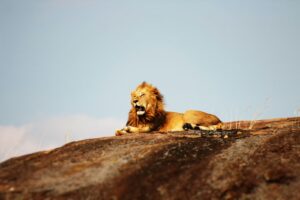
Leopards and lions also live in the park, although they can be more difficult to locate because of the thick vegetation.
The park’s large baboon population is one of its most distinctive attractions. Visitors frequently encounter troops moving through the forest, feeding beside the road or caring for their young.
Are There Tree-Climbing Lions in Lake Manyara?
Lake Manyara is widely associated with tree-climbing lions. Lions may climb acacia trees to rest, escape insects, enjoy cooler air or gain a better view of the surrounding landscape.
However, seeing a lion in a tree is never guaranteed. Lion sightings can be unpredictable, and the park’s dense vegetation sometimes makes predators difficult to find.
Travelers should regard tree-climbing lions as a possible highlight rather than the only reason to visit Lake Manyara. The park’s elephants, primates, birds and scenery provide a rewarding experience even when lions are not seen.
Is Lake Manyara Good for Birdwatching?
Yes. Lake Manyara is one of Tanzania’s most rewarding birdwatching destinations. More than 400 bird species have been recorded in and around the park.
Depending on the season and water conditions, visitors may see:
Flamingos
Pelicans
Storks
Cormorants
Hornbills
Kingfishers
Herons
Egrets
Eagles
Vultures
Bee-eaters
Weavers
Lovebirds
Guinea fowl
African fish eagles
Flamingo numbers vary considerably because they depend on water levels, food availability and environmental conditions. Therefore, visitors should not assume that large flamingo concentrations will always be present.
Birdwatching is productive throughout the year, but the wet season is especially attractive because migratory species arrive and resident birds display breeding plumage.
What Is the Scenery Like?
Lake Manyara National Park has one of the most diverse landscapes found in a small Tanzanian park. Visitors enter through a lush groundwater forest before continuing toward acacia woodland, floodplains and the lakeshore.
The Great Rift Valley escarpment creates an impressive background, rising sharply above the park. In the south, visitors may also see hot springs and open landscapes overlooking the lake.
The scenery can change dramatically throughout the year. During wetter periods, the environment is green and the lake may cover a wider area. During the dry season, water levels can decrease, exposing more open ground.
When Is the Best Time for a Lake Manyara Safari?
Lake Manyara can be visited throughout the year. The best time depends on whether the traveler’s priority is wildlife viewing, birdwatching, scenery or fewer visitors.
June to October
The dry season is generally considered the best time for conventional wildlife viewing. Vegetation becomes less dense in some areas, and animals are more likely to gather near permanent water sources.
Advantages include:
Easier wildlife spotting
Lower rainfall
Pleasant daytime conditions
Good road accessibility
Easy combination with other Northern Circuit parks
This period overlaps with Tanzania’s busiest safari season, so popular areas may receive more vehicles.
November to December
The short rains often begin during this period. The landscape becomes greener, birdlife is excellent and visitor numbers may be lower than during the peak season.
Rainfall usually comes in temporary showers rather than continuous rain, although weather patterns can change.
January to February
These months can offer warm weather, green landscapes and good birdwatching. They are also excellent for combining Lake Manyara with the calving season around Ndutu and the Southern Serengeti.
March to May
This is the main rainy season. The park becomes lush and beautiful, but some roads may be wet or muddy. Wildlife can be harder to spot in dense vegetation.
Travelers who do not mind occasional rain may benefit from fewer visitors and attractive seasonal accommodation offers.
How Long Should You Spend in Lake Manyara?
Most travelers need approximately half a day to one full day for a Lake Manyara safari.
A full-day visit allows more time to explore different habitats, search for wildlife and enjoy a relaxed picnic lunch. However, travelers on compact itineraries can experience the main areas during a half-day game drive.
One night near Lake Manyara or in Karatu is usually sufficient. Staying nearby reduces driving pressure and makes it easier to continue toward Ngorongoro the following morning.
Travelers interested in cultural activities, cycling, walking or visiting local communities around Mto wa Mbu may prefer to spend two nights in the area.
Can Lake Manyara Be Visited as a Day Trip from Arusha?
Yes. Lake Manyara can be visited as a day trip from Arusha. The journey normally begins early in the morning, followed by a game drive and a return to Arusha in the late afternoon or evening.
A typical day trip may include:
Morning pickup from an Arusha hotel.
Drive to Lake Manyara National Park.
Registration at the entrance gate.
Morning and afternoon game viewing.
Picnic or hot lunch.
Return to Arusha.
Although a day trip is possible, including Lake Manyara within a multi-day safari is more comfortable because it reduces the amount of repeated driving.
How Does Lake Manyara Compare with Tarangire?
Lake Manyara and Tarangire are both accessible from Arusha, but they offer different experiences.
Feature Lake Manyara Tarangire
Landscape Forest, lake, floodplain and escarpment Baobabs, woodland and river valley
Famous for Birds, baboons and varied scenery Elephants and dry-season wildlife
Recommended stay Half or full day Full day or longer
Predator visibility Often challenging due to vegetation Generally better in open areas
Birdwatching Excellent Excellent
Elephant sightings Good Frequently exceptional
Size Relatively compact Much larger
Travelers with enough time should consider visiting both parks because they complement each other well.
How Does Lake Manyara Compare with Ngorongoro Crater?
Ngorongoro Crater generally offers a higher concentration of large mammals and a better chance of seeing predators. Lake Manyara offers more forest scenery, primates and lakeside birdlife.
The Ngorongoro Crater is often a major safari highlight, while Lake Manyara is usually treated as a complementary destination.
Visiting both allows travelers to experience two very different environments. Lake Manyara presents a narrow ecosystem beneath the Rift Valley escarpment, while Ngorongoro provides a vast volcanic caldera containing grasslands, woodland, wetlands and lakes.
What Safari Activities Are Available?
Game Drives
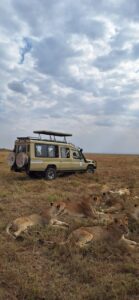
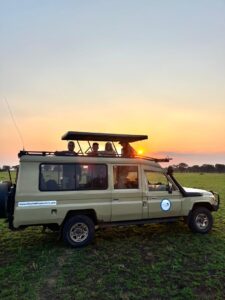
A traditional game drive is the main activity in Lake Manyara. Visitors explore in a specially equipped 4×4 safari vehicle with a professional guide.
Birdwatching
The variety of habitats makes the park suitable for both casual and dedicated birdwatchers. Private safaris are preferable for serious birding because the itinerary can be adjusted according to sightings.
Treetop Walkway
A suspended treetop walkway may be available near the park entrance. It provides a different view of the forest and its vegetation. Availability and operating conditions should be confirmed when booking.
Night Game Drives
Night drives may be available through approved operators. They provide an opportunity to search for nocturnal animals that are rarely active during daytime game drives.
Cultural Tours
The nearby town of Mto wa Mbu offers cultural walks, local food experiences, farm visits, cycling and opportunities to learn about daily community life.
Cycling
Cycling tours may be organized outside the national park. Routes can pass through farms, villages and areas near the lakeshore.
Where Can You Stay?
Accommodation is available around Mto wa Mbu, Lake Manyara and Karatu. Options range from public campsites and budget guesthouses to comfortable tented camps and luxury lodges.
Budget Accommodation
Budget travelers can stay at campsites, hostels or simple lodges outside the park. These choices provide essential facilities at an affordable price.
Mid-Range Accommodation
Mid-range lodges usually offer private bathrooms, comfortable beds, restaurant service and attractive garden or valley settings.
Luxury Accommodation
Luxury properties may provide spacious rooms, swimming pools, premium dining, personalized service and outstanding views of the Rift Valley.
Staying outside the park is often more affordable and provides easy access to Ngorongoro, Mto wa Mbu and Karatu.
What Should You Pack?
Recommended items include:
Neutral-coloured, lightweight clothing
Warm jacket for early mornings
Comfortable closed shoes
Sun hat
Sunglasses
Sunscreen
Insect repellent
Camera and spare batteries
Binoculars
Reusable water bottle
Personal medication
Small backpack
Rain jacket during wetter months
Avoid very bright clothing during game drives. Dark blue and black clothing can also attract tsetse flies in certain safari areas.
Temperatures may change during the day, so dressing in layers is the most practical approach.
Is Lake Manyara Suitable for Families?
Yes. Lake Manyara is a good family safari destination because driving distances inside the park can be relatively manageable. The changing landscapes, monkeys, elephants and hippos can keep younger travelers interested.
Families should choose an itinerary with enough breaks and avoid scheduling excessively long driving days. A private safari provides the greatest flexibility because parents can decide when to stop, eat lunch or return to the lodge.
Accommodation should be selected carefully because some unfenced camps may have age restrictions or special safety requirements.
Is Lake Manyara Suitable for a Honeymoon?
Lake Manyara can be included in a romantic Tanzania honeymoon safari. Lodges overlooking the Rift Valley provide beautiful scenery, while private game drives allow couples to travel at their own pace.
A honeymoon itinerary might combine:
Lake Manyara
Ngorongoro Crater
Serengeti National Park
Tarangire National Park
Zanzibar
Special arrangements such as private dinners, room decorations and sundowner experiences may be available depending on the chosen accommodation.
Can Lake Manyara Be Combined with the Southern Circuit?
Yes, but careful planning is necessary. The most convenient arrangement is normally to complete a Northern Circuit safari and then fly to a Southern Circuit destination.
Possible combinations include:
Lake Manyara and Nyerere National Park
Lake Manyara and Ruaha National Park
Lake Manyara, Nyerere and Zanzibar
Lake Manyara, Serengeti and Nyerere
Lake Manyara, Ruaha and Mikumi
Traveling entirely by road between the Northern and Southern circuits can consume valuable safari time. Domestic flights are generally recommended, especially for travelers with fewer than two weeks.
Suggested Combined Northern and Southern Circuit Itinerary
A well-balanced itinerary could include:
Day 1: Arrival in Arusha
Arrive at Kilimanjaro International Airport and transfer to an Arusha hotel. Meet the safari representative for a briefing.
Day 2: Arusha to Tarangire
Drive to Tarangire National Park for a full-day game drive among baobab trees and elephant herds.
Day 3: Lake Manyara
Explore Lake Manyara’s groundwater forest, floodplains and lakeshore before continuing to Karatu.
Day 4: Ngorongoro Crater
Descend into Ngorongoro Crater for game viewing. Look for lions, elephants, buffaloes, hippos and, with good fortune, black rhinos.
Days 5–7: Serengeti
Travel to Serengeti National Park for several days of wildlife viewing. The exact region can be selected according to the season.
Day 8: Fly to Southern Tanzania
Fly from Serengeti or Arusha to Nyerere or Ruaha, depending on flight schedules.
Days 9–11: Southern Circuit Safari
Enjoy game drives and, where permitted, activities such as boating or walking safaris.
Day 12: Departure or Zanzibar Extension
Fly to Dar es Salaam, Zanzibar or another onward destination.
The itinerary can be shortened or extended according to flight availability, accommodation preferences and budget.
How Much Does a Lake Manyara Safari Cost?
The cost depends on several factors:
Private or shared safari
Number of travelers
Accommodation category
Length of itinerary
Travel season
Vehicle type
Included activities
Domestic flights
Airport transfers
Park and conservation fees
A shared camping safari is usually the most affordable option. Private lodge safaris cost more but provide flexibility, privacy and personalized guiding.
Travelers should check whether a quotation includes:
National park fees
Safari vehicle and fuel
Professional guide
Accommodation
Meals
Drinking water
Airport transfers
Government taxes
Domestic flights
Cultural activities
Tips and personal expenses
The cheapest quotation is not automatically the best value. Vehicle quality, guide experience, accommodation location and included services can significantly affect the safari experience.
Is a Shared or Private Safari Better?
A shared safari is suitable for budget-conscious solo travelers, couples and friends who are comfortable following a fixed itinerary. Guests share the vehicle with other travelers.
A private safari is better for families, honeymooners, photographers and visitors who want more control over their schedule. The vehicle and guide are reserved for one booking.
Private safaris also make it easier to combine Lake Manyara with less conventional destinations or the Southern Circuit.
Is Lake Manyara Safe?
Lake Manyara is generally considered safe when visitors follow park regulations and instructions from their guide.
Wild animals should never be approached or fed. Visitors should remain inside the safari vehicle unless they are in an officially designated area where leaving the vehicle is permitted.
Other useful precautions include:
Keep a safe distance from animals.
Do not make loud noises near wildlife.
Store food securely.
Follow lodge safety instructions.
Never walk around an unfenced camp alone at night.
Drink enough water.
Use sun and insect protection.
Obtain suitable travel insurance.
Travel insurance should cover medical treatment, trip cancellation, baggage problems and emergency evacuation.
Do You Need Malaria Protection?
Malaria is present in parts of Tanzania, including many safari regions. Travelers should consult a qualified medical professional or travel clinic before departure.
Preventive measures may include antimalarial medication, insect repellent, long clothing in the evening and sleeping under a treated mosquito net.
Health advice can change, so travelers should rely on current guidance from medical authorities.