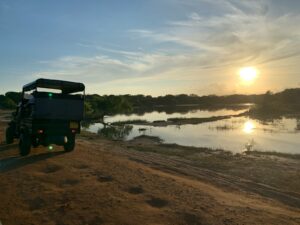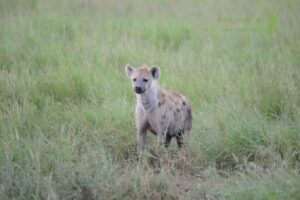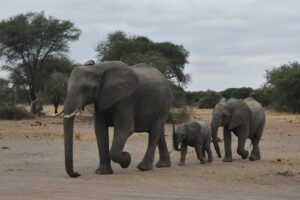
A Ngorongoro Crater safari offers one of the most rewarding wildlife experiences in Tanzania. Inside this enormous volcanic caldera, travelers can encounter lions, elephants, buffaloes, hippos, hyenas, zebras, wildebeest, and many other animals within a relatively compact area.
Ngorongoro Crater is part of the Ngorongoro Conservation Area in northern Tanzania. Unlike a traditional national park, this protected area allows wildlife and local Maasai communities to share the surrounding landscape. The combination of wildlife, scenery, culture, and geological history makes Ngorongoro an essential destination on many Tanzania safari itineraries.
This complete guide explains what to expect, when to visit, which animals you may see, how long you need, where to stay, and how to combine Ngorongoro with other famous destinations.
What Is Ngorongoro Crater?
Ngorongoro Crater is a vast volcanic caldera formed after a large volcano collapsed millions of years ago. Its floor covers approximately 260 square kilometres and is surrounded by steep crater walls.
The crater floor contains several different habitats, including:
- Open grasslands
- Acacia woodland
- Freshwater and alkaline lakes
- Swamps
- Natural springs
- Seasonal streams
These habitats provide food, water, and shelter for a remarkable concentration of wildlife. Although animals can move into and out of the crater, many remain there throughout the year because the ecosystem provides most of what they need.
The crater rim rises to more than 2,000 metres above sea level in some places. Temperatures around the rim can therefore be surprisingly cool, especially early in the morning and during the night.
Why Is Ngorongoro Crater Famous?
Ngorongoro Crater is famous for its beautiful scenery and high concentration of animals. Because the wildlife occupies a comparatively small area, visitors can often observe several species during a single game drive.
The crater is also one of Tanzania’s better-known locations for searching for the Big Five:
- Lion
- Leopard
- Elephant
- Buffalo
- Black rhinoceros
However, no animal sighting can be guaranteed. Wildlife moves freely, and sightings depend on weather, vegetation, animal behaviour, and luck. An experienced guide will use knowledge of the area and communication with other guides to improve your chances.
What Animals Can You See in Ngorongoro Crater?
Ngorongoro supports an impressive variety of mammals and birds. Some of the animals commonly seen on the crater floor include:
- Lions
- Spotted hyenas
- African buffaloes
- Wildebeest
- Zebras
- Hippos
- Thomson’s gazelles
- Grant’s gazelles
- Warthogs
- Jackals
- Elands
- Waterbucks
- Black-backed jackals
- African elephants
- Black rhinoceroses
The open grassland provides excellent conditions for observing grazing animals and the predators that follow them. Lions and hyenas are among the most frequently encountered large carnivores.
Leopards are present in the wider conservation area but are more difficult to see on the open crater floor. They prefer woodland and covered environments. Cheetahs can occasionally appear, although they are less commonly observed than lions or hyenas.
Giraffes are generally not found on the crater floor. The steep descent roads and limited availability of their preferred food are believed to make the crater less suitable for them. They can, however, be seen in other sections of the Ngorongoro Conservation Area.
Can You See Black Rhinos in Ngorongoro?
Ngorongoro Crater is one of Tanzania’s most important locations for black rhinoceros conservation. Travelers may have an opportunity to see one during a game drive, but sightings are never guaranteed.
Rhinos often remain at a distance from vehicles. Binoculars and a knowledgeable guide can be extremely helpful. Early morning conditions may also provide better visibility before heat, dust, and vehicle activity increase.
Visitors should remember that protecting the animals is more important than obtaining a close photograph. Guides must follow conservation rules and maintain an appropriate distance.
Is Ngorongoro Crater Good for Seeing the Big Five?
Ngorongoro is an excellent destination for searching for several members of the Big Five in one day. Buffaloes, lions, elephants, and black rhinos may all be encountered within or around the crater.
Leopards are usually the most difficult member of the Big Five to find here. Travelers hoping for a complete Big Five experience should consider combining Ngorongoro with Serengeti National Park, Tarangire National Park, or another wildlife area.
A safari should not be judged only by whether all five animals are seen. Ngorongoro also offers memorable encounters with hyenas, hippos, wildebeest, zebras, birds, and dramatic landscapes.
What Does a Ngorongoro Crater Safari Include?
A typical Ngorongoro safari begins early in the morning. Your guide drives from the accommodation to the crater entrance and then descends one of the designated roads to the crater floor.
The experience normally includes:
- Transportation in a 4×4 safari vehicle
- A professional safari guide
- Crater and conservation fees
- A game drive on the crater floor
- Drinking water
- A packed or hot lunch, depending on the arrangement
- Transfers according to the itinerary
Most game drives include time around the open plains, wetlands, woodland, and hippo areas. The precise route depends on wildlife movements, road conditions, weather, and information available to your guide.
After completing the game drive, the vehicle ascends the crater wall and continues to your accommodation or next destination.
How Long Is a Ngorongoro Crater Game Drive?
Most visitors spend approximately five to six hours exploring the crater floor. Entry and game-drive durations are controlled by conservation regulations, and your tour operator will organize the schedule accordingly.
A full morning and early afternoon are usually sufficient to explore the main wildlife areas. However, the complete excursion takes longer when transportation, gate procedures, descent, ascent, and lunch are included.
Starting early is highly recommended. Early morning visits can provide:
- Cooler temperatures
- Softer light for photography
- Greater predator activity
- Fewer vehicles during the first part of the drive
- More time to explore before leaving the crater
Travelers should stay near Karatu, the crater rim, or another nearby location if they want to descend early.
Can You Visit Ngorongoro Crater in One Day?
Yes. Ngorongoro Crater can be visited as a day trip, particularly when starting from Karatu or accommodation near the conservation area.
A day trip from Arusha is possible, but it involves a long drive in both directions. This can make the experience tiring and leave less flexibility for wildlife viewing.
A more comfortable arrangement is to spend the night in Karatu or near the crater before the game drive. You can then begin early, enjoy several hours inside the crater, and continue to Arusha or another park afterward.
How Many Days Do You Need for Ngorongoro?
One full crater game drive is enough for most travelers. However, the complete Ngorongoro region deserves more time if you also want to experience its scenery, culture, and archaeological sites.
A well-balanced visit may include:
- One night near the crater
- One full crater game drive
- An optional Maasai cultural visit
- Olduvai Gorge
- Empakaai Crater
- Olmoti Crater
- Highlands walking experiences
Travelers combining Ngorongoro with Serengeti and Tarangire usually include one crater day within a four- to seven-day northern Tanzania safari.
What Is the Best Time for a Ngorongoro Crater Safari?
Ngorongoro Crater can be visited throughout the year. The enclosed ecosystem provides permanent water and grazing areas, allowing many animals to remain in or around the crater during every season.
June to October
This is Tanzania’s main dry season. Vegetation is generally shorter, and animals may gather around dependable water sources. Wildlife can be easier to locate, although the crater may receive many visitors during this popular period.
Morning temperatures around the rim can be cold. Travelers should bring a warm jacket that can be removed later as temperatures rise.
November and December
Short rains may begin during this period. The landscape becomes greener, dust decreases, and photography conditions can be attractive. Rain normally comes in showers rather than continuing all day, although weather patterns are never completely predictable.
January and February
These months can provide warm conditions and productive wildlife viewing. They are also important for the wider southern Serengeti and Ndutu calving season. Ngorongoro can therefore be combined with a private Ndutu safari during the appropriate period.
March to May
This period usually receives heavier rainfall. The crater and surrounding highlands become lush and green. There may be fewer visitors, but some roads can become muddy, and cloud or mist may occasionally affect views from the rim.
Is the Rainy Season Suitable for Ngorongoro?
Yes. Wildlife remains present during the rainy season, and the green landscape can be exceptionally beautiful.
Advantages of a rainy-season safari may include:
- Greener scenery
- Dramatic skies
- Fewer safari vehicles
- Excellent birdwatching
- Attractive photographic backgrounds
- Potentially lower accommodation prices
Possible disadvantages include rain showers, muddy roads, cool mornings, and occasional mist around the crater rim. A proper 4×4 safari vehicle is essential.
Is Ngorongoro Crater Crowded?
Ngorongoro can become busy because it is one of Tanzania’s most popular wildlife destinations. Vehicle concentrations are most noticeable when predators or rhinos are spotted near accessible roads.
Visiting early can help you enjoy quieter conditions during the first hours of the morning. Traveling outside the busiest holiday periods may also reduce congestion.
Responsible guides avoid obstructing animals or surrounding them too closely. Guests should choose an operator that respects wildlife-viewing rules and conservation requirements.
Where Should You Stay for a Ngorongoro Safari?
Accommodation is available on the crater rim, within the wider conservation area, and around Karatu.
Crater-rim accommodation
Staying on the rim provides excellent access and, at selected properties, spectacular views into the crater. It can make an early descent easier. However, crater-rim lodges are usually more expensive.
Accommodation near the conservation area
Properties close to the entrance offer a balance between accessibility and cost. They may provide comfortable rooms, gardens, restaurants, and views of the surrounding highlands.
Karatu accommodation
Karatu is a popular base for Ngorongoro safaris. It offers budget, mid-range, and luxury accommodation. Driving time to the crater entrance must be included in the morning schedule, but Karatu often provides better value than staying directly on the rim.
Camping
Budget travelers may stay at public or private campsites in the surrounding region. Camping safaris generally include a tent, mattress, sleeping bag, meals, and assistance from a safari chef. Facilities are simpler than those found at lodges.
Is Ngorongoro Suitable for a Budget Safari?
Yes. Although conservation and crater fees make Ngorongoro relatively expensive, costs can be reduced by joining a shared safari, choosing camping, or staying in affordable accommodation around Karatu.
A shared safari normally allows several travelers to divide the cost of:
- The safari vehicle
- Fuel
- Guide services
- Some transportation expenses
- Camping or logistical support
Shared tours follow a fixed itinerary and schedule. A private safari costs more but provides greater flexibility and a vehicle dedicated entirely to your group.
Shared or Private Ngorongoro Safari: Which Is Better?
The right choice depends on your budget, group size, and travel style.
Shared safari
A shared safari is suitable for solo travelers, couples, and small groups looking to reduce costs. You join other travelers in the same vehicle and follow a predetermined itinerary.
Advantages include:
- Lower price per person
- Opportunity to meet other travelers
- Scheduled departures
- Access to the main wildlife areas
The main disadvantage is reduced flexibility. Departure times, stops, accommodation categories, and routes are arranged for the whole group.
Private safari
A private safari gives your party a dedicated vehicle and guide. It is particularly suitable for families, photographers, honeymooners, and travelers with specific interests.
Advantages include:
- Flexible departure times
- More control over wildlife stops
- Greater space in the vehicle
- Easier coordination for families
- Personalized accommodation and routing
- More time for photography when conditions permit
A private safari is usually more expensive, especially for one or two travelers. The price per person may become more reasonable for larger families or groups.
How Much Does a Ngorongoro Crater Safari Cost?
The total price depends on several factors:
- Number of travelers
- Shared or private vehicle
- Length of safari
- Accommodation category
- Season
- Starting and ending locations
- Park and conservation fees
- Extra activities
- Airport or hotel transfers
Budget camping tours are generally the most affordable. Mid-range safaris offer permanent rooms or tented camps with private facilities. Luxury safaris include premium accommodation, enhanced service, and sometimes crater views.
Travelers should compare what each quotation includes. A cheaper price may exclude transfers, accommodation before the safari, drinks, taxes, or essential conservation fees.
What Is Normally Included in the Price?
Inclusions vary between operators, but a complete package may cover:
- 4×4 safari vehicle
- Professional driver-guide
- Accommodation
- Meals during the safari
- Drinking water
- Park and conservation fees
- Ngorongoro crater service
- Government taxes
- Airport or hotel transfers
- Camping equipment and chef for camping tours
Items commonly excluded include:
- International flights
- Visa expenses
- Travel insurance
- Alcoholic beverages
- Personal purchases
- Optional activities
- Gratuities for the guide and safari staff
Always request a written list of inclusions and exclusions before confirming.
Can Children Visit Ngorongoro Crater?
Yes. Ngorongoro is a suitable safari destination for families. Its dense wildlife population means children may see many animals without spending several consecutive days driving through a large park.
Families should still prepare for an early start and several hours inside the vehicle. Parents can make the experience more comfortable by bringing:
- Warm clothing
- Sun protection
- Snacks where permitted
- Binoculars
- A camera
- Quiet activities for longer drives
- Any required medication
A private safari can be helpful for families because the daily schedule can be adjusted more easily. Accommodation policies for children vary, so family-room availability and child rates should be confirmed in advance.
Is Ngorongoro Good for Photography?
Ngorongoro offers excellent photographic opportunities because of its open landscapes and concentration of animals. The crater wall creates a distinctive background, while grasslands and wetlands provide different settings throughout the day.
Photography travelers should consider bringing:
- A telephoto lens
- A wider lens for landscapes
- Extra batteries
- Additional memory cards
- A dust-resistant camera bag
- A beanbag or stable camera support
- Lens-cleaning materials
- Binoculars
Wildlife sightings are unpredictable. Animals may be close to the road on one visit and far away on another. A private vehicle offers more control over positioning and the length of photography stops, although all vehicles must remain on authorized roads.
What Should You Wear in Ngorongoro?
Morning conditions can be cold, especially around the crater rim. Dressing in layers is the most practical approach.
Recommended clothing includes:
- Warm jacket or fleece
- Comfortable trousers
- Neutral-coloured shirt
- Closed shoes
- Sun hat
- Sunglasses
- Light rain jacket during wetter months
- Scarf for dust and cold air
As the day becomes warmer, outer layers can be removed. Bright clothing is not necessarily prohibited, but neutral colours are more practical for safari conditions.
Do You Need Binoculars?
Binoculars are highly recommended. Some animals, especially black rhinos, may remain far from the road. Binoculars also improve birdwatching and allow you to observe animal behaviour without needing to approach too closely.
Some safari vehicles provide binoculars, but availability should be confirmed with the operator. Bringing your own pair ensures that you can use them whenever needed.
Are There Toilets and Picnic Areas Inside the Crater?
There are designated areas where visitors can stop for lunch and use basic facilities. Your guide will organize stops according to the route, timing, and current regulations.
Travelers must follow instructions around picnic locations. Wild animals may be present nearby, and food should never be offered to them. Guests should not leave the designated area without guidance.
Can You Walk Inside Ngorongoro Crater?
Standard crater safaris are conducted by vehicle. Walking freely on the crater floor is not allowed because of wildlife and conservation regulations.
Guided walking experiences are available in selected parts of the wider Ngorongoro Conservation Area. These may include highland routes, Empakaai Crater, Olmoti Crater, or community areas. They require advance organization and may involve an authorized guide or ranger.
Can You Meet the Maasai in Ngorongoro?
The Ngorongoro Conservation Area is home to Maasai communities. Cultural visits can be included in some itineraries, allowing travelers to learn about local traditions, livestock, clothing, and daily life.
A responsible cultural experience should be respectful and transparent. Travelers should understand whether entrance contributions, guiding fees, photography arrangements, and community benefits are included.
Cultural visits should not treat local people as part of a wildlife attraction. Ask your operator to arrange an authentic and respectfully managed experience.
Can Ngorongoro Be Combined with Serengeti?
Yes. Ngorongoro and Serengeti are commonly combined because they are connected geographically and provide complementary experiences.
Ngorongoro offers concentrated wildlife viewing in a compact environment. Serengeti provides enormous plains, longer game drives, and seasonal migration experiences.
A popular route may include:
- Tarangire National Park
- Central Serengeti
- Ngorongoro highlands
- Ngorongoro Crater
Depending on the season, a private itinerary can also include Ndutu or Northern Serengeti.
Can Ngorongoro Be Combined with Tarangire?
Yes. Tarangire is an excellent addition, especially for travelers interested in elephants, baobab landscapes, and a different ecosystem.
The journey from Arusha to Tarangire is usually easier than driving directly to Serengeti. For this reason, many itineraries begin in Tarangire before continuing toward Ngorongoro and Serengeti.
A four-day itinerary could follow this general structure:
- Day 1: Arusha to Tarangire
- Day 2: Drive to Serengeti
- Day 3: Serengeti to the Ngorongoro area
- Day 4: Ngorongoro Crater and return to Arusha
The exact schedule depends on accommodation, entry times, road conditions, and whether the safari is shared or private.
Can You Combine Ngorongoro with Lake Manyara?
Yes. Lake Manyara is located close to the Ngorongoro highlands and can be included in a longer northern circuit itinerary.
The park is known for groundwater forest, birdlife, monkeys, elephants, and scenic views along the Rift Valley escarpment. Wildlife conditions vary seasonally, so Manyara is often included when travelers have at least five days available.
Example Ngorongoro Safari Itineraries
Two-day Tarangire and Ngorongoro safari
Day 1: Leave Arusha and travel to Tarangire for a game drive. Stay near Karatu or the Ngorongoro area.
Day 2: Descend into Ngorongoro Crater early in the morning. Enjoy a game drive and lunch before returning to Arusha.
This option is suitable for travelers with limited time.
Three-day Serengeti and Ngorongoro safari
Day 1: Travel from Arusha through the Ngorongoro highlands to Serengeti.
Day 2: Enjoy further wildlife viewing in Serengeti before driving toward the Ngorongoro area.
Day 3: Complete the Ngorongoro Crater game drive and return to Arusha.
This itinerary includes long driving hours but provides access to two iconic destinations.
Four-day northern circuit safari
Day 1: Tarangire National Park
Day 2: Central Serengeti
Day 3: Serengeti and transfer toward Ngorongoro
Day 4: Ngorongoro Crater and return to Arusha
This is one of the most popular shared and private safari routes.
Five-day northern Tanzania safari
Day 1: Tarangire
Day 2: Serengeti
Day 3: Full Serengeti experience
Day 4: Transfer to Ngorongoro area
Day 5: Ngorongoro Crater
The additional Serengeti day creates a more relaxed experience and provides more time for wildlife viewing.
Is a Ngorongoro Safari Worth It?
Yes. Ngorongoro is worth visiting for its wildlife concentration, dramatic scenery, black-rhino conservation value, and convenient position within Tanzania’s northern safari circuit.
It is especially suitable for:
- First-time safari travelers
- Families
- Couples and honeymooners
- Wildlife photographers
- Travelers with limited time
- Visitors combining several northern parks
- People hoping to search for the Big Five
The crater cannot guarantee particular sightings, but its combination of wildlife and scenery makes it one of Tanzania’s most memorable safari destinations.
Plan Your Ngorongoro Crater Safari
A well-designed Ngorongoro safari should consider your available time, budget, accommodation preference, arrival location, and the other parks you want to visit.
Kilipath African Safaris can arrange shared and private Ngorongoro experiences, including transportation in a 4×4 safari vehicle, professional guiding, accommodation, meals, conservation fees, and selected transfers.
Whether you are planning a short two-day adventure or a longer journey through Tarangire, Serengeti, and Ngorongoro, the itinerary should provide enough time for wildlife viewing without making every day feel rushed.
Contact Kilipath African Safaris with your travel dates, number of travelers, accommodation preference, and estimated budget to receive a personalized Ngorongoro safari itinerary.