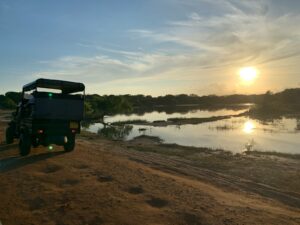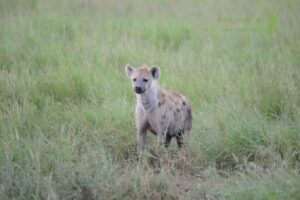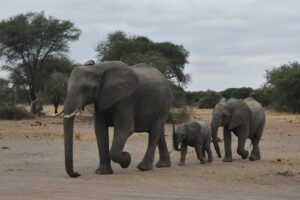
A top Nyerere National Park safari trip gives travelers an opportunity to explore one of Tanzania’s largest, wildest, and most peaceful protected areas. Located in southern Tanzania, Nyerere National Park is an excellent alternative to the country’s busier Northern Safari Circuit.
The park offers an attractive combination of traditional game drives, boat safaris on the Rufiji River, guided walking safaris, beautiful landscapes, and intimate wildlife encounters. Because visitor numbers are generally lower than in famous destinations such as Serengeti National Park and the Ngorongoro Crater, the experience can feel more private and unhurried.
Nyerere is particularly appealing to travelers who want to see wildlife without regularly meeting long lines of safari vehicles. Its network of rivers, lakes, woodlands, grasslands, and palm-fringed channels supports elephants, lions, hippos, crocodiles, giraffes, buffaloes, wild dogs, and hundreds of bird species.
This complete guide explains how to plan your Nyerere safari, when to travel, what animals you may see, how many days you need, where to stay, and how to combine the park with Zanzibar or other destinations in southern Tanzania.
Why Choose a Nyerere National Park Safari?
Nyerere National Park is suitable for travelers searching for a safari that feels natural, adventurous, and less crowded. While some parks are mainly explored through vehicle-based game drives, Nyerere offers several different ways to experience the wilderness.
The main reasons to choose Nyerere include:
- Excellent boat safaris along the Rufiji River
- Uncrowded game-viewing areas
- Strong populations of elephants and buffaloes
- Opportunities to search for African wild dogs
- Large numbers of hippos and crocodiles
- Traditional game drives in open safari vehicles
- Guided walking safaris in selected areas
- Convenient connections from Dar es Salaam and Zanzibar
- A wide choice of tented camps and safari lodges
- Beautiful sunsets over rivers and lakes
The park is especially valuable for returning safari travelers who have already visited northern Tanzania and want to experience a different environment. However, it is also a good choice for first-time visitors, particularly when combined with Mikumi National Park, Ruaha National Park, or a Zanzibar beach holiday.
Where Is Nyerere National Park?
Nyerere National Park is located in southern Tanzania. It forms an important part of the wider ecosystem historically associated with the Selous Game Reserve.
The Rufiji River is one of the defining geographical features of the park. This river and its surrounding channels, lakes, sandbanks, and floodplains create an environment that is very different from the open plains of the Serengeti.
Travelers usually reach Nyerere from:
- Dar es Salaam
- Zanzibar
- Mikumi National Park
- Ruaha National Park
- Udzungwa Mountains
- Other parks on Tanzania’s Southern Circuit
The park can be reached by road or domestic flight. Flying is the fastest and most comfortable option, while traveling overland can be more affordable and allows visitors to see rural landscapes along the way.
Is Nyerere the Same as Selous Game Reserve?
Nyerere National Park and Selous Game Reserve are closely connected, which can sometimes create confusion among travelers.
A large section of the former Selous Game Reserve was designated as Nyerere National Park. Many accommodations and tour descriptions may still use the word “Selous,” especially when referring to the broader ecosystem, established travel routes, or camps that were operating before the new national park designation.
When comparing safari packages, it is important to check the exact location of the accommodation and the areas included in the itinerary. A professional tour operator should clearly explain whether game activities take place inside the national park, in a neighboring wildlife area, or close to the park boundary.
What Makes Nyerere National Park Special?
Nyerere stands out because of its enormous wilderness, diverse habitats, and variety of safari activities.
The Rufiji River system is at the heart of the experience. Wildlife gathers around the river and connected lakes, especially when water becomes limited in the surrounding bush. Boat safaris offer a low-level view of animals along the riverbanks and provide excellent opportunities to observe hippos, crocodiles, waterbirds, and elephants.
Another major advantage is the feeling of space. In popular parks, several vehicles may gather around a lion or leopard sighting. In Nyerere, sightings are often quieter, allowing travelers more time to watch natural behavior.
The landscape changes continuously. A single game drive may pass through miombo woodland, open grassland, acacia areas, riverine forest, lakes, and palm-lined channels. This variety makes the park especially rewarding for wildlife photographers.
What Wildlife Can You See in Nyerere National Park?
Nyerere National Park supports an impressive variety of African wildlife. Sightings cannot be guaranteed because the animals move freely through a very large ecosystem, but experienced guides understand seasonal wildlife movements and the habitats favored by different species.
Animals commonly searched for during a Nyerere safari include:
- African elephants
- Cape buffaloes
- Lions
- Giraffes
- Zebras
- Wildebeest
- Hippos
- Nile crocodiles
- Impalas
- Waterbucks
- Greater kudus
- Elands
- Warthogs
- Baboons
- Vervet monkeys
- Hyenas
- African wild dogs
The park is also home to leopards, although they can be difficult to find because they are secretive and often rest in trees or dense vegetation.
Can You See the Big Five in Nyerere?
Nyerere offers opportunities to see several members of the Big Five, particularly lions, elephants, buffaloes, and leopards. However, travelers should not select the park solely to complete a Big Five checklist.
The real strength of Nyerere is its broad wilderness experience. The park is ideal for observing river animals, predator-prey interactions, elephants in natural surroundings, large buffalo herds, and many species that thrive in southern Tanzania.
Travelers whose highest priority is seeing all five famous animals during one trip may consider combining Nyerere with another suitable destination. Nevertheless, those who appreciate landscapes, animal behavior, and varied activities often find Nyerere extremely rewarding.
Are African Wild Dogs Found in Nyerere?
African wild dogs are among Nyerere’s most exciting wildlife attractions. These highly social predators live and hunt in packs, covering large distances as they search for prey.
Finding wild dogs is never guaranteed because their movements can be unpredictable. They may travel far from known locations within a short period. Their large territories also make them more challenging to track than resident lion prides.
An experienced guide may look for fresh tracks, listen to information from other guides, and search in habitats where wild dogs have recently been active. When a pack is located, the sighting can become one of the most memorable moments of the entire safari.
Wild dogs are fascinating because of their cooperative behavior. They communicate, hunt, feed, and care for younger pack members as a group. Observing these interactions provides a wildlife experience that is very different from watching solitary predators.
What Is a Boat Safari in Nyerere Like?
A boat safari on the Rufiji River is one of the best reasons to visit Nyerere National Park. Instead of observing wildlife only from a vehicle, travelers board a suitable safari boat and explore the river, channels, or connected lakes.
During the excursion, you may see:
- Hippos resting or moving through the water
- Crocodiles sunbathing along the banks
- Elephants coming to drink
- Monitor lizards near the shoreline
- Monkeys in riverside trees
- Colorful kingfishers
- Fish eagles
- Herons and storks
- Animals crossing or approaching the water
Boat safaris are often arranged in the late afternoon when temperatures become cooler and the light is softer. This timing can create excellent conditions for photography and sunset views.
The boat remains at a safe distance from wildlife, particularly hippos and crocodiles. Guests should always follow the guide’s instructions, remain seated when requested, and avoid sudden movements.
A boat safari is not simply a transportation activity. It offers an entirely different perspective of the ecosystem. From the water, travelers can appreciate how deeply the Rufiji River influences wildlife distribution, vegetation, and daily animal behavior.
Are Walking Safaris Available in Nyerere?
Guided walking safaris may be offered in approved areas and under appropriate safety arrangements. A walking safari focuses less on covering long distances and more on understanding details that are easily missed from a vehicle.
During a walk, the guide may explain:
- Animal tracks
- Droppings and territorial markings
- Medicinal plants
- Insects and smaller creatures
- Bird calls
- Trees and vegetation
- Animal behavior
- Ecosystem relationships
- Bush survival knowledge
Walking safaris are usually conducted during the cooler hours of the morning. Participants must listen carefully to the guide and follow all safety instructions.
This activity may not be suitable for every visitor. Age restrictions, fitness requirements, weather, park regulations, and the presence of wildlife may affect availability. Travelers interested in walking should mention it while planning so that the operator can confirm whether it can be included.
What Are Game Drives Like in Nyerere?
Game drives remain the main wildlife-viewing activity in Nyerere National Park. Guests normally travel in a safari vehicle with an experienced guide who searches for animals and explains the surrounding environment.
Morning game drives are excellent because wildlife is often more active before the temperature rises. Predators may still be moving after hunting during the night, while herbivores gather near open areas and water sources.
Afternoon game drives provide different lighting and behavior. Elephants may approach the river, animals may emerge from shade, and predators may begin preparing for evening activity.
A full-day game drive allows travelers to explore areas farther from camp. Lunch may be served at an approved picnic site, depending on the itinerary. Full-day drives are good for serious wildlife enthusiasts, while shorter morning and afternoon drives give guests time to rest at the lodge.
The quality of the experience depends on more than simply finding animals. A knowledgeable guide will position the vehicle responsibly, explain behavior, avoid disturbing wildlife, and provide enough time for guests to observe and photograph each sighting.
When Is the Best Time for a Nyerere Safari?
The best time for a Nyerere National Park safari depends on the traveler’s priorities.
June to October: Dry Season
The dry season is generally considered the most convenient period for wildlife viewing. As seasonal water sources become limited, animals gather near the Rufiji River, lakes, and remaining waterholes.
Vegetation may also become thinner, improving visibility in many areas. Roads are normally easier to use, although conditions can still vary.
Advantages of traveling during the dry season include:
- Wildlife concentrated near water
- Reduced vegetation in some areas
- Comfortable conditions for game drives
- Lower rainfall
- Good chances of seeing elephants, buffaloes, and predators
- Attractive river-based wildlife viewing
July, August, September, and October are popular months, so early accommodation reservations are strongly recommended.
November to March: Green Season
The green season transforms the landscape. Rain brings fresh vegetation, fuller water sources, colorful scenery, and excellent birdlife.
This period can be especially attractive to photographers because of the dramatic skies and rich natural colors. There may also be fewer visitors than during the peak dry-season months.
Advantages of the green season include:
- Lush scenery
- Excellent birdwatching
- Fewer safari vehicles
- Beautiful photographic conditions
- Possible seasonal accommodation offers
- Young animals and active ecosystems
However, rain may affect road conditions and the scheduling of some activities. Wildlife can also spread across a wider area because water becomes more available.
April and May: Heavy Rain Period
April and May are commonly associated with heavier rainfall. Some camps may close temporarily, and certain tracks may become difficult to use.
This does not mean that travel is always impossible, but planning requires greater flexibility. Before booking, confirm that the preferred accommodation, access route, and activities are operating.
How Many Days Do You Need in Nyerere?
Most travelers need between three and five days for a satisfying Nyerere safari. The correct duration depends on transportation, budget, and desired activities.
Two-Day Nyerere Safari
A two-day trip is possible, particularly with flights from Zanzibar or Dar es Salaam. However, it is relatively short.
Travel time, arrival procedures, and departure schedules reduce the hours available for activities. A two-day itinerary can introduce the park, but it may feel rushed if you want both game drives and a boat safari.
Three-Day Nyerere Safari
Three days is a practical minimum for many visitors. It normally provides enough time for several game drives and at least one river activity, depending on flight schedules and accommodation arrangements.
A typical three-day program may include:
- Arrival and afternoon boat safari
- Full-day game drive
- Morning activity and departure
Four-Day Nyerere Safari
Four days offers a more balanced experience. Travelers can enjoy game drives without rushing and may have time for both boat and walking activities.
This duration is particularly good for photographers, couples, families, and first-time safari guests.
Five-Day Nyerere Safari
Five days allows more thorough exploration. It gives the guide time to search different habitats and increases the possibility of finding less predictable animals such as wild dogs and leopards.
A longer trip is not only about increasing the number of sightings. It also creates a slower and more enjoyable rhythm, with enough time to appreciate the lodge, river, scenery, and smaller details of the ecosystem.
Sample Three-Day Nyerere Safari Itinerary
Day 1: Arrival and Rufiji River Boat Safari
Travel from Dar es Salaam or Zanzibar to the Nyerere area by road or domestic flight. After arrival, meet your guide and continue to the lodge or camp.
Following lunch and a short rest, begin a boat safari on the Rufiji River. Search for hippos, crocodiles, elephants, and waterbirds while enjoying the late-afternoon scenery.
Return to the accommodation for dinner and overnight.
Day 2: Full-Day Game Drive
After an early breakfast, enter the main wildlife-viewing area for a full-day game drive. Explore woodlands, grasslands, lakes, and riverine habitats.
Your guide will search for lions, elephants, buffaloes, giraffes, wild dogs, antelopes, and other wildlife. Lunch may be enjoyed at an approved picnic location.
Continue the game drive in the afternoon before returning to the lodge for dinner.
Day 3: Morning Activity and Departure
Begin the day with a short game drive or guided nature activity, depending on the lodge program and departure schedule.
After breakfast, return to the airstrip for your flight or begin the road journey to Dar es Salaam, Zanzibar, or the next destination.
Sample Four-Day Nyerere Safari Itinerary
Day 1: Transfer to Nyerere
Depart from Dar es Salaam by road or fly from Dar es Salaam or Zanzibar. Arrive at the lodge, receive a briefing, and settle into your accommodation.
If time permits, enjoy an introductory game drive or sunset boat safari.
Day 2: Full-Day Wildlife Safari
Spend the day exploring the park by safari vehicle. Search near rivers, lakes, open plains, and wooded areas where animals gather.
The longer game drive provides time to visit different habitats without needing to rush between sightings.
Day 3: Game Drive and Boat Safari
Enjoy a morning game drive when wildlife is active. Return to the lodge for lunch and rest during the warmest part of the day.
Later, take a boat safari along the Rufiji River. Watch hippos, crocodiles, and birds as the sun begins to set.
Day 4: Walking Safari and Departure
If available and suitable, begin with an early guided walking safari. Learn about tracks, plants, insects, and the smaller signs of the bush.
Return for breakfast before traveling to the airstrip or beginning the drive to your next destination.
Can You Visit Nyerere from Zanzibar?
Yes. Combining Zanzibar with Nyerere National Park is one of the most attractive safari-and-beach arrangements in Tanzania.
Domestic flights may connect Zanzibar with airstrips serving the Nyerere area. This reduces travel time and makes short fly-in safaris possible.
A common holiday combination includes:
- Arrival in Zanzibar
- Beach holiday or Stone Town visit
- Flight to Nyerere
- Three or four days of safari activities
- Return flight to Zanzibar
Travelers can also complete their safari first and relax in Zanzibar afterward. This order is popular because the beach portion provides time to rest after early game drives and active safari days.
Flight schedules can vary by season and date. Always allow enough time between domestic and international flights. Separate tickets may not protect you if an earlier flight is delayed.
Can You Drive from Dar es Salaam to Nyerere?
Yes, road safaris from Dar es Salaam can be arranged. The exact travel time depends on the departure point, traffic, road conditions, weather, chosen gate, and location of the accommodation.
An overland journey can be less expensive than flying, particularly for couples, families, or private groups sharing the vehicle cost. It also provides a chance to see villages and landscapes beyond the major tourism centers.
However, travelers should be prepared for a long journey and some rough sections. If comfort and time are priorities, flying is often the better option.
When comparing a road package with a fly-in package, consider:
- Total hours spent traveling
- Number of safari days
- Vehicle comfort
- Flight baggage restrictions
- Group size
- Accommodation location
- Overall cost rather than transport cost alone
Fly-In Safari or Road Safari: Which Is Better?
Neither option is universally better. The right choice depends on the traveler.
| Factor | Fly-In Safari | Road Safari |
|---|---|---|
| Travel time | Shorter | Longer |
| Cost | Usually higher | Often more affordable |
| Comfort | Convenient | Some rough road sections |
| Baggage | Restricted | More flexible |
| Scenery | Aerial views | Rural landscapes |
| Best for | Short holidays | Flexible itineraries |
| Zanzibar combination | Very convenient | Requires extra planning |
A fly-in safari is ideal for travelers with limited time or those combining Nyerere with Zanzibar. A road safari is suitable for guests who want a broader Southern Circuit journey or prefer to keep costs manageable.
Where Can You Stay in Nyerere?
Accommodation options include tented camps, safari lodges, and luxury camps. Some are located inside the park, while others are near the boundary or river.
Budget Accommodation
Budget accommodations focus on essential comfort and affordability. Facilities may be simpler, and the property may be located outside the central wildlife-viewing area.
Before booking, confirm whether the package includes:
- Park entrance fees
- Transfers to the park
- Game-drive vehicle
- Meals
- Drinking water
- Boat safari
- Walking safari
- Government taxes
A low room rate does not always mean the full safari will be inexpensive if important activities and transfers are charged separately.
Mid-Range Tented Camps
Mid-range tented camps offer a comfortable balance between nature and convenience. Rooms are often built as permanent or semi-permanent safari tents with proper beds and private bathrooms.
They may include:
- En-suite bathroom
- Hot shower
- Mosquito net
- Restaurant or dining tent
- Lounge
- River or bush views
- Charging facilities
- Organized safari activities
These camps are popular with couples, families, and travelers who want comfort without selecting the most expensive luxury category.
Luxury Safari Camps
Luxury camps may provide spacious suites, private decks, swimming pools, premium dining, personalized service, and highly flexible activities.
The higher price often reflects not only the room but also the camp’s remote location, staff-to-guest ratio, transportation logistics, and level of exclusivity.
When choosing a luxury camp, study the full inclusion list. Some properties sell all-inclusive packages, while others charge activities, park fees, drinks, or transfers separately.
How Much Does a Nyerere Safari Cost?
The price of a Nyerere safari varies considerably. The largest factors include:
- Number of safari days
- Private or shared arrangement
- Road or air transport
- Accommodation category
- Season
- Number of travelers
- Park fees
- Included activities
- Domestic flight prices
- Departure city
- Single-room supplements
A road-based group safari is generally more affordable than a private fly-in luxury safari. Traveling with two or more people can reduce the per-person cost because vehicle and guide expenses are shared.
When comparing quotations, do not look only at the final total. Check whether each offer includes the same services.
A complete quote may include:
- Accommodation
- Meals during the safari
- Professional guide
- Safari vehicle
- Park entrance fees
- Conservation fees
- Boat safari
- Domestic flights
- Airport transfers
- Drinking water
- Government taxes
Possible exclusions include:
- International flights
- Visa fees
- Travel insurance
- Tips
- Alcoholic drinks
- Personal purchases
- Laundry
- Optional activities
- Medical expenses
Is a Private or Shared Nyerere Safari Better?
A private safari provides a vehicle and guide exclusively for your booking. It offers more flexibility for photographers, families, honeymooners, and travelers with specific wildlife interests.
Advantages of a private safari include:
- Flexible departure times
- More control over the daily schedule
- Private use of the vehicle
- Easier photography
- More luggage flexibility
- Ability to spend longer at preferred sightings
- Better adaptation to children or older travelers
A shared safari can reduce the cost because guests share the vehicle with other travelers. However, the itinerary is normally fixed, and everyone must cooperate regarding departure times and the length of sightings.
Before choosing a shared trip, ask about:
- Maximum number of passengers
- Guaranteed window seating
- Accommodation category
- Luggage limits
- Languages spoken by the guide
- Exact joining and leaving points
- Whether all travelers follow the same itinerary
Is Nyerere Suitable for Families?
Nyerere can be an excellent family destination, especially for children interested in animals, rivers, birds, and outdoor activities.
A private safari is often the easiest arrangement because parents can control the pace. The guide can include breaks when needed and avoid excessively long game drives.
Families should consider:
- Minimum ages for walking safaris
- Boat-safari safety rules
- Swimming-pool supervision
- Travel distances
- Malaria precautions
- Family-room availability
- Children’s meal requirements
- Quiet behavior around wildlife
- Camp rules after dark
Some unfenced camps may have wild animals moving nearby. Guests are therefore escorted between rooms and common areas after sunset. Parents must ensure that children follow staff instructions at all times.
Is Nyerere Good for a Honeymoon?
Yes. Nyerere is one of Tanzania’s attractive honeymoon destinations because it combines privacy, wilderness, and varied activities.
Couples can enjoy:
- Private game drives
- Romantic river sunsets
- Intimate tented camps
- Bush breakfasts
- Private dinners where available
- Safari followed by Zanzibar
- Peaceful surroundings
- Luxury accommodation upgrades
When booking, tell the operator that the trip is a honeymoon. The lodge may arrange a room decoration, cake, private dinner, or another small surprise, depending on availability and policy.
Is Nyerere Good for Wildlife Photography?
Nyerere offers excellent photographic opportunities because of its varied landscapes and lower vehicle density.
Boat safaris provide unusual angles for photographing hippos, crocodiles, elephants, and birds. Game drives can produce beautiful images of animals framed by woodland, lakes, palm trees, and river channels.
Photographers should consider a private vehicle because it provides more control over positioning and timing.
Useful equipment may include:
- Camera body with reliable autofocus
- Telephoto lens
- Mid-range zoom lens
- Wide-angle lens for landscapes
- Spare batteries
- Extra memory cards
- Dust protection
- Lens-cleaning equipment
- Beanbag for vehicle support
- Waterproof cover during the green season
Wildlife remains unpredictable. Guides make every reasonable effort to find animals, but no operator can guarantee a particular species, behavior, or photographic scene.
What Birds Can Be Seen in Nyerere?
Nyerere is a rewarding destination for birdwatchers because it contains rivers, lakes, grasslands, woodlands, and forested areas.
Travelers may search for:
- African fish eagles
- Malachite kingfishers
- Pied kingfishers
- Bee-eaters
- Herons
- Egrets
- Storks
- Hornbills
- Rollers
- Vultures
- Eagles
- Waders
- Waterfowl
The green season is especially appealing for birdwatching because seasonal visitors may be present, vegetation is fresh, and many species display active breeding behavior.
A private safari is recommended for dedicated birders. It allows the guide to stop for smaller species that other guests may not prioritize.
What Should You Pack for Nyerere?
Pack light, comfortable clothing in neutral colors such as beige, khaki, brown, or olive green.
Recommended items include:
- Lightweight long trousers
- Short- and long-sleeved shirts
- Warm layer for early mornings
- Comfortable closed shoes
- Sandals for the lodge
- Sun hat
- Sunglasses
- Sunscreen
- Insect repellent
- Binoculars
- Camera
- Spare batteries
- Personal medication
- Small first-aid items
- Reusable water bottle
- Passport and travel documents
- Soft-sided travel bag
Avoid very bright colors during wildlife activities. Dark blue and black clothing may also attract some biting insects in certain environments.
Domestic flights often have stricter baggage limits than international flights. Soft bags are easier to load into small aircraft and safari vehicles than hard suitcases.
Is Nyerere National Park Safe?
Nyerere is generally safe when guests travel with licensed professionals and follow park and camp rules.
Wild animals are unpredictable, so visitors must never approach them without permission. Do not leave the vehicle unless the guide says it is safe. At unfenced camps, use the provided escort after dark.
Other important precautions include:
- Keep hands inside the boat when instructed
- Never feed wildlife
- Do not walk alone in wildlife areas
- Follow the guide’s directions immediately
- Store food correctly
- Drink safe water
- Use sun protection
- Discuss malaria prevention with a qualified medical professional
- Purchase comprehensive travel insurance
Travel insurance should cover medical treatment, evacuation, cancellation, delayed flights, and lost luggage.
Can Nyerere Be Combined with Other Parks?
Yes. Nyerere is part of Tanzania’s Southern Safari Circuit and can be combined with several other destinations.
Nyerere and Mikumi
This combination is suitable for an overland safari from Dar es Salaam. Mikumi has open landscapes and relatively accessible wildlife viewing, while Nyerere adds rivers, boat activities, and a deeper wilderness atmosphere.
Nyerere and Ruaha
Combining Nyerere with Ruaha creates an outstanding southern Tanzania safari. Ruaha is famous for its rugged landscapes, predator populations, elephants, and baobab trees.
Flying between the parks saves time and is ideal for travelers seeking a premium wildlife-focused itinerary.
Nyerere and Udzungwa Mountains
Udzungwa adds hiking, forests, waterfalls, and primate experiences. It creates a more active itinerary for travelers who want to combine game viewing with walking in a mountain environment.
Nyerere and Zanzibar
This is one of the easiest and most popular combinations. Visitors enjoy a wilderness safari followed by swimming, beach relaxation, cultural experiences, and seafood in Zanzibar.
Nyerere or Serengeti: Which Should You Choose?
Both parks are excellent, but they offer different experiences.
| Nyerere National Park | Serengeti National Park |
|---|---|
| Famous for Rufiji River | Famous for open plains |
| Boat safaris available | Mainly vehicle-based safaris |
| Generally fewer vehicles | Busier in popular seasons |
| Strong Southern Circuit identity | Central Northern Circuit destination |
| Wild dogs are a major attraction | Great Migration is a major attraction |
| Easy to combine with Zanzibar | Easy to combine with Ngorongoro |
| River and woodland landscapes | Grassland and savannah landscapes |
Choose Serengeti if the Great Migration and classic open plains are your highest priorities. Choose Nyerere if you want boat safaris, quieter wildlife viewing, rivers, and a more remote southern experience.
Travelers with enough time can visit both, but the distance normally makes domestic flights the most practical connection.
Responsible Safari Travel in Nyerere
Responsible tourism helps protect wildlife and supports communities connected to conservation.
Travelers can reduce their impact by:
- Following park rules
- Avoiding litter
- Carrying a reusable water bottle
- Never asking guides to drive too close to animals
- Keeping noise low at sightings
- Respecting lodge staff and local communities
- Avoiding wildlife products
- Selecting responsible operators
- Conserving water
- Avoiding unnecessary plastic
- Purchasing authentic local crafts
A good wildlife sighting should never come at the cost of animal welfare. Responsible guides maintain a suitable distance, avoid blocking animals, and do not pressure wildlife to move for photographs.
A top Nyerere National Park safari trip is ideal for travelers seeking wildlife, beautiful river environments, varied safari activities, and a quieter sense of adventure. The park’s attraction extends beyond a checklist of famous animals. Its real value lies in exploring a vast ecosystem where rivers, lakes, woodlands, and grasslands support an extraordinary variety of life.
For the best experience, allow at least three or four days, select accommodation according to its actual location, and include both a game drive and Rufiji River boat safari. Travelers with additional time can combine Nyerere with Ruaha, Mikumi, Udzungwa, or Zanzibar.
Whether you are planning a family holiday, honeymoon, photography expedition, private safari, or short escape from Zanzibar, Nyerere offers a distinctive introduction to southern Tanzania’s wilderness. With thoughtful planning and an experienced guide, it can become one of the most peaceful and memorable parts of your African journey.