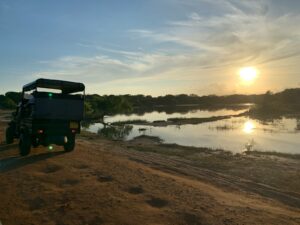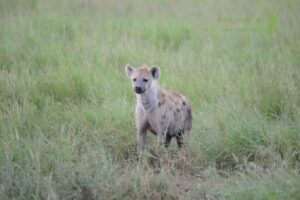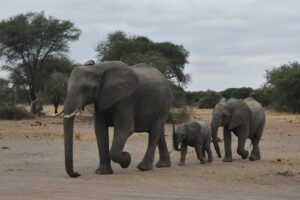
A Ruaha safari offers a wonderfully wild experience in one of Tanzania’s largest and least crowded national parks. Located in southern Tanzania, Ruaha National Park is known for its dramatic landscapes, large elephant herds, impressive predators and peaceful game-viewing areas.
Unlike the busier parks of Tanzania’s Northern Safari Circuit, Ruaha provides a more remote and exclusive atmosphere. Visitors can spend long periods watching animals without being surrounded by numerous safari vehicles. This makes Ruaha especially suitable for travelers looking for privacy, wilderness, photography and authentic wildlife encounters.
This complete guide explains what to expect from a Ruaha safari, the animals you may see, the best time to travel, accommodation options, suggested safari length and answers to frequently asked questions.
Why Choose a Ruaha Safari?
Ruaha National Park is an excellent destination for travelers who want to experience a quieter and more adventurous side of Tanzania. The park forms an important part of the wider Ruaha–Rungwa ecosystem, an enormous wilderness area supporting a remarkable variety of animals.
One of the greatest attractions of Ruaha is its sense of isolation. Its remote location means it receives fewer visitors than Serengeti, Ngorongoro or Tarangire. Although reaching the park requires additional planning, the reward is an uncrowded safari with beautiful scenery and excellent wildlife-viewing opportunities.
A Ruaha safari is particularly suitable for:
- Wildlife photographers
- Couples and honeymooners
- Experienced safari travelers
- Travelers looking for fewer vehicles
- Visitors interested in predators
- Birdwatchers
- Families seeking a private safari
- Travelers combining Ruaha with Nyerere National Park
What Makes the Ruaha Safari Experience Special?
Ruaha presents a combination of wildlife, scenery and solitude that is difficult to find in more heavily visited destinations. Its landscape includes open plains, seasonal rivers, rocky hills, baobab trees and woodland.
The Great Ruaha River is one of the park’s most important geographical features. During the dry season, animals gather near the river and other remaining water sources. This creates excellent opportunities to observe elephants, antelopes, giraffes, buffaloes and predators.
The park is also located where eastern and southern African ecosystems meet. As a result, visitors can encounter wildlife species associated with different regions of the continent.
Every game drive feels like an exploration. Wildlife sightings are never guaranteed because the animals move naturally throughout the ecosystem, but experienced guides use tracks, sounds, recent sightings and knowledge of the landscape to locate them.
Wildlife You Can See in Ruaha National Park
Ruaha National Park supports an impressive concentration of wildlife. The park is especially famous for elephants and predators, although every safari day offers something different.
Elephants
Ruaha is widely known for its elephant population. Visitors may see individual bulls, small family groups or larger herds moving between woodland and water sources.
Watching elephants interact is one of the most memorable Ruaha experiences. They may be seen drinking, bathing, feeding, protecting their young or walking beneath ancient baobab trees.
Lions
Ruaha is an important lion habitat. Its large wilderness and healthy prey populations help support numerous prides.
Lions may be found resting beneath trees, walking along dry riverbeds or watching herds from a distance. Early morning and late afternoon game drives often provide better opportunities to observe active predators because temperatures are cooler.
Leopards
Leopards are naturally secretive, but Ruaha’s woodland, river areas and rocky terrain provide suitable habitats for them. A patient guide may search for tracks, alarm calls or animals resting in trees.
Seeing a leopard is never guaranteed, which makes every successful sighting particularly exciting.
African Wild Dogs
Ruaha is one of Tanzania’s important habitats for endangered African wild dogs. These highly social predators live and hunt in packs.
Wild dogs travel across large territories, so locating them can require patience and luck. Visitors fortunate enough to see a pack may observe fascinating communication, hunting or family behavior.
Cheetahs
Cheetahs can sometimes be found in Ruaha’s more open landscapes. They prefer areas where they can use their speed to hunt smaller antelopes.
They are generally less commonly seen than lions, but their presence adds to Ruaha’s impressive predator diversity.
Buffaloes, Giraffes and Antelopes
Ruaha supports buffaloes, giraffes, zebras, impalas, greater kudus, waterbucks and several other antelope species. Greater kudu sightings are especially appreciated because of the males’ magnificent spiral-shaped horns.
During the dry months, different animals may gather around remaining sources of water, creating busy and rewarding viewing locations.
Is Ruaha a Big Five Safari Destination?
Ruaha offers opportunities to see lions, leopards, elephants and buffaloes. However, it is not usually promoted as a complete Big Five destination because rhinos are not normally part of the standard visitor experience.
Travelers should therefore choose Ruaha for its wilderness, predator sightings, elephants, landscapes and exclusivity rather than only for completing a Big Five checklist.
For visitors whose main objective is to see the Big Five, Ruaha can be combined with another suitable Tanzanian destination.
Birdwatching in Ruaha
Ruaha is an outstanding destination for birdwatchers. The mixture of riverine vegetation, woodland, open plains, rocky areas and seasonal wetlands creates habitats for hundreds of bird species.
Depending on the season and area visited, travelers may see:
- Hornbills
- Bee-eaters
- Kingfishers
- Eagles
- Vultures
- Storks
- Herons
- Rollers
- Sunbirds
- Waterbirds
- Migratory species
The greener months can be especially rewarding for bird photography because of seasonal visitors, breeding activity and colorful vegetation.
A private safari is recommended for serious birdwatchers. It allows the guide to stop for longer periods without following a fixed group schedule.
Best Time for a Ruaha Safari
Ruaha can be visited during different seasons, but the experience changes throughout the year. The best time depends on whether your priority is concentrated wildlife, green scenery, birdwatching, photography or lower visitor numbers.
Dry Season
The dry season generally provides some of Ruaha’s most reliable wildlife viewing. As surface water becomes limited, animals move closer to the Great Ruaha River and other remaining water sources.
Vegetation becomes thinner, making some animals easier to spot. Roads are also generally easier to navigate during the dry months.
The dry season is particularly suitable for travelers interested in:
- Large mammals
- Predator activity
- Elephant sightings
- Clear photography
- Easier road conditions
- Concentrated wildlife near water
Later in the dry season, the landscape may become dusty and brown. However, this dramatic appearance is part of Ruaha’s wild character.
Green Season
During the wetter months, Ruaha becomes greener and more colorful. The landscape is beautiful, young animals may be present and birdlife can be excellent.
Wildlife remains in the park, but animals may spread across a wider area because water is more available. Thick vegetation can also make certain animals more difficult to locate.
The green season may appeal to travelers who want:
- Lush scenery
- Birdwatching
- Dramatic skies
- Fewer visitors
- Seasonal photography
- A quieter atmosphere
Some camps may operate seasonally, and road conditions can become challenging after heavy rainfall. It is therefore important to confirm accommodation availability and transportation arrangements before booking.
How Many Days Do You Need in Ruaha?
A minimum of three nights is recommended for a meaningful Ruaha safari, especially when flying into the park. Four or five nights provide a more relaxed experience and allow visitors to explore different wildlife areas.
Two Nights
Two nights may work for travelers with very limited time, but the experience can feel short. Arrival and departure logistics may reduce the available time for game drives.
Three Nights
Three nights provide a better introduction to Ruaha. Visitors can normally enjoy several game drives and explore more than one section near their accommodation.
Four to Five Nights
Four or five nights are ideal for wildlife lovers and photographers. The additional time allows for patient sightings, full-day exploration and a slower safari schedule.
Six Nights or More
Longer stays are suitable for experienced safari travelers, filmmakers, birdwatchers and photographers who want to understand the park more deeply.
Activities Available on a Ruaha Safari
Morning Game Drives
Morning game drives usually begin early, when temperatures are cooler and many animals are more active. This is a good time to search for predators and observe the landscape in soft morning light.
Breakfast may be taken at the lodge before departure or packed as part of a longer game drive, depending on the accommodation and itinerary.
Afternoon Game Drives
Afternoon drives normally begin after lunch and continue toward sunset. Animals often become more active as the heat decreases.
The warm light during the late afternoon is excellent for photography, particularly around rivers, baobab trees and open plains.
Full-Day Game Drives
A full-day game drive allows visitors to travel farther from the camp and explore different habitats. A packed breakfast or lunch can be arranged so that the day is not interrupted by returning to the lodge.
Full-day drives are particularly valuable in a large park like Ruaha because wildlife may be spread across considerable distances.
Walking Safaris
Selected camps may offer guided walking safaris. These walks provide a different perspective by focusing on tracks, plants, insects, animal behavior and smaller details often missed from a vehicle.
Walking safaris are led by qualified personnel and depend on location, weather, park rules and safety conditions. They should always be arranged in advance.
Night Game Drives
Night drives may be available in certain approved arrangements or designated areas. They create opportunities to search for nocturnal wildlife that is rarely seen during daytime drives.
Availability must be confirmed because night-driving rules and operating permissions may change.
Ruaha Safari Accommodation
Ruaha offers different accommodation styles, including comfortable tented camps, intimate bush camps and luxury safari properties.
Tented Camps
Tented camps combine the atmosphere of camping with comfortable facilities. Depending on the property, a safari tent may include:
- A proper bed
- Private bathroom
- Hot shower
- Solar electricity
- Charging facilities
- Veranda
- Mosquito net
- Views over the bush or river
Guests can hear the sounds of nature at night while remaining in a secure and comfortable environment.
Luxury Safari Camps
Luxury camps provide a higher level of comfort, personalized service, stylish rooms and carefully prepared meals. Some may also include private plunge pools, spa services or exclusive activities.
These camps are suitable for honeymooners and travelers celebrating special occasions.
Seasonal Bush Camps
Some small camps operate only during particular months and may move or close depending on weather and road conditions. They often provide an intimate safari experience with a limited number of guests.
When choosing accommodation, consider its location as well as its level of luxury. Staying in a productive wildlife area can reduce driving time and improve the overall safari experience.
Flying Versus Driving to Ruaha
Flying to Ruaha
Flying is the most convenient option for many travelers. Scheduled light-aircraft services may connect Ruaha with Dar es Salaam, Zanzibar or other safari destinations, depending on the season and current flight schedule.
Advantages of flying include:
- Shorter travel time
- More time inside the park
- Comfortable access to remote camps
- Easier combination with Zanzibar or Nyerere
Light aircraft have strict luggage limitations, so travelers are usually advised to use soft-sided bags instead of hard suitcases.
Driving to Ruaha
Traveling overland can be more economical for certain private itineraries and provides an opportunity to see the countryside. However, the journey is long and road conditions can vary.
An overland itinerary should include enough time to avoid spending most of the safari traveling. Breaking the journey with an overnight stop may make the trip more comfortable.
Ruaha and Nyerere Safari Combination
Ruaha National Park can be combined with Nyerere National Park for a comprehensive Southern Tanzania safari.
Ruaha is particularly known for its rugged landscapes, elephants and predators. Nyerere adds different scenery and the possibility of activities such as boat safaris in permitted areas.
A combined itinerary may include:
- Three to five nights in Ruaha
- Three to four nights in Nyerere
- Light-aircraft connections between parks
- Game drives
- Walking activities where available
- Boat safaris in Nyerere
This combination is ideal for travelers who want a varied safari away from the busiest tourism routes.
Ruaha Safari Versus Serengeti Safari
Both Ruaha and Serengeti are outstanding safari destinations, but they offer different experiences.
Serengeti is famous for its vast plains, the Great Migration and abundant wildlife. It has a larger selection of camps and receives more international visitors.
Ruaha generally feels quieter, more remote and more rugged. It is especially attractive to travelers who value solitude and predator-focused game viewing.
Choose Serengeti if your priorities include:
- The Great Migration
- Wide-open plains
- A classic first-time Tanzania safari
- A greater variety of flight and accommodation options
Choose Ruaha if your priorities include:
- Fewer safari vehicles
- Remote wilderness
- Large elephant herds
- Predator sightings
- Baobab landscapes
- A less commercial safari atmosphere
Travelers with enough time can visit both destinations, but this requires careful flight and route planning.
Is Ruaha Suitable for First-Time Safari Travelers?
Yes. A first-time visitor can enjoy Ruaha, particularly when working with an experienced safari operator and staying in a well-located camp.
However, travelers should understand that Ruaha is remote. It does not provide the same concentration of hotels, shops and transportation options available around Arusha or the Northern Circuit.
Visitors who value adventure, nature and tranquility usually appreciate this remoteness. Those who prefer a highly developed tourism circuit may be more comfortable beginning with Serengeti, Tarangire and Ngorongoro.
Is Ruaha Suitable for Families?
Ruaha can be an excellent family destination, particularly for families booking a private vehicle. A private safari allows parents to adjust game-drive times according to the children’s energy and interests.
Before booking, families should check:
- Minimum age requirements
- Family-room availability
- Walking-safari age restrictions
- Swimming-pool availability
- Meal flexibility
- Distance between tents and common areas
- Whether the camp is fenced
- Medical and evacuation arrangements
Parents must always follow camp instructions because wildlife can move freely around many safari properties.
Is Ruaha Good for a Honeymoon?
Ruaha is an excellent honeymoon destination. Its limited visitor numbers, romantic tented camps and wild landscapes create an intimate atmosphere.
Couples can request:
- A private safari vehicle
- A private outdoor dinner
- A honeymoon room setup
- Sundowner drinks
- A bush breakfast
- A private veranda
- A combined Ruaha and Zanzibar itinerary
Special arrangements depend on the camp and should be requested before arrival.
What to Pack for a Ruaha Safari
Pack light, comfortable clothing in neutral colors such as khaki, beige, brown or olive.
Recommended items include:
- Lightweight long-sleeved shirts
- Comfortable trousers
- Warm jacket or fleece
- Sun hat
- Sunglasses
- Sunscreen
- Insect repellent
- Comfortable closed shoes
- Camera and spare batteries
- Binoculars
- Personal medication
- Small day bag
- Reusable water bottle
- Copies of travel documents
Morning game drives can be cool, while afternoons may become hot. Layered clothing is therefore more practical than one heavy item.
Visitors flying on small aircraft should confirm luggage allowances before packing.
Photography Tips for Ruaha
Ruaha is an excellent photography destination because of its dramatic scenery and limited vehicle numbers.
For the best experience:
- Book a private vehicle when possible.
- Carry spare batteries and memory cards.
- Use a dust-protection cover for your camera.
- Bring a telephoto lens for wildlife.
- Bring a wider lens for landscapes.
- Ask the guide to position the vehicle according to the light.
- Avoid rushing between sightings.
- Spend time observing animal behavior.
- Use binoculars when scanning distant areas.
Wildlife remains unpredictable. A knowledgeable guide will make every reasonable effort to locate animals, but no responsible operator should guarantee specific sightings.
How Much Does a Ruaha Safari Cost?
The cost of a Ruaha safari depends on several factors:
- Number of travel days
- Accommodation category
- Domestic flights
- Private or shared arrangements
- Season
- Number of travelers
- Included activities
- Park fees
- Transfer requirements
- Single-room supplements
Because Ruaha is remote, flights and logistical arrangements can make it more expensive than some road-accessible parks. However, many travelers feel that the exclusivity and quality of the experience justify the additional cost.
A detailed quotation should clearly explain what is included and excluded.
Typical inclusions may be:
- Park entry fees
- Accommodation
- Meals stated in the itinerary
- Game drives
- Professional guide
- Safari vehicle
- Drinking water
- Airport or airstrip transfers
Possible exclusions may include:
- International flights
- Travel insurance
- Visa fees
- Tips
- Alcoholic drinks
- Personal expenses
- Optional activities
- Medical evacuation coverage
Responsible Travel in Ruaha
Responsible tourism helps protect Ruaha’s wildlife and supports communities connected to the surrounding ecosystem.
Visitors should:
- Follow park rules.
- Avoid feeding animals.
- Never pressure guides to drive off-road illegally.
- Keep noise levels low near wildlife.
- Carry reusable items where possible.
- Avoid leaving litter.
- Respect photography rules.
- Support responsible camps and local employment.
- Maintain a safe distance from animals.
- Listen to guides and camp staff.
The wilderness should be left in the same or better condition for future visitors.
Example Five-Day Ruaha Safari Experience
Day 1: Arrival in Ruaha
Fly or drive to Ruaha National Park. Meet your guide and transfer to the safari camp. Depending on your arrival time, enjoy lunch followed by an afternoon game drive.
Day 2: Full-Day Game Drive
Leave the camp after breakfast with a packed lunch. Explore river areas, woodland and open plains while searching for elephants, lions, giraffes, buffaloes and antelopes.
Day 3: Morning and Afternoon Safari
Begin with an early game drive when predators may be active. Return to camp for breakfast and relaxation. Later, enjoy another game drive until sunset.
Day 4: Extended Wildlife Exploration
Visit a different part of the park and spend time at productive wildlife areas. Photography enthusiasts can focus on patient observation and positioning for favorable light.
Day 5: Final Game Drive and Departure
Enjoy a final morning drive, depending on the flight or road schedule. Return to camp for breakfast and transfer to the airstrip or continue to the next destination.
Plan Your Ruaha Safari Experience
A Ruaha safari is ideal for travelers who want extraordinary wildlife, dramatic scenery and the feeling of entering a genuine African wilderness. From elephant herds beneath baobab trees to lions resting near seasonal rivers, the park offers memorable encounters in a peaceful environment.
The best itinerary will depend on your travel dates, budget, accommodation preferences and desired safari length. A carefully planned private safari provides the flexibility to explore Ruaha at a comfortable pace while giving your guide enough time to search for wildlife.
For a personalized Ruaha safari, share your travel dates, number of travelers, preferred accommodation category and departure location. Kilipath African Safaris can prepare an itinerary based on your needs and help coordinate accommodation, domestic flights, transfers and game drives.