A Lake Manyara safari combined with Tanzania’s Southern Circuit offers an exciting way to experience two very different sides of the country. Lake Manyara National Park is known for its groundwater forest, Rift Valley scenery, elephants, primates, diverse birdlife, and famous tree-climbing lions. The Southern Circuit, meanwhile, is celebrated for its enormous wilderness areas, quieter game-viewing routes, boat safaris, walking safaris, and remote landscapes.
It is important to understand that Lake Manyara National Park is geographically part of Tanzania’s Northern Safari Circuit—not the Southern Circuit. However, travelers can include Lake Manyara at the beginning or end of a longer safari that also visits Southern Circuit destinations such as Nyerere National Park, Ruaha National Park, Mikumi National Park, and Udzungwa Mountains National Park.
This combination is ideal for travelers who want more than a standard safari. It brings together the accessibility and varied scenery of Lake Manyara with the wild, uncrowded character of southern Tanzania.
Why Combine Lake Manyara With the Southern Circuit?
Combining Lake Manyara with the Southern Circuit gives travelers greater variety. Instead of visiting parks with similar scenery and activities, you can experience contrasting landscapes, wildlife habitats, and safari styles.
Lake Manyara is compact and can usually be explored during a full-day game drive. Its small size makes it convenient to add to a longer itinerary. The park sits beneath the dramatic Great Rift Valley escarpment and contains groundwater forest, open floodplains, acacia woodland, hot springs, and an alkaline lake.
Southern Tanzania offers a different experience. Parks such as Nyerere and Ruaha cover vast wilderness areas. The distances are greater, tourist traffic is generally lighter, and several destinations offer activities that are not normally available during a conventional Northern Circuit safari.
Depending on the selected itinerary, travelers may enjoy:
- Traditional wildlife game drives
- Boat safaris on the Rufiji River
- Guided walking safaris
- Birdwatching excursions
- Remote lodge experiences
- Cultural visits
- Photography safaris
- Bush breakfasts or sundowners
- Fly-in transfers between distant parks
This combination works especially well for repeat visitors, honeymooners, photographers, nature lovers, and travelers who prefer quieter safari destinations.
What Makes Lake Manyara National Park Special?
Lake Manyara National Park is located at the base of the Great Rift Valley escarpment in northern Tanzania. The park covers approximately 648.7 square kilometres and contains an impressive mixture of ecosystems within a relatively compact area.
The entrance leads into a lush groundwater forest where visitors may encounter blue monkeys, vervet monkeys, baboons, bushbuck, and numerous forest birds. The landscape later opens into woodland, floodplains, and lakeshore habitat.
According to Tanzania National Parks, Lake Manyara is known for big-tusked elephants, seasonal flamingos, buffaloes, zebras, wildebeest, giraffes, and its unusual tree-climbing lions. Wildlife encounters are never guaranteed because animals move naturally, but the park’s habitat diversity makes every game drive interesting. Tanzania National Parks
Tree-Climbing Lions
Lake Manyara is famous for lions that are sometimes observed resting in acacia trees. Researchers and guides have proposed different explanations for this behavior, including escaping insects, avoiding wet ground, enjoying cooler breezes, or gaining a better view of the surrounding area.
However, visitors should remember that sightings are not guaranteed. These are wild animals, and their location changes daily. An experienced guide will search appropriate habitats while also helping guests appreciate the park’s other wildlife.
Elephant Encounters
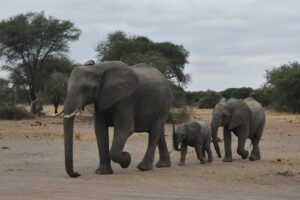
Lake Manyara supports a notable elephant population. Elephants can sometimes be seen feeding in the forest, moving through woodland, or gathering near water.
The forest environment can create close but safe viewing opportunities. Guides carefully maintain the appropriate distance and observe animal behavior to avoid disturbing them.
Flamingos and Waterbirds
The alkaline lake can attract lesser and greater flamingos, pelicans, storks, herons, cormorants, and many other waterbirds. Flamingo numbers vary according to water levels, food availability, rainfall, and seasonal conditions.
Travelers should therefore avoid planning a Lake Manyara safari based only on guaranteed flamingo sightings. Birdlife remains rewarding even when fewer flamingos are present.
Groundwater Forest
The groundwater forest near the park entrance is one of Lake Manyara’s most distinctive environments. Underground water flowing from the Rift Valley escarpment supports tall mahogany, fig, and other evergreen trees.
This forest provides shade and habitat for monkeys, baboons, bushbuck, elephants, and colorful birds. It also gives the beginning of the game drive a completely different atmosphere from the open plains associated with many Tanzanian parks.
Great Rift Valley Scenery
The steep Rift Valley escarpment creates a dramatic background throughout much of the park. Travelers can admire views over the forest, floodplain, and lake while exploring the area.
The combination of escarpment, forest, woodland, water, and open land makes Lake Manyara particularly appealing for landscape photography.
Understanding Tanzania’s Southern Safari Circuit
The Southern Circuit includes several parks and protected areas spread across a large part of southern and central Tanzania. The most popular destinations are Nyerere, Ruaha, Mikumi, and Udzungwa Mountains.
These parks are not located close to Lake Manyara. Combining the two regions requires careful transportation planning, usually through domestic flights, private road transfers, or an overnight connection through Arusha or Dar es Salaam.
Nyerere National Park
Nyerere National Park is one of Tanzania’s great wilderness destinations. It is especially famous for the Rufiji River system, which supports hippos, crocodiles, elephants, buffaloes, birds, and numerous other animals.
A major attraction is the opportunity to combine ordinary game drives with a boat safari. Viewing wildlife from the water provides a different perspective and creates excellent opportunities for bird and landscape photography.
Walking safaris may also be available through selected camps and lodges. These activities focus on smaller details such as animal tracks, plants, insects, and ecological relationships.
Ruaha National Park
Ruaha is renowned for its remote landscape, large elephant population, predators, and dramatic scenery surrounding the Great Ruaha River.
The park contains baobab woodland, rocky hills, seasonal rivers, open plains, and dry bush. Lions, leopards, cheetahs, wild dogs, elephants, giraffes, buffaloes, antelopes, and many bird species may be encountered.
Ruaha is especially suitable for experienced safari travelers who appreciate long game drives and quiet wilderness. Wildlife can be spread across a large area, making an experienced guide particularly important.
Mikumi National Park
Mikumi is one of the Southern Circuit’s most accessible parks. It can be reached by road from Dar es Salaam, although journey times depend on traffic and road conditions.
The Mkata Floodplain is one of Mikumi’s important game-viewing areas. Travelers may see elephants, giraffes, buffaloes, zebras, wildebeest, lions, hippos, and several antelope species.
Mikumi works well for travelers with limited time or those interested in combining a safari with Udzungwa Mountains National Park.
Udzungwa Mountains National Park
Udzungwa offers a completely different experience. It is primarily a hiking and forest destination rather than a traditional game-drive park.
Visitors come for rainforest scenery, waterfalls, endemic primates, butterflies, birds, and guided hiking trails. The walk to Sanje Waterfall is among its most popular experiences.
A Lake Manyara and Southern Circuit itinerary that includes Udzungwa is an excellent choice for active travelers who want to combine wildlife viewing with hiking.
Recommended Lake Manyara and Southern Circuit Itinerary
Because of the distance between northern and southern Tanzania, we normally recommend at least eight to ten days for a comfortable combined safari.
Day 1: Arrival in Arusha
You will be welcomed at Kilimanjaro International Airport or Arusha Airport and transferred to your hotel in Arusha.
Your guide or safari representative will explain the itinerary, departure time, luggage recommendations, and any domestic flight arrangements. You can then rest and prepare for the adventure.
Day 2: Arusha to Lake Manyara National Park
After breakfast, depart from Arusha and travel toward Lake Manyara National Park. The drive passes through local communities and beautiful northern Tanzanian countryside.
Enter the park for a game drive through the groundwater forest, acacia woodland, floodplains, and lakeshore areas. Search for elephants, giraffes, buffaloes, zebras, baboons, monkeys, hippos, birds, and possibly tree-climbing lions.
A picnic or hot lunch can be arranged depending on the package. In the late afternoon, continue to your lodge in Mto wa Mbu or Karatu.
Day 3: Lake Manyara Area to Arusha
Enjoy a relaxed morning at the lodge. Depending on your preferences and flight schedule, optional activities may include a village walk, local market visit, cycling excursion, coffee experience, or cultural tour in Mto wa Mbu.
Return to Arusha for an overnight stay. This night creates a safe connection between the Northern Circuit road safari and the flight toward southern Tanzania.
Day 4: Fly to Nyerere National Park
Transfer to the airport for your domestic flight to Nyerere National Park. On arrival at the airstrip, your Southern Circuit guide will welcome you and take you to the lodge or tented camp.
Depending on your arrival time, enjoy an afternoon game drive or boat safari. The boat safari may offer sightings of hippos, crocodiles, waterbirds, elephants, and other animals near the river.
Day 5: Nyerere Game Drive
Spend a full day exploring Nyerere National Park. Your guide will select the best areas based on recent wildlife movements, road conditions, water availability, and information shared between guides.
You may search for lions, elephants, buffaloes, giraffes, zebras, antelopes, hippos, crocodiles, wild dogs, and numerous birds. Lunch may be served at the camp or enjoyed at a suitable picnic location.
Day 6: Nyerere Walking Safari and Boat Safari
Begin the day with an optional guided walking safari, depending on camp arrangements and park regulations. Walking allows you to notice tracks, plants, insects, and smaller details that are easily missed from a safari vehicle.
Later, enjoy another boat safari or game drive. This flexible day gives you additional time to explore the river system and surrounding wildlife habitats.
Day 7: Fly From Nyerere to Ruaha
After breakfast, transfer to the airstrip for your flight to Ruaha National Park. Upon arrival, meet your guide and begin exploring the park en route to your accommodation.
The scenery changes noticeably as you enter a drier environment characterized by baobab trees, rocky terrain, woodland, and seasonal rivers.
Day 8: Full-Day Ruaha Safari
Enjoy a full day of wildlife viewing in Ruaha. Your guide will search areas surrounding rivers, waterholes, plains, and woodland according to seasonal animal movements.
Possible sightings include elephants, lions, leopards, buffaloes, giraffes, zebras, greater kudu, sable antelope, wild dogs, and many bird species.
Day 9: Additional Ruaha Exploration
A second full day in Ruaha allows you to explore without rushing. Because the park is enormous, spending at least two nights is strongly recommended.
Your activities can focus on game viewing, birdwatching, photography, or simply enjoying the wilderness atmosphere. Some accommodations may also arrange guided walks or special bush experiences.
Day 10: Fly to Dar es Salaam or Zanzibar
After breakfast and a final activity, transfer to the airstrip for your flight to Dar es Salaam or Zanzibar.
Travelers continuing to Zanzibar can begin a beach holiday, while those departing Tanzania can connect with an international flight if the schedule provides sufficient connection time.
Domestic flight schedules may change, so we always confirm the most practical route before finalizing the package.
Shorter Seven-Day Itinerary
Travelers with limited time can choose a shorter combination:
- Day 1: Arrive in Arusha
- Day 2: Lake Manyara game drive
- Day 3: Fly via Arusha or another scheduled connection
- Day 4: Nyerere game drive
- Day 5: Nyerere boat safari and game drive
- Day 6: Additional Nyerere exploration
- Day 7: Fly to Dar es Salaam or Zanzibar
This option focuses on Lake Manyara and one Southern Circuit park. It is more practical than trying to include both Nyerere and Ruaha within a short trip.
Best Time for a Lake Manyara and Southern Circuit Safari
A combined safari can be arranged during most months of the year, but the experience changes with the seasons.
June to October
The dry season is generally popular for wildlife viewing in Nyerere and Ruaha. Animals often gather near permanent water sources, vegetation may be less dense, and road conditions are usually favorable.
The period is also popular, so early accommodation and flight reservations are advisable.
November and December
Short rains can transform the landscape, producing fresh vegetation and dramatic skies. Birding can be excellent, and the parks may feel particularly beautiful.
Rain is often intermittent rather than continuous, although conditions cannot be predicted precisely.
January and February
These months can provide warm weather, green landscapes, and good birdwatching. Lake Manyara remains a useful addition to a northern or cross-country itinerary.
Southern parks can still offer rewarding wildlife experiences, but animal distribution will depend on rainfall and water availability.
March to May
This period normally includes the long rains. Some Southern Circuit camps may close temporarily, and road access can become more difficult in remote areas.
Travel is still possible in selected destinations, but the itinerary must be confirmed carefully. Reduced visitor numbers and greener scenery can appeal to adventurous travelers, photographers, and birdwatchers.
How to Travel Between Lake Manyara and Southern Tanzania
The journey between Lake Manyara and the Southern Circuit is the most important part of itinerary planning.
Domestic Flights
Flying is usually the most comfortable and time-efficient option. Depending on schedules, travelers may connect through Arusha, Kilimanjaro, Dar es Salaam, or another airstrip.
Flight availability can vary by season and day of operation. Luggage limits on small aircraft are usually stricter than those on international flights, so soft-sided bags are recommended.
Private Road Transfers
Overland travel may be possible, but the distances are considerable. A completely road-based itinerary requires additional days and several overnight stops.
This option may suit travelers who want to see rural Tanzania and do not mind long driving days. It is less suitable for short holidays.
Fly-In Safari
A fly-in Southern Circuit safari offers maximum convenience. Guests land at an airstrip inside or close to the park and join a vehicle operated by their lodge or camp.
Fly-in packages are normally more expensive than basic road safaris, but they save time and provide access to remote areas.
Safari Accommodation Options
Accommodation can be selected according to your budget, comfort preferences, and travel style.
Budget Accommodation
Budget packages may use simple guesthouses, basic lodges, or campsites. These options provide essential facilities while keeping the total safari price lower.
Camping in remote Southern Circuit destinations may require special arrangements and should not be assumed to be available on every itinerary.
Mid-Range Lodges and Tented Camps
Mid-range accommodation is popular with travelers who want private bathrooms, proper beds, good meals, and comfortable common areas without paying luxury prices.
Tented camps offer a close connection to nature while still providing essential comfort. Many tents include private bathrooms, showers, mosquito nets, electricity during scheduled hours, and a veranda.
Luxury Safari Camps
Luxury camps may offer spacious suites, premium dining, private vehicles, swimming pools, personalized service, and exclusive locations.
Luxury does not remove the natural character of the safari. Many properties remain unfenced, meaning wildlife may move close to camp. Staff members escort guests after dark for safety.
What Is Included in the Safari Package?
The exact inclusions depend on your selected itinerary, but a typical package may include:
- Airport pickup and drop-off
- Private or shared safari transportation
- Professional English-speaking safari guide
- Accommodation specified in the itinerary
- Meals during the safari
- National park entry fees
- Government taxes and conservation charges
- Drinking water in the safari vehicle
- Game drives
- Scheduled boat safari in Nyerere
- Selected domestic flights
- Airstrip transfers
- Emergency support during the trip
Optional activities, premium drinks, gratuities, visas, travel insurance, personal expenses, and international flights are normally excluded unless clearly stated.
What Determines the Safari Price?
There is no single fixed price for every Lake Manyara and Southern Circuit safari. The final cost depends on:
- Number of travelers
- Travel season
- Length of the safari
- Private or shared vehicle
- Accommodation category
- Domestic flight route
- Number of parks visited
- Room type
- Optional activities
- Airport and hotel transfers
- Child ages
- Single-room supplements
A private safari can become more affordable per person when several travelers share the vehicle cost. Solo travelers usually pay more because they are not sharing transportation and accommodation expenses.
For an accurate quotation, travelers should provide their dates, number of guests, preferred accommodation level, room arrangement, arrival airport, departure airport, and approximate budget.
Private Versus Shared Safari
A private safari provides a dedicated vehicle and guide. It offers greater flexibility for photographers, families, honeymooners, and travelers with specific interests.
The guide can adjust the day around your priorities, provided that park regulations, safety, weather, and travel distances allow it.
Shared safaris are less expensive because guests divide vehicle and guide costs. However, the route and schedule are fixed. Combining Lake Manyara with remote Southern Circuit parks is generally easier as a private or fly-in package because shared cross-circuit departures are limited.
Is This Safari Suitable for Families?
Yes. Lake Manyara is particularly suitable for families because its compact size allows visitors to enjoy varied habitats without extremely long game drives.
A Southern Circuit extension can also work well for families, but parents should consider:
- Children’s ages
- Domestic flight restrictions
- Long driving distances
- Swimming-pool availability
- Family-room configuration
- Meal requirements
- Malaria precautions
- Minimum ages for walking safaris
- Minimum ages for certain boat activities
Some camps do not accept very young children, while others are designed specifically for families. We confirm the policy of each property before requesting payment.
Photography Advice
For wildlife photography, a private vehicle provides the greatest flexibility. Photographers can spend more time at sightings and position equipment without inconveniencing other guests.
Bring:
- A camera with a telephoto lens
- A wider lens for landscapes
- Spare batteries
- Extra memory cards
- Lens-cleaning equipment
- Dust protection
- A beanbag or stable camera support
- A waterproof cover during rainy periods
- Binoculars
Animal sightings remain unpredictable. A professional guide uses experience, tracks, calls, fresh information, and knowledge of wildlife behavior, but no ethical operator can guarantee a particular animal or action.
Responsible Safari Planning
A responsible safari protects wildlife, respects local communities, and follows national park regulations.
Guests should never pressure guides to drive off-road where it is prohibited, approach animals too closely, block wildlife movement, make excessive noise, or feed animals.
Supporting licensed guides, responsible lodges, local employees, and conservation programs helps tourism contribute positively to Tanzania.
Book Your Lake Manyara and Southern Circuit Safari
A Lake Manyara safari Southern Circuit planning package should be designed around your available time, preferred comfort level, wildlife interests, and arrival and departure arrangements.
Kilipath African Safaris can prepare a private itinerary that combines Lake Manyara with Nyerere, Ruaha, Mikumi, Udzungwa, Zanzibar, or other Tanzanian destinations. We can also adjust the route for couples, families, solo travelers, photographers, honeymooners, and private groups.
To receive a personalized quotation, share:
- Your preferred travel dates
- Number of adults and children
- Children’s ages
- Total number of safari days
- Preferred accommodation category
- Arrival and departure airports
- Private or shared safari preference
- Parks you wish to visit
- Approximate budget
- Any dietary or mobility requirements
Once we receive these details, we can recommend a realistic route and confirm current accommodation and flight availability.