A Serengeti safari does not have to be extremely expensive. With thoughtful cheap Serengeti safari planning, you can explore one of Africa’s most celebrated wildlife destinations while controlling accommodation, transportation and additional activity costs.
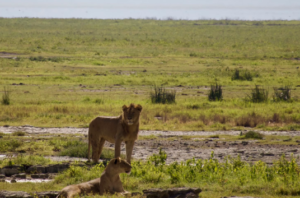
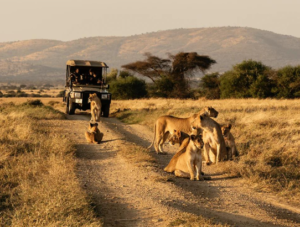
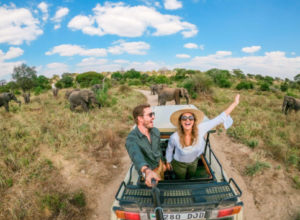
The Serengeti is famous for its enormous savannahs, predators, seasonal wildebeest movements and exceptional year-round wildlife viewing. Lions rest beside the tracks, elephants wander across the plains and large herds of zebras and antelopes gather near water sources. Depending on the season and route, travelers may also encounter cheetahs, leopards, hyenas, giraffes, hippos and thousands of wildebeest.
A budget safari does not mean sacrificing the essential experience. You still travel in a proper 4×4 safari vehicle, enter the same national parks and enjoy game drives with a professional guide. The main savings usually come from joining a small group, choosing public-campsite accommodation and avoiding unnecessary luxury upgrades.
At Kilipath African Safaris, we help travelers create affordable Serengeti itineraries based on their available time, budget and preferred level of comfort. Whether you are traveling alone, as a couple or with friends, we can recommend a practical option without adding services that you do not need.
Start planning today: Send us your travel dates, number of travelers and preferred safari duration to receive a personalized quotation.
Why Visit Serengeti National Park?
Serengeti National Park is one of Tanzania’s largest and most important protected wildlife areas. Its name is associated with seemingly endless grasslands, dramatic predator encounters and the Great Wildebeest Migration.
However, the Serengeti offers much more than the migration. Resident animals remain in the ecosystem throughout the year, making the park an excellent safari destination in different seasons.
Highlights may include:
Lions hunting or resting near kopjes
Cheetahs scanning the plains for prey
Leopards resting in acacia trees
Elephants traveling between woodland and water
Large groups of giraffes, zebras and buffaloes
Hippos gathering in pools
Hyenas, jackals and smaller predators
Hundreds of resident and migratory bird species
Seasonal wildebeest and zebra herds
The park’s size and remote atmosphere are major parts of its appeal. Unlike a zoo or enclosed wildlife attraction, sightings are completely natural and cannot be guaranteed. Your guide uses knowledge of the landscape, animal behavior and recent sightings to search for wildlife.
This unpredictability is what makes every Serengeti game drive different.
What Does a Cheap Serengeti Safari Include?
An affordable safari should still include the fundamental services required for a safe and enjoyable journey. Exact inclusions depend on the itinerary, but a standard budget package normally provides:
Transportation in a 4×4 safari Land Cruiser
A professional English-speaking safari guide
Serengeti and other scheduled park fees
Ngorongoro Crater service fees when included
Full-board meals during the safari
Drinking water throughout the trip
Camping equipment for camping itineraries
Accommodation listed in the itinerary
Game drives according to the program
Pickup and drop-off in Arusha
Government taxes and applicable safari charges
Before confirming your reservation, review the itinerary carefully. The quotation should explain the accommodation level, route, number of nights and whether the tour is shared or private.
International flights, visas, travel insurance, tips, alcoholic beverages and optional activities are commonly excluded unless clearly included in writing.
The Most Affordable Ways to Visit the Serengeti
1. Join a Shared Group Safari
A shared safari is generally the most economical solution for solo travelers and couples. Transportation, guide and operating expenses are divided among several passengers.
Our shared groups normally use a 4×4 Land Cruiser with a maximum of seven travelers. Every guest receives a window seat, while the pop-up roof provides an open view during wildlife sightings.
Shared safaris follow a scheduled itinerary. They are less flexible than private tours, but they provide excellent value for people who are comfortable traveling with others.
A shared safari may be right for you if:
You want to reduce the cost per person
You are traveling alone or as a couple
You enjoy meeting travelers from other countries
You can follow fixed departure and return times
You are comfortable with an English-speaking guide
You do not require a highly customized route
Because seats depend on confirmed departures, booking early is recommended during popular travel months.
2. Choose a Camping Safari
Camping inside or close to the national parks is one of the best ways to reduce accommodation expenses. It also creates an adventurous and immersive experience.
On a camping safari, tents, sleeping bags, mattresses and basic camping equipment are provided. A safari chef prepares meals, while travelers use shared toilet and shower facilities at the public campsites.
Camping is simple rather than luxurious. Hot water and electricity may be limited, and nighttime temperatures can become cool. Nevertheless, many travelers consider the sounds and atmosphere of the wilderness an unforgettable part of their journey.
Public campsites are not fenced like city hotels. Guests must therefore follow the guide’s safety instructions, particularly after dark.
3. Travel With Friends
Private safaris become more affordable when vehicle and guide costs are shared among four, five or six travelers. A private group can sometimes enjoy a reasonable per-person price while maintaining greater flexibility.
This is especially useful for:
Families
Groups of friends
Photography enthusiasts
Couples traveling together
Travelers with specific dietary requirements
Visitors who want flexible game-drive times
4. Avoid Unnecessary Upgrades
Luxury lodges, private flights and premium camps can significantly increase the final price. Travelers working with a limited budget should prioritize the wildlife route over nonessential upgrades.
A clean campsite or simple lodge allows you to visit the same parks and observe the same animals as guests staying in expensive accommodation.
5. Select an Efficient Itinerary
Longer is not always better when the route involves unnecessary backtracking. A well-designed three- or four-day itinerary can provide a rewarding experience at a lower cost than an inefficient longer trip.
For a first visit, combining the Serengeti with Ngorongoro Crater is one of the most practical choices.
Recommended Cheap Serengeti Safari Packages
Three-Day Serengeti and Ngorongoro Safari
This is one of the shortest practical itineraries for travelers who want to experience the Serengeti and Ngorongoro Crater.
Day 1: Arusha to Serengeti National Park
Your adventure begins with an early pickup from your accommodation in Arusha. After meeting the guide and other travelers, you drive toward the Serengeti through Tanzania’s northern safari region.
The journey is long, but the changing scenery makes it interesting. You pass local communities, highland landscapes and the Ngorongoro Conservation Area before descending toward the Serengeti plains.
After completing entry procedures, you enjoy an afternoon game drive. This is your first opportunity to search for lions, elephants, giraffes, zebras and other animals.
In the evening, you travel to the designated public campsite. Dinner is prepared by the safari chef, and you spend the night in the wilderness.
Day 2: Serengeti Game Drive and Ngorongoro Area
The day starts early, when wildlife is often active and temperatures are cooler. You explore the central Serengeti, an area known for reliable year-round wildlife viewing.
The Seronera region contains river valleys, grasslands, kopjes and woodland habitats. These varied environments support both predators and herbivores.
After the morning and early-afternoon game drives, you begin traveling toward the Ngorongoro Conservation Area. You arrive at the campsite in the late afternoon or evening.
The campsite near the crater rim can be cold, so warm clothing is strongly recommended.
Day 3: Ngorongoro Crater and Return to Arusha
After an early breakfast, you descend into the Ngorongoro Crater for a game drive. The crater supports a remarkable concentration of wildlife within a relatively compact area.
Possible sightings include lions, elephants, buffaloes, zebras, wildebeest, hippos and, with some luck, black rhinoceroses. Flamingos and other waterbirds may be seen around seasonal lakes and wetlands.
After lunch, you ascend from the crater and drive back to Arusha. Arrival is generally expected in the late afternoon or early evening, although road and traffic conditions can affect the exact time.
Best for: Travelers with limited time who want the lowest practical Serengeti package.
Four-Day Tarangire, Serengeti and Ngorongoro Safari
This is one of the most popular affordable northern Tanzania itineraries because it includes three distinctive wildlife areas.
Day 1: Arusha to Tarangire National Park
After breakfast, your guide collects you from Arusha and drives to Tarangire National Park.
Tarangire is known for its ancient baobab trees, elephants and the Tarangire River. During dry periods, animals gather near the river and remaining water sources. Wildlife may include giraffes, zebras, wildebeest, buffaloes, antelopes and predators.
You enjoy a full or extended game drive before continuing to your campsite or budget accommodation.
Day 2: Tarangire Area to Serengeti
After breakfast, you travel through the Ngorongoro highlands toward Serengeti National Park. The journey provides scenic views and opportunities to observe rural Tanzanian life.
After entering the Serengeti, you continue with an afternoon game drive. Your guide searches for wildlife while gradually traveling toward the campsite.
Dinner and overnight are inside or near the park, according to the confirmed program.
Day 3: Serengeti to Ngorongoro Conservation Area
You begin with a morning game drive across the Serengeti plains. Morning hours can be productive for predators, although sightings always depend on natural animal movements.
After lunch, you continue toward the Ngorongoro Conservation Area. The landscape changes from open plains to volcanic highlands as you approach the crater region.
You spend the night at a campsite or affordable lodge, depending on the package selected.
Day 4: Ngorongoro Crater to Arusha
An early descent gives you time to explore the crater floor before returning to Arusha.
The crater’s different habitats—including open grassland, forest, marsh and lakeshore—support many animal species. After the game drive and lunch, you ascend and begin the return journey.
Best for: First-time safari travelers who want Serengeti, Ngorongoro and Tarangire in one reasonably priced package.
Five-Day Tarangire, Serengeti, Ngorongoro and Lake Manyara Safari
A five-day itinerary offers additional time and a more relaxed pace. It commonly includes Tarangire, Serengeti, Ngorongoro and Lake Manyara, although the route may be adjusted according to conditions and guest preferences.
The extra day can provide:
More time for wildlife viewing
A wider variety of landscapes
Reduced pressure during transfers
An additional national park
Better opportunities for photography
A more complete northern-circuit experience
This package costs more than the three- or four-day alternatives, but the additional experience may justify the difference for travelers who have sufficient time.
Best for: Travelers seeking a comprehensive budget safari without choosing luxury accommodation.
Camping, Budget Lodge or Mid-Range Accommodation?
Accommodation has a major effect on the total safari price.
| Accommodation | Comfort level | Facilities | Best suited to |
|---|---|---|---|
| Public camping | Basic | Shared showers and toilets | Backpackers and adventurous travelers |
| Budget lodge | Moderate | Private or shared facilities, depending on property | Travelers wanting more comfort |
| Tented lodge | Comfortable | Beds and usually private bathrooms | Couples and comfort-focused guests |
| Luxury camp | Premium | High-end rooms, dining and personalized service | Honeymoons and luxury travelers |
Public Camping
This is usually the cheapest option. You sleep in a proper safari tent with basic bedding provided. Meals are prepared at the campsite.
It offers an authentic experience but requires flexibility regarding bathrooms, electricity, Wi-Fi and hot water.
Budget Lodge Safari
Budget lodges offer more protection from the weather and may provide private rooms. However, properties inside or close to the Serengeti are generally more expensive than accommodation around Arusha or Karatu.
Mixed Camping and Lodge Safari
A mixed itinerary can provide a useful balance. You might camp in the Serengeti and stay in a lodge before or after Ngorongoro. This keeps expenses manageable while offering occasional private bathroom facilities.
Shared Safari Versus Private Safari
| Feature | Shared safari | Private safari |
|---|---|---|
| Price | Usually lower for solo travelers and couples | Better value for larger groups |
| Vehicle | Shared with other guests | Reserved for your party |
| Departure time | Fixed | More flexible |
| Itinerary | Scheduled route | Customizable |
| Guide language | Usually English | Other languages may be arranged |
| Time at sightings | Group decision | Greater personal control |
| Accommodation | Usually fixed | Multiple choices available |
A shared safari provides the strongest savings for one or two guests. A private safari is more suitable when flexibility, privacy or a specialized itinerary is important.
Travelers should also understand that shared safaris involve cooperation. The guide must consider the entire group, and changes cannot usually be made for one passenger.
When Is the Cheapest Time for a Serengeti Safari?
Safari prices and availability vary according to season, accommodation demand and wildlife movements.
Green Season
Certain periods of the rainy or green season may offer lower accommodation rates. The landscape becomes greener, birdlife is abundant and crowds may be smaller.
Rain does not necessarily continue throughout every day. It may fall in showers followed by clear periods. However, road conditions can become more challenging, and itineraries must remain flexible.
Shoulder Season
Months between major peak periods can provide a good balance between cost, wildlife viewing and visitor numbers.
High Season
Peak migration months, festive holidays and popular summer travel periods often bring stronger demand. Camps and lodges can fill quickly, while discounted rooms become harder to secure.
If you must travel during peak season, consider camping or joining a scheduled shared departure.
Wildlife remains wild throughout the year, and migration locations cannot be guaranteed for a specific date. A reputable operator should explain realistic seasonal expectations without promising exact sightings.
Understanding the Great Wildebeest Migration
The Great Wildebeest Migration is a continuous movement of wildebeest, zebras and other grazing animals around the Serengeti–Mara ecosystem. Their location changes in response to rainfall, fresh grass and water.
Broadly speaking:
- Southern plains and Ndutu are associated with the calving period
- Central and western areas may receive herds as they move north
- Northern Serengeti is known for seasonal river-crossing opportunities
- Herds later move south as the cycle continues
These are natural movements, not fixed appointments. Rainfall can alter the timing, and no tour operator can guarantee a river crossing or a specific herd location.
Northern Serengeti and remote migration routes are normally more expensive because they require longer travel, specialized camps or internal flights. Standard shared camping tours generally focus on the central Serengeti and Ngorongoro rather than the far north or Ndutu.
If your main priority is keeping costs low, choose central Serengeti. It provides good resident wildlife throughout the year and does not require an expensive migration-focused itinerary.
How Much Does a Cheap Serengeti Safari Cost?
The final price depends on several factors:
- Number of travelers
- Shared or private vehicle
- Safari duration
- Accommodation category
- Travel season
- Parks included
- Airport and hotel transfers
- Domestic flights
- Optional activities
- Exchange rates and government charges
A short shared camping safari is normally the most economical choice. Private lodge tours and fly-in packages cost considerably more.
When comparing quotations, do not look only at the headline price. Confirm whether each quotation includes:
- All national park entry fees
- Ngorongoro Crater descent or service fees
- Accommodation
- Meals
- Drinking water
- Guide and vehicle
- Camping equipment
- Taxes
- Pickup and final drop-off
An unusually low quotation may exclude an important fee or provide fewer game-drive hours. Ask for a written itinerary and complete list of inclusions before paying.
For the most accurate price, request a quotation using your exact dates and group size.
Practical Ways to Reduce Your Safari Cost
Book as Early as Possible
Early booking gives you more accommodation and departure choices. Last-minute bookings can occasionally produce discounts, but they can also leave you with limited or expensive options.
Join an Existing Departure
Solo travelers pay considerably more for a private vehicle. Joining a confirmed group spreads operating costs across several guests.
Stay Flexible With Dates
If your schedule is flexible, the operator may match you with an existing shared departure or suggest a less expensive period.
Choose Camping
Camping often produces the largest accommodation saving without reducing park access or game-drive quality.
Begin and End in Arusha
Arusha is the primary gateway for Tanzania’s northern safari circuit. Starting from another city can add transfer or flight expenses.
Carry a Soft-Sided Bag
Shared safari vehicles have limited luggage space. A soft travel bag or backpack is easier to store than a large hard-shell suitcase. Extra luggage may usually be stored in Arusha by prior arrangement.
Avoid Too Many Optional Activities
Balloon flights, cultural excursions and additional transfers can be wonderful, but they increase the total cost. Prioritize the wildlife experience first and add optional activities only if your budget permits.
Combine Parks Logically
Serengeti and Ngorongoro work naturally together. Tarangire can be added without creating an excessively complicated route.
What to Pack for a Budget Serengeti Safari
Pack lightly and choose practical clothing.
Recommended items include:
- Neutral-colored shirts and trousers
- Comfortable walking or travel shoes
- Warm jacket or fleece
- Sun hat
- Sunglasses
- Sunscreen
- Insect repellent
- Small backpack
- Reusable water bottle
- Camera and spare batteries
- Power bank
- Personal medication
- Toiletries
- Wet wipes
- Small flashlight or headlamp
- Travel adapter
- Copies of travel documents
Ngorongoro mornings and evenings can be cold, especially when camping near the crater rim. Bring at least one warm layer even if daytime temperatures are comfortable.
Bright or neutral clothing is generally more practical than dark colors. Avoid overpacking because luggage storage inside shared vehicles is limited.
Food and Drinking Water
Safari packages usually include breakfast, lunch and dinner during the tour. Depending on the day’s route, lunch may be served as a picnic meal or hot meal.
Vegetarian, vegan, halal and other dietary requirements can normally be accommodated when communicated before departure.
Travelers should notify the safari company about:
- Food allergies
- Religious dietary requirements
- Vegetarian or vegan preferences
- Medical dietary restrictions
- Foods that must be avoided
Drinking water is provided during the safari. Alcoholic beverages and personal snacks may not be included, so confirm before departure.
Safety During a Serengeti Safari
Your guide’s instructions are important because the safari takes place in a natural wildlife environment.
Basic safety guidelines include:
- Do not leave the vehicle without permission
- Remain inside designated campsite areas
- Never feed wild animals
- Do not walk alone after dark
- Keep tents closed
- Store food according to the guide’s instructions
- Keep a safe distance from animals
- Avoid loud behavior near wildlife
- Inform your guide about medical concerns
- Carry prescribed medication in your hand luggage
At public campsites, animals may occasionally pass through or near the area. This is part of the wilderness experience, but it requires responsible behavior.
Photography Tips for the Serengeti
You do not need expensive professional equipment to photograph the Serengeti. A smartphone can capture landscapes and nearby animals, while a camera with a zoom lens is useful for distant subjects.
For better results:
- Keep your camera accessible during game drives
- Charge batteries before departure
- Carry spare memory cards
- Photograph during soft morning and evening light
- Use a fast shutter speed for moving animals
- Avoid blocking other passengers’ views
- Ask the guide before standing or changing seats
- Protect equipment from dust
- Never pressure the guide to approach animals too closely
Private tours provide more control over photography time. However, shared safaris can still be rewarding when guests cooperate.
Why Plan With Kilipath African Safaris?
Successful budget planning requires more than simply choosing the lowest price. The itinerary must remain realistic, park fees must be included and the operator must coordinate transportation, meals and accommodation properly.
Kilipath African Safaris helps travelers plan according to their real priorities.
We offer:
- Shared and private safari options
- Affordable camping packages
- Professional safari guides
- 4×4 Land Cruisers with pop-up roofs
- Guaranteed window seats on shared departures
- Flexible options for private groups
- Drinking water during the safari
- Dietary arrangements with advance notice
- Assistance with airport and hotel logistics
- Clear explanations of inclusions and exclusions
- Custom quotations based on dates and group size
Our goal is to create an itinerary that is affordable, realistic and enjoyable—not simply the cheapest route on paper.
Book Your Cheap Serengeti Safari
The Serengeti is one of the world’s most extraordinary natural destinations. With the right itinerary, it can be experienced without choosing an expensive luxury package.
Shared transportation, public camping and efficient routing make it possible to enjoy memorable game drives while staying within a sensible budget. The best package depends on your travel dates, group size, preferred comfort and total time in Tanzania.
To receive your personalized safari proposal, send us:
- Your preferred travel dates
- Number of adults and children
- Desired number of safari days
- Shared or private preference
- Camping, lodge or mixed accommodation
- Arrival and departure location
- Approximate budget per person
Contact Kilipath African Safaris today and let us prepare an affordable Serengeti adventure designed around your plans.