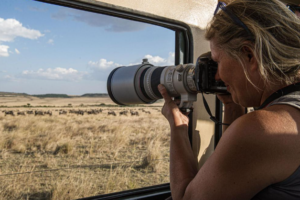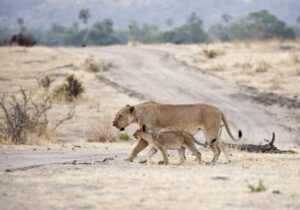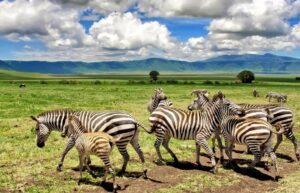
A group Ruaha safari trip is an excellent way to explore one of Tanzania’s largest and most unspoiled national parks while sharing transportation and safari costs with other travelers. Located in southern Tanzania, Ruaha National Park is famous for its enormous elephant population, powerful lion prides, ancient baobab trees, dramatic landscapes, and uncrowded wildlife-viewing areas.
Unlike the busy parks of Tanzania’s Northern Safari Circuit, Ruaha offers a quieter and more adventurous experience. You can spend hours exploring without meeting many other safari vehicles. This makes the park especially suitable for travelers who want authentic wildlife encounters, beautiful photography, and a genuine feeling of being deep in the African wilderness.
This complete guide explains how group safaris to Ruaha work, the best time to visit, expected costs, transportation options, recommended itineraries, accommodations, wildlife, packing requirements, and frequently asked questions.
Quick Information About a Group Ruaha Safari
| Safari detail | Information |
|---|---|
| Destination | Ruaha National Park, southern Tanzania |
| Main starting point | Iringa, Dar es Salaam, or sometimes Zanzibar |
| Recommended duration | 3–5 days |
| Safari style | Shared or small-group safari |
| Best overall period | June–October |
| Green season | November–May |
| Famous wildlife | Lions, elephants, leopards, wild dogs, buffaloes and antelopes |
| Landscape | Baobab trees, rivers, rocky hills and open plains |
| Suitable for | Couples, friends, solo travelers and photographers |
| Accommodation | Public campsites, tented camps and safari lodges |
| Main advantage | Lower cost and a social safari experience |
| Group vehicle | 4×4 safari vehicle with a pop-up roof |
Why Choose a Group Ruaha Safari Trip?
A group safari allows several travelers to share one safari vehicle, guide, fuel expenses and other operational costs. Because transportation represents a considerable portion of the total price, sharing these services can make Ruaha more affordable.
This is particularly useful for solo travelers and couples who might find a private Ruaha safari expensive. Joining a scheduled departure gives them an opportunity to enjoy the same park, professional guide and wildlife experience at a lower per-person price.
Lower Safari Cost
The most obvious advantage is affordability. Vehicle hire, fuel and guide expenses are divided among the group members. Park entrance fees, accommodation and meals are generally calculated per person, but sharing transportation can still produce significant savings.
Opportunities to Meet Other Travelers
A group safari brings together people who share an interest in wildlife, nature and African travel. Guests often exchange stories, take photographs together and develop friendships during the journey.
Professional Organization
A properly organized group tour normally includes:
- A professional English-speaking safari guide
- Transportation in a 4×4 safari vehicle
- Ruaha National Park entrance fees
- Accommodation
- Meals during the safari
- Drinking water
- Game drives
- Government taxes and applicable concession or camping fees
Always examine the individual quotation because inclusions can differ between operators and packages.
Authentic Wilderness Experience
Ruaha receives fewer visitors than Serengeti, Ngorongoro and Tarangire. Its relative isolation creates an extraordinary feeling of space and wilderness. Even travelers sharing their vehicle with other guests can enjoy peaceful sightings without large gatherings of safari jeeps.
Where Is Ruaha National Park?
Ruaha National Park is situated in south-central Tanzania and forms an important part of the country’s Southern Safari Circuit. The park is approximately 130 kilometres from Iringa town, although road conditions affect the actual driving time.
Ruaha is centered around the Great Ruaha River, which supplies water to animals throughout the dry season. The park’s environment is a fascinating meeting point between eastern and southern African ecosystems. Consequently, it supports an unusually varied collection of plants, birds and mammals.
The protected ecosystem is known for:
- Ancient baobab trees
- Miombo woodland
- Open savannah
- Seasonal rivers
- Rocky escarpments
- Sand rivers
- Natural springs
- Dramatic hills and valleys
The remote location is part of Ruaha’s attraction, but travelers should allow enough time for the journey.
How Do You Reach Ruaha National Park?
There are several ways to reach Ruaha. The right choice depends on your starting location, available time and budget.
Driving from Iringa
Iringa is the most convenient road gateway to Ruaha. Driving from Iringa to the park usually takes approximately three to four hours, depending on the road, weather and entrance gate being used.
A safari beginning in Iringa can therefore be more affordable than one starting in Dar es Salaam. Travelers may reach Iringa by bus, private transfer or domestic flight before joining the safari group.
Driving from Dar es Salaam
Traveling directly from Dar es Salaam to Ruaha by road is possible, but it is a long journey. Depending on traffic, road conditions and stops, the trip can occupy most of the day.
For comfort and safety, many itineraries divide the journey or combine Ruaha with Mikumi National Park. A common route is:
- Dar es Salaam to Mikumi
- Game drive in Mikumi
- Mikumi to Ruaha
- Ruaha safari
- Return through Iringa or Mikumi
This combination works particularly well for travelers with five to seven available days.
Flying to Ruaha
Scheduled and charter flights connect Ruaha with Dar es Salaam, Zanzibar and other Tanzanian safari destinations. Flying dramatically reduces travel time and provides beautiful aerial views.
A fly-in safari is generally more expensive, but it is ideal when:
- Your holiday is short
- You are traveling from Zanzibar
- You want to avoid long road transfers
- You prefer additional time inside the park
- You are combining several remote parks
Ask your operator about luggage restrictions because small safari aircraft commonly require soft-sided bags and impose stricter weight limits than international airlines.
Wildlife in Ruaha National Park
Ruaha’s wildlife is the central attraction. The park supports predators, herbivores and birdlife in an ecosystem that still feels wild and unpredictable.
Elephants
Ruaha is renowned for its elephants. Herds frequently gather near the Great Ruaha River during the dry season. Visitors may also see elephants walking between enormous baobab trees or digging into sandy riverbeds in search of water.
Elephants must always be treated respectfully. Your guide will maintain a responsible distance and observe their behavior before positioning the vehicle.
Lions
Ruaha has an important lion population and is known for impressive prides. Lions may be found resting beneath trees, moving along riverbanks or hunting near concentrations of prey.
Sightings are never guaranteed, but patient game drives during the early morning and late afternoon normally offer the best opportunities.
Leopards
Leopards are present but naturally elusive. They may rest in trees, hide in thick vegetation or move through rocky and wooded areas. An experienced guide searches for tracks, alarm calls and other signs that indicate a leopard may be nearby.
African Wild Dogs
Ruaha is one of Tanzania’s notable habitats for endangered African wild dogs. Their movements cover large territories, so sightings are less predictable than those of elephants or giraffes. Encountering a pack is therefore a particularly memorable safari experience.
Other Animals
Travelers may also encounter:
- Buffaloes
- Giraffes
- Zebras
- Hippos
- Crocodiles
- Spotted hyenas
- Jackals
- Greater and lesser kudu
- Sable and roan antelopes
- Impalas
- Waterbucks
- Elands
- Warthogs
- Baboons and vervet monkeys
The park’s mixture of eastern and southern African species makes it especially interesting to experienced safari travelers.
Birdwatching in Ruaha
Ruaha is also an outstanding birding destination, with hundreds of recorded bird species. Its varied habitats attract resident birds and seasonal migrants.
Possible sightings include:
- African fish eagles
- Bateleur eagles
- Hornbills
- Kingfishers
- Bee-eaters
- Vultures
- Herons
- Storks
- Rollers
- Sunbirds
- Ostriches
The greener months generally provide the richest birding conditions because migratory species arrive, vegetation becomes vibrant and many birds display breeding plumage.
Bring binoculars and tell your guide if birdwatching is one of your priorities.
Best Time for a Group Ruaha Safari Trip
Ruaha can be visited throughout much of the year, but every season presents a different experience.
June to October: Dry Season
The dry season is normally considered the best period for general wildlife viewing. Vegetation becomes thinner and animals concentrate around reliable water sources, particularly the Great Ruaha River.
Advantages include:
- Easier wildlife visibility
- Large animal concentrations near water
- Excellent predator-viewing opportunities
- Lower rainfall
- More predictable road conditions
July through October can be popular, so advance booking is advisable.
November to December: Short-Rain Season
The first seasonal rains transform the landscape. Dust decreases, plants turn green and many animals become more dispersed.
Rain is frequently delivered through temporary afternoon or evening showers rather than continuous rainfall, although weather patterns cannot be guaranteed.
January to March: Green Season
This period offers lush landscapes, dramatic clouds and excellent birding. It can also provide attractive photographic conditions and fewer visitors.
Wildlife remains present but may be harder to locate because vegetation is thicker and natural water is distributed across the ecosystem.
April and May: Heavier Rains
These months traditionally experience heavier rainfall. Some roads may become challenging, and certain camps may temporarily close. However, travelers who accept unpredictable conditions may encounter beautiful scenery and exceptional solitude.
Confirm camp operations and road accessibility before arranging a trip during this period.
Recommended Group Ruaha Safari Itineraries
Three-Day Ruaha Safari from Iringa
Day 1: Iringa to Ruaha National Park
Meet your guide and fellow travelers in Iringa. Drive toward Ruaha, complete the entrance procedures and enjoy an afternoon game drive. Watch for elephants, giraffes and antelopes before traveling to your campsite or lodge for dinner and overnight accommodation.
Day 2: Full-Day Ruaha Game Drive
Begin early and spend the day exploring river systems, baobab woodlands and open plains. A packed lunch allows the group to remain inside productive wildlife areas. Return to camp in the late afternoon or evening.
Day 3: Morning Game Drive and Return to Iringa
Enjoy a final morning wildlife drive before leaving Ruaha and returning to Iringa.
This option is appropriate for travelers already staying in Iringa, but it can feel short when combined with transportation from Dar es Salaam.
Four-Day Group Ruaha Safari
Day 1: Travel from Iringa to Ruaha and take an afternoon game drive.
Day 2: Full-day game drive inside Ruaha.
Day 3: Another full-day game drive covering different habitats.
Day 4: Morning game drive followed by the return to Iringa.
Four days provide a more balanced experience. The additional time increases the possibility of finding predators and visiting more remote sections of the park.
Five-Day Ruaha Safari from Dar es Salaam
Day 1: Drive from Dar es Salaam toward Iringa or an agreed overnight location.
Day 2: Continue to Ruaha and enjoy an afternoon game drive.
Day 3: Full-day Ruaha game drive.
Day 4: Full-day or morning game drive and transfer toward Iringa.
Day 5: Return to Dar es Salaam.
The exact schedule should be adapted to road conditions and the group’s accommodation choices.
Ruaha and Mikumi Combination
Travelers with six or seven days can combine Ruaha with Mikumi National Park. Mikumi offers accessible savannah scenery, while Ruaha contributes a more remote wilderness environment.
This combination divides the long journey and creates greater ecological variety.
Group Camping Safari or Lodge Safari?
Your accommodation strongly influences the price and comfort of the trip.
Camping Safari
A camping safari is usually the most economical option. Depending on the package, camping equipment may include:
- Safari tent
- Mattress
- Sleeping bag
- Pillow
- Camping chairs
- Cooking equipment
- Services of a safari chef
Public campsite bathrooms and toilets are shared. Facilities are functional but generally simple, and hot water or reliable electricity may not always be available.
Camping provides a close connection to nature. Guests hear nocturnal sounds and experience the atmosphere of the bush after daytime visitors have left. Always follow the instructions of your guide and campsite staff because wild animals may pass through unfenced areas.
Tented Camp Safari
A tented camp offers more comfort while retaining an immersive bush atmosphere. Permanent or semi-permanent safari tents commonly include beds, private bathrooms and sitting areas.
Amenities vary, so verify:
- Whether the bathroom is private
- Electricity and charging hours
- Hot-water arrangements
- Wi-Fi availability
- Meal plans
- Drinks included
- Distance from the game-drive areas
Safari Lodge
A lodge may provide permanent rooms, larger bathrooms, swimming pools, lounges and additional services. Lodge-based group trips cost more but suit travelers who prioritize privacy and comfort.
What Is Included in a Group Ruaha Safari?
A standard package frequently includes:
- Safari transportation
- Professional guide
- Game drives
- Park entrance fees
- Accommodation
- Meals indicated in the itinerary
- Drinking water in the safari vehicle
- Government taxes
- Camping or concession fees when applicable
- Emergency assistance from the tour operator
Possible exclusions include:
- International flights
- Tanzanian visa
- Travel insurance
- Alcoholic beverages
- Personal expenses
- Guide and staff gratuities
- Optional activities
- Extra nights before or after the safari
- Domestic flights unless specifically listed
- Transfers outside the agreed itinerary
Request a written inclusion and exclusion list before paying your deposit.
How Much Does a Group Ruaha Safari Cost?
Prices depend on the itinerary, season, number of participants, starting location, transport method and accommodation category.
A road-based camping safari is generally the least expensive arrangement. A lodge safari costs more, while a fly-in package will usually have the highest total because of domestic airfare and premium accommodation.
Several factors affect the price:
Group Size
A larger group can divide the vehicle and guide costs among more people. However, the vehicle must not be overcrowded. A good arrangement should provide every traveler with a proper seat and convenient access to a window or the pop-up roof.
Starting Location
Beginning in Iringa usually reduces transportation costs. Departing from Dar es Salaam requires more driving, fuel and guide time.
Season
Prices can increase during popular dry-season months. Green-season discounts may be available, but some camps close when rainfall is heavy.
Accommodation
Public camping is usually cheapest, followed by basic tented camps, mid-range accommodation and luxury lodges.
Private Versus Shared Departure
A private tour offers greater flexibility but normally costs more per person, especially for solo travelers or couples. A group departure spreads operational expenses among several guests.
Because rates and park fees can change, travelers should request a current written quotation for their exact travel dates.
What Is the Safari Vehicle Like?
A well-equipped Ruaha group safari should use a reliable 4×4 vehicle designed for rough roads. Common features include:
- Pop-up roof for wildlife observation
- Window access
- Seatbelts
- Charging sockets or USB ports
- Cooler or refrigerator
- First-aid kit
- Radio communication
- Drinking-water storage
Air conditioning may be available in some vehicles, but its effectiveness can vary when the roof and windows are open during game drives.
Before booking, ask how many travelers will share the vehicle. Small groups provide better space for photography, personal belongings and wildlife observation.
A Typical Day on Safari
A group safari day often begins before sunrise. Tea, coffee or breakfast may be served before the group enters the park.
Morning hours are valuable because temperatures are cooler and predators may still be active. The group might stop at several sightings before taking a breakfast or lunch break in a designated area.
During a full-day game drive, guests usually carry a packed lunch and continue exploring until late afternoon. Alternatively, camps located near productive areas may offer a midday return.
The schedule depends on:
- Wildlife movements
- Distance to the camp
- Weather and road conditions
- Park regulations
- Group preferences
- Guide recommendations
Group members should discuss priorities respectfully. Some may want to photograph birds, while others are primarily interested in large predators.
Is a Group Safari Suitable for Solo Travelers?
Yes. A scheduled group departure is one of the best ways for solo travelers to reduce costs and meet other people. However, some accommodations charge a single-room supplement if the traveler wants a private room.
Solo guests should ask:
- Is there a confirmed departure?
- How many people are already booked?
- Will I pay a single supplement?
- Can I share a tent or room with another traveler?
- What are the ages and general interests of the group?
- Where is the meeting point?
- Is the departure guaranteed?
Never book transportation to the starting point until the operator confirms that the safari departure will operate.
Is a Ruaha Group Safari Good for Families?
Ruaha can be wonderful for families with children who are comfortable with long drives and extended wildlife-viewing periods.
Parents should consider:
- The child’s age and attention span
- Long road-transfer times
- Accommodation safety
- Swimming-pool supervision
- Food requirements
- Medical preparation
- Whether other guests are comfortable traveling with children
A private family safari may be better when young children require flexible meal times, frequent breaks or shorter game drives.
Packing List for Ruaha
Pack lightly and choose practical, neutral-colored clothing.
Recommended items include:
- Lightweight shirts
- Comfortable trousers or shorts
- Warm jacket for early mornings
- Sun hat
- Sunglasses
- Sunscreen
- Insect repellent
- Comfortable closed shoes
- Personal medication
- Camera and spare batteries
- Binoculars
- Reusable water bottle
- Small day bag
- Power bank
- Travel documents
- Wet wipes and hand sanitizer
- Rain jacket during wetter months
Avoid unnecessarily bright clothing and strongly scented products. Soft-sided luggage is easier to store in safari vehicles and is normally required for small domestic flights.
Health and Safety
Speak with a qualified travel-health professional before visiting Tanzania. Requirements and medical recommendations depend on your origin, recent travel history and personal health.
Travel insurance should cover:
- Medical treatment
- Emergency evacuation
- Trip cancellation
- Delayed or lost luggage
- Safari activities
- Domestic flights when applicable
Inside the park, never leave the vehicle unless your guide confirms that it is safe and permitted. Do not feed animals, approach wildlife or walk around an unfenced camp after dark without guidance.
Responsible Travel in Ruaha
Responsible tourism helps protect Ruaha’s wildlife and benefits surrounding communities.
Travelers should:
- Keep a respectful distance from animals
- Avoid shouting at sightings
- Never request off-road driving where prohibited
- Carry waste out of the park
- Reduce disposable plastic use
- Respect campsite and lodge rules
- Avoid buying products made from wildlife
- Support responsible local businesses
- Ask permission before photographing community members
- Follow the guide’s safety instructions
Ethical wildlife viewing is more important than obtaining a close photograph.
Final Thoughts
A group Ruaha safari trip combines affordability, companionship and access to one of Tanzania’s most impressive wilderness areas. It is especially suitable for solo travelers, couples and friends who are comfortable sharing a vehicle and following a fixed itinerary.
For the strongest overall experience, consider a four-day trip beginning in Iringa or a longer itinerary combining Ruaha with Mikumi. Choose camping for adventure and affordability, or select a tented camp or lodge for greater comfort. Regardless of accommodation style, Ruaha’s elephants, lion prides, baobab landscapes and peaceful game drives can create an unforgettable Tanzanian safari.