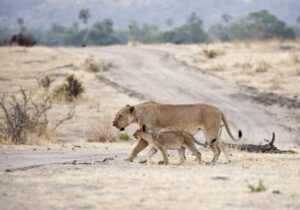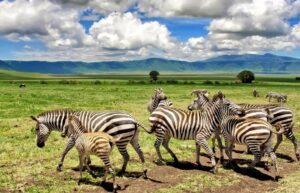
Planning a Tarangire safari from Arusha is one of the easiest and most rewarding ways to experience Tanzania’s Northern Safari Circuit. Tarangire National Park is famous for its enormous elephant herds, ancient baobab trees, seasonal wildlife migration, and beautiful landscapes surrounding the Tarangire River.
Located approximately two to three hours from Arusha, the park can be visited as a day trip or included in a longer Tanzania safari covering Lake Manyara, Ngorongoro Crater, and Serengeti National Park. Its convenient location makes Tarangire an excellent choice for travelers with limited time, families, couples, photographers, and visitors looking for an affordable introduction to Tanzania’s wildlife.
At Kilipath African Safaris, we arrange private and shared Tarangire safaris from Arusha. Our packages can include transportation, park fees, professional safari guides, meals, drinking water, accommodation, airport transfers, and additional destinations according to your preferred itinerary.
Why Plan a Tarangire Safari from Arusha?
Arusha is Tanzania’s principal safari gateway. Most Northern Circuit safaris begin and finish in the city because it is conveniently located near Kilimanjaro International Airport and Arusha Airport.
Starting your Tarangire safari in Arusha offers several advantages:
- Tarangire is approximately two to three hours away by road.
- Both private and shared safari options are available.
- The park is suitable for day trips and longer itineraries.
- Arusha has accommodation for every budget.
- Airport and hotel transfers are easy to arrange.
- Tarangire combines naturally with Serengeti and Ngorongoro.
- Visitors can travel in a specially equipped 4×4 safari vehicle.
A Tarangire safari from Arusha is particularly convenient for travelers who arrive in Tanzania through Kilimanjaro International Airport. You can spend the first night in Arusha, receive a safari briefing, and depart for the park the following morning.
About Tarangire National Park
Tarangire National Park covers approximately 2,850 square kilometers in northern Tanzania. Although it is smaller than Serengeti National Park, its concentration of wildlife during the dry season can be remarkable.
The Tarangire River is the park’s most important permanent water source. During the dry months, large numbers of animals move toward the river to drink. This produces excellent wildlife-viewing opportunities, especially between June and October.
Tarangire is best known for its elephants. Visitors may observe large family groups walking between the woodland, riverbanks, and open plains. The park is also characterized by towering baobab trees, some of which are believed to be hundreds of years old.
Wildlife commonly seen in Tarangire includes:
- African elephants
- Lions
- Leopards
- Cheetahs
- Giraffes
- Zebras
- Wildebeest
- African buffaloes
- Impalas
- Waterbucks
- Elands
- Warthogs
- Baboons
- Vervet monkeys
- Jackals
- Spotted hyenas
Tarangire also supports more than 500 recorded bird species. This makes it an outstanding destination for birdwatchers as well as traditional safari travelers.
Best Time to Visit Tarangire National Park
Tarangire is open throughout the year, but the experience changes considerably between the dry and wet seasons.
June to October: Dry Season
The dry season is generally considered the best time for wildlife viewing in Tarangire. Water becomes scarce throughout the surrounding ecosystem, causing animals to gather near the Tarangire River and other permanent water sources.
Large elephant herds, zebras, wildebeest, buffaloes, antelopes, and predators may all be observed within relatively concentrated areas. Vegetation becomes thinner, which can make animals easier to see and photograph.
July, August, September, and October are popular months, so early reservation of accommodation is recommended.
November to December: Short Rains
The short rains transform the dry landscape into greener scenery. Migratory birds begin to arrive, the park becomes less dusty, and visitor numbers may decrease.
Rainfall usually comes in short showers rather than continuing throughout the day. Wildlife remains present, although some animals begin moving away from the river.
January to February: Green Season
January and February can offer beautiful green landscapes and excellent birdwatching. Many resident animals remain in the park, and the atmosphere is often quieter than during the peak dry season.
This period can be ideal for travelers interested in photography because the landscape is colorful and dramatic clouds can create attractive backgrounds.
March to May: Long Rains
The long rainy season occurs mainly between March and May. Some roads may become muddy, but Tarangire remains accessible in suitable 4×4 safari vehicles.
Travel during these months can provide lower accommodation prices, fewer vehicles, green landscapes, and abundant birdlife. However, wildlife may be more widely dispersed because water is available throughout the ecosystem.
Tarangire Safari Itineraries from Arusha
Your ideal itinerary will depend on your available time, budget, preferred comfort level, and the other parks you wish to visit.
One-Day Tarangire Safari from Arusha
A Tarangire day trip is suitable for travelers who have only one free day in northern Tanzania.
The journey normally begins early in the morning with pickup from your hotel in Arusha. After driving for approximately two to three hours, you enter Tarangire National Park and begin your game drive.
You explore areas around the Tarangire River, baobab woodland, and open plains while searching for elephants, lions, giraffes, zebras, buffaloes, and other animals. A packed or hot lunch is served at a designated picnic area.
After an afternoon game drive, you leave the park and return to Arusha in the evening.
A typical day-trip schedule may be:
- 6:00–7:00 a.m.: Pickup from your Arusha accommodation
- 9:00 a.m.: Arrival and registration at Tarangire
- Morning: Game drive
- Early afternoon: Lunch inside the park
- Afternoon: Continued game drive
- 3:30–4:00 p.m.: Departure from Tarangire
- 6:00–7:00 p.m.: Arrival in Arusha
The precise timing depends on your hotel location, traffic, weather, and wildlife sightings.
Two-Day Tarangire and Ngorongoro Safari
A two-day safari is an excellent short itinerary for travelers who want to experience two very different wildlife areas.
Day 1: Arusha to Tarangire National Park
Depart Arusha in the morning and drive to Tarangire. Spend the day viewing wildlife before continuing to Karatu or Mto wa Mbu for dinner and overnight accommodation.
Day 2: Ngorongoro Crater to Arusha
After breakfast, travel to the Ngorongoro Conservation Area and descend into the crater. The crater supports lions, elephants, buffaloes, zebras, wildebeest, hippos, hyenas, and, with some luck, black rhinoceroses.
After lunch and the game drive, return to Arusha in the late afternoon or early evening.
Three-Day Tarangire, Ngorongoro and Lake Manyara Safari
This itinerary provides a varied introduction to northern Tanzania.
Day 1: Arusha to Tarangire National Park
Day 2: Ngorongoro Crater safari
Day 3: Lake Manyara National Park and return to Arusha
The itinerary may be rearranged according to accommodation availability, road conditions, and your arrival or departure schedule.
Lake Manyara is known for its groundwater forest, primates, birdlife, giraffes, elephants, and impressive Rift Valley escarpment. Wildlife distribution varies according to seasonal conditions.
Four-Day Tarangire, Serengeti and Ngorongoro Safari
A four-day safari allows you to combine Tarangire with Tanzania’s two most famous safari destinations.
A popular program is:
- Day 1: Arusha to Tarangire
- Day 2: Travel to Serengeti with game viewing
- Day 3: Serengeti game drive
- Day 4: Ngorongoro Crater and return to Arusha
This itinerary involves several long drives but delivers excellent landscape and wildlife diversity. A private safari provides greater flexibility over timing, stops, and the amount of time spent at sightings.
Five-Day Northern Circuit Safari
Travelers who have five days can enjoy a more comfortable pace.
A possible itinerary includes:
- Day 1: Arusha to Tarangire
- Day 2: Tarangire or Lake Manyara to Serengeti
- Day 3: Full-day Serengeti safari
- Day 4: Serengeti to Ngorongoro
- Day 5: Ngorongoro Crater and return to Arusha
Depending on the season, a private itinerary may be customized to include the Ndutu region or Northern Serengeti. These migration areas require additional driving time and should normally be included in a longer itinerary.
Private Versus Shared Tarangire Safaris
Both private and shared safaris can begin in Arusha, but they provide different experiences.
Private Tarangire Safari
A private safari gives your party exclusive use of the vehicle and guide. Departure times, breaks, game-drive duration, and accommodation can be customized.
A private safari is particularly suitable for:
- Families with children
- Honeymoon couples
- Photographers
- Travelers with special interests
- Groups of friends
- Visitors seeking luxury accommodation
- Travelers requiring a guide who speaks a particular language
- Guests who prefer a flexible itinerary
Private safaris usually cost more for one or two people. However, the per-person price becomes more economical when the vehicle cost is divided among a larger group.
Shared Tarangire Safari
On a shared safari, you travel with other guests who are following the same itinerary. Shared departures are normally conducted in small groups using a 4×4 safari vehicle.
This option is ideal for solo travelers and couples who want to reduce the cost. Shared safaris have fixed schedules and offer less flexibility, but they still include the essential safari services.
Our shared vehicles normally carry no more than seven travelers, allowing every guest to have a window seat.
Tarangire Safari Costs from Arusha
The cost of a Tarangire safari depends on several factors:
- Number of travelers
- Private or shared vehicle
- Number of safari days
- Accommodation category
- Travel season
- Park fees
- Airport transfers
- Additional destinations
- Optional activities
- Domestic flights, if required
A one-day Tarangire safari is generally less expensive than a multi-day itinerary because it does not require overnight accommodation. However, a day trip still includes vehicle costs, fuel, guide services, park entrance fees, and meals.
Budget camping safaris provide the lowest-cost overnight option. Mid-range lodge and tented-camp safaris offer greater comfort with private rooms and bathrooms. Luxury safaris may include premium lodges, spacious suites, swimming pools, fine dining, and locations close to major wildlife areas.
For an accurate price, request a personalized quotation containing:
- Number of adults and children
- Preferred travel dates
- Arrival and departure information
- Desired number of safari days
- Private or shared preference
- Accommodation level
- Parks or attractions you want to visit
Children may qualify for reduced park fees and accommodation rates depending on their age and room arrangements.
What Is Normally Included?
A professionally arranged Tarangire safari package may include:
- Transportation in a 4×4 safari Land Cruiser
- Professional English-speaking safari guide
- Tarangire National Park entrance fees
- Game drives stated in the itinerary
- Drinking water during the safari
- Meals stated in the program
- Accommodation during multi-day safaris
- Government taxes and applicable levies
- Pickup and drop-off in Arusha
- Ngorongoro Crater service fee when included
- Camping equipment for camping itineraries
- Services of a safari chef on camping programs
Always review your written quotation carefully, as inclusions vary between packages.
What Is Normally Excluded?
Common exclusions include:
- International flights
- Tanzania visa
- Travel and medical insurance
- Personal purchases
- Alcoholic beverages
- Guide and staff gratuities
- Optional activities
- Laundry services
- Medical expenses
- Items not mentioned in the itinerary
If domestic flights, airport transfers, or accommodation in Arusha are required, they can be added to your package.
Accommodation Options
Travelers can choose between camping, budget lodges, mid-range tented camps, and luxury properties.
Budget Camping
Camping is suitable for adventurous travelers who want to minimize costs. Safari camping packages may include a tent, mattress, sleeping bag, pillow, meals prepared by a chef, and access to shared campsite bathrooms.
Camping allows you to remain close to nature, but facilities are more basic than those found in lodges.
Mid-Range Lodges and Tented Camps
Mid-range accommodation offers comfortable beds, private bathrooms, showers, restaurants, and established guest services. Some properties also provide swimming pools and Wi-Fi.
Guests often stay near Tarangire, Mto wa Mbu, or Karatu, depending on the following day’s itinerary.
Luxury Lodges
Luxury properties may provide spacious rooms, private terraces, exceptional views, high-quality dining, swimming pools, and personalized service.
Some luxury camps are situated inside or close to Tarangire National Park, reducing transfer time and creating a more immersive safari experience.
Traveling from Arusha to Tarangire
The distance from central Arusha to Tarangire is approximately 120–140 kilometers, depending on the selected route and entrance gate. Travel usually takes two to three hours.
The road is mostly paved until the approach to the park. Inside Tarangire, game drives take place on unpaved tracks.
Your safari vehicle should be a properly maintained 4×4 Land Cruiser with:
- Pop-up roof
- Window seats
- Seatbelts
- Charging outlets
- First-aid equipment
- Radio communication
- Cooler or refrigerator
- Sufficient drinking water
A pop-up roof allows passengers to stand safely and enjoy unobstructed views during game drives.
Airport Connections
Arusha is served by two principal airports.
Kilimanjaro International Airport
Kilimanjaro International Airport is the main arrival point for international travelers visiting northern Tanzania. It is located outside Arusha, and the drive to the city normally takes approximately one to one and a half hours.
Travelers arriving in the evening should usually spend the night in Arusha before starting their safari the following morning.
Arusha Airport
Arusha Airport operates domestic flights connecting the city with Zanzibar, Dar es Salaam, Serengeti, and other Tanzanian destinations.
A Tarangire safari can be combined with a Zanzibar beach holiday. We can arrange domestic flights, airport transfers, safari accommodation, and the complete itinerary in one package.
What to Pack for a Tarangire Safari
Pack comfortable, practical clothing in neutral colors such as beige, brown, khaki, olive, or gray.
Recommended items include:
- Lightweight shirts
- Comfortable trousers or shorts
- Warm sweater or light jacket
- Sun hat
- Sunglasses
- Sunscreen
- Insect repellent
- Comfortable closed shoes
- Camera and spare batteries
- Power bank
- Binoculars
- Personal medication
- Small day bag
- Reusable water bottle
- Travel documents
Avoid very dark blue or black clothing in areas where tsetse flies may be present. Bright colors are also less suitable for wildlife viewing.
Morning and evening temperatures can be cool, particularly when Tarangire is combined with Ngorongoro Crater. Dressing in layers is the most practical approach.
Tarangire Safari for Families
Tarangire is an excellent park for families because it is relatively close to Arusha and provides a strong chance of seeing elephants.
A private safari is normally the most comfortable option for families with young children. It allows parents to control departure times, meal breaks, and the length of game drives.
When planning a family safari, consider:
- Children’s ages
- Maximum comfortable driving time
- Family rooms
- Swimming-pool availability
- Dietary requirements
- Child car seats
- Shorter game drives
- Rest periods
- Malaria precautions recommended by a qualified doctor
We can design a child-friendly itinerary that combines wildlife viewing with comfortable accommodation and manageable driving distances.
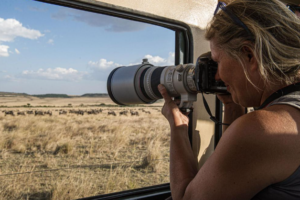
Tarangire Safari for Photographers
Tarangire’s elephants, baobab trees, river valleys, and seasonal wildlife concentrations provide exceptional photographic opportunities.
A private vehicle is strongly recommended for serious photographers. It gives you greater control over vehicle positioning and allows additional time at sightings.
Photography travelers should consider bringing:
- Telephoto lens
- Wide-angle lens
- Bean bag or camera support
- Spare memory cards
- Extra batteries
- Lens-cleaning equipment
- Protective camera bag
- Dust cover
- Power bank or charging adapter
Early morning and late afternoon generally provide softer light. During the dry season, dust can create beautiful golden scenes but also requires careful protection of camera equipment.
Combining Tarangire with Zanzibar
A safari-and-beach itinerary is one of Tanzania’s most popular travel combinations. After exploring Tarangire, Serengeti, and Ngorongoro, you can fly from Arusha or Kilimanjaro to Zanzibar.
A typical package may include:
- Arrival at Kilimanjaro International Airport
- One night in Arusha
- Tarangire safari
- Serengeti and Ngorongoro safari
- Domestic flight to Zanzibar
- Zanzibar beach accommodation
- Airport transfers
- Optional Stone Town and marine activities
Domestic flight schedules should be considered carefully when planning the final safari day. A late flight normally offers a safer connection after returning from the parks.
Responsible Travel in Tarangire
Responsible safari practices help protect wildlife and support local communities.
Visitors should:
- Follow the guide’s instructions
- Remain inside the vehicle unless permitted to exit
- Avoid feeding or disturbing animals
- Keep noise levels low near wildlife
- Never leave litter in the park
- Respect park speed limits
- Avoid pressuring guides to drive off permitted roads
- Use reusable products where possible
- Respect local cultures and communities
Choosing an experienced local safari operator also helps ensure that tourism revenue supports Tanzanian guides, accommodation providers, drivers, cooks, and other tourism workers.
How to Plan Your Tarangire Safari
A successful safari begins with clear information and early preparation.
Step 1: Choose Your Travel Dates
Decide whether you prefer dry-season wildlife concentrations, green-season scenery, lower-season prices, or birdwatching opportunities.
Step 2: Decide How Many Days You Have
Choose between a one-day Tarangire trip and a multi-day Northern Circuit safari.
Step 3: Select Private or Shared Travel
A shared safari reduces costs, while a private safari offers more flexibility.
Step 4: Choose Your Accommodation Category
Select camping, budget, mid-range, or luxury accommodation according to your preferred comfort level.
Step 5: Confirm Your Arrival Details
Provide your international or domestic flight details so airport transfers and the first night in Arusha can be coordinated correctly.
Step 6: Request a Detailed Quotation
The quotation should clearly state accommodation, meals, park fees, transportation, transfers, payment terms, and exclusions.
Step 7: Confirm Early
Early booking is particularly important during July, August, September, October, Christmas, and New Year.
Why Book with Kilipath African Safaris?
Kilipath African Safaris provides locally operated Tanzania safari experiences designed around each traveler’s needs.
When you plan your Tarangire safari with us, you receive:
- Local knowledge and professional planning
- Experienced safari guides
- Well-maintained 4×4 Land Cruisers
- Private and shared safari options
- Budget, mid-range, and luxury packages
- Flexible itinerary design
- Clear package inclusions
- Assistance with airport transfers
- Accommodation coordination
- Safari and Zanzibar combinations
- Support before and during your journey
Our goal is to design a realistic itinerary that matches your available time, interests, comfort expectations, and budget.
Book Your Tarangire Safari from Arusha
Whether you want a one-day Tarangire adventure, a private family safari, a budget group departure, or a complete Northern Circuit and Zanzibar holiday, we can prepare an itinerary around your plans.
Send us the following information:
- Preferred travel dates
- Number of travelers
- Ages of any children
- Number of safari days
- Private or shared preference
- Accommodation category
- Arrival and departure flights
- Approximate budget
- Parks or activities you want to include
Our safari specialists will prepare a personalized proposal with the itinerary, accommodation, inclusions, and total price.
Start your Tarangire safari Arusha planning today and discover one of Tanzania’s most memorable wildlife destinations with Kilipath African Safaris.