A guided Lake Manyara safari holiday offers an unforgettable introduction to the wildlife, landscapes and natural beauty of northern Tanzania. Located at the base of the Great Rift Valley escarpment, Lake Manyara National Park is famous for its diverse habitats, large elephant families, playful baboons, colorful birdlife and spectacular views across the alkaline lake.
Although Lake Manyara is smaller than Serengeti National Park and the Ngorongoro Conservation Area, it contains an impressive variety of environments. During one game drive, you may travel through groundwater forests, open grasslands, acacia woodlands, marshes and the lake’s seasonal shoreline.
An experienced safari guide helps you understand these changing habitats and locate animals that can easily be missed when exploring without expert knowledge. Your guide will explain animal behavior, identify birds and share fascinating information about the park’s ecology, history and conservation.
Lake Manyara can be visited as a day trip from Arusha or included in a longer northern Tanzania safari covering Tarangire, Serengeti and Ngorongoro Crater.
Why Choose a Guided Lake Manyara Safari?
A professional guide can transform an ordinary game drive into a meaningful wildlife experience. Safari guides know the park’s tracks, animal territories, water sources and seasonal wildlife movements.
Your guide will listen for alarm calls, study animal footprints and communicate with other guides to locate interesting sightings. They can also position the safari vehicle carefully for better photographs while respecting park regulations and wildlife.
Benefits of booking a guided safari include:
- Professional wildlife tracking and interpretation
- Better opportunities to locate animals
- Safe and comfortable travel
- Information about Tanzania’s wildlife and ecosystems
- Assistance with park procedures and permits
- Flexible stops for photography
- Private or shared safari options
- Transportation in a purpose-built safari vehicle
- Personalized attention throughout the experience
You do not need previous safari experience. Your guide will explain what to expect and help you enjoy every stage of the journey.
Wildlife in Lake Manyara National Park
Lake Manyara National Park supports a remarkable concentration of wildlife within a relatively small area. The species you encounter will depend on the season, vegetation, water levels and natural animal movements.
Elephants
Lake Manyara is especially well known for its elephants. Visitors frequently encounter family groups moving through the forest or feeding near the woodland.
Watching elephants interact is one of the highlights of a guided Lake Manyara safari holiday. Young calves may play beside their mothers while older elephants use their trunks to collect leaves, branches and grass.
Your guide will maintain a respectful distance while finding a suitable position from which you can observe and photograph the animals.
Tree-Climbing Lions
Lake Manyara is traditionally associated with tree-climbing lions. Lions may occasionally rest on acacia branches, particularly during warm periods when they seek shade and relief from insects.
However, tree-climbing behavior is never guaranteed. Lions are wild animals that move freely, and sightings depend on luck, timing and conditions inside the park.
Even if you do not see a lion in a tree, your guide will search suitable areas and explain the theories behind this unusual behavior.
Giraffes, Zebras and Buffaloes
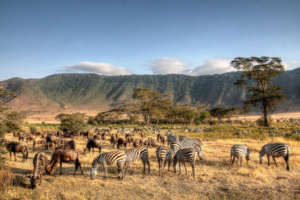
Giraffes can often be observed feeding on acacia trees and other tall vegetation. Zebras, wildebeest and buffaloes may be found in the more open areas, especially where fresh grass and water are available.
The contrast between the elegant giraffes and the dramatic Rift Valley escarpment creates excellent photographic opportunities.
Baboons and Monkeys
Lake Manyara is famous for its large troops of olive baboons. They are frequently encountered near the forest and along the roadside.
Visitors may observe grooming, feeding, playing and social interactions within the troop. Blue monkeys and vervet monkeys can also be found in the forested sections of the park.
Hippos and Other Animals
Hippos inhabit the park’s pools and wetland areas. They normally spend much of the day in the water, although they may occasionally be seen grazing on land.
Other possible sightings include:
- Warthogs
- Waterbucks
- Impalas
- Bushbucks
- Dik-diks
- Mongooses
- Hyenas
- Jackals
- Klipspringers
- Leopards
Leopards are present but naturally elusive. Seeing one requires patience and good fortune.
Birdwatching at Lake Manyara
Lake Manyara is one of northern Tanzania’s most rewarding birdwatching destinations. Hundreds of resident and migratory bird species have been recorded within the park and its surrounding ecosystem.
Depending on the season and lake conditions, visitors may see flamingos feeding along the shoreline. Their numbers vary considerably because water depth, salinity and food availability influence their movements.
Other birds that may be observed include:
- Pelicans
- Cormorants
- Storks
- Herons
- Egrets
- Kingfishers
- Hornbills
- Eagles
- Vultures
- Bee-eaters
- Rollers
- Weavers
Your guide can help identify different species and explain their feeding habits, migration patterns and ecological roles. Binoculars and a camera with a zoom lens are helpful for birdwatching.
The Landscapes of Lake Manyara
Lake Manyara National Park is visually striking because several ecosystems are concentrated within a compact protected area.
Groundwater Forest
Near the park entrance, underground water from the Rift Valley escarpment supports a lush forest. Tall trees, dense vegetation and shaded tracks make this section feel very different from Tanzania’s open savannah parks.
The forest provides habitat for elephants, baboons, blue monkeys, bushbucks and numerous birds.
Acacia Woodland
The acacia woodland is an important feeding area for giraffes, elephants and antelopes. Lions and leopards may also use the woodland for shelter and hunting.
Your guide will carefully scan the branches, bushes and surrounding grass for wildlife.
Floodplains and Wetlands
The open floodplains attract zebras, wildebeest, buffaloes and other grazing animals. Wetland areas support hippos, waterbirds and smaller aquatic species.
Because water levels change throughout the year, the appearance of these areas can vary significantly between visits.
Great Rift Valley Escarpment
The steep escarpment forms an impressive backdrop to the park. It creates beautiful landscape views and emphasizes the geological forces that shaped this part of East Africa.
Sample One-Day Lake Manyara Safari Itinerary
Morning: Departure From Arusha
Your guided Lake Manyara safari begins with collection from your hotel in Arusha. After meeting your professional driver-guide, you travel southwest through Tanzania’s countryside toward Mto wa Mbu and Lake Manyara National Park.
The drive normally takes approximately two to three hours, depending on traffic and your departure point.
Along the way, you may see farms, villages, banana plantations and views of the Great Rift Valley. Your guide can explain local agriculture, regional geography and daily life in northern Tanzania.
Late Morning: Enter Lake Manyara National Park
After completing the entrance formalities, you begin your game drive through the groundwater forest. Look for baboons, monkeys, elephants and forest birds.
The environment gradually changes as you continue toward the woodland, floodplains and lake.
Midday: Picnic Lunch
A packed lunch is normally served at a designated picnic area. This gives you time to relax, enjoy the surroundings and discuss the morning’s sightings with your guide.
Special dietary requirements can usually be arranged when communicated during booking.
Afternoon: Wildlife Viewing
Continue exploring the park in search of giraffes, buffaloes, zebras, antelopes, elephants, hippos and predators.
Your guide will choose the route according to current wildlife information, road conditions and the time available.
Late Afternoon: Return to Arusha
After completing the game drive, leave the park and return to Arusha. Arrival is generally in the early evening, although the exact time depends on traffic and the day’s schedule.
You will be dropped off at your hotel or another agreed location.
Multi-Day Lake Manyara Safari Options
Lake Manyara fits naturally into many northern Tanzania itineraries.
Two-Day Lake Manyara and Ngorongoro Safari
Day 1: Arusha to Lake Manyara for a game drive, followed by an overnight stay in Mto wa Mbu or Karatu.
Day 2: Early departure for a Ngorongoro Crater game drive, followed by the return to Arusha.
This option combines Lake Manyara’s forests and birdlife with the dense wildlife population of Ngorongoro Crater.
Three-Day Lake Manyara, Tarangire and Ngorongoro Safari
Day 1: Arusha to Tarangire National Park
Day 2: Lake Manyara National Park
Day 3: Ngorongoro Crater and return to Arusha
This itinerary provides three different wildlife environments within a manageable period.
Five-Day Northern Tanzania Safari
Day 1: Tarangire National Park
Day 2: Lake Manyara National Park
Day 3: Serengeti National Park
Day 4: Serengeti and transfer toward Ngorongoro
Day 5: Ngorongoro Crater and return to Arusha
This is an excellent choice for travelers who want a more complete northern-circuit experience.
Private and Shared Safari Options
Private Lake Manyara Safari
A private safari gives you a dedicated vehicle and guide. You can decide how long to remain at sightings and enjoy greater flexibility during the game drive.
Private tours are especially suitable for:
- Couples and honeymooners
- Families with children
- Photographers
- Small groups of friends
- Travelers seeking privacy
- Guests with special interests
- Visitors who prefer a flexible schedule
Private safaris may cost more per person, particularly for solo travelers or couples, but they offer a highly personalized experience.
Shared Lake Manyara Safari
On a shared safari, you travel with other guests in the same vehicle. This can reduce the cost and create a social atmosphere.
A shared tour generally follows a fixed schedule, so there may be less flexibility concerning departure times, lunch stops and the duration of individual wildlife sightings.
Availability depends on your travel dates and whether other guests are booked on a compatible itinerary.
Safari Vehicle and Comfort
A guided Lake Manyara safari is normally operated in a specially prepared 4×4 Land Cruiser with a pop-up roof. The raised roof allows travelers to stand safely and enjoy unobstructed wildlife views.
Depending on the vehicle and package, amenities may include:
- Window seats
- Charging sockets
- Cooler or refrigerator
- Drinking water
- First-aid kit
- Radio communication
- Seat belts
- Binoculars to share
- Experienced driver-guide
Roads inside the park are natural tracks and can sometimes be dusty, muddy or uneven. Comfortable clothing and practical footwear are recommended.
Best Time for a Guided Lake Manyara Safari Holiday
Lake Manyara can be visited throughout the year. Each season offers a different experience.
June to October
The dry season generally offers easier wildlife viewing because animals gather around reliable water sources and vegetation is less dense.
Conditions are usually sunny, although mornings can be cool. This is a popular travel period, so early booking is recommended.
November to December
Short rains can refresh the landscape and attract migratory birds. Rain showers are often brief, but conditions vary each year.
The renewed vegetation creates attractive scenery and softer light for photography.
January to February
This period is often warm and relatively dry. It is a good time to combine Lake Manyara with other northern Tanzania destinations.
Birdlife remains rewarding, and the green landscapes can be very photogenic.
March to May
The main rainy season usually produces lush vegetation, dramatic clouds and fewer visitors. Some roads may become muddy, and wildlife can be more difficult to spot in dense vegetation.
Travelers who appreciate green scenery, birdwatching and quieter parks may still enjoy this season.
Accommodation Near Lake Manyara
A one-day safari does not require accommodation near the park. However, travelers on multi-day itineraries can stay in Mto wa Mbu, Karatu, along the Rift Valley escarpment or at selected properties closer to the park.
Budget Accommodation
Budget options may include campsites, guesthouses and simple lodges. They provide essential facilities at an affordable price.
Public camping generally involves tents and shared bathroom facilities. Camping equipment, mattresses and sleeping bags can be included in organized packages.
Mid-Range Lodges and Tented Camps
Mid-range accommodation normally offers private rooms or tents with ensuite bathrooms, comfortable beds and restaurant facilities.
This category provides a good balance between comfort and price.
Luxury Accommodation
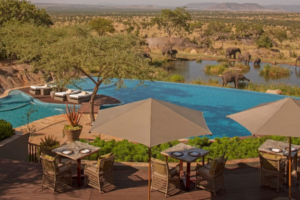
Luxury properties may offer spacious rooms, swimming pools, elevated views, fine dining and personalized service.
Some lodges along the Rift Valley escarpment provide panoramic views across the Lake Manyara ecosystem.
What Is Included?
Inclusions vary by package, but a guided safari commonly covers:
- Transportation in a 4×4 safari vehicle
- Professional English-speaking driver-guide
- Lake Manyara park entrance fees
- Game-drive services
- Drinking water
- Picnic lunch
- Hotel collection and drop-off in Arusha
- Applicable government taxes
Multi-day packages may also include accommodation, breakfasts, lunches, dinners and camping equipment.
What Is Usually Excluded?
The following items may not be included unless clearly stated:
- International and domestic flights
- Tanzania visa fees
- Travel insurance
- Alcoholic beverages
- Personal purchases
- Optional activities
- Hotel accommodation before or after the safari
- Airport transfers
- Tips for the guide and safari team
- Medical expenses
Always review the final itinerary and inclusion list before paying your deposit.
How Much Does a Lake Manyara Safari Cost?
The price depends on several factors:
- Private or shared transportation
- Number of travelers
- Length of the safari
- Accommodation category
- Travel season
- Starting and finishing location
- Park fees and taxes
- Additional destinations
- Airport transfers
- Optional cultural or adventure activities
A private safari becomes more economical per person when vehicle costs are shared among several travelers. Shared tours are often better suited to solo travelers with a limited budget.
Request a personalized quotation using your dates, group size and preferred accommodation level to receive an accurate price.
What to Pack
Pack lightly and choose neutral-colored, comfortable clothing.
Recommended items include:
- Passport and travel documents
- Lightweight shirts and trousers
- Warm jacket for early mornings
- Comfortable closed shoes
- Sun hat
- Sunglasses
- Sunscreen
- Insect repellent
- Camera and spare batteries
- Binoculars
- Reusable water bottle
- Personal medication
- Small daypack
- Rain jacket during wetter months
Avoid very bright clothing when possible. Neutral colors such as beige, khaki, brown and olive are practical for safari conditions.
Photography Tips
Lake Manyara offers opportunities for wildlife, bird and landscape photography.
For better results:
- Carry a zoom lens for animals and birds.
- Bring spare batteries and memory cards.
- Protect equipment from dust.
- Use faster shutter speeds when photographing moving wildlife.
- Include the escarpment or woodland to create environmental portraits.
- Ask your guide to position the vehicle when it is safe to do so.
- Remain patient and watch animal behavior.
- Avoid loud noises or sudden movements.
A private safari is particularly useful for serious photographers because it offers greater control over positioning and the length of each stop.
Responsible Safari Travel
Responsible tourism helps protect Lake Manyara’s wildlife and supports communities surrounding the park.
Visitors should:
- Follow their guide’s instructions.
- Never feed animals.
- Remain inside the vehicle unless at an authorized area.
- Keep noise levels low near wildlife.
- Never leave litter inside the park.
- Avoid pressuring guides to drive off-road illegally.
- Respect local people when taking photographs.
- Conserve water at camps and lodges.
- Support ethical tourism businesses.
Wildlife sightings are natural experiences and cannot be guaranteed. Patient, respectful observation usually produces the most rewarding encounters.
Visiting Mto wa Mbu
Mto wa Mbu is a lively town near the entrance to Lake Manyara National Park. It is surrounded by farms and is known for its cultural diversity.
Depending on your schedule, you may add:
- A guided village walk
- A local market visit
- Banana plantation tour
- Traditional lunch
- Bicycle tour
- Art and craft shopping
- Local food experience
A community visit can add cultural depth to your safari, but it should be arranged through a responsible guide who respects residents and local customs.
Combine Lake Manyara With Other Destinations
Tarangire National Park
Tarangire is renowned for its elephants, baobab trees and seasonal wildlife concentrations. It combines easily with Lake Manyara because the parks are relatively close to each other.
Ngorongoro Crater
Ngorongoro Crater supports an extraordinary range of wildlife within a dramatic volcanic landscape. It is one of the most popular additions to a Lake Manyara safari.
Serengeti National Park
Serengeti offers vast plains, abundant predators and the seasonal movements of the Great Migration. Allow several additional days when adding Serengeti because of the driving distances involved.
Lake Eyasi
Lake Eyasi provides cultural experiences and opportunities to learn about local communities. Visits should be conducted respectfully and with realistic expectations.
Zanzibar
After completing a northern Tanzania safari, many travelers fly to Zanzibar for beaches, Stone Town, snorkeling and relaxation.
Frequently Asked Questions
Is Lake Manyara worth visiting?
Yes. Lake Manyara offers varied habitats, elephants, primates, birdlife and beautiful Rift Valley scenery. It is particularly suitable for first-time visitors, families and travelers combining several northern Tanzania parks.
Can I see tree-climbing lions?
Tree-climbing lions are associated with Lake Manyara, but sightings cannot be guaranteed. Your guide will search areas where lions are most likely to rest.
How long do I need in the park?
One full game drive is suitable for most visitors. Lake Manyara can be explored as a day trip or as part of a longer safari itinerary.
Can I visit from Arusha in one day?
Yes. A day trip from Arusha is possible, although an early departure is recommended to maximize wildlife-viewing time.
Is Lake Manyara suitable for children?
Yes. The manageable driving distances, varied scenery and frequent sightings of elephants and monkeys can make it an enjoyable family destination.
Are flamingos always present?
No. Flamingo numbers depend on water levels, salinity, food availability and seasonal movement. Large concentrations should never be promised.
Is the safari safe?
Organized safaris are generally safe when travelers follow park rules and their guide’s instructions. Wildlife must always be treated with caution and respect.
Can dietary requirements be accommodated?
Vegetarian, vegan, halal and other dietary requirements can generally be arranged with advance notice.
Can I book a private guide?
Yes. A private safari includes a dedicated vehicle and guide, offering greater comfort, privacy and flexibility.
When should I book?
Booking early is recommended for travel between June and October and during Christmas and New Year. Last-minute trips may still be possible depending on vehicle and accommodation availability.
Book Your Guided Lake Manyara Safari Holiday
A guided Lake Manyara safari holiday is an excellent way to experience Tanzania’s elephants, primates, birdlife and magnificent Rift Valley landscapes. Whether you choose a one-day excursion from Arusha or combine the park with Tarangire, Serengeti and Ngorongoro, an experienced guide will help you make the most of every wildlife encounter.
Contact Kilipath African Safaris with your travel dates, number of guests and preferred accommodation category. We will prepare a personalized itinerary based on your interests, available time and budget.