A Tanzania safari tour through the Northern Circuit offers one of Africa’s most rewarding wildlife experiences. This celebrated route connects several exceptional destinations, including Serengeti National Park, Ngorongoro Crater, Tarangire National Park, Lake Manyara National Park, and Arusha National Park.
The circuit is especially convenient because most safaris begin in Arusha, Tanzania’s primary northern safari city. From there, travelers can explore different landscapes without taking long domestic flights between every destination.
Each park brings something different to the journey. Tarangire is famous for elephants and baobab trees, Serengeti offers vast plains and excellent predator sightings, Ngorongoro provides an extraordinary concentration of wildlife inside its ancient caldera, and Lake Manyara introduces travelers to forests, wetlands, birds, and beautiful Rift Valley scenery.
This Tanzania safari tour Northern Circuit travel guide explains how the route works, where to go, how many days you need, what accommodation is available, and how to prepare for your adventure.
What Is the Tanzania Northern Safari Circuit?
The Northern Circuit is a collection of national parks and conservation areas in northern Tanzania. Its main destinations are relatively well connected, allowing visitors to combine several parks in one itinerary.
The principal destinations include:
- Arusha National Park
- Tarangire National Park
- Lake Manyara National Park
- Ngorongoro Conservation Area
- Serengeti National Park
Longer itineraries may also include Lake Eyasi, Lake Natron, Ndutu, Olduvai Gorge, or a cultural visit near Mto wa Mbu.
The Northern Circuit is Tanzania’s most popular safari region because it combines abundant wildlife, remarkable landscapes, different accommodation categories, and reliable safari infrastructure. It is suitable for first-time visitors, families, couples, photographers, honeymooners, groups, and experienced safari travelers.
Where Do Northern Circuit Safaris Begin?
Most Northern Circuit safaris begin in Arusha. Travelers usually reach Arusha through one of three airports:
Kilimanjaro International Airport
Kilimanjaro International Airport is the main international gateway for northern Tanzania. It receives regional and international flights and is located between Arusha and Moshi.
Visitors arriving at this airport can arrange a private transfer to their hotel in Arusha. Depending on traffic, the drive generally takes approximately one to one and a half hours.
Arusha Airport
Arusha Airport mainly handles domestic and safari flights. It is convenient for travelers flying from Zanzibar, Dar es Salaam, Serengeti, or other destinations within Tanzania.
Julius Nyerere International Airport
Some international travelers arrive in Dar es Salaam before taking a connecting flight to Kilimanjaro International Airport, Arusha Airport, or directly to an airstrip in Serengeti.
It is normally advisable to arrive in Arusha at least one day before a shared safari begins. Many group departures leave early in the morning, and arriving the previous day reduces the risk of missing the departure because of a delayed flight.
Main Destinations on a Northern Circuit Safari
Tarangire National Park
Tarangire is often the first destination on a Northern Circuit itinerary. It is approximately two hours from Arusha and is especially known for its large elephant population.
The park’s landscape includes ancient baobab trees, seasonal wetlands, open grasslands, acacia woodlands, and the Tarangire River. During the dry season, this river becomes an important source of water, attracting animals from surrounding areas.
Wildlife frequently seen in Tarangire includes:
- Elephants
- Giraffes
- Zebras
- Wildebeest
- Buffaloes
- Impalas
- Warthogs
- Lions
- Leopards
- Cheetahs
- Different antelope species
Tarangire is also an excellent birdwatching destination, with hundreds of recorded species. Its changing terrain makes it attractive to photographers seeking wildlife images with distinctive natural backgrounds.
How much time should you spend in Tarangire?
One complete game-drive day is sufficient for many itineraries. Travelers with more time can spend two nights in or near the park, allowing them to explore quieter areas and enjoy morning and afternoon game drives.
Lake Manyara National Park
Lake Manyara National Park lies at the base of the Great Rift Valley escarpment. Although it is smaller than Serengeti and Tarangire, it contains an impressive variety of habitats.
Visitors may pass through groundwater forest, open plains, wetlands, acacia woodland, and areas overlooking the lake. The park is known for primates, birds, elephants, giraffes, buffaloes, hippos, and occasional big-cat sightings.
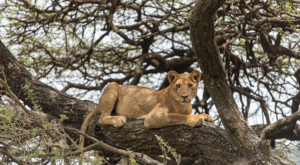
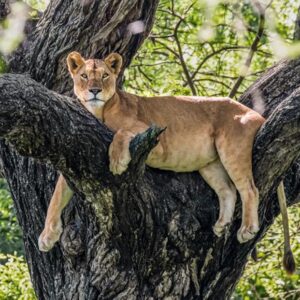
Lake Manyara is associated with tree-climbing lions, although seeing them cannot be guaranteed. Wildlife movements can also change with rainfall and lake-water levels.
The park is particularly suitable for:
- Birdwatchers
- Families
- First-time safari visitors
- Travelers with shorter itineraries
- Visitors combining wildlife and cultural activities
A Lake Manyara game drive is often followed by an overnight stay in Mto wa Mbu or Karatu.
Serengeti National Park
Serengeti National Park is the centerpiece of many Tanzania Northern Circuit safaris. Its name is commonly connected with the idea of an endless plain, which accurately describes much of its remarkable landscape.
The Serengeti ecosystem supports an extraordinary variety of wildlife, including:
- Lions
- Leopards
- Cheetahs
- Elephants
- Buffaloes
- Giraffes
- Hippos
- Crocodiles
- Hyenas
- Jackals
- Zebras
- Wildebeest
- Gazelles
The central Serengeti, known as Seronera, provides excellent wildlife viewing during much of the year. Its permanent water sources attract resident animals, while its combination of plains and rocky outcrops creates favorable conditions for predators.
The Great Wildebeest Migration
The Great Migration involves vast herds of wildebeest, zebras, and gazelles moving through the Serengeti–Mara ecosystem in search of fresh grazing and water.
The movement is continuous and influenced by seasonal rainfall, so exact sightings cannot be guaranteed. Different sections of the ecosystem become important at different times.
A general guide is:
- December to March: Southern Serengeti and Ndutu calving region
- April to May: Herds gradually move through central and western areas
- June to July: Western and northern movement
- July to October: Northern Serengeti and possible Mara River crossings
- November: Herds often begin returning south as rainfall patterns change
Travelers should choose their Serengeti region based on their travel month. The central Serengeti remains valuable even when the main herds are elsewhere because it supports abundant resident wildlife.
How many nights should you spend in Serengeti?
Two nights are recommended for a well-balanced Northern Circuit safari. Three or four nights provide a more relaxed experience and are particularly worthwhile for photographers and migration-focused travelers.
Shared camping itineraries sometimes include only one night in Serengeti because they follow a fixed route. Private safaris allow more flexibility and make it easier to spend additional nights in the park.
Ngorongoro Conservation Area
The Ngorongoro Conservation Area combines wildlife conservation, spectacular scenery, archaeological importance, and traditional Maasai land use.
Its most famous feature is Ngorongoro Crater, a vast volcanic caldera containing grassland, forest, swamps, and a seasonal lake. The crater floor supports a dense wildlife population within a relatively compact area.
Animals commonly observed include:
- Lions
- Elephants
- Buffaloes
- Zebras
- Wildebeest
- Hippos
- Hyenas
- Jackals
- Gazelles
- Flamingos and other waterbirds
The crater is also one of Tanzania’s best-known places for possible black rhinoceros sightings. However, rhinos are wild, often remain at a distance, and cannot be guaranteed.
Safari vehicles descend into the crater using designated access roads. Game drives typically last several hours before vehicles return to the crater rim and continue toward Karatu or Arusha.
Is Ngorongoro a national park?
No. It is a multiple-use conservation area rather than a conventional national park. Wildlife, visitors, and local Maasai communities share the broader conservation landscape under regulated conditions.
Arusha National Park
Arusha National Park is close to Arusha city and is often visited before or after a longer safari. The park includes Mount Meru, forest, open grasslands, the Momella Lakes, and the Ngurdoto Crater.
It is well known for giraffes, buffaloes, zebras, monkeys, antelopes, and colorful birdlife. Large predators are less prominent than in Serengeti or Ngorongoro, but the park offers activities not commonly available elsewhere.
Possible activities include:
- Vehicle game drives
- Guided walking safaris
- Canoeing, subject to local conditions
- Birdwatching
- Mount Meru trekking
Arusha National Park is a useful addition for travelers with an extra day or those seeking an active safari experience.
Recommended Northern Circuit Safari Itineraries
Three-Day Northern Circuit Safari
A three-day itinerary is suitable for travelers with limited time. One popular route is:
Day 1: Arusha to Tarangire National Park
Day 2: Ngorongoro Crater
Day 3: Lake Manyara National Park and return to Arusha
This route does not include Serengeti because attempting to cover all the major destinations in three days would involve too much driving.
Four-Day Serengeti and Ngorongoro Safari
A four-day itinerary can include:
Day 1: Arusha to Tarangire
Day 2: Tarangire area to Serengeti
Day 3: Serengeti to Ngorongoro
Day 4: Ngorongoro Crater and return to Arusha
This is a popular budget or shared safari route. It covers major destinations but moves relatively quickly.
Five-Day Northern Circuit Safari
A five-day itinerary offers a better balance:
Day 1: Arusha to Tarangire
Day 2: Tarangire area to Serengeti
Day 3: Full or extended Serengeti game drive
Day 4: Serengeti to Ngorongoro
Day 5: Ngorongoro Crater and return to Arusha
Lake Manyara can be added or substituted depending on wildlife interests and travel logistics.
Six-Day Northern Circuit Safari
A six-day safari may follow this route:
Day 1: Arusha to Tarangire
Day 2: Tarangire to Lake Manyara or Karatu
Day 3: Travel to Serengeti with game viewing
Day 4: Full-day Serengeti game drive
Day 5: Serengeti to Ngorongoro
Day 6: Crater game drive and return to Arusha
This itinerary provides more time for wildlife viewing and reduces the feeling of rushing between destinations.
Seven-Day Northern Circuit Safari
Seven days allow travelers to explore the circuit more comfortably:
Day 1: Arusha National Park
Day 2: Tarangire National Park
Day 3: Lake Manyara or a cultural activity
Day 4: Travel to Serengeti
Day 5: Full-day Serengeti game drive
Day 6: Serengeti to Ngorongoro
Day 7: Ngorongoro Crater and return to Arusha
For migration-focused travel, Arusha National Park or Lake Manyara can be replaced by another night in Serengeti, Ndutu, or the northern Serengeti.
Private Safari or Shared Group Safari?
Travelers can explore the Northern Circuit on a private or shared safari.
Private safari
A private safari provides a dedicated vehicle and guide for your party. Departure times, game-drive duration, accommodation, and daily routing can be adjusted more easily.
Private safaris are recommended for:
- Families with children
- Honeymoon couples
- Photographers
- Travelers requiring specific accommodation
- Visitors exploring Ndutu or northern Serengeti
- Groups wanting a flexible schedule
- Travelers requesting guides who speak languages other than English
Shared group safari
A shared safari allows visitors to join other travelers and divide transportation and guide costs. It is one of the most affordable ways to visit Tanzania’s principal northern parks.
Shared departures normally use a fixed itinerary. They are ideal for solo travelers, friends, couples, and budget-conscious visitors who are comfortable traveling with others.
A shared vehicle may carry up to approximately seven passengers. Reputable operators should ensure that each traveler has a window seat.
Shared routes do not normally visit remote migration regions such as northern Serengeti or Ndutu because these areas require specialized seasonal itineraries. A private safari is generally necessary for those destinations.
Northern Circuit Accommodation Options
Public Camping
Public camping is generally the most affordable option. Safari camping packages commonly include a tent, mattress, sleeping bag, meals, camping equipment, and the services of a safari chef.
Bathrooms and showers at public campsites are shared. Facilities are basic, but camping provides a close connection to nature and can be an exciting part of the safari experience.
Travelers should bring warm clothes for Ngorongoro because the crater rim can become cold, particularly during the evening and early morning.
Budget Lodges
Budget lodges provide simple rooms and permanent beds. Many offer private bathrooms, although travelers should confirm the exact facilities before booking.
Budget lodges are commonly found in Arusha, Mto wa Mbu, and Karatu. Options inside Serengeti are more limited and usually cost more because of their remote location.
Tented Camps
Tented camps combine canvas structures with many lodge-style comforts. Depending on the property, tents may contain permanent beds, private bathrooms, hot showers, electricity, charging facilities, and furnished verandas.
A tented camp is different from public camping. Guests stay in an established safari tent rather than a small mobile camping tent.
Mid-Range Lodges
Mid-range accommodation usually includes comfortable rooms, private bathrooms, restaurant meals, and attractive common areas. These lodges are suitable for visitors who want comfort without choosing the highest luxury category.
Luxury Lodges and Camps
Luxury properties may feature spacious suites, premium dining, swimming pools, private decks, personalized service, and exceptional locations.
Some luxury camps are seasonal and follow the general movement of the Great Migration. Their rates vary considerably according to location and season.
Best Time for a Tanzania Northern Circuit Safari
The Northern Circuit can be visited throughout the year. The best month depends on the traveler’s priorities.
June to October
This is the long dry season. Wildlife often gathers around rivers and permanent water sources, while vegetation is generally less dense.
It is a popular period for Tarangire, central Serengeti, Ngorongoro, and northern Serengeti. July through October is also associated with migration activity in the north, including possible river crossings.
November to December
Short rains may begin during this period. Landscapes become greener, birdlife is excellent, and some areas can feel less crowded than during peak season.
Rainfall is usually irregular rather than continuous, although weather conditions vary each year.
January to March
This is an important period for southern Serengeti and Ndutu. Many wildebeest calves are born during the calving season, which can also attract predators.
Visitors specifically interested in calving should choose accommodation in or near the appropriate seasonal region instead of staying only in central Serengeti.
April and May
These months usually receive more rainfall. Some travelers avoid this period, but it can offer green landscapes, dramatic skies, fewer vehicles, and attractive accommodation offers.
Certain seasonal camps may close, and unpaved roads can become muddy. A well-maintained four-wheel-drive safari vehicle is therefore important.
Transportation During the Safari
Most road-based Northern Circuit safaris use a four-wheel-drive Land Cruiser with a pop-up roof. The raised roof allows passengers to stand safely and observe or photograph wildlife during game drives.
A well-equipped safari vehicle may include:
- Individual window seats
- Charging points
- Seat belts
- A first-aid kit
- A radio communication system
- A cooler or refrigerator
- Drinking water
- Binoculars, sometimes shared between passengers
Road journeys are part of the experience, but some routes can be long and bumpy. Travelers wanting to reduce driving time can arrange a fly-in or fly-out safari using airstrips in Serengeti.
How Long Are the Driving Distances?
Approximate journey times include:
- Arusha to Tarangire: about two hours
- Tarangire or Mto wa Mbu to central Serengeti: approximately five to six hours, depending on stops
- Central Serengeti to Ngorongoro: several hours with game viewing
- Ngorongoro or Karatu to Arusha: approximately three to four hours
- Northern Serengeti to Karatu: usually a long travel day unless a flight is used
Road conditions, weather, wildlife sightings, park procedures, and traffic can affect these estimates.
What Is Included in a Northern Circuit Safari?
Inclusions depend on the operator and accommodation category, but a comprehensive safari package often covers:
- Private or shared four-wheel-drive safari vehicle
- Professional English-speaking safari guide
- National park entrance fees
- Ngorongoro Crater service fee when included
- Accommodation
- Meals specified in the itinerary
- Drinking water during the safari
- Game drives
- Government taxes
- Airport or hotel transfers when stated
- Camping equipment and chef for camping safaris
Common exclusions include:
- International flights
- Tanzania visa
- Travel insurance
- Alcoholic beverages
- Guide and chef gratuities
- Personal purchases
- Optional cultural activities
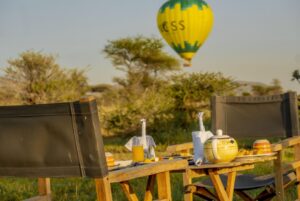
- Balloon safari
- Additional hotel nights not listed
- Domestic flights unless specifically included
Always check the written itinerary and inclusion list before making a deposit.
What Should You Pack?
Travelers should pack light, practical clothing suitable for changing temperatures.
Recommended items include:
- Lightweight shirts
- Comfortable trousers or shorts
- Warm sweater or fleece
- Light rain jacket
- Comfortable closed shoes
- Hat
- Sunglasses
- Sunscreen
- Insect repellent
- Personal medication
- Camera and extra batteries
- Power bank
- Universal travel adapter
- Small binoculars
- Reusable water bottle
- Soft-sided travel bag
- Copies of important documents
Neutral colors such as beige, brown, khaki, and olive are useful. Avoid very bright clothing during game drives. Dark blue and black clothing may attract tsetse flies in some areas, particularly Tarangire.
Temperatures on the Ngorongoro rim can be surprisingly cold, so a warm jacket is important even when traveling during a generally warm season.
Responsible Safari Travel
Responsible tourism helps protect Tanzania’s wildlife and supports nearby communities.
Travelers should:
- Follow instructions from the safari guide
- Never feed wild animals
- Avoid shouting during sightings
- Keep a safe distance from wildlife
- Remain inside the vehicle unless the guide confirms it is safe to exit
- Avoid leaving litter in parks
- Reduce unnecessary plastic use
- Respect Maasai and other local communities
- Ask permission before photographing people
- Select responsible operators and accommodation providers
Safari vehicles must use designated tracks except where park authorities permit otherwise. Asking a guide to break park rules can disturb wildlife and damage the environment.
Why Book a Tanzania Northern Circuit Safari?
A Northern Circuit safari brings together many of Tanzania’s greatest natural attractions in one journey. Travelers can watch elephant families beneath Tarangire’s baobab trees, search for predators across the Serengeti plains, descend into Ngorongoro Crater, and experience the scenery of the Great Rift Valley.
The route can be adapted to different budgets and travel styles, from affordable shared camping trips to private luxury safaris. It can also be combined with Kilimanjaro trekking, cultural activities, Lake Natron, Lake Eyasi, or a relaxing Zanzibar holiday.
With the right itinerary, suitable accommodation, and an experienced guide, a Tanzania safari tour through the Northern Circuit becomes far more than a wildlife-viewing trip. It is a complete African journey filled with changing landscapes, memorable encounters, and unforgettable moments.