A top Tanzania wildlife safari offers travelers the chance to experience some of Africa’s most famous wildlife areas, breathtaking landscapes and remarkable game-viewing opportunities. From lions roaming the Serengeti plains to huge elephant herds beneath the baobab trees of Tarangire, Tanzania has an extraordinary variety of safari experiences.
The country’s Northern Safari Circuit is particularly popular because travelers can combine Serengeti National Park, Ngorongoro Crater and Tarangire National Park in one itinerary. Tanzania’s official tourism information highlights these three destinations for their wildlife, landscapes, photographic opportunities and distinctive safari experiences.
Whether you are arranging your first African holiday, a honeymoon, family adventure, photographic safari or private luxury trip, Tanzania provides options ranging from short three-day tours to extended wildlife expeditions.
At Kilipath African Safaris, we can organize private and shared safari experiences according to your travel dates, accommodation preference and budget.
Why Choose Tanzania for a Wildlife Safari?
Tanzania combines several different ecosystems within one destination. During a single safari you may travel through baobab-covered landscapes, open savannah, forests, lakes, volcanic highlands and the enormous plains of the Serengeti.
Travelers come primarily for wildlife including:
- Lions
- African elephants
- Leopards
- Cheetahs
- Buffalo
- Black rhinos
- Giraffes
- Zebras
- Wildebeest
- Hippos
- Hyenas
- Gazelles
- Numerous bird species
Tanzania’s tourism authorities highlight wildlife destinations including Serengeti, Tarangire, Lake Manyara, Ngorongoro, Ruaha and Nyerere/Selous among the country’s major natural attractions.
Another advantage is flexibility. Travelers can choose private safaris, group safaris, camping adventures, mid-range lodge safaris or luxury tented camps.
Best Places for a Top Tanzania Wildlife Safari
1. Serengeti National Park
For many travelers, no Tanzania safari is complete without visiting the Serengeti National Park.
Its enormous open plains provide excellent conditions for observing wildlife in their natural environment. Lions, cheetahs, leopards, elephants, giraffes, zebras and wildebeest are among the animals visitors may encounter.
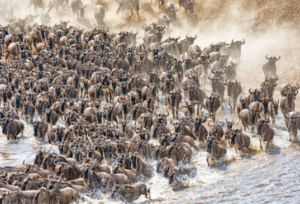
The Serengeti ecosystem is also internationally known for the Great Wildebeest Migration, when large numbers of wildebeest, zebras and other herbivores move through different areas of the ecosystem in search of grazing and water.
Tanzania Tourism describes Serengeti as one of the country’s signature safari landscapes, with extensive plains and rich wildlife.
Why Visit Serengeti?
Serengeti is suitable for:
- Big-cat viewing
- Wildlife photography
- Great Migration safaris
- Honeymoon safaris
- Balloon safaris
- Family wildlife adventures
- Private game drives
Spending at least two nights in or around Serengeti generally gives travelers more time to explore different wildlife areas.
2. Ngorongoro Crater
The Ngorongoro Crater is another important stop on a Tanzania wildlife itinerary.
Travelers descend from the crater rim into the caldera for a game drive through grasslands, wetlands and woodland areas. Wildlife can include lions, elephants, buffalo, zebras, wildebeest, hippos, hyenas and, with luck, black rhinos.
Tanzania Tourism describes Ngorongoro as a globally recognized conservation area with remarkable wildlife and landscapes.
What Makes Ngorongoro Special?
One major advantage is that many different animals can be encountered within a relatively concentrated area.
A typical Ngorongoro safari includes:
- Early morning departure
- Descent into the crater
- Several hours of game viewing
- Picnic lunch
- Wildlife photography
- Return toward Karatu or Arusha
Combining Ngorongoro with Serengeti creates one of Tanzania’s classic safari routes.
3. Tarangire National Park
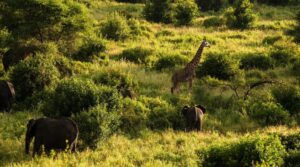
Tarangire National Park is especially famous for elephants and its impressive baobab landscapes.
During a game drive, visitors may see elephants, giraffes, zebras, wildebeest, buffalo, antelopes and predators such as lions.
Tanzania’s official tourism information specifically highlights Tarangire’s elephant herds and baobab scenery as major attractions.
Tarangire is also conveniently located for itineraries beginning or ending around Arusha.
Tarangire Is Excellent For:
- Elephant viewing
- Photography
- Family safaris
- Short Tanzania safaris
- Bird watching
- Northern Circuit itineraries
It can easily be combined with Serengeti and Ngorongoro on a four- or five-day safari.
4. Lake Manyara National Park
Lake Manyara offers a very different environment from the Serengeti.
Visitors travel through forest, open areas and landscapes surrounding the lake. Depending on season and location, wildlife may include elephants, giraffes, buffalo, baboons, zebras and various bird species.
It is particularly useful for travelers who want to add another ecosystem to their Northern Tanzania safari without extending the itinerary significantly.
Lake Manyara is commonly combined with:
Arusha → Lake Manyara → Serengeti → Ngorongoro → Arusha
5. Nyerere National Park
Travelers looking beyond Northern Tanzania can consider Nyerere National Park in the south.
The region provides a different style of safari and can be especially attractive for travelers already visiting Dar es Salaam or Zanzibar.
Depending on the itinerary, safari experiences may combine traditional wildlife drives with other activities available in the area.
Nyerere can be a good option for travelers looking for:
- Southern Tanzania safaris
- Fewer busy safari routes
- Longer wilderness experiences
- Safari-and-Zanzibar combinations
6. Ruaha National Park
Ruaha National Park is an excellent destination for travelers who want a more remote safari environment.
The park is known for expansive wilderness scenery and diverse wildlife. Tanzania’s official tourism material identifies Ruaha among the country’s major wildlife destinations.
A Ruaha safari is particularly suitable for experienced safari travelers, photographers and visitors interested in exploring Tanzania beyond the more frequently traveled Northern Circuit.
What Animals Can You See on a Tanzania Safari?
Many travelers hope to see the Big Five:
Lion
Tanzania provides excellent lion-viewing opportunities, especially in Serengeti and Ngorongoro.
Leopard
Leopards are more elusive. Your professional safari guide searches trees, rocky areas and other habitats where these solitary cats may be encountered.
Elephant
Tarangire is particularly associated with elephant viewing, although elephants also occur in several other Tanzanian wildlife areas.
Buffalo
Large buffalo are common in several parks and conservation areas.
Rhino
Black rhinos are among Tanzania’s rarer safari sightings. Ngorongoro is one location where visitors may have an opportunity to see them, but wildlife sightings can never be guaranteed.
Besides the Big Five, a top Tanzania wildlife safari can potentially reveal cheetahs, giraffes, hippos, crocodiles, hyenas, warthogs, wildebeest, zebras and numerous antelope species.
When Is the Best Time for a Tanzania Wildlife Safari?
Tanzania offers wildlife safaris throughout the year, but conditions change by season and destination.
June to October
The generally drier months are popular because vegetation can be thinner and animals often gather near water sources.
These months are also important for travelers visiting northern Serengeti during periods when migration herds may be in that part of the ecosystem.
December to March
This period is particularly attractive for travelers interested in the southern Serengeti and Ndutu region.
The broader migration cycle is influenced by rainfall and natural conditions, so exact herd locations can vary each year.
April and May
These months can experience heavier rainfall. Landscapes become green and beautiful, and some travelers appreciate the quieter atmosphere.
Rather than choosing dates based only on a general “best month,” it is better to match your dates with the park and wildlife experience you want.
How Many Days Do You Need for a Tanzania Safari?
The ideal safari length depends on the parks you want to visit.
3-Day Safari
A shorter safari might include:
Day 1: Serengeti
Day 2: Serengeti
Day 3: Ngorongoro Crater
This works particularly well for travelers with limited time.
4-Day Safari
One of the most popular routes is:
Day 1: Tarangire National Park
Day 2: Serengeti National Park
Day 3: Serengeti to Ngorongoro
Day 4: Ngorongoro Crater and return to Arusha
This follows the famous Northern Tanzania safari circuit highlighted by Tanzania Tourism.
5-Day Safari
With five days, travelers can slow down and spend more time searching for wildlife.
A possible itinerary is:
Day 1: Tarangire
Day 2: Serengeti
Day 3: Full-day Serengeti
Day 4: Serengeti → Ngorongoro
Day 5: Ngorongoro Crater → Arusha
6–8 Day Safari
Longer trips allow more relaxed game drives, multiple Serengeti nights and additional destinations such as Lake Manyara.
Private vs Shared Tanzania Wildlife Safari
Private Safari
A private safari gives you your own vehicle and professional driver-guide.
It is a strong choice for:
- Couples
- Honeymooners
- Families
- Photographers
- Groups of friends
- Travelers wanting flexibility
You can spend more time watching particular animals and generally have greater control over your daily program.
Shared Safari
A shared safari allows individual travelers or couples to join other guests in the same safari vehicle.
It is particularly useful for travelers seeking a more affordable way to experience the Northern Circuit while still visiting major wildlife destinations.
Tanzania Safari Accommodation
Your accommodation can have a major influence on safari cost.
Camping Safari
Budget camping provides a classic wilderness experience and is suitable for adventurous travelers.
Mid-Range Safari
Mid-range safaris usually use comfortable lodges or tented camps, often with private bathroom facilities.
Luxury Safari
Luxury safaris may include premium lodges, stylish tented camps and carefully selected locations close to important wildlife areas.
A tented camp should not automatically be confused with basic camping. Many permanent or semi-permanent tented camps provide proper beds, ensuite bathrooms and comfortable lodge-style services.
What Is Included in a Tanzania Wildlife Safari?
Inclusions vary between operators and packages, so always check your quotation carefully.
A safari package commonly includes items such as:
- 4×4 safari vehicle
- Professional driver-guide
- Park entrance fees
- Game drives
- Accommodation
- Meals according to itinerary
- Drinking water
- Government taxes and applicable conservation fees
Optional extras may include:
- Hot-air balloon safari
- Maasai cultural visit
- Domestic flights
- Airport transfers
- Walking safari
- Additional accommodation
Always confirm the exact inclusions before making payment.
What Vehicle Is Used on Safari?
For our Tanzania wildlife safaris, Kilipath African Safaris uses 4×4 safari vehicles designed for game viewing.
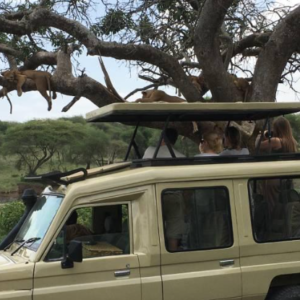
A typical vehicle includes a pop-up roof, which allows travelers to stand safely during permitted wildlife-viewing stops and provides a better angle for photography.
A safari vehicle also gives the guide the ability to navigate the varied roads encountered in Tanzania’s parks and conservation areas.
Tanzania Wildlife Safari and Zanzibar
Combining wildlife with Zanzibar is one of Tanzania’s most attractive holiday options.
For example:
Day 1: Tarangire
Day 2: Serengeti
Day 3: Serengeti
Day 4: Ngorongoro
Day 5: Travel to Zanzibar
Days 6–10: Zanzibar beach holiday
Depending on the itinerary, travelers can connect Northern Tanzania with Zanzibar using domestic flights.
This creates a holiday combining adventure in the African wilderness with relaxation on the Indian Ocean coast.
Book Your Top Tanzania Wildlife Safari
A top Tanzania wildlife safari can take you from enormous elephant herds in Tarangire to lions on the Serengeti plains and the dramatic landscapes of Ngorongoro Crater.
Whether you prefer a budget camping safari, shared safari, private mid-range tour, family holiday or luxury wildlife experience, the itinerary can be adapted to your available time and budget.
Kilipath African Safaris can help arrange your accommodation, safari vehicle, professional guide, park visits, transfers and optional activities from arrival to departure.
Ready to explore Tanzania? Contact Kilipath African Safaris today and let us create a Tanzania wildlife safari itinerary based on your dates, budget and preferred travel style.