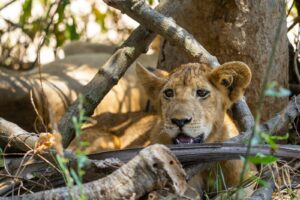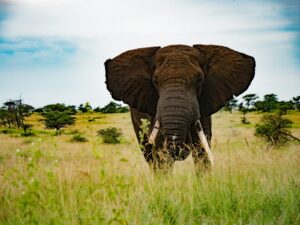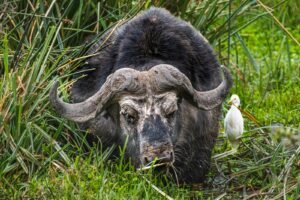
Planning a budget Ngorongoro Crater safari is one of the best ways to experience Tanzania’s spectacular wildlife without choosing an expensive luxury safari. The Ngorongoro Crater offers an extraordinary concentration of wildlife within a relatively compact area, making it especially suitable for travelers who want a rewarding safari experience while carefully managing their budget.
Whether you are traveling solo, as a couple, with friends, or as a family, good budget Ngorongoro Crater safari planning can help you reduce unnecessary expenses while still enjoying professional guiding, a proper safari vehicle, beautiful scenery, and excellent wildlife viewing.
Why Visit the Ngorongoro Crater?
The Ngorongoro Crater is part of the larger Ngorongoro Conservation Area in northern Tanzania. The enormous volcanic caldera contains grasslands, woodland, wetlands, springs, and seasonal water sources that support an impressive variety of wildlife.
During a typical crater game drive, travelers may have opportunities to see:
- African elephants
- Lions
- Buffaloes
- Zebras
- Wildebeest
- Hippos
- Spotted hyenas
- Gazelles
- Warthogs
- Jackals
- Numerous bird species
The crater is also one of the places in northern Tanzania where visitors may have a chance of spotting the endangered black rhinoceros, although wildlife sightings can never be guaranteed.
Because many animals can potentially be encountered during a single game drive, Ngorongoro works particularly well for travelers with limited time.
How to Plan a Budget Ngorongoro Crater Safari
The first step is deciding how many days you have available and whether you want Ngorongoro as a standalone destination or as part of a longer northern Tanzania safari.
For travelers primarily interested in keeping costs low, a short itinerary combined with affordable accommodation can provide excellent value.
1-Day Ngorongoro Crater Safari
A one-day crater trip is suitable for travelers with very limited time. An early departure is important because reaching the conservation area and descending into the crater requires considerable driving.
The day normally includes:
Early morning: Departure toward Ngorongoro.
Morning: Arrival at the conservation area and descent into the crater.
Midday: Game viewing and picnic lunch.
Afternoon: Continue exploring different habitats on the crater floor.
Late afternoon: Ascend from the crater and continue toward your next accommodation or destination.
This option minimizes accommodation expenses but involves a long day of driving.
2-Day Budget Ngorongoro Safari
A two-day itinerary offers more flexibility and can be combined with another nearby destination.
Day 1: Arusha – Tarangire – Karatu
Depart Arusha in the morning and travel to Tarangire National Park for a game drive.
Tarangire is famous for its impressive baobab landscapes and is particularly well known for elephants. After your game drive, continue toward Karatu or the Ngorongoro highlands for dinner and overnight.
Day 2: Ngorongoro Crater – Arusha
After an early breakfast, travel toward the Ngorongoro Crater.
Descend to the crater floor for an extensive game drive, exploring grasslands, wetlands, woodland and other wildlife habitats.
Enjoy a picnic lunch during the day before continuing your game drive. Later, ascend from the crater and drive back toward Arusha.
This itinerary provides two different safari environments within a relatively short trip.
3-Day Budget Ngorongoro Safari
Travelers with three days can create a more complete northern Tanzania safari.
A popular combination is:
Day 1: Arusha → Tarangire National Park → Karatu
Day 2: Lake Manyara National Park → Karatu
Day 3: Ngorongoro Crater → Arusha
Another possibility is combining Ngorongoro with the Serengeti, although the longer driving distances and additional park expenses normally increase the overall price.
Budget Accommodation Around Ngorongoro
Accommodation is one of the biggest factors influencing safari price.
Travelers trying to control costs can consider staying around Karatu rather than choosing high-end accommodation close to or directly on the crater rim.
Budget-friendly categories may include:
Camping
Camping is usually among the most affordable options.
Depending on the safari arrangement, camping packages may include tents, sleeping equipment, meals and support from safari staff.
Camping is ideal for adventurous travelers who prioritize wildlife experiences over luxury accommodation.
Budget Lodges
Budget lodges provide additional comfort while keeping the overall trip relatively affordable.
Facilities vary but commonly include a private or shared room, bed, bathroom facilities and restaurant services.
Mid-Range Lodges
Travelers who want more comfort without moving into the luxury category can choose mid-range accommodation.
This can be an excellent compromise for couples and families who want comfortable rooms while still maintaining a reasonable safari budget.
What Determines the Ngorongoro Safari Price?
There is no single fixed price for every Ngorongoro safari. Several factors influence the final cost.
Number of Travelers
Safari vehicle and guide expenses can be distributed among travelers. Therefore, joining other travelers can sometimes significantly reduce the per-person cost.
Private vs. Shared Safari
A shared safari is generally more economical because transportation expenses are divided between participants.
A private safari provides greater flexibility because the vehicle and guide are dedicated to your booking, but it generally costs more.
Accommodation Standard
Camping and simple lodges generally cost less than premium lodges and luxury properties.
Number of Safari Days
Each additional safari day introduces extra accommodation, meals, vehicle, guiding and potentially park-related expenses.
Season
Tanzania safari prices can vary throughout the year because accommodation availability and demand change between seasons.
Traveling during particularly busy periods can mean higher accommodation prices and reduced availability.
What Is Usually Included?
A properly organized budget safari package may include:
- Transportation in a safari vehicle
- Professional safari guide
- Accommodation specified in the itinerary
- National park and conservation fees included in the quotation
- Crater-related fees where specified
- Game drives
- Meals according to the itinerary
- Drinking water during safari
- Pick-up and drop-off arrangements as stated in the package
- Government taxes where applicable
Always read the individual quotation carefully because inclusions vary between safari operators and packages.
What Is Usually Not Included?
Common exclusions can include:
- International flights
- Tanzania visa costs
- Travel insurance
- Alcoholic beverages
- Personal purchases
- Optional activities
- Additional accommodation outside the itinerary
- Tips and gratuities
- Items not specifically mentioned in the package
Knowing the exclusions before booking makes it easier to calculate your complete travel budget.
Budget Ngorongoro Safari from Arusha
Arusha is one of the main starting points for Tanzania’s northern safari circuit.
A typical route follows:
Arusha → Mto wa Mbu/Karatu → Ngorongoro Conservation Area → Ngorongoro Crater
For multi-day trips, Karatu is a particularly practical base because travelers can access Ngorongoro while avoiding some of the higher accommodation prices associated with premium crater-rim properties.
Ngorongoro and Serengeti Budget Safari
If your budget and schedule allow, combining Ngorongoro with the Serengeti creates a more diverse safari experience.
Ngorongoro provides concentrated game viewing and spectacular scenery, while the Serengeti offers enormous open plains and a completely different sense of scale.
A typical combination could be:
Day 1: Arusha → Tarangire
Day 2: Tarangire/Karatu → Serengeti
Day 3: Serengeti
Day 4: Serengeti → Ngorongoro area
Day 5: Ngorongoro Crater → Arusha
Travelers should remember that adding Serengeti increases driving distances, park fees and accommodation requirements. A longer itinerary should therefore be compared against your available budget before booking.
Shared Safari vs Private Safari
Choosing the correct safari style can have a major impact on price.
Shared Safari
Shared safaris are suitable for travelers who:
- Have a limited budget
- Are comfortable traveling with other guests
- Can follow a predetermined itinerary
- Want to divide vehicle expenses
- Enjoy meeting other international travelers
Private Safari
Private safaris are better suited to travelers who:
- Want greater flexibility
- Prefer their own vehicle
- Are traveling as a family or private group
- Want more control over stops and timing
- Have specific photography or wildlife interests
For budget-conscious solo travelers and couples, joining a shared safari is often worth considering.
Best Time for a Budget Ngorongoro Crater Safari
Ngorongoro can be visited throughout the year, although conditions vary seasonally.
The dry months generally provide comfortable game-viewing conditions and are popular with visitors.
The greener periods can offer beautiful landscapes, dramatic skies and excellent photographic scenery. Depending on your travel dates, accommodation demand may also differ.
Rather than choosing dates based exclusively on price, consider wildlife interests, weather preferences, road conditions and the other national parks you intend to visit.
Wildlife Photography in Ngorongoro
The crater is particularly interesting for photography because of its dramatic landscape.
Useful items include:
- Camera with zoom lens
- Spare batteries
- Additional memory cards
- Binoculars
- Lens-cleaning equipment
- Protective camera bag
Morning conditions can be cold around the crater rim, so carrying a warm layer is recommended.
What to Pack
A budget safari does not require expensive specialist clothing.
Useful items include:
- Comfortable neutral-colored clothing
- Lightweight trousers
- T-shirts or safari shirts
- Warm sweater or fleece
- Light jacket
- Comfortable closed shoes
- Sun hat
- Sunglasses
- Sunscreen
- Small daypack
- Camera
- Binoculars
- Reusable personal items
- Personal medication
- Passport and necessary travel documents
Ngorongoro mornings can feel considerably cooler than the plains below, so warm clothing is particularly useful.
How to Reduce Your Ngorongoro Safari Cost
There are several practical ways to keep your trip affordable without compromising the core safari experience.
Book early when traveling during busy periods, consider joining a shared safari, select camping or value accommodation, avoid unnecessary hotel upgrades, and combine nearby parks into a logical route.
Most importantly, compare packages according to what is included, rather than selecting a safari simply because it has the lowest advertised price.
A very cheap quotation may not provide good value if important fees, meals, transportation or accommodation expenses must be paid separately.
Is a Budget Ngorongoro Safari Worth It?
Yes. Choosing a budget safari does not mean sacrificing the main reason for visiting Tanzania: the wildlife.
Your accommodation may be simpler and your itinerary may be structured to reduce costs, but you can still experience the crater scenery, game drives and extraordinary wildlife that make Ngorongoro one of Tanzania’s most celebrated safari destinations.
The key is to spend money on the parts that matter most: reliable transportation, appropriate park access, professional guiding and enough time for wildlife viewing.
Plan Your Budget Ngorongoro Crater Safari
A memorable Tanzania safari does not have to begin with a luxury budget.
With careful budget Ngorongoro Crater safari planning, you can select an itinerary that balances wildlife viewing, accommodation comfort, travel time and overall cost.
Choose between camping and lodge accommodation, decide whether a shared or private safari works best for you, and determine whether you want to visit Ngorongoro alone or combine it with Tarangire, Lake Manyara or Serengeti.
Ready to start planning?
Send your travel dates, number of travelers, preferred number of safari days, accommodation preference and approximate budget to receive a suitable Ngorongoro safari option.
The earlier you plan, the easier it is to compare available accommodation and create an itinerary that matches both your safari expectations and your budget.