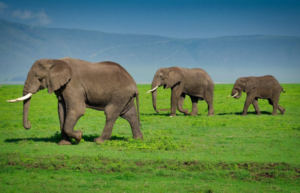
A safari in Tanzania does not have to mean luxury lodges and an enormous travel budget. With good budget Serengeti safari planning, travelers can experience lions on the open plains, elephants beneath acacia trees, huge wildebeest herds, giraffes, zebras, cheetahs and spectacular African sunsets while keeping costs manageable.
The Serengeti is one of Tanzania’s most famous national parks and one of the world’s outstanding wildlife destinations. The secret to making it affordable is choosing the right number of days, traveling at a suitable time of year, using camping or economical accommodations, sharing safari transportation and concentrating your itinerary on the places that matter most.
This guide explains how to organize an affordable Serengeti safari without sacrificing the wildlife experience.
Why Visit the Serengeti on a Budget?
Travelers sometimes assume that an affordable safari will mean seeing fewer animals. In reality, your accommodation style has very little to do with what you see during the day.
Whether you sleep in a public campsite, budget tented camp or luxury lodge, you will normally explore the same Serengeti ecosystem during your game drives.
Your safari vehicle and guide take you through areas where animals move naturally. Lions, elephants, buffaloes, giraffes, zebras, wildebeest, hyenas, hippos, cheetahs and many other species can all be encountered.
Budget travel therefore works particularly well in the Serengeti because you can save substantially on accommodation while still spending your days exploring one of Africa’s greatest wildlife areas.
Tanzania National Parks also officially provides public camping facilities inside national parks, making camping one of the established options for travelers seeking a simpler and more economical experience.
What Makes a Serengeti Safari Expensive?
Understanding where your money goes is essential for successful budget Serengeti safari planning.
A Serengeti package normally combines several expenses rather than simply paying for accommodation. These can include national park conservation charges, safari vehicle costs, fuel, professional guide services, meals, accommodation or camping, crater or concession charges where applicable, and transportation between Arusha and the parks.
The distance is another factor.
A Northern Tanzania itinerary might travel from Arusha through Tarangire or the Ngorongoro region before reaching the Serengeti. Covering these distances requires a reliable 4×4 vehicle, fuel and an experienced driver-guide.
For this reason, reducing the number of safari days is not always the best strategy. Sometimes a carefully designed four-day itinerary provides better value than trying to squeeze the Serengeti into two or three rushed days.
Official park fees and tariffs can also change, so travelers should confirm the applicable charges when making a booking rather than relying on old safari prices found online. TANAPA maintains official planning and tariff information for visitors.
Choose a Shared Safari to Reduce Costs
One of the easiest ways to make a Serengeti safari affordable is joining other travelers.
The vehicle represents a significant portion of safari costs. On a private safari, one traveler or couple pays for the vehicle, guide and fuel themselves. On a joining safari, those costs are distributed among several guests.
This can make a substantial difference to the total price.
A shared safari is particularly suitable for solo travelers, couples, friends and backpackers who do not require a completely private schedule.
You will normally travel in a 4×4 safari vehicle with a pop-up roof that allows passengers to stand and photograph wildlife during game drives.
Private safaris remain better for travelers who want complete flexibility, specialized photography time or a customized route, but for pure value, a small joining safari is difficult to beat.
Camping Is One of the Best Ways to Save
Accommodation can dramatically affect safari prices.
Luxury Serengeti properties may offer swimming pools, stylish rooms and premium dining, but those facilities are not necessary for experiencing the wildlife.
Public camping provides a much more economical alternative.
TANAPA describes public campsites as designated camping areas offering basic facilities such as toilets, water points and areas for cooking or fires. The official TANAPA accommodation information currently indicates public camping generally in the range of about USD 30–50 per person per night, although travelers should confirm the applicable campsite and current tariff when booking.
Camping safaris normally involve simple tents, mattresses and sleeping equipment, with meals prepared at camp.
It is a more adventurous experience than staying in a lodge. You may hear hyenas, lions or other animals during the night while sleeping in the African wilderness.
Travelers considering camping should understand that facilities are generally basic. Choosing camping is about location, atmosphere and affordability rather than luxury.
Budget Camping vs Budget Lodge Safari
Both can work well, but they suit different travelers.
| Feature | Camping Safari | Budget/Mid-Range Lodge |
|---|---|---|
| Price | Lowest | Moderate |
| Bathroom | Usually shared | Usually private |
| Comfort | Basic | Higher |
| Safari experience | Excellent | Excellent |
| Wilderness atmosphere | Very high | High |
| Best for | Backpackers, adventurous travelers | Couples, families, comfort-focused travelers |
| Wildlife viewing | Same national parks | Same national parks |
A useful compromise is a mixed safari, combining camping inside or near the Serengeti with an affordable lodge around Karatu or Mto wa Mbu.
This allows travelers to enjoy the wilderness while still getting a comfortable room and private shower during part of the journey.
Best Time for a Budget Serengeti Safari
Season has a major influence on safari prices.
Peak periods usually attract greater demand for vehicles and accommodation, particularly when travelers are trying to see specific stages of the Great Migration.
If your main objective is seeing wildlife rather than a particular migration event, traveling outside the busiest dates can provide excellent value.
The Serengeti remains a year-round wildlife destination. Resident animals do not disappear when the migration moves to another part of the ecosystem.
Central Serengeti, especially around Seronera, is particularly useful for travelers with limited time because of its year-round wildlife concentrations.
Travelers who are flexible about dates can therefore choose periods when accommodation availability is better and potentially reduce overall costs.
Weather should also be considered. Tanzania’s greener periods can produce beautiful landscapes and fewer vehicles, although rainfall may affect road conditions. TANAPA occasionally issues seasonal notices when heavy rainfall affects conditions inside the Serengeti, showing why current local information is important when planning.
Central Serengeti Is Ideal for First-Time Budget Travelers
Trying to cover every part of the Serengeti quickly increases transportation time and expenses.
For a first safari, Central Serengeti is usually one of the smartest areas to prioritize.
Seronera provides access to grasslands, river systems and woodland habitats supporting a wide variety of animals.
It is famous for predators, particularly lions, and travelers may also encounter leopards, cheetahs and hyenas.
Rather than spending large portions of your itinerary driving to remote sections of the park, staying around Central Serengeti can maximize actual game-viewing time.
Northern Serengeti is extremely rewarding during the migration season, particularly when herds approach the Mara River, but reaching the area requires significantly more driving or a domestic flight.
For someone trying to keep costs low, Central Serengeti often delivers the strongest combination of wildlife, accessibility and value.
A Practical 3-Day Budget Serengeti Safari
Three days is close to the minimum recommended length when combining Serengeti and Ngorongoro from Arusha.
The first day generally involves an early departure from Arusha and a long scenic drive toward the Serengeti, frequently traveling through the Ngorongoro Conservation Area. After entering Serengeti National Park, travelers can enjoy an afternoon game drive before heading to camp.
The second day provides the most important Serengeti wildlife experience. Starting early gives travelers more time to search for predators and explore different parts of the central plains before returning to camp.
On the third day, the safari normally continues toward Ngorongoro or returns toward Arusha depending on the package.
This itinerary is affordable, but it involves considerable driving.
A Better-Value 4-Day Safari
For many travelers, four days offers the best balance.
A classic route can include Tarangire, Serengeti and Ngorongoro Crater.
The first day explores Tarangire National Park before spending the night around Karatu or Mto wa Mbu.
Day two continues toward Serengeti National Park, followed by an afternoon game drive.
Day three allows additional Serengeti game viewing before traveling toward Ngorongoro.
The final day includes an early descent into Ngorongoro Crater followed by the return to Arusha.
This itinerary provides three very different ecosystems without becoming unnecessarily long.
For travelers whose main priority is Serengeti, the route can instead allocate more time to the Serengeti and remove Tarangire.
Five Days for More Relaxed Budget Travel
Travelers who can afford an extra day should strongly consider a five-day safari.
The cost per safari day can sometimes become more efficient because vehicle and logistics expenses are already being shared across the itinerary.
More importantly, five days creates additional wildlife-viewing time.
Instead of spending most of the trip transferring between destinations, you can enjoy longer game drives and slower mornings.
A five-day route might combine Tarangire, two Serengeti nights, Ngorongoro and another Northern Circuit destination.
The exact itinerary should depend on season and wildlife movements.
Avoid Unnecessary Domestic Flights
Flying into the Serengeti saves considerable time but normally increases costs.
Travelers with a larger budget sometimes fly from Zanzibar or Arusha directly to Seronera or another Serengeti airstrip.
For budget travelers, road transportation is generally more economical.
The journey is long, but it also forms part of the safari experience. Routes through the Ngorongoro highlands provide impressive views, Maasai landscapes and changing ecosystems.
Domestic flights make most sense when time is more limited than money.
Combine Serengeti and Ngorongoro
One of the best strategies for maximizing safari value is combining Serengeti National Park with Ngorongoro Crater.
The two areas are naturally connected within Northern Tanzania’s safari circuit.
Ngorongoro offers a different environment from the Serengeti. Wildlife is concentrated within the crater floor, creating opportunities to see lions, buffaloes, hippos, zebras, wildebeest and many other animals during a relatively compact game drive.
Combining these destinations allows travelers to experience two world-famous wildlife areas without requiring separate journeys from Arusha.
Add Tarangire Only When You Have Enough Time
Tarangire is another excellent park, especially for elephants, baobab landscapes and seasonal wildlife concentrations.
However, budget travelers should avoid adding destinations simply because they are famous.
Every additional park means extra driving, entrance costs and potentially another night of accommodation.
If you only have three days, prioritize Serengeti and Ngorongoro.
With four or five days, adding Tarangire becomes much more practical.
Good budget planning is about maximizing quality rather than collecting the largest possible number of national parks.
Travel With Friends
Safari costs become easier to manage when several travelers share the same private vehicle.
For example, four friends booking a private safari can split vehicle and guide costs among themselves.
This provides some of the advantages of a joining safari while keeping the group private.
For families or groups of friends, this can sometimes be more attractive than purchasing individual places on a scheduled joining tour.
Bring the Right Equipment
Buying forgotten items during safari can become unnecessarily expensive.
Bring comfortable neutral-colored clothing, sturdy shoes, sunscreen, sunglasses, insect repellent, a hat, personal medication and a warm layer for early mornings.
Ngorongoro can feel surprisingly cold before sunrise.
A reusable water bottle and portable power bank can also be useful.
For photography, a camera with a moderate telephoto lens provides significantly better wildlife photographs than relying entirely on smartphone zoom.
Binoculars are also extremely valuable because animals are not always close to the safari track.
Don’t Choose the Cheapest Safari Without Checking What Is Included
A surprisingly low price can become expensive later if important services are excluded.
When comparing safari packages, examine the total inclusions carefully.
Check whether the quotation covers park fees, accommodation, camping equipment, meals, drinking water, safari vehicle, professional guide and transportation back to Arusha.
Also check whether airport transfers, domestic flights, alcoholic beverages, tips and optional activities are excluded.
Comparing the final cost is much more useful than comparing only the advertised starting price.
Respect Serengeti Park Rules
Budget travel should never mean compromising wildlife protection or visitor safety.
Serengeti regulations require visitors to follow designated roads except where permission allows otherwise, respect wildlife, avoid feeding animals and dispose of waste responsibly. TANAPA also restricts nighttime driving in the national park under normal game-drive rules.
Following park rules protects both wildlife and the landscape that visitors have traveled to experience.
How Far in Advance Should You Book?
For peak travel months, booking several months ahead is advisable.
Affordable accommodation and shared safari departures can fill quickly because they have limited spaces.
Travelers visiting during quieter periods may have more flexibility, but waiting until the last moment still reduces your choice of camps and routes.
If you have fixed international flights or Zanzibar accommodation already booked, organizing your safari early is particularly important.
Is a Budget Serengeti Safari Worth It?
Absolutely.
The biggest luxury of a Serengeti safari is not the hotel room. It is watching a lion walk across the plains, seeing elephants moving through the savannah, observing giraffes against the horizon or spending sunrise surrounded by wildebeest and zebras.
Those experiences are available to camping travelers as well as luxury guests.
Careful budget Serengeti safari planning allows you to spend your money where it matters most: reliable transportation, sufficient time inside the national parks and an experienced safari guide.
Start Planning Your Affordable Serengeti Adventure
A Serengeti safari can be unforgettable without being extravagant.
Choose a sensible route, spend enough time where wildlife viewing is strongest, consider camping, share transportation costs and avoid adding activities simply because they appear on every Tanzania itinerary.
With thoughtful budget Serengeti safari planning, you can enjoy one of Africa’s greatest wildlife experiences while keeping your trip within a realistic budget.
Kilipath African Safaris can help travelers design a Serengeti itinerary around their travel dates, number of guests, preferred accommodation level and overall budget, whether the goal is an economical camping adventure or a comfortable lodge safari combined with Ngorongoro and other Northern Tanzania destinations.