For a first Tanzania safari, five days is a good fit if the Serengeti is a priority. You can visit Tarangire and Ngorongoro Crater and still spend a full day looking for wildlife in Central Serengeti. If you have two days, focus on Tarangire and the crater. If you’re traveling specifically for the Great Migration, build the route around your travel month.
Which safari should you choose?
| Time available | Suggested route | What to consider |
|---|---|---|
| 2 days | Tarangire and Ngorongoro Crater | A compact private safari from Arusha. Spend the first day among Tarangire’s baobabs and descend into the crater the following morning. |
| 4 days | Tarangire, Central Serengeti and Ngorongoro Crater | Covers three highlights with an afternoon and a morning game drive in the Serengeti. A shared departure can help keep costs down. |
| 5 days | The same parks with an extra night in Central Serengeti | Gives you a full day in the Serengeti. Choose this if watching big cats or having more time for photography matters to you. |
| 6–8 days | Northern Circuit with Ndutu or Northern Serengeti | A private itinerary lets you stay closer to the seasonal migration area and spend more time looking for the herds. |
| 6–8 days | Nyerere and Ruaha | A Southern Circuit option that pairs game drives with the possibility of a boat safari in Nyerere. Compare road and fly-in itineraries to see how much time each leaves in the parks. |
Where to stay on safari
- Public camping. A practical choice when keeping the price down is important. On Kilipath camping trips, tents, mattresses, sleeping bags and pillows are provided. Campsite bathrooms are shared, so bring your own towel.
- Tented camp. Ask whether the camp has an en-suite bathroom and where it sits relative to the areas you want to explore. On a migration safari, the location can make a meaningful difference to how much time you spend driving before a game drive.
- Safari lodge. A good fit for travelers who prefer a permanent room. For Ngorongoro, compare a stay in Karatu with a stay closer to the crater rim if an early descent is important to you.
Plan around the wildlife you want to see
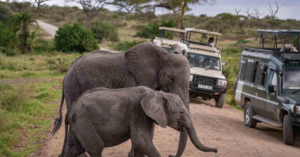
Elephants and baobabs. Make Tarangire your first stop from Arusha. During the dry season, your guide can spend time looking for wildlife around the river.
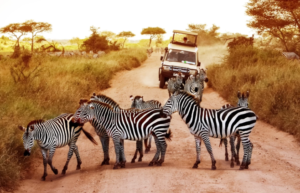
Big cats. Give Central Serengeti two nights so you have a full day between arrival and departure. That extra day gives your guide time to explore several areas and revisit a promising sighting.
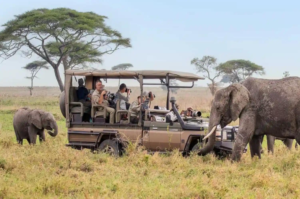
Great Migration. Ask about Ndutu from January to March, particularly January and February for calving, or Northern Serengeti from July to September if you want to look for herds near the Mara River. Herd movements follow seasonal conditions, and river crossings depend on what the animals do during your visit. Kilipath’s shared Serengeti routes visit Central Serengeti. Ask for a private itinerary for Ndutu or Northern Serengeti. Tanzania tourism migration calendar
What to check before booking
Ask for a day-by-day itinerary that names each overnight stop and shows where you’ll have a full game drive or a partial one. When comparing prices, check whether the amount is per person or for the whole group, and whether park fees, the Ngorongoro Crater descent, meals, transfers and any domestic flights are included. If you’re combining your safari with Zanzibar, share your flights or hotel dates early so the team can match them to the route.
Ready to plan your trip? Send Kilipath African Safaris your travel dates, group size, approximate budget and the wildlife you most want to see. Request a tailored Tanzania safari quote