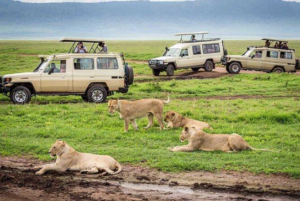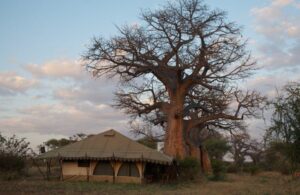
A budget Tanzania safari trip makes it possible to experience remarkable wildlife, beautiful landscapes, and world-famous national parks without paying luxury safari prices. From elephants wandering beneath ancient baobab trees in Tarangire to lions resting on the Serengeti plains, Tanzania offers unforgettable experiences for travelers with different budgets.
The secret to planning an affordable safari is choosing the right itinerary, travel style, accommodation, and season. Shared safaris, public camping, carefully selected routes, and traveling with friends can significantly reduce the cost while preserving the quality of the wildlife experience.
At Kilipath African Safaris, we organize budget-friendly Tanzania safari packages for solo travelers, couples, families, students, honeymooners, and groups. Our trips can include transportation, park fees, accommodation, meals, drinking water, professional guides, and camping equipment.
Why Choose a Budget Tanzania Safari?
A budget safari focuses on value rather than unnecessary luxury. You still visit Tanzania’s leading national parks, travel in a proper safari vehicle, and enjoy guided game drives. The main difference is the style of accommodation and whether you share the vehicle with other travelers.
A budget safari is an excellent choice if you:
- Want to see Tanzania’s wildlife at an affordable price
- Enjoy meeting other international travelers
- Are comfortable staying at public campsites or simple lodges
- Prefer spending money on experiences instead of luxury rooms
- Are traveling alone and want to avoid high private-safari costs
- Want a short safari from Arusha or Zanzibar
- Have flexible travel dates
Budget does not mean unsafe, badly organized, or low quality. A professionally operated budget safari should still include a reliable vehicle, an experienced guide, good meals, appropriate camping equipment, and transparent pricing.
Best Budget Safari Destinations in Tanzania
Tanzania has several safari circuits, but the Northern Circuit is normally the easiest choice for a first-time budget traveler. It offers excellent wildlife viewing and convenient connections from Arusha.
Serengeti National Park
Serengeti National Park is Tanzania’s most famous safari destination. Its vast grasslands support lions, cheetahs, leopards, elephants, giraffes, buffaloes, hyenas, zebras, wildebeest, and many other animals.
The Serengeti is also associated with the Great Wildebeest Migration. Although the herds move throughout the year, wildlife viewing in the park remains rewarding even when the largest migration herds are in another region.
Budget travelers usually stay at public campsites in Central Serengeti. These campsites offer a genuine wilderness experience and place visitors close to important game-viewing areas.
Ngorongoro Crater
The Ngorongoro Crater is one of the most impressive wildlife destinations in Africa. Its enclosed ecosystem supports a high concentration of animals, including lions, buffaloes, zebras, wildebeest, hippos, elephants, and sometimes black rhinos.
A game drive on the crater floor is often included in three-day and four-day budget safari packages. The crater can be visited throughout the year, making it a reliable addition to almost any Tanzania itinerary.
The highlands around Ngorongoro can become cold, especially during the evening and early morning. Travelers should carry a warm jacket even when visiting during Tanzania’s warmer months.
Tarangire National Park
Tarangire is known for its large elephant populations, enormous baobab trees, and beautiful natural scenery. During the dry season, animals gather around the Tarangire River, creating excellent wildlife-viewing opportunities.
The park is approximately two hours from Arusha, so it fits comfortably into short Northern Circuit itineraries. It is frequently included as the first destination on four-day and five-day budget safaris.
Travelers visiting Tarangire should avoid wearing dark blue or black clothing because these colors may attract tsetse flies. Neutral colors such as khaki, beige, light brown, and green are more suitable.
Lake Manyara National Park
Lake Manyara National Park lies between the Great Rift Valley escarpment and Lake Manyara. It offers forest scenery, monkeys, elephants, giraffes, hippos, and rich birdlife.
Because the park is relatively compact and close to Arusha, it can be included in a short safari. However, water-level changes have affected some wildlife habitats and driving routes. Depending on the season, Tarangire may offer a stronger game-viewing experience.
Shared Safari or Private Safari?
Your choice between a shared and private safari has a major effect on the total price.
Shared Budget Safari
A shared safari allows several travelers to divide the cost of the vehicle, guide, fuel, and safari crew. It is usually the most affordable option for solo travelers and couples.
Our shared safaris normally operate with a maximum of seven travelers in a 4×4 Land Cruiser. Each guest has a window seat, and the vehicle has a pop-up roof for wildlife viewing and photography.
Shared safaris follow a fixed itinerary. Travelers should arrive in Arusha at least one day before departure because vehicles generally leave early in the morning.
Shared departures are ideal for visiting:
- Tarangire National Park
- Lake Manyara National Park
- Central Serengeti
- Ngorongoro Crater
Remote areas such as Northern Serengeti and the Ndutu region generally require a private safari because of the long distances, seasonal conditions, and specialized routing.
Private Budget Safari
A private safari provides a dedicated vehicle and guide for your booking. It costs more than joining a group, but it offers greater flexibility.
You can decide how long to remain at wildlife sightings, adjust departure times, select specific accommodation, and personalize the itinerary. Private safaris can still be affordable when four to seven friends or family members share the vehicle cost.
A private option is particularly suitable for:
- Families with children
- Groups of friends
- Photographers
- Honeymoon couples
- Travelers with special interests
- Visitors wanting to explore Ndutu or Northern Serengeti
Budget Camping Safari Experience
Camping is one of the best ways to reduce the cost of a Tanzania safari. It also creates a stronger connection with the wilderness.
On a properly organized camping safari, the necessary equipment is normally provided. This can include:
- Safari tent
- Mattress
- Sleeping bag
- Pillow
- Camping chairs and table
- Cooking equipment
- Professional safari chef
Public campsites usually have shared toilets and showers. Hot water and electricity may be limited, although some camps have solar-powered charging facilities.
In the Serengeti, public campsites are unfenced. Wild animals can occasionally move through the surrounding area, especially at night. Guests must follow the instructions provided by their guide and campsite staff. Rangers and safari crews are familiar with operating in these environments.
Meals are prepared by the safari chef and typically include breakfast, a packed or hot lunch, and dinner. Vegetarian, vegan, halal, pesco-vegetarian, and allergy-sensitive meals can usually be arranged when dietary requirements are communicated in advance.
Sample Four-Day Budget Tanzania Safari Trip
A four-day safari offers a balanced introduction to Tanzania’s Northern Circuit.
Day 1: Arusha to Tarangire National Park
Your guide collects you from your accommodation in Arusha early in the morning. After a safari briefing, you drive to Tarangire National Park.
Spend the day looking for elephants, giraffes, zebras, wildebeest, lions, antelopes, and different bird species. Enjoy lunch inside the park before continuing your game drive.
In the late afternoon, travel to your campsite near Mto wa Mbu or Karatu for dinner and overnight.
Day 2: Journey to Serengeti National Park
After breakfast, depart for Serengeti National Park. The route passes through the Ngorongoro Conservation Area and offers beautiful highland and plains scenery.
Enter the Serengeti and begin your afternoon game drive. Look for big cats, elephants, buffaloes, giraffes, hippos, and grazing animals.
Dinner and overnight are at a public campsite in Central Serengeti.
Day 3: Serengeti to Ngorongoro Highlands
Begin with an early game drive when predators and other animals are particularly active. Explore the plains before returning for breakfast or continuing with a packed meal, depending on the day’s schedule.
After further wildlife viewing, drive toward Ngorongoro. Spend the night at a campsite near the crater rim or in the nearby highlands. Temperatures can be cool, so warm clothing is recommended.
Day 4: Ngorongoro Crater to Arusha
After an early breakfast, descend into the Ngorongoro Crater for a game drive. Search for lions, elephants, buffaloes, hippos, hyenas, zebras, wildebeest, and the rare black rhino.
After lunch, ascend from the crater and drive back to Arusha. Arrival is normally in the late afternoon or early evening.
What Is Included?
A well-planned budget Tanzania safari package may include:
- Transportation in a 4×4 safari Land Cruiser
- Professional English-speaking safari guide
- Park entry and conservation fees
- Ngorongoro Crater service fee when applicable
- Camping or budget accommodation
- Camping equipment
- Safari chef on camping itineraries
- Meals during the safari
- Drinking water
- Game drives according to the itinerary
- Pickup and drop-off in Arusha
- Government taxes
Travelers should always check the final quotation because inclusions can vary between packages.
What Is Usually Not Included?
The following expenses are commonly excluded:
- International flights
- Tanzania visa
- Travel and medical insurance
- Personal expenses
- Alcoholic beverages
- Optional activities
- Tips for the guide and chef
- Accommodation before or after the safari unless listed
- Airport transfers not mentioned in the package
- Domestic flights unless specifically included
Tipping is optional but customary when the safari crew provides good service. A common guideline for a group safari is approximately USD 10 per traveler per day for the guide and chef, although guests may tip according to their satisfaction.
How Much Does a Budget Tanzania Safari Cost?
The cost depends on the number of travel days, parks visited, group size, accommodation level, season, and whether the safari is private or shared.
Short shared camping safaris are normally the most economical. Private safaris, tented lodges, domestic flights, balloon experiences, and remote destinations increase the total price.
When comparing quotations, examine what is included rather than choosing only the lowest advertised price. Park fees and conservation fees represent a substantial part of the safari cost. An unusually cheap offer may exclude important services or require additional payments after arrival.
Request a written quotation showing:
- Complete itinerary
- Accommodation or campsite type
- Meals included
- Vehicle arrangements
- Park and conservation fees
- Airport transfers
- Deposit requirement
- Balance payment procedure
- Cancellation conditions
Best Time for an Affordable Safari
Tanzania offers wildlife viewing throughout the year. However, prices and availability change between seasons.
The dry months generally provide easy wildlife viewing because animals gather near permanent water sources. These periods are also popular, so accommodation can sell out quickly.
The green season can offer better accommodation rates, fewer vehicles, dramatic skies, and beautiful scenery. Short rains do not necessarily mean continuous rain throughout the day.
Traveling outside peak holiday periods can reduce the cost. Flexible travelers should ask which dates have confirmed shared departures, as joining an existing group is often cheaper than opening a new departure.
How to Save Money on Your Tanzania Safari
Several practical choices can make your trip more affordable:
- Join a shared safari. Sharing the vehicle and guide reduces the cost per person.
- Choose camping. Public campsites cost less than tented camps and safari lodges.
- Travel with friends. A private safari becomes more economical when several people divide the vehicle cost.
- Keep the route efficient. Combining Tarangire, Serengeti, and Ngorongoro avoids unnecessary transfers.
- Book early. Early planning improves accommodation availability and may prevent expensive last-minute alternatives.
- Travel during the green season. Some lodges offer lower prices outside peak months.
- Avoid unnecessary domestic flights. Road-based itineraries are generally more affordable.
- Use soft luggage. Soft bags are easier to store in safari vehicles and are often required for small domestic aircraft.
- Confirm all inclusions. A transparent package helps you avoid unexpected payments.
What to Pack
Pack lightly and choose practical clothing. Recommended items include:
- Neutral-colored shirts and trousers
- Comfortable walking shoes
- Warm jacket or fleece
- Sun hat and sunglasses
- Sunscreen
- Insect repellent
- Small backpack
- Camera and extra batteries
- Power bank
- Personal medication
- Toiletries
- Reusable water bottle
- Passport and travel documents
A soft-sided travel bag is more convenient than a large hard-shell suitcase. Extra luggage can often be stored in Arusha while you are on safari.
Book Your Budget Tanzania Safari Trip
A budget Tanzania safari trip gives you access to extraordinary wildlife without requiring luxury-level spending. By joining a shared departure, choosing camping accommodation, and following an efficient itinerary, you can explore Serengeti, Ngorongoro, Tarangire, and other magnificent destinations at an accessible price.
Kilipath African Safaris can tailor the trip to your travel dates, group size, accommodation preference, and budget. Whether you are traveling alone, as a couple, with friends, or as a family, our team will help you select a practical package with clear inclusions.
Contact us with your preferred travel dates, number of travelers, arrival location, and approximate budget. We will prepare a personalized Tanzania safari proposal for you.
Start planning your affordable African adventure today and experience the wildlife, landscapes, and hospitality that make Tanzania one of the world’s greatest safari destinations.