Skip to content
A Serengeti safari is a dream for many travelers. Open grasslands, remarkable wildlife, dramatic skies, and the opportunity to explore one of Africa’s most celebrated national parks make it an unforgettable destination. However, planning the trip often begins with an important question: how can you experience the Serengeti without spending more than your budget allows?
Searching for a cheap Serengeti safari company is a useful starting point, but choosing a safari involves more than finding the lowest advertised price. You need to understand the route, accommodation, vehicle arrangements, meals, guiding, and additional expenses before deciding whether a package offers good value.
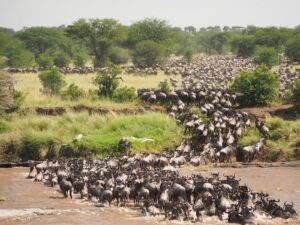
The Serengeti is internationally recognized for its wildlife and the Great Migration. tanzaniaparks.go.tz An affordable safari can give you access to this extraordinary landscape through shared transport, public camping, and a carefully organized itinerary.
For travelers who prioritize wildlife viewing and are comfortable with simple accommodation, a budget safari can be a rewarding way to explore Tanzania. This guide explains how to choose an affordable company, compare quotations, understand camping arrangements, and prepare for your journey.
What Does a Cheap Serengeti Safari Company Offer?
A cheap Serengeti safari company generally organizes trips designed to control costs through practical choices. These may include shared vehicles, scheduled departures, public campsites, and straightforward routes.
The word “cheap” should describe the price level clearly. It does not tell you how much game viewing is included, whether your campsite equipment is comfortable, or how well the company communicates.
A complete budget safari quotation should explain:
- Where you will travel each day.
- Where you will sleep each night.
- Whether the vehicle is shared or private.
- How many guests may travel in the vehicle.
- Which meals and drinks are included.
- Whether mandatory park and conservation fees are covered.
- Which transfers are included.
- What you must pay for separately.
This information allows you to assess the actual experience rather than relying on a short package title.
For example, two companies might both advertise a four-day Serengeti safari. One itinerary may include Tarangire, one night in the Serengeti, and Ngorongoro Crater. Another may concentrate on the Serengeti for a different number of nights. The duration alone does not make those packages equivalent.
Why Serengeti Safaris Have Several Cost Components
Understanding safari expenses helps explain why prices vary and why an unusually low quotation deserves closer examination.
Your safari combines transport, accommodation, staff, food, and access to protected areas. Some expenses are shared between travelers, while others apply individually.
Park and conservation fees
Your itinerary may involve several protected areas, each with its own applicable charges. A trip combining Serengeti National Park and Ngorongoro Crater requires a quotation that accounts for the relevant parts of that route.
Ask whether the package includes all mandatory charges for your travel dates and traveler category. Avoid assuming that the phrase “park fees included” automatically covers every conservation area, campsite, or crater-related charge.
The company should confirm the full amount payable before you book.
Vehicle and fuel
A safari vehicle is used for both travel between destinations and wildlife viewing. Your package must cover its operation, fuel, and maintenance.
A route with long transfers or additional destinations may require more vehicle time. Sharing the vehicle helps distribute these expenses across the group.
Guide and safari crew
Guiding is a central part of the experience. Your guide helps organize the day, interpret animal behavior, navigate the route, and communicate with guests.
Camping packages may also include a chef who prepares meals and assists with the practical arrangements at camp. Ask which staff are included and whether gratuities are separate.
Accommodation
Accommodation can create a substantial difference between otherwise similar quotations.
Public camping, simple lodges, permanent tented camps, and luxury properties provide different facilities. You should know exactly which category is included and where each overnight stay takes place.
Meals and drinking water
A safari quotation should identify which meals are included on the first and last days, as well as during the rest of the trip.
Ask about drinking water, other beverages, and dietary requirements. Clear arrangements help you budget and prepare.
Transfers and flights
Airport transfers, domestic flights, and hotel transport may be included in one quotation and excluded from another.
Request a complete trip total that incorporates the services you actually need, from arrival through departure.
Shared Serengeti Safaris: A Practical Budget Option
For many solo travelers and couples, joining a shared safari is an effective way to reduce costs.
Instead of paying for a dedicated vehicle, you travel with other guests who have booked the same departure. The group follows a scheduled route and shares the cost of transport and guiding.
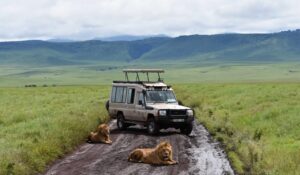
At Kilipath African Safaris, shared safaris use a 4×4 Land Cruiser with a maximum of seven guests and guaranteed window seats. This arrangement can suit travelers who want to explore the northern safari circuit while keeping their budget manageable.
Who should consider a shared safari?
A shared safari may suit:
- Solo travelers who want to join a group.
- Couples looking for an affordable package.
- Friends comfortable traveling with other guests.
- Travelers who prefer an organized departure.
- Visitors who are flexible about the daily schedule.
Shared travel also creates opportunities to meet people from different countries and exchange experiences during the trip.
However, everyone follows the same itinerary. Meal times, departure times, stops, and overnight locations must work for the group.
Questions to ask before joining
Before booking, confirm the maximum vehicle capacity and whether your seat arrangement is guaranteed. Also ask whether the departure is confirmed, what happens if other travelers cancel, and whether the quoted price changes with group size.
A company should explain these points before accepting your payment.
Understand the route limitations
Shared safaris follow established routes. Kilipath’s standard shared Serengeti itineraries focus on Central Serengeti and do not include Northern Serengeti or Ndutu.
If your priority is a specific region, a particular migration experience, or additional Serengeti nights, discuss a private safari quotation.
Making this distinction early helps you choose a package that matches your expectations.
Private Camping Safaris for Budget-Conscious Groups
A private safari gives your party a dedicated vehicle and guide. It can be more expensive for one or two travelers because fewer people share the transport expenses.
For families or groups of friends, however, it is worth comparing a private camping quotation with the shared option.
A private camping safari combines simple accommodation with greater flexibility. Depending on the agreed route and park requirements, you may have more room to discuss departure times, photography stops, and how long to spend at a sighting.
Benefits of private camping
Private camping can offer:
- A vehicle reserved for your party.
- A route designed around your interests.
- More flexibility within the agreed itinerary.
- Easier coordination for families.
- The opportunity to request additional nights in selected areas.
These benefits should be described in your written itinerary. A private safari still operates within practical constraints, including driving distances, accommodation availability, park rules, and departure arrangements.
Compare the total carefully
If you are traveling as a group, ask for the total private safari price and the price per person.
Also confirm the accommodation arrangement. A quotation based on shared tents may differ from one requiring separate tents for every traveler.
Public Camping: What You Should Expect
Public camping is a common accommodation choice for affordable safari packages. It offers a simple outdoor setting and keeps the focus on exploring the parks.
For Kilipath’s camping safaris, equipment includes tents, mattresses, sleeping bags, and pillows, with a chef preparing meals.
Before booking, ask for a written description of the equipment and overnight arrangements so you know what to bring.
Sleeping arrangements
Confirm how many people share each tent and whether couples or friends can stay together.
Solo travelers should ask whether they receive their own tent or share with another guest. Do not assume the arrangement from the package price alone.
If you have concerns about sleeping comfort, ask about mattress type and whether extra bedding can be arranged.
Bathroom facilities
Public camping uses shared showers and toilets. Facilities vary between campsites, so request details for the specific places included in your itinerary.
If a private bathroom is essential, a lodge or permanent tented camp may be a better fit.
Charging devices
Ask how you can charge your phone, camera batteries, and other equipment during the trip.
Kilipath safari vehicles have charging facilities, and camping charging arrangements should be confirmed for the selected route. Carrying a power bank can make daily charging easier.
Camping and permanent tented camps are different
The term “tented accommodation” can describe very different experiences.
A public camping package generally uses portable tents with shared facilities. A permanent tented camp may offer beds, furniture, electricity, and private bathrooms.
Request the accommodation names and descriptions. This avoids comparing a basic camping price with a more comfortable tented camp package as though they provide the same service.
How to Compare Safari Quotations Properly
Finding a cheap Serengeti safari company becomes easier when you compare the same services across different quotations.
Start by giving every company the same information:
- Travel dates.
- Number of adults and children.
- Arrival and departure locations.
- Preferred trip duration.
- Shared or private transport preference.
- Accommodation expectations.
- Main wildlife interests.
- Total budget.
Then compare the written responses.
| Item to compare | What to confirm |
|---|---|
| Price | Per person or total group cost |
| Duration | Number of days and nights |
| Serengeti time | Actual overnight stays and planned game drives |
| Vehicle | Shared or private, capacity, and seating |
| Accommodation | Named campsites, lodges, or tented camps |
| Fees | All mandatory charges for the agreed route |
| Meals | Included meals on every safari day |
| Drinks | Drinking water and any other included beverages |
| Transfers | Pickup and drop-off locations |
| Equipment | Camping gear provided |
| Extras | Optional activities and supplements |
| Terms | Deposit, balance, cancellation, and changes |
A clear comparison can reveal why one package costs more. It may include an extra overnight stay, different accommodation, or transfers that another company charges separately.
Look Beyond the Advertised “From” Price
An advertised starting price may apply only to certain dates, group sizes, or accommodation arrangements.
For example, a price may assume that several people share a private vehicle. If you are traveling as a couple, the quotation could be different.
Ask the operator to confirm:
“What is the final total for our dates, number of travelers, and requested itinerary, including all mandatory charges?”
Also ask how long the quotation remains valid and which arrangements are confirmed after you pay the deposit.
A cheap package becomes easier to assess when the company explains the conditions behind its price.
Choosing the Right Budget Serengeti Itinerary
Your itinerary should reflect both your budget and your priorities.
A shorter trip may have a lower overall price, but it can include substantial travel time. A longer trip may provide more opportunities for game viewing, although you need to check where those extra days are spent.
Three-day Serengeti and Ngorongoro safari
A three-day itinerary can suit travelers who have limited time and want a compact introduction to the Serengeti and Ngorongoro Crater.
An example route is:
Day 1: Arusha to Serengeti
Depart from Arusha and travel toward the Serengeti. Game viewing on arrival depends on the route, departure time, and travel conditions. Stay overnight at the agreed campsite.
Day 2: Serengeti game drive and transfer toward Ngorongoro
Enjoy further wildlife viewing before traveling toward your next overnight location.
Day 3: Ngorongoro Crater and return to Arusha
Visit the crater according to the confirmed itinerary, then return to Arusha.
This is a compact schedule. Ask the company to explain how driving time and game viewing fit together each day.
Four-day Tarangire, Serengeti, and Ngorongoro safari
A four-day route can introduce three destinations within one trip.
An example schedule is:
Day 1: Tarangire National Park and overnight at the agreed accommodation.
Day 2: Travel to Serengeti, with game viewing as time allows.
Day 3: Further Serengeti game viewing and transfer toward Ngorongoro.
Day 4: Ngorongoro Crater and return to Arusha.
For Kilipath’s standard shared route, this includes one night in the Serengeti. Travelers wanting more nights there should request a private itinerary.
Longer safari options
A longer itinerary can allow additional destinations or a different pace. However, more safari days do not automatically mean more Serengeti nights.
Ask the company to show the overnight location for every day. If your main goal is extended Serengeti game viewing, state that explicitly when requesting the quotation.
Planning an Affordable Safari from Arusha
For a road safari, your arrival and departure arrangements can affect both the cost and the practicality of the trip.
Kilipath’s shared safaris depart early, so travelers should arrive in Arusha the previous day. This allows time to settle in, attend the briefing, and prepare for pickup.
Include the following in your budget:
- A hotel before the safari.
- Transport from your arrival airport.
- Meals outside the safari package.
- A possible hotel after the safari.
- Your onward transfer or flight.
Arusha Airport and Kilimanjaro International Airport are different arrival points. Confirm which airport you are using and ask for the relevant transfer price.
Avoid booking an onward flight based solely on a general safari finishing time. Ask the operator to review your complete plan before you purchase the ticket.
Budget Serengeti Safaris from Zanzibar
Travelers staying in Zanzibar can request a safari that includes domestic flight arrangements and mainland transfers.
However, a Zanzibar-based trip should be compared using the complete cost, including:
- Zanzibar hotel to airport transport.
- Domestic flights.
- Mainland airport pickup.
- Accommodation before or after the safari.
- The safari package.
- Return flight and transfers.
A fly-in itinerary and a road safari starting in Arusha may have different prices, routes, and time requirements.
If your main priority is affordability, ask for both options with clear totals. If your priority is reducing transfer time, explain that so the company can propose an appropriate route.
Ways to Save Money Without Creating an Overly Rushed Trip
Join a shared departure
Sharing the vehicle is one of the clearest ways to spread transport and guiding expenses.
Ask which scheduled departure fits your arrival date and whether the price is confirmed for a solo traveler or couple.
Choose camping if it suits you
Public camping can help manage accommodation costs. Choose it because you are comfortable with the facilities, rather than discovering during the trip that you need a different level of comfort.
Keep the route focused
Every added destination needs time and may add expenses. Identify your main priorities and build the itinerary around them.
A focused route can be easier to budget and understand than a trip with many short stops.
Ask about nearby dates
If your dates are flexible, request quotations for alternative departures. Accommodation availability and pricing may differ.
Do not assume that all costs change together. Ask the company to identify the actual saving.
Separate optional activities
Balloon safaris, cultural visits, and extra excursions should be listed separately if they are optional.
This allows you to see the core safari price and decide which additions matter most.
Discuss your budget early
Give the company a realistic total budget and explain what it must cover.
For example:
“Our budget needs to include the safari, airport transfers, and one hotel night in Arusha.”
That statement is more useful than providing a budget figure without explaining whether flights, hotels, or transfers are included.
How to Assess a Safari Company Before Booking
A reliable booking process should leave you with a clear understanding of the trip.
Read detailed reviews
Look for reviews that describe the guide, vehicle, accommodation, meals, and communication.
Reviews from travelers who booked a similar camping or shared safari may be more relevant than reviews about a luxury itinerary.
Pay attention to how the company responds when guests report problems.
Ask specific questions
Specific questions are easier to answer accurately.
Instead of asking, “Is the safari good?” ask:
- How many guests will share the vehicle?
- How many nights are inside the Serengeti?
- Which campsites are included?
- Will we have a chef?
- What happens if the planned accommodation changes?
- Are our transfers included?
Keep the agreement in writing
Save the itinerary, quotation, booking confirmation, and payment receipt.
If you agree on a change, ask for an updated written confirmation. This helps both you and the company work from the same plan.
Confirm payment and cancellation terms
Before paying, understand the deposit amount, balance deadline, accepted payment methods, and any transaction charges.
Also ask how cancellation affects accommodation, flights, and other prepaid services. Your booking terms should explain the financial arrangements for your particular package.
What Should Be Included in a Budget Safari Package?
A complete quotation should clearly identify the services included.
Depending on the booked package, these may include:
- Safari transport.
- Driver-guide.
- Park and conservation charges.
- Campsite or accommodation costs.
- Meals during the safari.
- Drinking water.
- Camping equipment.
- Chef for a camping trip.
- Agreed pickup and drop-off services.
The important point is written confirmation. Do not assume that a service is included because it appeared in another company’s package or on a general website page.
Which Expenses May Be Separate?
Your wider travel budget may need to cover:
- International flights.
- Domestic flights.
- Visa expenses.
- Travel insurance.
- Hotel nights outside the safari.
- Unspecified airport transfers.
- Guide and crew gratuities.
- Alcoholic drinks.
- Optional activities.
- Personal purchases.
- Payment processing charges.
Ask for a list of exclusions alongside the inclusions. This makes the total cost easier to calculate before departure.
Meals and Dietary Requirements
Food arrangements are an important part of a camping safari.
Kilipath’s camping trips include a chef, and dietary requirements can be discussed during booking. Travelers should provide details early, especially for allergies or specific meal restrictions.
Explain exactly what you need. For example, “vegetarian” and “no chicken” are different requests, and food allergies require more information than a general preference.
Ask the company to confirm that your requirements have been recorded and communicated to the safari crew.
If you have a severe allergy, discuss food preparation and potential cross-contact directly so you can assess whether the arrangements meet your needs.
What to Pack for a Budget Serengeti Safari
Packing well makes simple accommodation more comfortable.
A practical packing list includes:
- Comfortable clothes suitable for outdoor travel.
- A warm layer for cool mornings and evenings.
- Comfortable closed shoes.
- Sun hat and sunglasses.
- Sunscreen.
- Reusable water bottle.
- Personal toiletries.
- Regular medication.
- Phone or camera charger.
- Power bank.
- Small flashlight or headlamp.
- A compact day bag.
Ask whether towels are provided and which camping equipment you need to bring.
Pack in manageable luggage, especially when sharing a vehicle. Kilipath can arrange luggage storage at the office; confirm this before arrival if you plan to leave a larger suitcase behind.
If domestic flights are part of the journey, check the baggage allowance stated on your ticket.
Realistic Expectations for Wildlife Viewing
A safari is an experience in a natural environment. Animals move freely, and sightings vary.
A guide can use knowledge and experience to search suitable areas, but no itinerary should promise a particular animal at a particular time.
The same applies to migration-related experiences. Ask where the itinerary travels and how that location relates to your interests, while recognizing that wildlife movement remains unpredictable.
For a budget traveler, the most useful questions concern the route, available game viewing time, and whether the package visits the region you want to explore.
Common Booking Mistakes to Avoid
Comparing duration without checking overnight locations
A five-day safari may visit more parks rather than provide extra Serengeti time. Read the daily itinerary.
Confusing public camping with permanent tented accommodation
Ask about beds, bathrooms, equipment, and the campsite or property name.
Forgetting arrival-day expenses
Airport transfers, meals, and a hotel before an early departure can affect your total budget.
Booking a flight before checking the safari schedule
Confirm the expected return arrangements with the operator first.
Assuming shared departures can follow a custom route
Shared itineraries follow an established schedule. Request a private quotation when you need a particular region or additional nights.
Paying without receiving clear terms
Keep the final quotation and booking conditions in writing.
Plan an Affordable Serengeti Safari with Kilipath African Safaris
Choosing a cheap Serengeti safari company becomes easier when you know your priorities and understand the complete package.
Kilipath African Safaris can help you compare shared camping and private safari arrangements based on your travel dates, group size, and budget. Shared trips suit travelers comfortable with a scheduled route, while private options provide more scope to plan around specific destinations and additional Serengeti nights.
Send your travel details and request a written quotation showing the daily itinerary, overnight locations, included services, exclusions, and payment terms.
With a clear plan, you can make an informed choice and look forward to exploring the Serengeti with a budget that works for you.