A fly in Tanzania safari package itinerary is one of the most convenient ways to experience Tanzania’s spectacular wildlife destinations while reducing long hours of driving between distant safari areas. Instead of spending much of your holiday traveling overland, a fly-in safari uses scheduled or chartered light aircraft to connect selected parks, airstrips and safari camps.
For travelers with limited time, honeymooners, photographers, families and visitors looking for a more comfortable safari experience, flying directly into destinations such as the Serengeti can transform the journey. You spend less time transferring between locations and more time searching for lions, elephants, leopards, cheetahs, giraffes and the enormous herds associated with the Great Migration.
At Kilipath African Safaris, fly-in itineraries can be customized according to your travel dates, preferred accommodation, budget and wildlife interests. Whether you are arriving from Arusha, Kilimanjaro or Zanzibar, your itinerary can combine convenient domestic flights with private game drives and carefully selected safari camps.
This guide explains how fly-in Tanzania safaris work, where to go, how many days to plan and what travelers should consider before booking.
What Is a Fly In Tanzania Safari Package?
A fly-in safari combines domestic flights with traditional game drives.
Rather than driving every section of your safari route, you fly between strategically located airports or bush airstrips. Once you land, your safari guide meets you and the wildlife experience continues by 4×4 safari vehicle.
A typical package may include:
- Domestic safari flights
- Airport or airstrip transfers
- Professional safari guide
- 4×4 safari vehicle
- National park entry fees
- Game drives
- Accommodation
- Meals according to the selected package
- Drinking water during safari
- Government taxes and applicable conservation fees
The exact inclusions depend on the itinerary and accommodation category selected.
Why Choose a Fly In Tanzania Safari?
Tanzania is a large country, and its famous safari destinations cover considerable distances. Driving is part of the traditional safari experience, but travelers who have fewer days available may prefer to maximize their time inside the parks.
A fly in Tanzania safari package itinerary can significantly reduce transfer times.
For example, travelers can fly from Arusha directly into the Serengeti instead of spending much of the day traveling by road. This creates additional opportunities for game drives and allows you to reach remote areas more comfortably.
Fly-in safaris are especially attractive for travelers who prioritize convenience, privacy and efficient use of their holiday time.
Best Destinations for a Fly In Tanzania Safari
Serengeti National Park
The Serengeti is one of the most important destinations for almost any fly-in Tanzania safari.
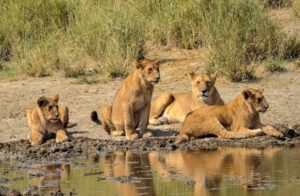
Its vast plains support extraordinary concentrations of wildlife, including lions, elephants, buffaloes, giraffes, cheetahs, leopards, hyenas and numerous antelope species.
Several airstrips serve different areas of the ecosystem, making it possible to design your safari around seasonal wildlife movements.
Central Serengeti is excellent throughout much of the year, while other regions become particularly important during different stages of the Great Migration.
Flying into the Serengeti is particularly useful for travelers who want to dedicate more of their itinerary to game viewing rather than road transfers.
Ngorongoro Crater
The Ngorongoro Crater is another highlight of Tanzania’s Northern Safari Circuit.
The crater floor contains an exceptional concentration of wildlife within a relatively compact area. During a game drive, travelers may encounter lions, elephants, buffaloes, hippos, zebras, wildebeest, hyenas and, with some luck, the endangered black rhino.
Fly-in itineraries often combine the Serengeti with an overland transfer toward the Ngorongoro Conservation Area, creating a balanced safari that includes both the open Serengeti plains and the dramatic crater landscape.
Tarangire National Park
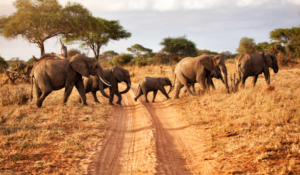
Tarangire is famous for its large elephant populations, ancient baobab trees and beautiful seasonal landscapes.
During the dry season, wildlife gathers around permanent water sources, providing excellent opportunities for game viewing.
Tarangire combines particularly well with Ngorongoro and Serengeti itineraries and can be visited either at the beginning or end of your safari.
Lake Manyara National Park
Lake Manyara can be included when travelers have additional time or want greater variety.
The park is known for its groundwater forest, birdlife, primates, elephants and scenic landscapes beneath the Great Rift Valley escarpment.
Although smaller than Serengeti or Tarangire, Lake Manyara can provide an interesting contrast within a longer Northern Tanzania itinerary.
Sample 5-Day Fly In Tanzania Safari Package Itinerary
The ideal itinerary depends on your arrival point, season and available time. However, the following example shows how a short fly-in safari can work.
Day 1: Arusha to Serengeti by Flight
Your safari begins with a transfer to the airport for your scheduled flight to the Serengeti.
Flying across northern Tanzania offers an interesting aerial perspective of the changing landscapes before landing at a bush airstrip.
Your professional safari guide meets you upon arrival.
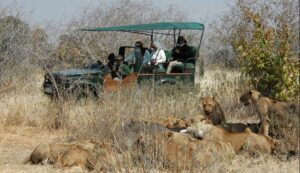
From the airstrip, your first game drive begins immediately. Depending on your arrival time, you can explore the surrounding plains while searching for lions, elephants, giraffes, zebras, wildebeest and other wildlife.
Later, continue to your selected tented camp or lodge for dinner and overnight.
Day 2: Full-Day Serengeti Safari
After breakfast, spend the day exploring the Serengeti.
The exact game-drive route should remain flexible because wildlife movements change daily. Your guide uses experience and current sightings to determine productive areas.
You may encounter large prides of lions, cheetahs scanning the plains, elephants moving between woodland areas and enormous herds of grazing animals.
Travel during the appropriate season may also provide opportunities to witness sections of the Great Migration.
Return to your accommodation for dinner and overnight.
Day 3: Serengeti to Ngorongoro Area
Enjoy another game drive as you leave the Serengeti and continue toward the Ngorongoro Conservation Area.
This transition provides a chance to appreciate the diversity of northern Tanzania’s landscapes.
Depending on your route and schedule, additional wildlife viewing can take place along the journey.
Arrive at your accommodation near Ngorongoro for dinner and overnight.
Day 4: Ngorongoro Crater Safari
After an early breakfast, travel toward the crater and descend into one of Africa’s most remarkable natural wildlife environments.
Spend several hours exploring the crater floor.
The Ngorongoro ecosystem supports an impressive variety of wildlife, and the relatively open landscape can create excellent viewing opportunities.
Enjoy your safari lunch before continuing your game drive.
Later, ascend from the crater and travel to your accommodation for dinner and overnight.
Day 5: Tarangire National Park – Arusha
After breakfast, continue to Tarangire National Park for your final game drive.
Search for elephants, giraffes, zebras, wildebeest, lions and other species while enjoying the park’s famous baobab-dominated scenery.
After your safari, drive back toward Arusha for drop-off at your hotel or onward travel arrangements.
This itinerary can also be modified according to your flight schedule.
Fly In Safari From Zanzibar
One of the biggest advantages of a Tanzania fly-in safari is the ability to combine Zanzibar with a mainland wildlife safari.
Travelers staying in Zanzibar can take a domestic flight toward Tanzania’s safari regions rather than returning for a long overland journey.
A popular holiday combination is:
Zanzibar → Serengeti → Ngorongoro → Tarangire → Arusha
Alternatively, travelers can arrange a safari before continuing to Zanzibar for a relaxing beach holiday.
This combination works particularly well for honeymooners and couples who want both wildlife and tropical beaches during one Tanzania vacation.
Fly In Safari From Arusha
Arusha is the traditional gateway to Tanzania’s Northern Safari Circuit.
Flights from Arusha connect travelers with several safari airstrips, particularly in and around the Serengeti ecosystem.
A fly-in arrangement from Arusha can be ideal when Serengeti is the main priority.
Instead of spending many hours reaching the park by road, travelers can arrive much faster and begin game viewing shortly after landing.
How Many Days Do You Need for a Fly In Tanzania Safari?
There is no single perfect duration.
For most first-time visitors, approximately 4 to 7 days provides a good balance between wildlife viewing, travel and relaxation.
A 3-day safari may work when time is extremely limited, particularly when flights are used efficiently.
Four or five days provide more opportunities to combine Serengeti with Ngorongoro.
Six or seven days allow a slower itinerary with additional time in Serengeti, Tarangire or other destinations.
Travelers interested in photography or the Great Migration may prefer additional nights in the Serengeti.
Best Time for a Fly In Tanzania Safari
Tanzania offers wildlife safaris throughout the year, although different months provide different experiences.
June to October
These generally drier months are popular for wildlife viewing because vegetation becomes less dense and animals frequently concentrate around water sources.
This period is particularly attractive for Tarangire and many areas of the Serengeti.
December to March
These months can be excellent for travelers interested in the southern Serengeti and Ndutu ecosystem.
The Great Migration herds are often associated with this wider region during the calving season, although exact wildlife locations are determined by rainfall and natural conditions.
April and May
These months are traditionally associated with heavier rainfall.
The landscapes become beautifully green, visitor numbers may be lower and photographers can enjoy dramatic skies and lush scenery.
However, travelers should always consider weather conditions when planning flights to remote bush airstrips.
Fly In Tanzania Safari for the Great Migration
A fly-in safari is particularly useful when your main goal is seeing the Great Migration.
The migration is not located in one place throughout the year. Wildebeest and zebra herds move through the Serengeti-Mara ecosystem according to rainfall, grazing conditions and other natural factors.
Therefore, your accommodation and airstrip should be selected according to the expected seasonal location of the herds.
During certain months, Northern Serengeti becomes an important destination for travelers hoping to witness river-crossing activity.
At other times, Central Serengeti, Western Serengeti or the southern Serengeti and Ndutu areas may provide better opportunities.
No responsible safari operator can guarantee a specific wildlife event, especially a river crossing, because animal movements are completely natural.
Fly In Tanzania Safari for Honeymooners
A fly-in safari is an excellent choice for honeymoon travel.
Flying reduces long transfer times and allows couples to spend more time enjoying their camps, lodges and wildlife activities.
Luxury tented camps can provide spacious accommodation, private dining possibilities and spectacular wilderness settings.
A honeymoon itinerary can also combine safari with Zanzibar, creating a holiday that begins with wildlife adventure and ends beside the Indian Ocean.
Fly In Tanzania Safari for Families
Families can also benefit from flying between destinations, particularly when traveling with children who may become uncomfortable during very long road transfers.
However, parents should check luggage restrictions and any age-related policies associated with small aircraft and individual safari camps before confirming the itinerary.
A carefully planned family safari should balance game-drive time with opportunities to rest.
Accommodation Options
A fly in Tanzania safari package itinerary can be designed around different accommodation standards.
Mid-Range Tented Camps
These camps provide comfortable beds, private bathroom facilities in many properties and authentic wilderness surroundings.
They are a popular choice for travelers seeking comfort without choosing the highest luxury category.
Luxury Tented Camps
Luxury camps combine wilderness locations with high standards of service, spacious rooms or tents and excellent dining.
Many are strategically positioned near productive wildlife areas.
Safari Lodges
Permanent lodges can provide larger facilities, restaurants, lounges and sometimes swimming pools.
They may be especially suitable for families or travelers who prefer a more conventional accommodation structure.
How Much Does a Fly In Tanzania Safari Cost?
The price of a fly-in safari varies considerably.
Major factors include:
- Number of safari days
- Domestic flight routes
- Travel season
- Number of travelers
- Accommodation category
- Private versus shared arrangements
- National park and conservation fees
- Location of safari camps
- Optional activities
Because domestic flights add another component to the safari cost, fly-in itineraries are generally more expensive than comparable road-only packages.
However, many travelers consider the additional expense worthwhile because of the time saved.
Requesting a customized quotation is the best way to establish an accurate price.
What to Pack for a Fly In Tanzania Safari
Packing carefully is particularly important on fly-in safaris because smaller aircraft may have stricter luggage limits than international airlines.
Soft-sided travel bags are generally more practical than large hard-shell suitcases.
Useful items include lightweight neutral-colored clothing, comfortable shoes, sunglasses, sunscreen, a hat, camera equipment, binoculars, personal medication and warmer layers for cool mornings and evenings.
Always confirm the latest luggage allowance for your specific domestic flight before departure.
Fly In Safari vs Road Safari
Both safari styles offer excellent experiences, but they suit different travelers.
A road safari allows you to observe the changing landscapes between destinations and can be more economical.
A fly-in safari emphasizes convenience and saves travel time.
If you only have a few days and Serengeti is your priority, flying may be particularly worthwhile.
If you have more time and enjoy scenic overland travel, combining driving and flying can provide the best of both approaches.
Private Fly In Tanzania Safari
Travelers seeking greater flexibility can choose a private safari.
After landing at the airstrip, you travel in your own safari vehicle with your dedicated guide rather than following the schedule of a larger group.
Private safaris are particularly suitable for couples, honeymooners, families, photographers and travelers with specific wildlife interests.
Game-drive timing can be planned around your preferences while respecting park regulations and practical travel requirements.
Can You Add a Serengeti Balloon Safari?
Yes. A hot-air balloon safari can often be added to selected Serengeti itineraries, subject to availability and operating conditions.
Balloon flights normally take place early in the morning and provide a completely different perspective of the Serengeti landscape.
Because places are limited, travelers interested in ballooning should ideally request the activity when arranging their safari rather than waiting until arrival.
Why Book With Kilipath African Safaris?
Planning a successful fly-in safari requires coordination between domestic flights, accommodation, airport transfers, park schedules and game drives.
Kilipath African Safaris can create a personalized itinerary according to your available days, arrival airport, accommodation preferences and safari interests.
Our safari arrangements can include professional guides, 4×4 safari vehicles, carefully selected accommodation, airport or airstrip coordination and game drives across Tanzania’s leading wildlife destinations.
Whether you are traveling from Zanzibar, Arusha or Kilimanjaro, we can help design an itinerary that uses your available safari time effectively.
Tips for Planning the Perfect Fly In Tanzania Safari Package Itinerary
Book early if traveling during popular safari periods, particularly when your itinerary requires specific camps and domestic flights.
Plan the route according to the season rather than simply selecting famous park names.
Allow reasonable connection times between international and domestic flights.
Keep your luggage light and follow the baggage rules provided for your safari aircraft.
If the Great Migration is your priority, choose your Serengeti region based on expected seasonal wildlife movements.
Most importantly, maintain some flexibility. Wildlife does not follow a timetable, and the best safari experiences often come from allowing an experienced guide to adapt game drives to conditions on the ground.
A fly in Tanzania safari package itinerary is an excellent option for travelers who want to experience Tanzania’s extraordinary wildlife while making efficient use of their holiday.
By combining domestic flights with professional guided game drives, you can reduce lengthy road transfers and spend more time exploring destinations such as Serengeti National Park, Ngorongoro Crater and Tarangire National Park.
Whether you are planning a honeymoon, family holiday, photography safari, Great Migration journey or Zanzibar-and-safari combination, the most effective itinerary is one designed around your travel dates and personal priorities.
Kilipath African Safaris can customize your fly-in Tanzania safari according to your preferred duration, accommodation level, arrival point and budget.
Contact Kilipath African Safaris to start planning a personalized Tanzania fly-in safari and turn your available travel days into an unforgettable African wildlife experience.