Experience a Guided Serengeti Safari Adventure in Tanzania
A guided Serengeti safari adventure is one of the most memorable ways to experience the wildlife and landscapes of Tanzania. Stretching across vast grasslands, rocky kopjes, river valleys and woodland areas, Serengeti National Park offers travelers the opportunity to observe animals living and interacting in their natural environment.
The Serengeti is especially famous for the Great Migration, but the park offers exceptional wildlife viewing throughout the year. Lions resting around rocky outcrops, elephants crossing the plains, giraffes browsing acacia trees, cheetahs scanning the grasslands and large herds of zebras and wildebeest are just some of the encounters visitors may experience.
UNESCO describes Serengeti National Park as approximately 1.5 million hectares of savannah and recognizes its annual migration of wildebeest, zebras and gazelles as one of the world’s most impressive natural spectacles. The park also supports an exceptionally diverse predator-prey ecosystem.
Traveling with an experienced safari guide adds another dimension to the journey. Instead of simply seeing animals from a vehicle, travelers learn how to interpret tracks, animal behavior, landscapes, migration patterns and the relationships between different species.
Why Choose a Guided Serengeti Safari?
The Serengeti is enormous, and wildlife is constantly moving. Knowing where animals are likely to be found requires experience, patience and knowledge of local conditions.
A professional safari guide understands the different areas of the park and knows how changes in rainfall, grass, water availability and seasons influence wildlife movement. Guides also communicate with other safari professionals while exploring the park, helping them identify areas where interesting wildlife activity may be occurring.
On a guided game drive, you may learn why lions prefer particular hunting areas, how cheetahs use open plains to their advantage, how elephants communicate with one another and why wildebeest continue moving across the ecosystem.
A good guided safari therefore becomes more than wildlife sightseeing. It becomes an educational journey through one of Africa’s most important ecosystems.
What Makes the Serengeti Special?
The name Serengeti is commonly associated with seemingly endless plains, and the landscape certainly creates that impression. Huge sections of grassland stretch toward the horizon, occasionally interrupted by granite kopjes, seasonal rivers and patches of woodland.
These different habitats support remarkable biodiversity.
UNESCO reports that the wider Serengeti ecosystem supports enormous populations of wildebeest, zebras and gazelles as well as large predators including lions, leopards, cheetahs, spotted hyenas and wild dogs. More than 500 bird species are also recorded as being present seasonally or throughout the year.
Because different species occupy different habitats, traveling between areas of the park can produce dramatically different safari experiences.
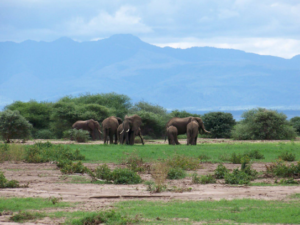
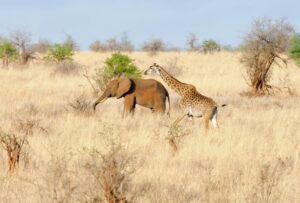
One morning might involve watching lions beside a kopje. Later you could encounter a herd of elephants crossing the road before spending the afternoon observing giraffes, buffalo, hippos or large groups of antelope.
Wildlife sightings can never be guaranteed, which is part of what makes an authentic safari exciting.
The Great Migration
For many travelers, witnessing part of the Great Migration is the main reason for booking a guided Serengeti safari adventure.
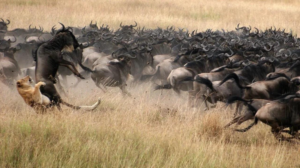
The migration is not a single event occurring in one location. It is a continuous movement through the Serengeti ecosystem as enormous herds search for fresh grazing and water.
UNESCO describes the Serengeti as home to the world’s largest remaining unaltered animal migration, with more than a million wildebeest accompanied by hundreds of thousands of other grazing animals moving through Tanzania and Kenya.
Rainfall largely influences where the herds travel, meaning their exact location varies from year to year.
During the early months of the year, large numbers of wildebeest traditionally gather on the southern Serengeti and surrounding short-grass plains for the calving season. Later the herds generally travel toward the central and western areas before moving farther north during the dry season.
Eventually, changing rainfall encourages the herds to move south again.
Because this cycle depends on natural conditions, travelers interested specifically in migration viewing should plan according to both their travel month and the section of the Serengeti they intend to visit.
When Is the Best Time for a Serengeti Safari?
There is no single perfect month because Serengeti wildlife viewing changes throughout the year.
The dry season, generally from around late June through October, is popular because vegetation becomes thinner and animals frequently concentrate around available water sources. It is also an important period for migration activity in northern parts of the Serengeti ecosystem.
The wetter months provide a different experience. The landscape becomes greener, visitor numbers can be lower during certain periods, migratory birds arrive and the southern plains become particularly important during the wildebeest calving season.
Your best travel period therefore depends on what you want to experience.
Travelers primarily interested in predators can enjoy the Serengeti during many months of the year. Those wanting to see enormous migrating herds should choose their dates according to the approximate location of the migration. Photographers may appreciate both the golden landscapes of the dry season and the dramatic green scenery that follows rainfall.
Different Areas of the Serengeti
Understanding the park’s different regions can help you design a better safari itinerary.
Central Serengeti
The Central Serengeti, particularly around Seronera, is one of the most famous wildlife areas in Tanzania.
Permanent water sources and varied habitats help support wildlife throughout much of the year. Lions, elephants, giraffes, buffalo, leopards, cheetahs and many antelope species may all be encountered here.
Central Serengeti is therefore particularly suitable for first-time safari travelers and travelers visiting outside the peak migration periods.
Northern Serengeti
Northern Serengeti has a more remote character, with rolling landscapes, woodland and the Mara River.
During part of the dry season, migrating wildebeest and zebra may reach this region. River crossings are particularly famous, although they remain unpredictable natural events and cannot be scheduled or guaranteed.
Travelers should normally allow enough time in the region rather than expecting a crossing at a specific hour.
Western Serengeti
The western corridor includes woodland, plains and the Grumeti River ecosystem.
Large migrating herds may move through this region as they travel northward after leaving central areas. Wildlife can include elephants, giraffes, crocodiles, hippos, predators and large concentrations of grazing animals during migration periods.
Southern Serengeti and Ndutu Area
The southern plains become especially important during the green season.
Fresh grasses attract enormous wildebeest herds, and the calving period brings extraordinary wildlife interactions as thousands of young animals enter the ecosystem.
Predators such as lions, cheetahs, hyenas and jackals are naturally attracted by this abundance of prey.
What Happens During a Serengeti Game Drive?
A typical Serengeti safari day begins early.
Early morning conditions are often excellent for wildlife viewing because temperatures are cooler and many animals are active.
After breakfast or an early departure, travelers enter the safari vehicle and begin exploring with their guide. A 4×4 safari vehicle with a raised or pop-up roof provides elevated viewing and photography opportunities.
The pace of the drive depends on what is happening around you.
Your guide may stop because fresh tracks have appeared beside the road. A few minutes later, a lion may emerge from the grass. Somewhere else, circling vultures may indicate predator activity. A herd of elephants may cause the vehicle to remain stationary while the animals quietly cross ahead.
These unscripted encounters are what make each safari different.
Some days include extensive driving to explore different habitats, while others involve spending considerable time watching one particularly interesting wildlife interaction.
Wildlife You Can See in Serengeti National Park
A guided Serengeti safari gives travelers opportunities to search for many of Africa’s best-known animals.
Lions are especially associated with the Serengeti and can often be found around plains, river systems and rocky kopjes. Leopards prefer areas offering trees and cover, while cheetahs are strongly associated with open environments where their speed gives them an advantage.
Elephants, buffalo, giraffes, hippos, warthogs, hyenas, jackals, zebras, wildebeest and numerous antelope species contribute to the diversity of the safari experience.
Black rhinos also occur within the Serengeti ecosystem, although they are much more difficult to encounter than many other large animals. UNESCO identifies black rhinoceros, elephant, wild dog and cheetah among globally threatened or endangered species found in the park.
Bird lovers also have plenty to discover, ranging from large ostriches and secretary birds to eagles, vultures and colorful smaller species.
How Many Days Do You Need in the Serengeti?
Although a Serengeti visit can form part of a short Tanzania safari, spending several days inside or around the park usually creates a more rewarding experience.
A three- or four-day northern Tanzania safari may include the Serengeti together with Ngorongoro Crater or another destination. Travelers with five to seven days can explore more areas while spending additional time observing wildlife.
Longer itineraries can combine Serengeti National Park with Tarangire National Park, Ngorongoro Conservation Area and Lake Manyara.
Travelers particularly interested in the Great Migration may benefit from concentrating more safari time in the specific Serengeti region where the herds are expected during their travel dates.
Serengeti Safari Accommodation
Accommodation plays an important role in the overall safari experience.
Travelers can choose from public camping, tented safari camps, comfortable mid-range lodges and high-end luxury properties.
Tented camps are especially popular because they combine comfort with a strong connection to the surrounding landscape. Many offer proper beds, private bathrooms and dining facilities while maintaining the atmosphere of being deep in the wilderness.
Some camps are seasonal and repositioned according to migration movements, while others remain in established locations throughout the year.
Your accommodation choice should consider budget, comfort level and location. Staying closer to the area you plan to explore can reduce driving time and allow more time for game viewing.
Serengeti Safari Photography
The Serengeti provides exceptional opportunities for wildlife photography.
Long lenses are particularly useful for capturing distant animals while a wider lens can help photograph landscapes, herds and animals beside the safari vehicle.
Morning and late-afternoon light can create beautiful photographic conditions, while dust, dramatic clouds and changing weather often produce memorable scenes.
Your guide can play an important role by positioning the safari vehicle where possible without disturbing animals or violating park regulations.
Patience is equally important. Rather than immediately leaving after taking one photograph, remaining with an animal can reveal interesting behavior.
A resting cheetah may suddenly begin hunting. Lions that appear asleep may start interacting. Elephants may approach a waterhole.
Some of the best photographs happen after waiting.
What to Pack for Your Guided Serengeti Safari Adventure
Comfortable lightweight clothing in neutral colors generally works well during daytime game drives. Early mornings and evenings can become cool, so a warm layer is useful.
Sun protection is essential because safari vehicles may remain exposed to strong sunlight for long periods.
Binoculars enhance wildlife viewing, particularly for birds and distant predators. Cameras, spare batteries, memory cards, comfortable shoes and personal medications should also be considered.
Soft-sided luggage is particularly practical when domestic light-aircraft flights are included because baggage restrictions can differ from international airline allowances.
Combining Serengeti with Other Tanzania Destinations
One of the advantages of a Serengeti safari is that it can easily form part of a larger Tanzania itinerary.
Ngorongoro Crater is a particularly popular combination. The dramatic volcanic caldera supports diverse wildlife within a relatively concentrated area and creates a completely different landscape from the open Serengeti plains.
Tarangire National Park is another excellent addition, particularly for travelers interested in elephants, baobab landscapes and contrasting habitats.
After several days of wildlife viewing, many travelers continue to Zanzibar for beaches, Stone Town, cultural experiences and relaxation beside the Indian Ocean.
Combining safari and beach experiences can create a balanced Tanzania holiday that includes both adventure and relaxation.
Responsible Safari Travel
Visitors play an important role in protecting the Serengeti.
Following park regulations, avoiding littering, respecting wildlife distances and listening to your guide help minimize disturbance to animals.
Animals should never be pressured simply to obtain a photograph. Vehicles should also avoid blocking animal movement or creating dangerous situations around major wildlife events.
Responsible tourism helps preserve the Serengeti ecosystem so future generations can continue experiencing its extraordinary wildlife.
Is a Guided Serengeti Safari Worth It?
For travelers fascinated by wildlife, landscapes and nature, the Serengeti offers an extraordinary experience.
Its significance goes far beyond famous photographs of migrating wildebeest. The park is a complex ecosystem where predators, grazing animals, rainfall, grasslands, rivers and seasonal movements are constantly interacting.
A knowledgeable guide helps travelers understand those connections.
Instead of simply photographing a lion, you begin noticing how it behaves. Instead of seeing thousands of wildebeest, you understand why they are moving. Instead of viewing an empty-looking plain, you learn how guides search for signs that wildlife is nearby.
That knowledge can transform a safari from a sightseeing trip into a genuine wilderness experience.
Plan Your Guided Serengeti Safari Adventure
A successful guided Serengeti safari adventure starts with choosing the right travel dates, safari length, accommodation and Serengeti region.
Whether you dream of witnessing the Great Migration, photographing lions at sunrise, watching elephants cross the savannah or simply experiencing the immense open landscapes of Tanzania, a carefully planned itinerary can help you make the most of your time.
At Kilipath African Safaris, we can help design a Serengeti itinerary around your travel dates, preferred comfort level and the wildlife experiences you would most like to see.
Start planning your Serengeti safari today and experience Tanzania’s legendary wilderness with an experienced local safari team.