Introduction
A guided Tanzania safari itinerary experience is one of the most rewarding ways to explore Africa’s wildlife, landscapes, and cultures. Tanzania is home to famous destinations such as Serengeti National Park, Ngorongoro Crater, Tarangire National Park, Lake Manyara National Park, and the seasonal Ndutu plains.
While it is possible to research these destinations independently, traveling with a professional safari guide makes the journey safer, smoother, and more informative. Your guide understands wildlife behavior, park regulations, road conditions, and the best areas for animal sightings. This local knowledge can transform an ordinary game drive into an unforgettable adventure.
A guided safari can be arranged as a private tour, shared group safari, family holiday, honeymoon experience, photography trip, or budget camping adventure. Your itinerary can last from two or three days to more than ten days, depending on your budget and the places you wish to visit.
This complete guide explains how to plan your Tanzania safari, choose suitable parks, decide how many days you need, and prepare for your journey.
Why Choose a Guided Tanzania Safari?
A Tanzania safari is not simply about driving through national parks. Wildlife moves freely, road conditions change, and animal sightings depend on timing, weather, and expert observation.
A professional driver-guide helps you understand the environment while taking care of navigation and park procedures.
The main benefits of a guided safari include:
- Professional knowledge of Tanzania’s national parks
- Better opportunities for wildlife sightings
- Safe travel between different destinations
- Information about animals, plants, and local culture
- Assistance with park entry procedures
- Flexible game-drive planning
- Transportation in a specially equipped safari vehicle
- Help during unexpected situations
Experienced guides communicate with one another by radio. If lions, leopards, cheetahs, or other remarkable animals are spotted nearby, guides can share information and help their guests reach the area when conditions permit.
A good guide also knows when to wait. Wildlife encounters cannot be rushed. A resting leopard may climb down from a tree, elephants may approach a water source, or lions may begin hunting after hours of inactivity.
What Does a Guided Safari Itinerary Include?
The exact inclusions depend on the package and accommodation category selected. However, a standard guided Tanzania safari itinerary experience generally includes:
- Transportation in a 4×4 safari Land Cruiser
- A professional English-speaking driver-guide
- National park entrance fees
- Ngorongoro conservation and crater service fees when applicable
- Game drives according to the itinerary
- Selected accommodation
- Meals during the safari
- Drinking water
- Government taxes
- Airport or hotel transfers listed in the program
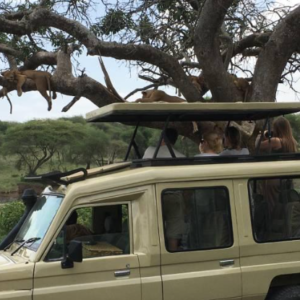
Safari vehicles usually have a pop-up roof, allowing travelers to stand and observe wildlife during game drives. Many vehicles also provide charging sockets, seatbelts, a cooler or refrigerator, and binoculars to share.
International flights, visas, travel insurance, tips, alcoholic drinks, personal purchases, and optional activities are not normally included unless clearly mentioned in the quotation.
Best Parks for a Tanzania Safari Itinerary
Serengeti National Park
Serengeti National Park is Tanzania’s most famous safari destination. Its enormous plains support lions, elephants, giraffes, buffaloes, cheetahs, leopards, hyenas, zebras, wildebeest, and many other species.
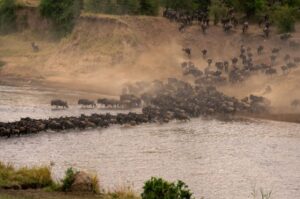
The park is also central to the Great Wildebeest Migration. More than a million wildebeest, accompanied by zebras and gazelles, move through the greater Serengeti ecosystem in search of fresh grass and water.
Central Serengeti, also called the Seronera area, offers excellent wildlife viewing throughout the year. Permanent water sources attract animals in different seasons, while rocky kopjes provide resting and observation points for lions.
Travelers interested in the northern river crossings normally visit Northern Serengeti between July and October. Those hoping to see the calving season usually travel to the Ndutu region from approximately December through March.
Ngorongoro Crater
Ngorongoro Crater is one of the most extraordinary wildlife areas in Tanzania. The crater was formed after the collapse of a massive ancient volcano and now contains grasslands, forests, wetlands, and a soda lake.
During a crater game drive, travelers may see lions, buffaloes, elephants, hippos, zebras, wildebeest, hyenas, and gazelles. The crater is also one of the better places in northern Tanzania to look for the endangered black rhinoceros, although sightings can never be guaranteed.
The crater rim can be cold, particularly during the early morning and evening. Travelers should bring a warm jacket even if the rest of their safari takes place in warm weather.
Tarangire National Park
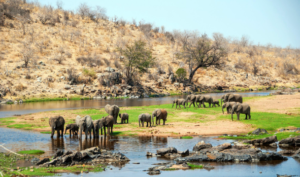
Tarangire National Park is known for its large elephant population, ancient baobab trees, and beautiful natural scenery. The Tarangire River attracts wildlife, especially during the dry season.
Visitors may encounter elephants, giraffes, zebras, wildebeest, buffaloes, lions, warthogs, and numerous bird species. Leopards and cheetahs are also present but are more difficult to locate.
Tarangire is commonly included at the beginning or end of a northern Tanzania safari because it is relatively accessible from Arusha. It combines particularly well with Serengeti and Ngorongoro Crater.
Travelers should avoid wearing dark blue or black clothing in areas where tsetse flies are present. Neutral colors such as khaki, beige, brown, and light green are more suitable for game drives.
Lake Manyara National Park
Lake Manyara National Park lies beneath the dramatic Great Rift Valley escarpment. Although smaller than Serengeti or Tarangire, it contains groundwater forest, open woodland, wetlands, and lakeshore habitats.
Wildlife can include elephants, giraffes, buffaloes, zebras, monkeys, hippos, and various antelopes. The park is also an excellent destination for birdwatching.
Lake Manyara can be visited as a short game drive while traveling between Arusha, Karatu, and the Ngorongoro highlands.
Recommended Seven-Day Tanzania Safari Itinerary
Day 1: Arrival in Arusha
After arriving at Kilimanjaro International Airport or Arusha Airport, you will meet your representative and transfer to your accommodation in Arusha.
Depending on your arrival time, you can relax at the hotel or explore part of the city. Your safari representative may provide a briefing covering departure time, luggage, accommodation, safety, and the planned route.
Day 2: Arusha to Tarangire National Park
After breakfast, meet your safari guide and travel to Tarangire National Park. The drive from Arusha normally takes approximately two to three hours, depending on traffic and your departure location.
Enjoy a game drive through landscapes filled with baobab trees and acacia woodland. Stop for lunch at an authorized picnic area before continuing to search for elephants, lions, giraffes, zebras, and other animals.
In the evening, travel to your lodge or campsite for dinner and overnight.
Day 3: Tarangire to Serengeti National Park
After breakfast, drive toward Serengeti National Park through the Ngorongoro Conservation Area. The journey is long, but the changing scenery makes it an important part of the safari experience.
After completing park formalities, enter Serengeti and enjoy an afternoon game drive while traveling toward your accommodation.
Spend the evening at a lodge, tented camp, or public campsite inside or near the park.
Day 4: Full-Day Serengeti Game Drive
Begin early when wildlife is generally active and temperatures are cooler. Your guide will select a route based on recent sightings, seasonal conditions, and your interests.
You may explore river valleys, open plains, rocky kopjes, and woodland areas. Look for lions, cheetahs, leopards, elephants, giraffes, buffaloes, hyenas, and large herds of grazing animals.
A picnic lunch allows you to spend more time in the park. Alternatively, some lodge-based itineraries may return to camp for a hot lunch before an afternoon game drive.
Day 5: Serengeti to Ngorongoro
Enjoy a final morning game drive in Serengeti before traveling toward the Ngorongoro highlands.
Depending on your program, accommodation may be located on the crater rim or in the nearby Karatu area. Staying on the rim offers impressive views and easier access to the crater, while accommodation outside the conservation area may provide better value.
Day 6: Ngorongoro Crater Game Drive
Depart early and descend to the crater floor for a game drive. The compact ecosystem supports a remarkable concentration of wildlife.
Your guide will explore different habitats and stop at a suitable picnic site for lunch. After completing the game drive, ascend from the crater and return to Karatu or continue toward Arusha.
Day 7: Return to Arusha or Airport Transfer
After breakfast, drive back to Arusha. Depending on your flight schedule, you may transfer to Arusha Airport or Kilimanjaro International Airport.
A nighttime flight from Kilimanjaro is generally more comfortable after a safari because it provides additional time for road delays. Travelers departing from Arusha Airport should discuss realistic flight times with their tour operator before booking.
Private Versus Shared Guided Safaris
A private safari provides a dedicated vehicle and guide for your party. It allows greater flexibility over departure times, game-drive duration, comfort stops, and daily priorities.
Private tours are ideal for:
- Couples and honeymooners
- Families traveling with children
- Photographers
- Travelers with specific interests
- Groups of friends
- Guests who value flexibility and privacy
A shared safari allows travelers to join other guests in one vehicle. It is generally more affordable because transportation and guide expenses are divided among participants.
Shared safaris follow a fixed itinerary, making them less flexible than private tours. Each traveler should still have a comfortable seat and a good view through the window or pop-up roof.
Some remote destinations and specialized migration routes may only be practical as private safaris.
Choosing Safari Accommodation
Budget Camping
Camping is the most affordable and adventurous option. Travelers normally sleep in tents at public campsites. Safari equipment may include a tent, mattress, sleeping bag, and pillow.
A safari chef prepares meals, while showers and toilets are shared with other campsite visitors. Electricity and hot water may be limited.
Mid-Range Tented Camps and Lodges
Mid-range accommodation offers greater privacy and comfort. Rooms or permanent safari tents normally have private bathrooms, beds, electricity, and dining facilities.
Tented camps allow guests to remain close to nature without sacrificing essential comfort.
Luxury Accommodation
Luxury lodges and camps may provide spacious suites, premium dining, private decks, swimming pools, and highly personalized services. Some are located in remote wildlife areas and may require domestic flights.
Your accommodation selection has a major influence on the total safari price.
Best Time for a Guided Tanzania Safari
Tanzania is a year-round safari destination, but every season offers a different experience.
The dry season, generally from June through October, offers excellent wildlife viewing because animals gather near permanent water sources. July to October is also an important period for viewing the migration in Northern Serengeti.
The green season brings lush landscapes, newborn animals, migratory birds, and fewer visitors. The Ndutu calving season is usually most active between January and March.
April and May are associated with heavier rainfall. Some roads can become difficult, but travelers may benefit from quieter parks and lower accommodation prices.
Because wildlife is wild and weather patterns change, migration locations and sightings cannot be guaranteed.
What to Pack for Your Safari
Bring practical, lightweight items and avoid unnecessary luggage. Recommended items include:
- Neutral-colored clothing
- A warm jacket or fleece
- Comfortable closed shoes
- Sun hat and sunglasses
- Sunscreen and insect repellent
- Camera and spare batteries
- Personal medication
- Reusable water bottle
- Small day bag
- Passport and travel documents
- Power bank and charging cables
- Binoculars if you prefer your own pair
Soft-sided bags are better than large hard-shell suitcases, particularly when using domestic flights.
How Much Does a Guided Tanzania Safari Cost?
Safari prices depend on the number of travelers, travel season, itinerary length, accommodation category, vehicle type, and parks visited.
Private safaris usually cost more per person for a couple because they have exclusive use of the vehicle. The price per person decreases when more travelers share the private vehicle.
Park fees, vehicle expenses, fuel, guide services, accommodation, and food account for a significant portion of the price. A very cheap quotation should be examined carefully to ensure that all required fees and services are included.
Ask your operator to specify:
- Included and excluded services
- Accommodation names and room types
- Deposit and balance requirements
- Cancellation conditions
- Airport transfers
- Optional activity prices
- Whether the safari is private or shared
Responsible Safari Travel
Responsible tourism protects Tanzania’s wildlife while supporting local communities.
Travelers should follow their guide’s instructions, remain inside the vehicle unless stopping in an authorized area, and avoid feeding or disturbing animals. Noise should be kept low near wildlife, particularly during hunting, feeding, or interactions involving young animals.
Do not ask the guide to drive off-road where it is prohibited. Maintain a respectful distance from animals and avoid blocking their path.
Choosing locally operated safari companies, buying authentic handicrafts, and visiting community projects responsibly can help tourism benefit local people.
Book Your Guided Tanzania Safari Itinerary Experience
A well-planned guided Tanzania safari itinerary experience gives you the time, local knowledge, and reliable support needed to enjoy Tanzania’s wilderness. Whether you dream of watching elephants beneath Tarangire’s baobab trees, searching for big cats in Serengeti, or exploring the wildlife-rich Ngorongoro Crater, the right itinerary can turn that dream into reality.
Kilipath African Safaris can create private and shared safari itineraries for couples, families, solo travelers, honeymooners, and groups. Routes can be customized according to your travel dates, preferred accommodation, interests, and budget.
Contact Kilipath African Safaris today to begin planning your guided Tanzania safari and receive a personalized itinerary and quotation.