If you are planning a trip to Tanzania, visiting Kilimanjaro National Park should be at the very top of your bucket list. Home to Africa’s highest peak and one of the world’s most iconic trekking destinations, this park offers breathtaking landscapes, unique wildlife, and unforgettable adventure experiences.
At Kilipath African Safari, we design expertly guided journeys that help travelers explore Kilimanjaro safely, confidently, and with deep local insight.
Where is Kilimanjaro National Park?
Kilimanjaro National Park is located in northern Tanzania, near the town of Moshi. It protects the entire mountain ecosystem of Mount Kilimanjaro, including rainforest, alpine desert, and the famous snow-capped summit.
The park is part of the larger Kilimanjaro region, which is one of Africa’s most visited adventure destinations.
Why Visit Kilimanjaro National Park?
Kilimanjaro is not just a mountain—it is a world of ecosystems stacked on top of each other.
Here’s what makes it special:
- Home to Africa’s highest peak (5,895 meters)
- Five unique ecological zones
- Rich biodiversity including monkeys, birds, and rare plants
- Iconic trekking routes with world-class views
- Stunning sunrise and glacier scenery at the summit
Whether you are climbing or exploring the lower slopes, Kilimanjaro offers unforgettable natural beauty.
Main Attractions in Kilimanjaro National Park
1. Mount Kilimanjaro Summit (Uhuru Peak)
The ultimate challenge for trekkers. Reaching the summit means standing on the “Roof of Africa.”
2. Rainforest Zone
A lush green environment filled with colobus monkeys, birds, and dense vegetation.
3. Shira Plateau
A dramatic volcanic plateau offering panoramic views and great acclimatization hikes.
4. Lava Tower
A key stop on trekking routes, known for altitude adaptation and scenic landscapes.
5. Glaciers and Ice Fields
Although shrinking, Kilimanjaro’s glaciers remain one of its most iconic features.
Best Time to Visit Kilimanjaro National Park
The best trekking conditions are:
- January to March Cooler and less crowded
- June to October Dry season and most popular time
Avoid heavy rainy seasons (April–May and November) unless you prefer quieter trails and don’t mind wet conditions.
Popular Kilimanjaro Climbing Routes
Different routes offer different experiences:
- Machame Route – Scenic and popular
- Lemosho Route – Best for acclimatization and success rate
- Marangu Route – Hut accommodation, easier logistics
- Rongai Route – Drier and less crowded
- Northern Circuit Route – Longest and most scenic
At Kilipath African Safari, we recommend Lemosho for first-time climbers due to its balance of beauty and success rate.
Wildlife in Kilimanjaro National Park
Even though it is a mountain park, wildlife is present—especially in the lower rainforest zones:
- Blue monkeys
- Colobus monkeys
- Bush babies
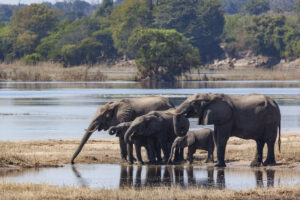
- Elephants (rare sightings)
- Various bird species
The biodiversity changes dramatically as you climb higher.
Entry Fees and Park Regulations
Visitors must pay park fees, which vary depending on nationality and activity.
Important rules include:
- No littering (carry everything back)
- Mandatory licensed guides for climbing
- Respect wildlife and vegetation
- Camping only in designated areas
All climbers must be registered through authorized tour operators like Kilipath African Safari.
What to Pack for Kilimanjaro
Essentials include:
- Warm layered clothing
- Waterproof jacket
- Hiking boots
- Sleeping bag (4-season recommended)
- Gloves and thermal wear
- Sunscreen and sunglasses
- Energy snacks
Packing correctly is crucial for summit success.
How Difficult is Climbing Kilimanjaro?
Kilimanjaro is a non-technical climb, meaning no ropes or climbing equipment are required. However, the challenge comes from:
- High altitude
- Cold temperatures
- Long trekking days
Proper acclimatization and pacing are key to reaching the summit successfully.
Why Book with Kilipath African Safari?
At Kilipath African Safari, we specialize in creating safe, well-organized Kilimanjaro climbing experiences.
We offer:
- Professional mountain guides
- High-quality camping equipment
- Proper acclimatization planning
- Ethical porter support
- Personalized trekking packages
Our goal is not just to get you to the summit—but to make the journey safe, enjoyable, and unforgettable.
Final Thoughts
Kilimanjaro National Park is more than just a trekking destination it is a life-changing adventure. From lush rainforests to icy summit views, every step on the mountain tells a story.
If you are ready to experience the Roof of Africa, Kilipath African Safari is here to guide you every step of the way.