A safari combining Nyerere National Park and Tarangire National Park introduces travelers to two remarkably different sides of Tanzania. Nyerere offers immense wilderness, the Rufiji River, boat excursions and a remote Southern Circuit atmosphere. Tarangire is known for ancient baobab trees, large elephant herds and the wildlife-rich Tarangire River.
Although these parks are located in different regions, they can be combined through a carefully planned fly-in itinerary. This makes the journey particularly attractive to returning safari travelers, photographers, honeymooners and anyone who wants to experience more than Tanzania’s traditional northern route.
This Nyerere National Park safari Tarangire travel guide explains how to connect the two parks, what animals you may encounter, when to travel, how many days you need and how Kilipath African Safaris can organize the journey.
Start planning your Tanzanian safari with Kilipath African Safaris. We can customize the route, accommodations and activities according to your interests, travel dates and budget.
Why Combine Nyerere National Park and Tarangire?
Many Tanzania itineraries concentrate exclusively on either the Northern Circuit or Southern Circuit. Combining Nyerere and Tarangire allows you to experience the highlights of both.
Nyerere National Park offers:
- Boat safaris on the Rufiji River
- Traditional game drives
- Guided walking safaris at selected camps
- Large, uncrowded wilderness areas
- Excellent opportunities to search for African wild dogs
- Hippos, crocodiles and abundant waterbirds
- A peaceful Southern Circuit atmosphere
Tarangire National Park offers:
- Large elephant herds
- Magnificent baobab trees
- Excellent dry-season wildlife concentrations
- Classic game drives from Arusha
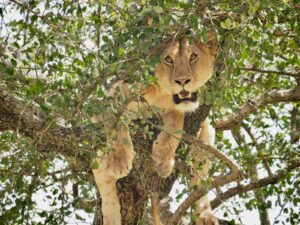
- Lions, giraffes, zebras, wildebeest and buffalo
- Beautiful woodland, river and savannah landscapes
- Easy connections to Ngorongoro, Lake Manyara and Serengeti
The official Tanzania Tourism Board describes Nyerere as a major river-safari destination, particularly for boat excursions among hippos, crocodiles, elephants and birdlife. It also highlights Tarangire as one of Tanzania’s celebrated national parks. Tanzania Tourism Board
Where Is Nyerere National Park?
Nyerere National Park is in southern Tanzania. It forms part of the wider Selous ecosystem and is centered around the Rufiji River, Tanzania’s largest river.
The park is most conveniently accessed from:
- Dar es Salaam
- Zanzibar
- Ruaha National Park
- Other Southern Circuit airstrips
Most visitors use a scheduled or chartered light-aircraft flight because flying reduces travel time and provides easier access to the safari camps. Driving from Dar es Salaam is possible, but the journey can be long and road conditions vary with the season.
Nyerere is an excellent destination for travelers arriving through Dar es Salaam or enjoying a beach holiday in Zanzibar.
Where Is Tarangire National Park?
Tarangire National Park is in northern Tanzania, southwest of Arusha. It is one of the most accessible wildlife destinations on Tanzania’s Northern Circuit.
The park is generally reached by road from:
- Arusha
- Kilimanjaro International Airport
- Lake Manyara
- Karatu
- Ngorongoro Conservation Area
The journey from Arusha to Tarangire normally takes approximately two to three hours, depending on traffic, the precise departure point and road conditions.
The park’s name comes from the Tarangire River, an important water source for wildlife, especially during the dry season. Tarangire’s landscapes include river valleys, acacia woodland, seasonal swamps, grasslands and famous baobab trees.
Are Nyerere and Tarangire Close to Each Other?
No. Nyerere and Tarangire are not neighboring parks.
Nyerere belongs to Tanzania’s Southern Safari Circuit, while Tarangire belongs to the Northern Safari Circuit. Travelers should not plan to drive directly between them as if they were part of one continuous road safari.
The most practical connection usually involves a domestic flight and, depending on the current schedule, a connection through Dar es Salaam, Zanzibar, Arusha or Kilimanjaro.
Flight schedules can change seasonally. Kilipath African Safaris will check the available routes for your exact travel dates before confirming the itinerary.
How Do You Combine Nyerere and Tarangire?
A well-planned combination normally follows one of these routes:
Option One: Zanzibar, Nyerere and Tarangire
This is ideal for travelers beginning with a Zanzibar holiday.
- Fly from Zanzibar to Nyerere National Park.
- Spend two or three nights in Nyerere.
- Fly from Nyerere toward Arusha or Kilimanjaro, sometimes with a connection.
- Stay overnight in Arusha if necessary.
- Drive to Tarangire National Park.
- Continue to Ngorongoro, Serengeti or Lake Manyara if desired.
Option Two: Dar es Salaam, Nyerere and Tarangire
This route suits guests arriving internationally through Dar es Salaam.
- Arrive in Dar es Salaam.
- Fly or drive to Nyerere National Park.
- Enjoy game drives, a boat safari and optional walking activities.
- Fly toward Arusha or Kilimanjaro.
- Continue by road to Tarangire.
- Finish in Arusha or extend the safari.
Option Three: Northern Circuit First
Travelers can also begin in northern Tanzania:
- Arrive at Kilimanjaro International Airport.
- Stay overnight in Arusha.
- Visit Tarangire National Park.
- Continue to Ngorongoro or Serengeti if desired.
- Fly from northern Tanzania to Nyerere through the best available connection.
- Finish in Dar es Salaam or Zanzibar.
The best direction depends on flight availability, international arrival plans and whether a Zanzibar beach extension is included.
What Makes Nyerere National Park Special?
Nyerere is distinguished by its enormous scale and the Rufiji River system. Its wilderness includes channels, lakes, floodplains, woodland and open grasslands.
The Rufiji River makes it possible to view wildlife from a different perspective. Instead of observing everything from a safari vehicle, guests can travel by boat while looking for hippos, crocodiles, elephants and waterbirds along the banks. The Tanzania Tourism Board identifies the Rufiji as an excellent location for boat safaris and river-based wildlife viewing. Tanzania Tourism Board
The park also generally receives fewer visitors than Tanzania’s most famous northern destinations. This can create a quieter, more intimate safari atmosphere.
Main activities in Nyerere
Game drives
Morning and afternoon game drives explore woodlands, open plains, lakes and riverine habitats. Possible sightings include lions, elephants, buffalo, giraffes, zebras, wildebeest, hyenas and antelopes.
Rufiji River boat safari
A boat safari is one of Nyerere’s signature experiences. Guests may observe hippos, crocodiles, elephants, monkeys and a wide variety of birds.
Boat activities depend on water levels, weather, camp location and park regulations.
Guided walking safari
Selected camps arrange walking safaris with qualified guides and armed rangers. Walking allows travelers to learn about tracks, plants, insects, smaller animals and the relationships between different parts of the ecosystem.
Walking safaris are subject to age requirements, safety conditions and availability.
Birdwatching
Nyerere is rewarding for bird enthusiasts because it combines woodland, grassland, wetland and river habitats. Fish eagles, kingfishers, herons, storks and bee-eaters may be seen.
What Makes Tarangire National Park Special?
Tarangire is famous for its elephants and baobab-dominated scenery. During the dry season, the Tarangire River attracts wildlife from the surrounding ecosystem.
The park is sometimes visited as a day trip, but staying overnight provides more time to explore and can allow guests to enjoy early-morning and late-afternoon wildlife activity.
Main activities in Tarangire
Classic game drives
Game drives are the principal activity. Your guide searches around the Tarangire River, seasonal swamps and woodland habitats for elephants, giraffes, zebras, wildebeest, buffalo and predators.
Elephant viewing
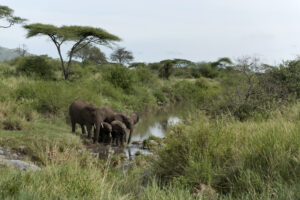
Tarangire is one of Tanzania’s most rewarding destinations for observing elephants. Guests may encounter family groups drinking, feeding, bathing or walking between the river and woodland.
Sightings are natural and cannot be guaranteed, but the park is particularly well known for its elephant population.
Birdwatching
The mixture of wetlands, grasslands and woodland makes Tarangire an attractive birding destination. Both resident and migratory species may be observed, depending on the season.
Scenic photography
The combination of elephants, baobabs, river valleys and golden savannah gives Tarangire a recognizable visual identity. Early morning and late afternoon generally provide beautiful light for photography.
Optional special activities
Certain accommodations or designated areas may arrange walking safaris, night drives or other experiences. These must be reserved in advance and may involve extra fees.
Wildlife in Nyerere National Park
Nyerere supports a diverse collection of animals. Possible sightings include:
- African elephants
- Lions
- African wild dogs
- Buffalo
- Giraffes
- Zebras
- Wildebeest
- Hippos
- Nile crocodiles
- Hyenas
- Leopards
- Impalas
- Greater kudu
- Waterbuck
- Baboons and monkeys
African wild dogs are one of Nyerere’s major attractions. However, they range over large territories and are never guaranteed.
Wildlife viewing requires patience, an experienced guide and realistic expectations. Every safari day is different.
Wildlife in Tarangire National Park
Animals commonly associated with Tarangire include:
- Elephants
- Lions
- Giraffes
- Zebras
- Wildebeest
- Buffalo
- Impalas
- Waterbuck
- Warthogs
- Baboons
- Vervet monkeys
- Dik-dik
- Eland
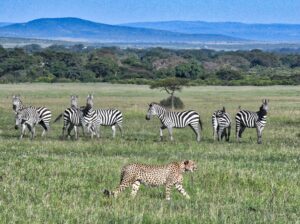
- Leopards and cheetahs, although less predictably seen
Tarangire is not normally promoted as the best standalone destination for seeing all members of the Big Five. Rhinos are not a regular sighting, and leopards can be elusive.
Travelers hoping for a broader Big Five experience can combine Tarangire with Ngorongoro Crater and Serengeti National Park.
Nyerere vs Tarangire: What Is the Difference?
| Feature | Nyerere National Park | Tarangire National Park |
|---|---|---|
| Safari circuit | Southern Circuit | Northern Circuit |
| Main gateway | Dar es Salaam or Zanzibar | Arusha or Kilimanjaro |
| Signature landscape | Rufiji River, lakes and woodland | Baobabs, river valley and savannah |
| Famous wildlife | Wild dogs, hippos, crocodiles, elephants | Elephants, giraffes, zebras and lions |
| Main activities | Drives, boat trips and selected walks | Game drives and selected special activities |
| Safari atmosphere | Remote and uncrowded | Accessible and popular |
| Ideal stay | Two to four nights | One to three nights |
| Best connection | Light-aircraft flight | Road transfer from Arusha |
Neither park is objectively better. The right choice depends on your interests.
Choose Nyerere if you prioritize boating, remoteness and Southern Circuit wilderness. Choose Tarangire if you prefer elephant encounters, baobab scenery and easy access from Arusha. Combine both for a more varied Tanzanian adventure.
Best Time to Visit Nyerere and Tarangire
Both destinations can be visited during different times of the year, but each season produces a different experience.
June to October: Dry season
This is generally the most popular period.
Advantages include:
- Wildlife concentrating near permanent water
- Thinner vegetation in many areas
- Generally drier game-drive conditions
- Excellent elephant viewing in Tarangire
- Good conditions for combining the two parks
This is also a busy and more expensive travel period. Accommodation and flights should be booked early.
November to December: Short rains
The short rains can refresh the landscape and reduce dust. The scenery becomes greener, migratory birds begin arriving and some properties offer better value.
Rainfall patterns are unpredictable, so short showers should be expected.
January to March: Green season
The green season can offer beautiful landscapes, birdwatching and photographic conditions. Tarangire’s animals may be more dispersed because water is available across the wider ecosystem.
Nyerere remains rewarding, but accessibility and camp operations must be checked carefully.
April and May: Long rains
Heavy rain can affect roads, airstrips and activities. Some remote camps close temporarily for maintenance or because of difficult access.
This period can offer lower rates, but it requires flexible planning. Kilipath African Safaris will confirm which camps, flights and routes are operating.
How Many Days Do You Need?
A minimum of six or seven days is recommended when combining Nyerere and Tarangire. This allows time for flight connections and meaningful safari experiences in both parks.
For a comfortable itinerary, consider eight to ten days.
Recommended time allocation
- Nyerere National Park: two to four nights
- Travel or connection: one day
- Arusha: one overnight if required
- Tarangire National Park: one or two nights
- Optional Ngorongoro or Serengeti extension: two to four nights
Trying to visit both parks in four or five days can make the trip rushed and dependent on favorable flight connections.
Sample Seven-Day Nyerere and Tarangire Itinerary
Day 1: Fly to Nyerere National Park
Fly from Dar es Salaam or Zanzibar to an airstrip serving your Nyerere accommodation. Meet your guide and begin the first wildlife activity, depending on arrival time.
Enjoy dinner and overnight at your selected camp or lodge.
Day 2: Nyerere game drives
Spend the day exploring the park’s woodland, open plains and lakes. Search for elephants, giraffes, buffalo, lions and African wild dogs.
Return to camp for dinner and overnight.
Day 3: Boat safari and optional walking experience
Begin with a guided walking safari if available. Later, enjoy a boat excursion on the Rufiji River, looking for hippos, crocodiles and waterbirds.
Day 4: Fly toward Arusha or Kilimanjaro
After breakfast, transfer to the airstrip and fly toward northern Tanzania using the best available route. Spend the night in Arusha.
Day 5: Arusha to Tarangire National Park
After breakfast, drive to Tarangire. Enjoy a game drive among baobab trees and along the Tarangire River.
Overnight near or inside the park.
Day 6: Full-day Tarangire safari
Explore more distant sections of Tarangire and look for elephants, lions, giraffes, buffalo and antelopes.
Day 7: Return to Arusha
Enjoy a final morning activity if time permits, then drive to Arusha or Kilimanjaro International Airport.
This sample plan can be extended to include Ngorongoro Crater, Serengeti National Park, Lake Manyara, Ruaha or Zanzibar.
Sample Ten-Day Safari With Ngorongoro
A longer holiday provides a smoother pace:
- Day 1: Arrive in Dar es Salaam or Zanzibar
- Days 2–4: Nyerere National Park
- Day 5: Fly to Arusha
- Days 6–7: Tarangire National Park
- Day 8: Tarangire to Karatu
- Day 9: Ngorongoro Crater
- Day 10: Return to Arusha or Kilimanjaro Airport
This itinerary combines river activities, elephant country and a full Ngorongoro Crater game drive.
Where to Stay
Accommodation is available at budget, midrange, luxury and exclusive levels, although the exact choices vary by destination.
Nyerere accommodation
Many Nyerere camps are located close to the Rufiji River, lakes or productive wildlife areas. Options range from comfortable tented camps to exclusive fly-in lodges.
When selecting accommodation, consider:
- Distance from the airstrip
- Whether boat safaris are included
- Whether walking safaris are available
- Seasonal opening dates
- Child policies
- Whether park fees and activities are included
- Private or shared game-drive arrangements
Tarangire accommodation
Travelers can stay:
- Inside Tarangire National Park
- Immediately outside the park
- In the wildlife management areas
- Near Lake Manyara or Mto wa Mbu
Staying inside or close to the park can reduce morning transfer time. Accommodation outside the park may offer better value or a wider range of room styles.
Kilipath African Safaris can recommend properties based on your budget and preferred comfort level.
What Does a Safari Package Include?
A customized package may include:
- Professional English-speaking safari guide
- Private 4×4 safari vehicle
- Domestic flights specified in the itinerary
- Airport and airstrip transfers
- Accommodation
- Meals according to the itinerary
- National park entrance fees
- Government taxes
- Game drives
- Boat safari when listed
- Drinking water during game drives
- Emergency support
Depending on the quotation, the package may exclude:
- International flights
- Tanzania visa fees
- Travel insurance
- Tips
- Alcoholic beverages
- Laundry
- Personal purchases
- Optional activities
- Medical expenses
- Changes caused by missed flights
- Items not specifically stated as included
Always review the final inclusions before paying a deposit.
How Much Does a Nyerere and Tarangire Safari Cost?
The final price depends on:
- Number of travelers
- Travel season
- Number of nights
- Accommodation category
- Private or shared arrangements
- Domestic flight fares
- Included activities
- Park fees and government taxes
- Departure and finishing locations
- Room occupancy
- Extensions to Zanzibar, Serengeti or Ngorongoro
Combining Southern and Northern Tanzania generally costs more than visiting one circuit because domestic flights are required. However, it offers greater variety and can be worthwhile for travelers seeking a distinctive itinerary.
Contact Kilipath African Safaris with your dates, group size and estimated budget for an accurate quotation.
What to Pack
Recommended items include:
- Neutral-colored lightweight clothing
- Warm jacket or fleece
- Comfortable closed shoes
- Sunhat
- Sunglasses
- High-SPF sunscreen
- Insect repellent
- Personal medication
- Camera and spare batteries
- Binoculars
- Small day bag
- Reusable water bottle
- Travel documents
- Power bank
- Light rain jacket
- Swimwear if your lodge has a pool
Soft-sided luggage is recommended for light-aircraft flights. Domestic airlines normally impose stricter baggage limits than international airlines, so confirm the permitted weight before departure.
Avoid packing camouflage clothing, which may be restricted or inappropriate in some African destinations.
Health and Safety Tips
Before traveling:
- Consult a qualified medical professional about vaccinations and malaria prevention.
- Purchase comprehensive travel insurance.
- Confirm passport and visa requirements.
- Declare allergies and dietary requirements early.
- Bring enough prescribed medication.
- Follow your guide’s instructions around wildlife.
- Never leave the vehicle unless your guide confirms it is safe.
- Do not feed or approach wild animals.
- Drink adequate water and protect yourself from the sun.
Safari camps may be unfenced, meaning animals can move through the property. Guests should follow staff instructions and request an escort after dark where required.
Responsible Safari Travel
Responsible behavior helps protect Tanzania’s wildlife and communities.
Travelers should:
- Maintain a respectful distance from animals
- Avoid loud noises
- Never request off-road driving where prohibited
- Avoid littering
- Reduce single-use plastics
- Respect local customs
- Ask permission before photographing people
- Support responsible accommodations and local businesses
- Follow all park regulations
- Avoid pressuring guides to crowd animals
At Kilipath African Safaris, we encourage respectful wildlife viewing that prioritizes animal welfare and long-term conservation.
Plan Your Nyerere and Tarangire Safari
Combining Nyerere National Park and Tarangire National Park creates one of Tanzania’s most diverse safari experiences. You can explore the Rufiji River by boat, search for African wild dogs in southern wilderness and later watch elephant families beneath Tarangire’s ancient baobabs.
Because these parks belong to different circuits, expert planning is essential. The correct flight connections, accommodation sequence and activity schedule can transform a complicated journey into a comfortable adventure.
Contact Kilipath African Safaris today and let us design your personalized Nyerere National Park and Tarangire safari. Share your travel dates, number of guests, preferred accommodation level and budget, and our team will create the right itinerary for you.