Skip to content

A photography Tanzania safari is designed for travelers who want more than simply seeing wildlife. It gives photographers extra time at sightings, better positioning for light and backgrounds, enough room for camera equipment, and the flexibility to wait for the perfect moment.
Whether your dream is photographing lions at sunrise in the Serengeti, elephants beneath giant baobab trees in Tarangire, wildebeest during the Great Migration, or wildlife inside Ngorongoro Crater, choosing the right photography Tanzania safari cost operator can make a major difference.
Photography safaris are usually more specialized than ordinary wildlife tours. Private vehicles, knowledgeable guides, longer game drives, carefully selected accommodation, and seasonal routing can all influence the final price.
This guide explains Tanzania photography safari costs, what is normally included, the best destinations, how to choose an operator, and how to plan your safari budget.
How Much Does a Photography Tanzania Safari Cost?
There is no single fixed Tanzania photography safari price. The total depends on safari length, accommodation category, season, number of travelers, parks visited, and whether you choose a private or shared vehicle.
As a general planning guide, travelers can expect approximately:
| Photography Safari Style | Typical Duration | Approx. Cost Per Person |
|---|---|---|
| Budget/shared safari | 4–5 days | USD 1,200–2,000 |
| Private camping photography safari | 5–7 days | USD 2,000–3,500 |
| Private mid-range safari | 5–7 days | USD 3,000–5,000 |
| Luxury photography safari | 7–10 days | USD 5,500–9,000+ |
| Specialist/private photo expedition | 7–12+ days | USD 5,800+ |
These figures should be treated as planning estimates rather than fixed tariffs. Current Tanzania safari pricing varies significantly according to service level, with published 2026 estimates showing anything from a few hundred dollars per person per day for simpler arrangements to well above USD 1,000 for high-end safaris.
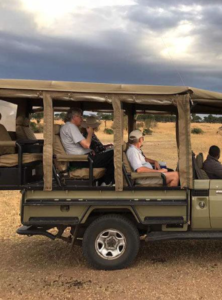
A photography safari can cost more than a normal safari because photographers often benefit from a private 4×4, additional vehicle space and greater flexibility at wildlife sightings.
Why Photography Safaris Can Cost More Than Regular Safaris
A traditional game drive might move on after guests have watched an animal for several minutes. A photographer may prefer to remain there much longer.
You may be waiting for a lion to stand, an elephant herd to cross the road, a leopard to descend from a tree or the morning light to move into the ideal position.
This changes how the safari is operated.
A dedicated photographic safari can involve:
- Private use of a safari vehicle
- Fewer photographers per vehicle
- Longer game drives
- Sunrise departures
- Greater flexibility at sightings
- Photography-aware driver-guides
- More charging opportunities
- Space for telephoto lenses and camera bags
- Strategic positioning according to light
- Accommodation closer to important wildlife areas
Specialist photography operators also sometimes provide vehicle modifications such as beanbag supports, charging systems or camera mounting options.
For serious photographers, these features can be more valuable than simply choosing the most luxurious lodge.
What Determines Photography Tanzania Safari Cost?
1. Private vs Shared Safari Vehicle
The safari vehicle is one of the biggest factors affecting your Tanzania photography safari cost.
A shared safari reduces the price because several travelers divide vehicle and guide expenses. It can be excellent for travelers carrying basic photography equipment.
However, photographers using large lenses normally benefit more from a private safari.
With your own vehicle you can ask your guide to reposition, remain longer with wildlife and concentrate on particular species without affecting other travelers.
For example, instead of rushing between animals, you might spend 45 minutes photographing a pride of lions until the cubs become active.
That flexibility is one of the biggest advantages of booking through a specialist photography safari operator.
2. Number of Photographers
Private safari costs become more economical when several travelers share one vehicle.
One solo photographer pays almost all vehicle expenses personally. Two, three or four photographers can divide many of the same operating costs.
However, filling every seat is not always ideal for photography.
A normal safari Land Cruiser might accommodate six or seven passengers, but photographers often prefer fewer people because telephoto lenses, backpacks and other equipment require significant space.
For serious photography, two to four photographers per vehicle can provide a comfortable balance between space and cost.
3. Accommodation Level
Accommodation has a major impact on the safari price.
Budget Camping
Camping is the cheapest way to experience Tanzania’s famous parks.
It is suitable for adventurous photographers who care more about wildlife and photography time than luxury.
Camping packages may include tents, sleeping equipment, meals and a safari cook.
Mid-Range Lodges and Tented Camps
Mid-range accommodation is extremely popular because it combines comfort and reasonable pricing.
Many tented camps offer:
- Private bathrooms
- Comfortable beds
- Electricity or solar charging
- Restaurant facilities
- Excellent wildlife locations
For many photographers, this category provides the best balance between comfort and safari time.
Luxury Camps
Luxury photography safaris may include premium lodges, larger tents or suites, excellent food, exclusive locations and personalized service.
The wildlife experience does not automatically become better because your accommodation costs more, but strategically located camps can reduce driving time and help photographers reach wildlife areas early.
Best Destinations for a Tanzania Photography Safari
Serengeti National Park
The Serengeti is arguably Tanzania’s most famous photography destination.
Its open landscapes, large predator populations and seasonal Great Migration create enormous photographic variety.
Potential subjects include:
- Lions
- Leopards
- Cheetahs
- Elephants
- Giraffes
- Hyenas
- Wildebeest
- Zebras
- Birds of prey
The expansive landscapes are also excellent for environmental portraits showing animals against dramatic skies and grasslands.
Different sections of the Serengeti become particularly interesting at different times of year, making correct route planning important.
Ngorongoro Crater
Ngorongoro Crater provides one of Tanzania’s most concentrated wildlife-viewing experiences.
Photographers can potentially encounter lions, elephants, zebras, wildebeest, buffalo, hippos, hyenas and many other species within a relatively compact area.
The crater also offers spectacular landscape photography.
Its crater walls, changing weather, grasslands and wildlife can create beautiful wide-angle images in addition to classic telephoto portraits.
Official national park and conservation fees form a significant part of safari operating costs. TANAPA publishes tariffs for national parks, and these government-controlled charges should be considered when comparing quotes.
Tarangire National Park
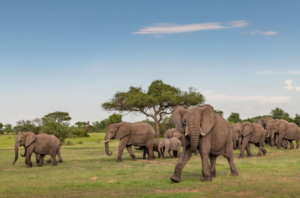
Tarangire is particularly attractive for photographers who love elephants.
Large elephant herds, ancient baobab trees, seasonal rivers and dramatic landscapes create distinctive images.
Instead of photographing only close wildlife portraits, Tarangire allows photographers to create images showing elephants surrounded by the wider African environment.
The combination of wildlife and baobab trees can produce some of the most recognizable safari photographs in northern Tanzania.
Ndutu and Southern Serengeti
During the calving period, southern Serengeti and the Ndutu region become extremely attractive for wildlife photographers.
Large numbers of wildebeest gather across the short-grass plains and thousands of young animals create excellent behavioral photography opportunities.
Predator activity can also be significant.
Photographers interested in newborn animals, interactions between mothers and calves and predator behavior frequently prioritize this area during the appropriate season.
Northern Serengeti
Northern Serengeti is famous for the Great Migration during the period when migrating herds move through the north.
River-crossing photography can be spectacular, although wildlife behavior can never be guaranteed.
Professional photography itineraries often allocate multiple days to Northern Serengeti rather than trying to photograph migration activity during a rushed visit.
Best Time for Tanzania Wildlife Photography
Tanzania offers photography throughout the year, but the ideal period depends on what you want to photograph.
June to October
This is the dry season across much of northern Tanzania.
Vegetation can become thinner and wildlife often gathers around water sources, making animals easier to locate.
Northern Serengeti can become particularly popular during the migration season.
December to March
This period is highly attractive for photographers interested in the southern Serengeti and Ndutu ecosystem.
January and February are especially famous for calving activity.
Green Season
Rainy and transitional periods should not automatically be avoided.
Green landscapes, dramatic skies, fewer vehicles and excellent bird photography can make these months extremely rewarding.
Professional photographers often appreciate dramatic clouds and lush backgrounds that would not be available during the dry season.
What Should a Photography Safari Operator Provide?
Choosing the right operator involves much more than comparing prices.
Ask whether your operator can provide a reliable 4×4 Land Cruiser with a pop-up roof, enough room for photography equipment and charging facilities.
More importantly, discuss your photographic objectives before booking.
Tell the operator whether you are interested primarily in:
- Big cats
- Birds
- Elephants
- Migration photography
- Landscapes
- Predator behavior
- Calving season
- Portrait photography
- Video production
This allows the itinerary to be designed around your objectives.
A knowledgeable driver-guide can also help position the vehicle according to sunlight, backgrounds and predicted animal movement.
Wildlife cannot be controlled, but good positioning can significantly improve photography opportunities.
What Is Usually Included in Tanzania Photography Safari Cost?
Packages differ between operators, but a well-structured safari quote may include:
- 4×4 safari vehicle
- Professional safari driver-guide
- Accommodation
- Meals during safari
- National park fees
- Ngorongoro-related conservation fees when included in the itinerary
- Drinking water
- Game drives
- Airport or hotel transfers when stated
- Government taxes and applicable charges
TANAPA notes that park fees are government-managed and park conservation fees generally operate according to specified entry periods.
Always request an itemized list of inclusions and exclusions before paying your deposit.
What Is Normally Excluded?
Depending on the operator, travelers may need to budget separately for:
- International flights
- Tanzania visa fees
- Travel insurance
- Photography equipment
- Tips
- Alcoholic drinks
- Laundry
- Personal purchases
- Optional balloon safari
- Additional accommodation before or after safari
- Domestic flights unless specifically included
Never compare two safari quotes based only on the headline price.
One operator may include park fees, transfers and accommodation while another may list some of these costs separately.
Photography Equipment to Bring
You do not need professional equipment to enjoy a Tanzania photography safari.
However, wildlife photographers commonly bring:
Camera body: DSLR or mirrorless cameras both work well.
Telephoto lens: Something around 100–400mm is extremely versatile for safari photography.
Long lens: A 500mm or 600mm lens can be excellent for birds and distant wildlife.
Wide-angle lens: Useful for landscapes, camps, elephants at close distance and environmental wildlife photography.
Extra batteries: Safari days can be long.
Memory cards: Photographing wildlife bursts can fill cards very quickly.
Beanbag: Useful for stabilizing large lenses on vehicle windows or rails.
Dust protection: Tanzania’s safari roads can become dusty, especially during the dry season.
Bring sufficient storage for backing up your images whenever possible.
Can Beginners Join a Tanzania Photography Safari?
Absolutely.
Photography safaris are not exclusively for professionals.
They can be perfect for:
- Beginners learning wildlife photography
- Smartphone photographers
- Content creators
- Couples
- Honeymoon travelers
- Professional photographers
- Documentary filmmakers
- Bird photographers
Inform your operator about your skill level.
Beginners may benefit from an itinerary combining famous wildlife locations with enough time to learn how to photograph animals without rushing.
How to Reduce Your Tanzania Photography Safari Cost
You can control the budget without sacrificing the wildlife experience.
Consider traveling with two to four photographers so that private vehicle expenses can be divided between the group.
Mid-range tented camps can also provide excellent value compared with luxury properties.
Another strategy is staying longer in fewer parks.
Constantly moving between distant destinations increases fuel use, driving time and logistical expenses.
For photography, slower travel is often better anyway.
A six-day itinerary concentrated on Tarangire, Ngorongoro and Serengeti may offer better photographic opportunities than rushing through five parks.
Example 7-Day Tanzania Photography Safari
A strong photography-focused Northern Circuit itinerary could look like this:
Day 1 – Arusha to Tarangire National Park
Photograph elephants, baobabs and wildlife around the river ecosystem.
Day 2 – Tarangire to Serengeti
Travel through the highlands toward the Serengeti with photography opportunities along the route.
Day 3 – Central Serengeti
Full-day photography focusing on big cats and plains wildlife.
Day 4 – Central Serengeti
Another full day allows photographers to wait patiently for behavior rather than constantly searching for new animals.
Day 5 – Serengeti
Sunrise game drive followed by additional afternoon photography.
Day 6 – Ngorongoro Area
Travel toward Ngorongoro while photographing landscapes and wildlife along the journey.
Day 7 – Ngorongoro Crater to Arusha
Early crater descent followed by wildlife photography before returning to Arusha.
During migration periods, the itinerary can instead concentrate on Northern Serengeti or Ndutu depending on the season.
Choosing the Right Photography Tanzania Safari Cost Operator
The cheapest operator is not automatically the best choice for photographers.
Before booking, ask:
- Is the safari vehicle private?
- How many photographers will be inside each vehicle?
- Can game drives start early?
- Can we stay longer at interesting sightings?
- Does the vehicle have charging facilities?
- Does the guide understand wildlife photography?
- Are all park and conservation fees included?
- Which accommodation is included?
- What happens if we want to adjust the daily schedule?
- Does the operator understand seasonal wildlife movements?
Clear answers to these questions can be more valuable than choosing an operator based on price alone.
Book Your Tanzania Photography Safari with Kilipath African Safaris
At Kilipath African Safaris, photography safaris can be customized according to your preferred wildlife, travel dates, accommodation category, group size and budget.
Whether you want lions in Central Serengeti, elephant photography in Tarangire, the Ngorongoro Crater, migration action in Northern Serengeti or calving-season photography around Ndutu, your itinerary can be planned around your objectives.
Private safari options provide greater freedom to spend time at sightings and design game drives around photographers rather than following a rigid group schedule.
Tell us:
your travel dates, number of travelers, number of safari days, accommodation preference, photography interests and estimated budget, and we can create a suitable Tanzania photography safari itinerary.