Tanzania is one of the most rewarding wildlife photography destinations in the world. From the endless plains of Serengeti to the dramatic landscapes of the Ngorongoro Crater, every moment offers an opportunity to capture extraordinary images. Choosing the right photography Tanzania safari operator can make the difference between coming home with average snapshots and returning with stunning, professional-quality wildlife photographs.
At Kilipath African Safaris, we understand the unique needs of photography enthusiasts. Whether you are a beginner learning wildlife photography or an experienced photographer searching for the perfect shot, this guide will help you understand what to expect from a photography safari in Tanzania and how to choose the best operator for your adventure.
Why Tanzania is a Dream Destination for Wildlife Photography
Tanzania offers unmatched photographic opportunities throughout the year. The country’s diverse ecosystems provide endless subjects for photographers, including:
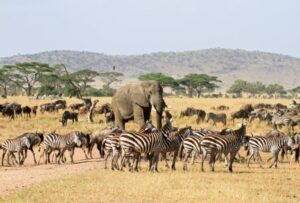
- The Great Migration of wildebeest and zebras
- The Big Five wildlife species
- Predators such as lions, cheetahs, and leopards
- Colorful birdlife with more than 1,100 species
- Stunning African sunsets and landscapes
- Traditional Maasai culture and local communities
The variety of wildlife and scenery allows photographers to create a diverse portfolio during a single safari.
What Makes a Good Photography Tanzania Safari Operator?
Not every safari company is designed for photographers. A dedicated photography safari operator focuses on maximizing photographic opportunities rather than simply sightseeing.
Experienced Wildlife Guides
Professional guides understand animal behavior and know where to position the vehicle for the best lighting and viewing angles. Their experience can dramatically improve your chances of capturing unique wildlife moments.
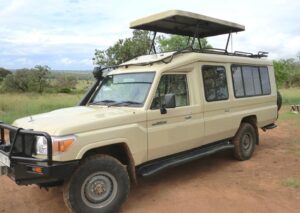
Photography-Friendly Safari Vehicles
Photography safaris require vehicles that offer:
- Large windows for unobstructed views
- Pop-up roofs for elevated photography
- Comfortable seating arrangements
- Charging sockets for camera batteries
- Ample space for photography equipment
Flexible Game Drives
Unlike standard safaris, photography-focused safaris allow extra time at sightings. This flexibility enables photographers to wait for the perfect light, behavior, or composition.
Knowledge of Seasonal Wildlife Movements
A professional photography Tanzania safari operator understands migration patterns and seasonal wildlife behavior, ensuring photographers visit the right locations at the right time.
Best Photography Locations in Tanzania
Serengeti National Park
The Serengeti is the ultimate destination for wildlife photography. Vast open grasslands provide excellent visibility and dramatic wildlife scenes.
Popular photography subjects include:
- The Great Migration
- Lions hunting
- Cheetahs on termite mounds
- River crossings
- Sunrise and sunset landscapes
Ngorongoro Crater
Often called Africa’s Garden of Eden, the Ngorongoro Crater offers dense wildlife populations within a compact area.
Photographers can capture:
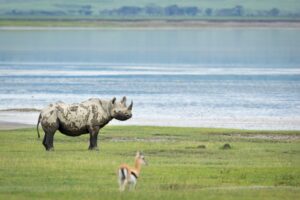
- Black rhinos
- Lions
- Large elephant bulls
- Flamingos
- Scenic crater landscapes
Tarangire National Park
Tarangire is famous for its massive elephant herds and iconic baobab trees.
Photography highlights include:
- Elephant portraits
- Bird photography
- Seasonal river wildlife
- Unique landscapes
Lake Manyara National Park
This park provides diverse photographic opportunities, including:
- Tree-climbing lions
- Flamingos
- Forest wildlife
- Ground-level photography near the lake
Nyerere National Park
For photographers seeking fewer crowds and authentic wilderness experiences, Nyerere offers exceptional opportunities for wildlife and landscape photography.
Best Time for a Photography Safari in Tanzania
January to March
This period is ideal for photographing the calving season in Southern Serengeti. Thousands of wildebeest give birth, attracting predators and creating dramatic wildlife scenes.
June to October
The dry season offers excellent wildlife visibility as animals gather around water sources. This is also the best period for photographing the Great Migration river crossings.
November to December
The short rains transform the landscape into vibrant green scenery, creating beautiful contrasts for wildlife photography.
Photography Equipment to Bring
A successful photography safari begins with proper equipment preparation.
Recommended gear includes:
- DSLR or mirrorless camera
- Telephoto lens (200mm–600mm)
- Wide-angle lens for landscapes
- Extra memory cards
- Spare batteries
- Camera cleaning kit
- Bean bag for vehicle stabilization
- Laptop or backup storage device
Having backup equipment ensures you never miss important photographic moments.
Why Choose Kilipath African Safaris for Photography Tours?
Kilipath African Safaris specializes in creating memorable wildlife experiences tailored to photographers.
Our photography-focused safaris include:
- Professional safari guides
- Comfortable 4×4 Land Cruisers with pop-up roofs
- Flexible game drive schedules
- Strategic wildlife tracking
- Small group and private safari options
- Access to Tanzania’s most photogenic destinations
Our team understands the patience and positioning required for successful wildlife photography and works hard to help guests achieve outstanding results.
Photography Safari Tips for Beginners
If this is your first photography safari, these tips will help improve your results:
- Shoot during early morning and late afternoon light.
- Focus on animal behavior rather than just portraits.
- Keep your camera ready at all times.
- Use continuous shooting mode for action scenes.
- Learn basic wildlife behavior before your trip.
- Practice with your camera settings before arriving.
Patience is often the key to capturing award-worthy wildlife photographs.
Choosing the right photography Tanzania safari operator is essential for anyone looking to capture remarkable wildlife images. Tanzania’s incredible wildlife diversity, breathtaking landscapes, and world-famous national parks make it one of the best photography safari destinations on Earth.
Whether you dream of photographing the Great Migration, capturing a lion at sunrise, or documenting the beauty of Africa’s landscapes, Kilipath African Safaris can help turn your vision into reality. With experienced guides, photography-friendly vehicles, and carefully planned itineraries, your next safari can become the adventure of a lifetime.